

Somewhere between the third video call and the school pickup, the shoe question changed for a lot of women. Not the dressy-versus-casual question, and not the heel-height question. The new one is simpler and stranger: what do you put on your feet when the commute is nine steps across a hallway, the floor is cold tile, and the doorbell might ring at any moment? Remote shoes for women are not a formal category in any shop I have been in, and that is precisely why they are hard to buy. They sit between slippers and street shoes, and most of us end up improvising with whatever was already by the door.
The improvisation has a cost. Bare feet or thin foam slides on a hard floor for six hours a day is a genuinely different load on the foot than an hour of walking in proper shoes, and the ache that shows up around four in the afternoon usually traces back to the floor rather than to fitness or age. Equally, wearing a structured pair of women’s shoes at a kitchen table for a full working day is its own small misery: laces that dig in when you sit cross-legged, a heel that catches on a chair rung, an outsole that marks pale floorboards. Remote shoes for women are the answer to that specific set of problems, and once you name the problems clearly, the buying decision gets much less vague.
What "Remote Shoes" Actually Means in Practice
Strip away the marketing and three requirements remain. The shoe has to be easy to get on and off without hands, because in a house you are constantly half-dressed, carrying a mug, or holding a laptop. It has to cushion a hard indoor surface without feeling like a mattress strapped to the foot, since a shoe that is too soft makes standing feel unstable and tires the arch faster than a firm one. And it has to be presentable enough to answer the door, take a parcel, or walk to the bin without the small humiliation of being seen in something you would not wear to a neighbour’s kitchen.
That combination is trickier than it sounds, because the footwear industry is organised around the opposite priorities. House shoes are built soft and unstructured, on the assumption that you will wear them for an hour before bed. Walking shoes are built for pavement and weather, with stiff heel counters and aggressive tread that scratches wood. Remote shoes for women have to borrow from both without the drawbacks of either, which usually means a flexible outsole with a rubber segment under the heel, a lightly padded collar, and an upper that holds its shape without pressing on the instep when you sit.
There is also the matter of how the day actually runs. A remote day is not one long stretch of standing; it is fragments. Twenty minutes at the desk, five minutes in the kitchen, a walk to the letterbox, a stretch, an hour of calls. The shoe gets more on-and-off cycles in a single day than a commuter shoe sees in a week, and that is where cheap construction fails first. Straps stretch, elastic goes slack, the lining separates at the heel. A pair that would last three years as occasional house shoes can be finished in eight months under that routine, so the calculation on price is not as obvious as it looks.
The Three-Zone System: Desk, Doorway, and Street
The most practical approach I have found is to stop looking for one perfect pair and split the day into three zones instead. Zone one is the desk: something soft, quiet on the floor, and easy to kick off under the table. Zone two is the doorway and the immediate outside world — the bin, the parcel, the quick trip to the car. Zone three is anything that involves an actual street and other people. Remote shoes for women work best as a two-pair arrangement covering zones one and two, with a proper pair waiting in zone three rather than being worn indoors out of laziness.
The reason to keep the zones separate is grit. Once a pair has been outside, the outsole is carrying whatever the pavement carries, and that comes back into the house and onto the rug. A dedicated indoor pair stays clean, which matters more than people expect if there are children crawling on the floor or if you sit on the rug to stretch. The doorway pair does not need to be beautiful; it needs a real rubber outsole, a closed toe for wet weather, and enough structure that you are not walking on the side of your foot to the car.
The zone-three pair is where most wardrobes already have too much, not too little. The useful rule is to keep one dependable pair that can go from a coffee shop to a meeting without apology, and to treat it as outdoor equipment. Change out of it at the door. That single habit does more for foot comfort across a week than any insole purchase, because it keeps the structured shoe doing the job it was designed for and reserves the soft shoe for the surfaces it was designed for.
Slip-Ons, Loafers, and Mules: The Core of the Rotation
If you are building the indoor half of the rotation, three shapes do most of the work. The soft slipper is the obvious one, and the modern versions have moved a long way from the towelling bootie: a suede or wool upper on a rubber-dotted sole is warm, quiet, and stable enough to stand in while cooking. The second is the unstructured loafer, which is basically a moccasin with a slightly firmer sole — the loafer has been a slip-on style since the late nineteenth century, which is a long track record for something this simple. The third is the backless mule, ideal for a house with warm floors and a habit of stepping outside.
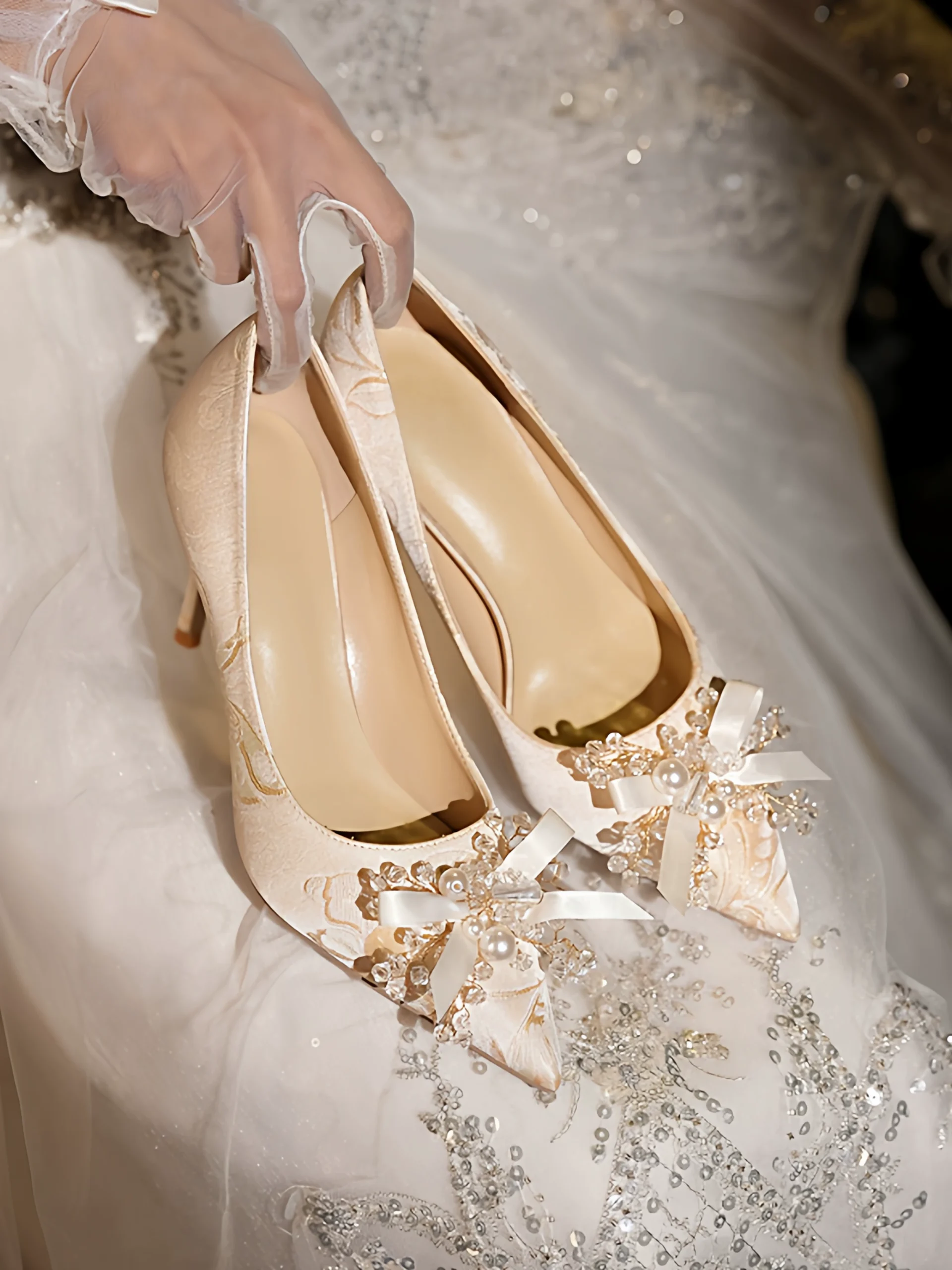
When you are comparing these shapes, the specifications that matter are unglamorous. Look for a sole that flexes at the ball of the foot, not in the middle of the arch, because a mule that bends under the midfoot will roll your ankle on a staircase. Check the heel counter by pressing it with a thumb: a soft, collapsing counter is fine for a bedtime slipper and wrong for anything you will walk to the corner shop in. Inside the shoe, run a finger along the seam behind the toes. Any ridge you can feel will find the top of your toes within a month, and thin socks will not save you.
Fit is where most people go wrong with slip-ons, because there are no laces to correct a bad size. The heel should sit snugly enough that the shoe does not flap when you climb stairs, and there should be roughly a finger’s width of space beyond the longest toe. If the pair is loose across the instep, a thin insole solves it more reliably than sizing down, which usually shortens the shoe and pinches the toes. For anyone with a high instep or a wide forefoot, a backless mule is more forgiving than a closed loafer, and a style with an adjustable strap across the top is more forgiving still. Remote shoes for women are unforgiving of a sloppy fit in a way that lace-ups are not, simply because nothing holds the foot in place except the shape of the upper itself.
Cushioning, Flooring, and Eight Hours Indoors
Indoor floors are harder than most people assume. Timber, tile, and polished concrete return almost no energy to the foot, so every step is absorbed by the arch and the heel pad rather than by the ground. That is the reasoning behind the standard advice to avoid long stretches barefoot on hard surfaces, and it is also why heel pain often shows up in people who have not changed their exercise habits at all — they have only changed their floor. Plantar fasciitis, the most common cause of pain under the heel, classically hurts most on the first steps of the morning, which is exactly when a soft-soled house shoe feels best and a bare foot feels worst.
Cushioning, though, is not a case of more being better. A very thick, very soft midsole makes the foot work harder to balance, and after an hour of standing at a counter that instability shows up as tired calves and a nagging ache through the arch. What works indoors is a thin, firm layer with a little give: enough to take the edge off the floor, not so much that you feel like you are standing on a pillow. Cork and dense EVA both do this well. Memory foam feels wonderful for ten minutes and packs down permanently within a season, which is worth knowing before you pay a premium for it.
There is a cheap test you can do in a shop or at home. Stand on one foot and see whether the shoe lets your arch collapse inward; if it does, the midsole is too soft or the heel too narrow. Then walk ten steps on a hard floor and listen. A slapping sound means the sole is too stiff to flex, and a shoe that does not flex will push your heel out of the back with every step. Neither problem is fixable with socks. Both are obvious within thirty seconds, which is more than most people spend trying a pair on.
What the Video Call Actually Sees
Camera framing is narrower than most of us imagine. A laptop at eye level on a kitchen table typically shows head and shoulders, sometimes the top of a chair, rarely the floor. That means the visible part of a remote outfit is the neckline, the shoulders, and the colour — and it means the shoe decision is almost entirely about comfort, not appearance. The exception is the standing presentation, the whiteboard session, or the call taken while pacing, where a full-length view is possible and a scuffed slipper reads as exactly what it is.
The practical compromise most women land on is a pair that looks intentional from the ankle down even if nobody sees it. A plain suede mule in a neutral tone, a leather-trimmed slipper, a knit slip-on with a clean toe shape: all of these survive a surprise full-length view without a change of clothes. What does not survive is anything with a novelty print, a collapsing back, or a sole thick enough to change your posture. Remote shoes for women are, in that sense, a quiet insurance policy against the one call a week where you have to stand up.
Colour is worth a moment of thought. Pale soles mark dark floors and dark soles scuff pale ones, so if you have light floorboards a gum or cream sole saves a lot of cleaning. Neutral uppers in grey, taupe, black, or navy also survive the transition from indoor to outdoor far better than white, which turns grey at the heel within a fortnight of daily wear. If the pair will only ever be worn indoors, this hardly matters; if it will make the trip to the letterbox, it does.
Socks, Temperature, and the Seasonal Swap
Indoor footwear is really a two-part system, and the sock does as much work as the shoe. A thin merino sock regulates temperature across a whole day in a way cotton cannot, staying warm when the heating is off in the morning and not clammy by the afternoon. Cotton is fine for short wear and terrible for long wear, because it holds moisture against the skin. If your feet run hot, a mesh or knit upper with a liner sock is more comfortable than any amount of cushioning; if they run cold, wool and a closed-back shoe beat a backless mule every time between November and March.
The seasonal swap is the part people forget, and it is why wardrobes accumulate three half-worn pairs. The workable arrangement is one warm pair for the cold half of the year, one breathable pair for the warm half, and a doorway pair that stays out all year. Store the off-season pair with cedar or a sachet rather than in a plastic bag, and give leather a wipe and a thin layer of cream before it goes away — a suede or leather slipper that is put away damp will come out with a stiff, cracked vamp that no product will fix.
There is a maintenance rhythm worth building as well. Indoor shoes do not get rained on, but they do collect dust, hair, and skin, and the footbed is where smells start. A removable insole that can be washed or replaced extends the life of the whole shoe, and it is the single feature I would look for before anything else. Rotating two pairs rather than wearing one to death also helps: giving a shoe a full day to dry between wears roughly doubles how long the lining lasts, which matters more indoors where there is no sun and no wind to do the drying for you.
How Many Pairs Do You Really Need?
Fewer than the shops would like. A workable minimum is three: a soft indoor pair for desk days, a sturdier slip-on for the doorway and errands, and one presentable outdoor pair for anything that involves being seen. That is genuinely enough for a remote week, and adding a fourth pair only makes sense if the seasons are extreme where you live or if you spend part of the week on your feet in a way that needs real support rather than cushioning.
Budget is better spent unevenly. The indoor pair takes the most hours and the least visible wear, so a mid-priced option with a replaceable insole is a smarter buy than a cheap one you will replace twice a year. The doorway pair takes the most abuse per hour and deserves a genuine rubber outsole. The outdoor pair is the one worth spending on properly, because it is the only one doing structural work: holding the heel, supporting the arch, and surviving weather. It is also the pair that will be seen, which tends to concentrate the mind on quality anyway.
One warning about the discount aisle: slip-on shoes with glued soles and no shank are the most common failure in this category. The upper looks fine, the sole separates at the toe within months, and there is no repair that costs less than the shoe. Remote shoes for women are used hard in a way that does not show up in a shop mirror, and the honest measure of a pair is not how it feels on the first day but whether the heel counter still holds in month eight. If you want a shortcut, buy from a maker that lists the materials and offers replacement insoles; those two signals correlate with shoes that survive a year of hallway traffic.
Transitional Pairs for Hybrid Weeks
For anyone on a hybrid schedule, the useful question shifts: which pair can do both the home desk and the office without looking like a compromise? The answer is usually a low-profile loafer or a clean knit slip-on with a rubber sole. Both read as proper shoes in a meeting room and both are comfortable enough to wear at a kitchen table for four hours, which removes the morning decision entirely. Avoid anything with a stacked heel for this role; it will feel absurd at home and underdressed in an office at the same time.
Layering helps more than a second pair of shoes. A thin insole in the transitional pair converts it from a desk shoe into something you can walk a mile in, and it takes up less space in a bag than a spare pair. If you commute by train, keep the structured pair at the office and travel in the soft one — a habit that costs nothing and saves the walk from station to desk in shoes that were never meant for it. The women’s flat shoes range covers most of this ground already, since flats are the one category that stays plausible on both sides of the front door.
None of this requires a new wardrobe. It requires accepting that the shoe by the door is doing a different job than it did five years ago, and giving it the right shape for that job. The pair that lets you stand at a counter for an hour, answer the door without wincing, and still look deliberate on the one call where you have to stand up is worth more than three pairs that each do one thing badly. Remote shoes for women are a small, unglamorous piece of equipment, and like most equipment, they are invisible when they are right.
