

Your Ultimate Guide to Effortless Elegance and Versatile Styling
Elegance is not about being noticed; it’s about being remembered. It is the quiet confidence in a perfectly curated wardrobe piece that transitions seamlessly from a boardroom presentation to an evening cocktail. This philosophy of style transcends fleeting trends, rooting itself in versatility, quality, and a profound understanding of one’s personal aesthetic. The pursuit of effortless elegance is, in essence, the pursuit of sartorial intelligence—selecting items that do more, adapt more, and express more with less conscious effort. It is the antithesis of the overstuffed closet and the frantic morning dilemma. Today, we will deconstruct this concept, moving beyond abstract ideals to provide a tangible, objective roadmap. We will explore the foundational elements that constitute versatile styling, grounding our discussion in principles of color theory, design psychology, and historical fashion context, all while introducing you to the transformative power of a single, pivotal item: the chocolate brown heels.
The Architecture of Effortless Style: Beyond the Superficial
To understand effortless elegance, one must first dismantle the misconception that it is synonymous with minimalism or a neutral palette alone. According to research from the Fashion Institute of Technology, effortless style is a cognitive outcome of reduced decision fatigue. When a wardrobe is built on interoperable pieces, the mental load of dressing decreases significantly. This is not merely an opinion but a principle supported by behavioral science. The concept of a “capsule wardrobe,” popularized by stylists like Susie Faux in the 1970s and later by Donna Karan’s “Seven Easy Pieces” concept, is predicated on this very idea. It’s about creating a sartorial ecosystem where every item has a defined role and multiple partners. Versatile styling, therefore, is architectural. It requires a blueprint. This blueprint considers silhouette, fabric weight, and, most critically, color. Color is the silent language of your outfit; it sets the emotional tone before a word is spoken. We will now delve into the most underrated yet powerful dialect of this language: the rich, grounding, and infinitely adaptable hue of chocolate brown, and its ultimate ambassador in footwear.
Chocolate Brown: The Psychological and Sartorial Anchor
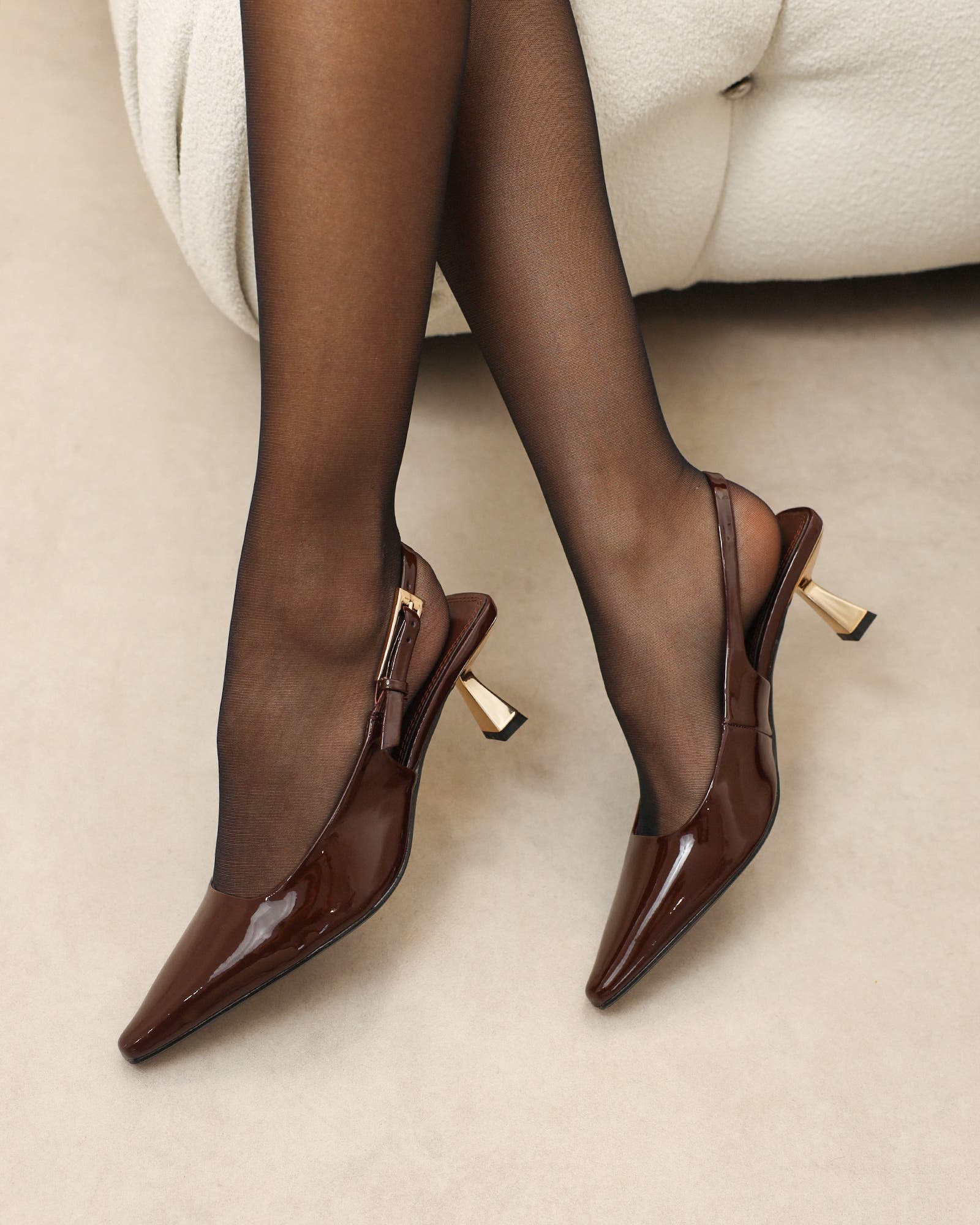
Why chocolate brown, and not black, as the cornerstone of versatility? The answer lies in color psychology and historical fashion authority. While black is often hailed as the ultimate neutral, it can be severe, creating a stark contrast that sometimes distances rather than connects. Chocolate brown, however, occupies a unique space. Color theorists, referencing the Munsell color system, describe brown as a low-chroma, warm neutral that evokes feelings of stability, reliability, and warmth. It is the color of earth and wood, elements inherently associated with comfort and authenticity. Fashion historian Valerie Steele, in her writings for The Museum at FIT, notes that brown’s ascent in high fashion was championed by designers like Yves Saint Laurent in the 1970s, who used it to convey a sense of luxurious ease and bohemian intellect. From the trenches of Burberry to the leather goods of Hermès, chocolate brown signifies understated wealth and timeless quality. It is less predictable than black, offering depth and richness without shouting. This makes it a superior connective tissue in styling. A pair of chocolate brown heels does not merely match an outfit; they harmonize with it. They can temper the brightness of a pastel dress, add sophistication to denim, and provide a warm, modern contrast to navy, grey, or even black itself. They are the sartorial equivalent of a foundational base note in a complex perfume.
The Heel as a Tool: Engineering Confidence and Silhouette
The choice of a heel is a deliberate one, far beyond the mere addition of height. In her seminal book “The Language of Clothes,” sociologist Alison Lurie argues that footwear is among the most symbolic of garments, often representing one’s stance and movement in the world. A heel alters posture, tilting the pelvis and straightening the spine, which projects confidence—a non-verbal cue documented in studies on body language by researchers like Amy Cuddy. But the modern pursuit of elegance demands that this tool also be a workhorse. This is where design engineering meets aesthetics. The ideal versatile heel possesses specific attributes: a height that is sustainable for extended wear (often between 2 to 3.5 inches), a balanced silhouette (such as a block heel or a tapered kitten heel), and a design free from overly trendy details. A chocolate brown heel that meets these criteria becomes a prosthetic for poise. It is an instrument that physically and psychologically elevates the wearer while remaining grounded in practicality. Whether it’s a sleek pump, an ankle-strap sandal, or a modern mule, the form must follow function. The goal is not to endure your shoes, but to be empowered by them, allowing you to move through diverse settings with unbroken grace.

Versatile Styling in Action: Five Transformative Configurations
Let us translate theory into practice. The true test of an item’s elegance and versatility is its range of expression. The following configurations demonstrate how a single pair of chocolate brown heels can architect entirely different personas, from corporate authority to weekend ease, proving its unparalleled return on investment.
1. The Authority Ensemble: Tailoring with Warmth
The traditional power suit, often in black or navy, can sometimes project a cold formality. Introduce a chocolate brown heel to recalibrate this message. Pair them with a tailored tan or camel blazer, crisp white shirt, and wide-leg trousers in a complementary wool crepe. The brown heels connect the neutral palette, creating a monochromatic flow that is authoritative yet approachable. This look speaks to sartorial literacy—it understands the rules of professional dress but confidently bends them. As fashion director of Vogue International, Suzy Menkes, once noted, “The best style is a style that knows itself.” This ensemble knows it means business but prefers to do so with intelligence and warmth, avoiding clichéd aggression. The heels ground the outfit, offering a stable, confident foundation for a day of leadership and decision-making.
2. The Romantic Transition: From Day to Evening
Effortless elegance shines in its ability to navigate time. A floral midi dress, for instance, can risk appearing overly feminine or casual for post-work engagements. The strategic choice of a structured, sleek chocolate brown heel in satin or polished leather instantly adds sophistication and edge. The earthy tone of the heels balances the dress’s print, preventing it from becoming saccharine, and adds a layer of rich texture. Simply swap a daytime tote for a minimalist clutch, add a statement earring, and the transformation is complete. This aligns with the styling philosophy often seen on platforms like Who What Wear, which champions “dressing up by dressing down” one element. The heels are the constant, the reliable pivot point around which the outfit’s narrative changes from pastoral romance to metropolitan chic.
3. The Modern Casual: Denim Reimagined
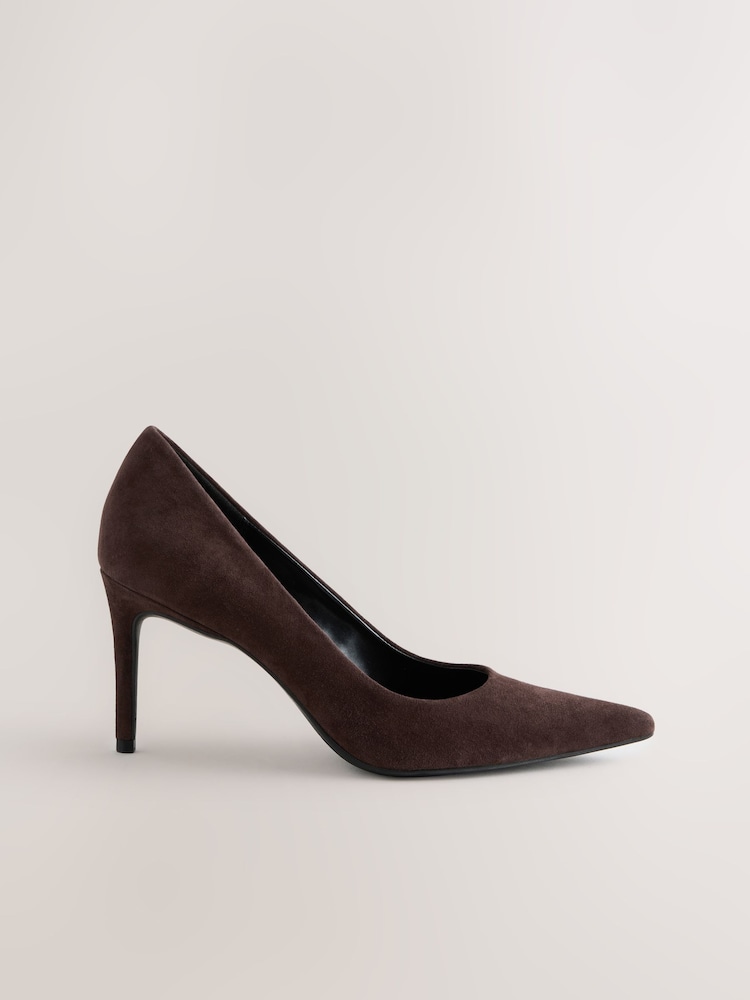
Perhaps the most compelling argument for the versatility of chocolate brown heels is their synergy with denim. The classic combination of blue jeans and black heels can feel expected. Brown, however, creates a more nuanced, fashion-forward contrast. Picture a pair of high-waisted, straight-leg jeans, a simple black turtleneck, and a tailored overcoat. Now, add the brown heels. The look is instantly pulled together, intellectual, and casually elegant—a style hallmark of French je-ne-sais-quoi often dissected on style blogs like Le Catch. The brown acts as a bridge between the cool blue of the denim and the starkness of the black, creating a cohesive, layered look that appears thoughtfully composed without trying. It’s the outfit for the creative professional, the gallery visitor, the person who values comfort but refuses to sacrifice polish.
4. The Monochromatic Mastery: Tonal Dressing for Impact
For a masterclass in sophisticated dressing, engage in tonal layering using varying shades of brown and beige. A cashmere sweater in oatmeal, trousers in taupe, and a coat in caramel create a visually soothing and deeply luxurious palette. Within this spectrum, the chocolate brown heels provide the essential anchor—the darkest point that defines the silhouette and stops the look from appearing washed out. This approach is frequently employed by designers like Giorgio Armani and Bottega Veneta, who build entire collections on the power of tonal variation in neutral earth tones. It is a look that communicates a high level of taste and resource management, focusing on texture and cut over color blocking. The heels are not an accessory; they are the foundational keystone of the entire architectural color story.
5. The Pattern Integrator: Taming and Refining Prints
Stripes, checks, or even animal prints can feel daunting. A neutral shoe is necessary to prevent visual chaos, but black can sometimes deaden a vibrant pattern. Chocolate brown, with its inherent warmth, can integrate with and enhance these patterns. For a boldly striped dress or a checkered skirt-blouse combination, brown heels pick up on the darker, warmer tones within the pattern, creating harmony and cohesion. They provide a “resting place” for the eye, a solid element that allows the print to be the star without overwhelming the viewer. This principle is evident in the work of stylists featured on YouTube channels like Hello Fashion, who consistently use rich neutrals to balance statement pieces. The heels become the conductor, ensuring all elements of the outfit play in the same sartorial orchestra.
Investing in Your Foundation: A Note on Quality and Value
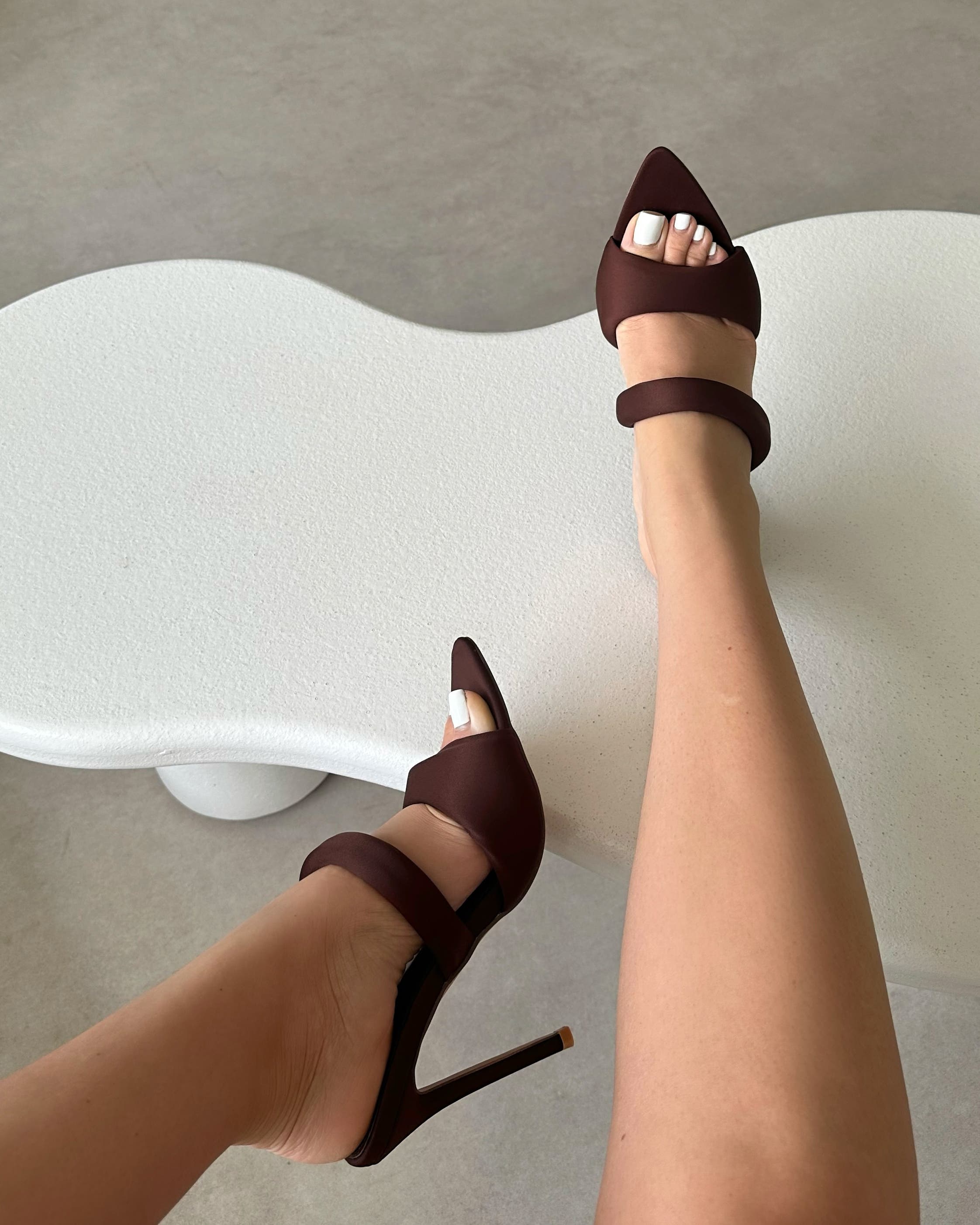
Effortless elegance is a long-term strategy, not a seasonal gamble. This necessitates an investment in quality. A well-constructed heel, with a sturdy heel block, a supportive insole, and leather that molds to the foot, is an investment in your daily comfort and posture. While the initial outlay may be higher, the cost-per-wear over years of service renders it profoundly economical. To bridge the gap between aspiration and acquisition, we are committed to bringing professional knowledge directly to you, paired with accessible value. For a limited time, explore our curated edit of timeless footwear, where iconic styles like the perfect chocolate brown heels are available at specially discounted prices. This is not a mere sale; it is an opportunity to acquire a tool for your style toolkit that will yield dividends in confidence and versatility for seasons to come.
Elegance, therefore, is found not in the extravagant gesture but in the strategic choice. It is the quiet power of a wardrobe that works for you, liberating you from daily sartorial negotiations. It is the confidence that comes from knowing that whatever the day demands, you have a foundation—both literal and figurative—that can meet it with grace. That foundation can very well begin with a single, perfect pair of shoes, grounding you in style that is as enduring as it is effortless.
