The Walking Shoe: Your Ultimate Guide to Comfort and Style
Forget the notion that comfort and style exist in separate worlds. The modern walking shoe has evolved into a sophisticated piece of footwear technology, engineered to cradle your foot through thousands of steps while making a deliberate statement about your approach to life. This isn’t about surrendering to frumpy designs in the name of support; it’s about embracing a category where biomechanical science meets contemporary aesthetics. Whether you’re navigating urban landscapes, exploring nature trails, or simply seeking an all-day companion for your feet, the right pair is a foundational element of well-being. We’re moving beyond basic functionality into an era where your choice in walking footwear reflects an understanding of your body’s mechanics and your personal style narrative.
The Anatomy of Comfort: Deconstructing the Modern Walking Shoe
To appreciate the engineering marvel a great walking shoe represents, we must dissect its core components. The foundation is the midsole, typically crafted from advanced materials like EVA (Ethylene-Vinyl Acetate) foam, polyurethane, or proprietary compounds like Brooks’ DNA LOFT or ASICS’ GEL technology. These materials aren’t just soft; they’re engineered for a balance of cushioning, responsiveness, and durability. The rocker sole, a design where the toe springs upward, is a critical feature often overlooked. It facilitates the natural heel-to-toe rolling motion of the gait cycle, reducing strain on the Achilles tendon and calf muscles. Dr. Casey Kerrigan, a former Harvard Medical School professor and founder of OESH shoes, has published research emphasizing how footwear design directly impacts joint loading. Her work suggests that traditional, overly supportive shoes can sometimes inhibit natural foot motion, making the intelligent design of the sole unit paramount. The upper, meanwhile, has transitioned from heavy leather to engineered meshes and knitted textiles, offering strategic zones of breathability, flexibility, and structure. A well-designed heel counter—the firm cup at the back—locks the heel in place to prevent slippage and provide stability, a non-negotiable element for preventing blisters and ensuring efficient energy transfer with every step.
Biomechanics in Motion: How Your Foot Works With the Shoe
Walking is a complex, controlled fall. With each step, your foot absorbs impact forces that can be 1.2 to 1.5 times your body weight. A shoe that works with your biomechanics, not against them, is essential. The gait cycle consists of the stance phase (foot on ground) and swing phase (foot in air). During the stance phase, the foot needs to pronate—roll inward slightly—to dissipate force. Excessive pronation (overpronation) or insufficient pronation (supination) can lead to a cascade of issues, from plantar fasciitis to knee and hip pain. This is where concepts like arch support and stability features come into play. However, the current scientific discourse, echoed by institutions like the Spaulding National Running Center at Harvard, leans towards “guided freedom” rather than rigid control. The ideal walking shoe provides a stable platform and gentle guidance but allows the foot’s intrinsic muscles to work and strengthen. Think of it as a skilled dance partner, leading with confidence but not forcing the movement. The width of the toe box is another critical, often neglected, factor. As noted by the American Podiatric Medical Association, allowing your toes to splay naturally upon foot strike improves balance, stability, and propulsion. Cramming toes into a narrow space is a recipe for discomfort and deformities like bunions over time.
Style Reimagined: The Aesthetic Evolution of Performance Footwear
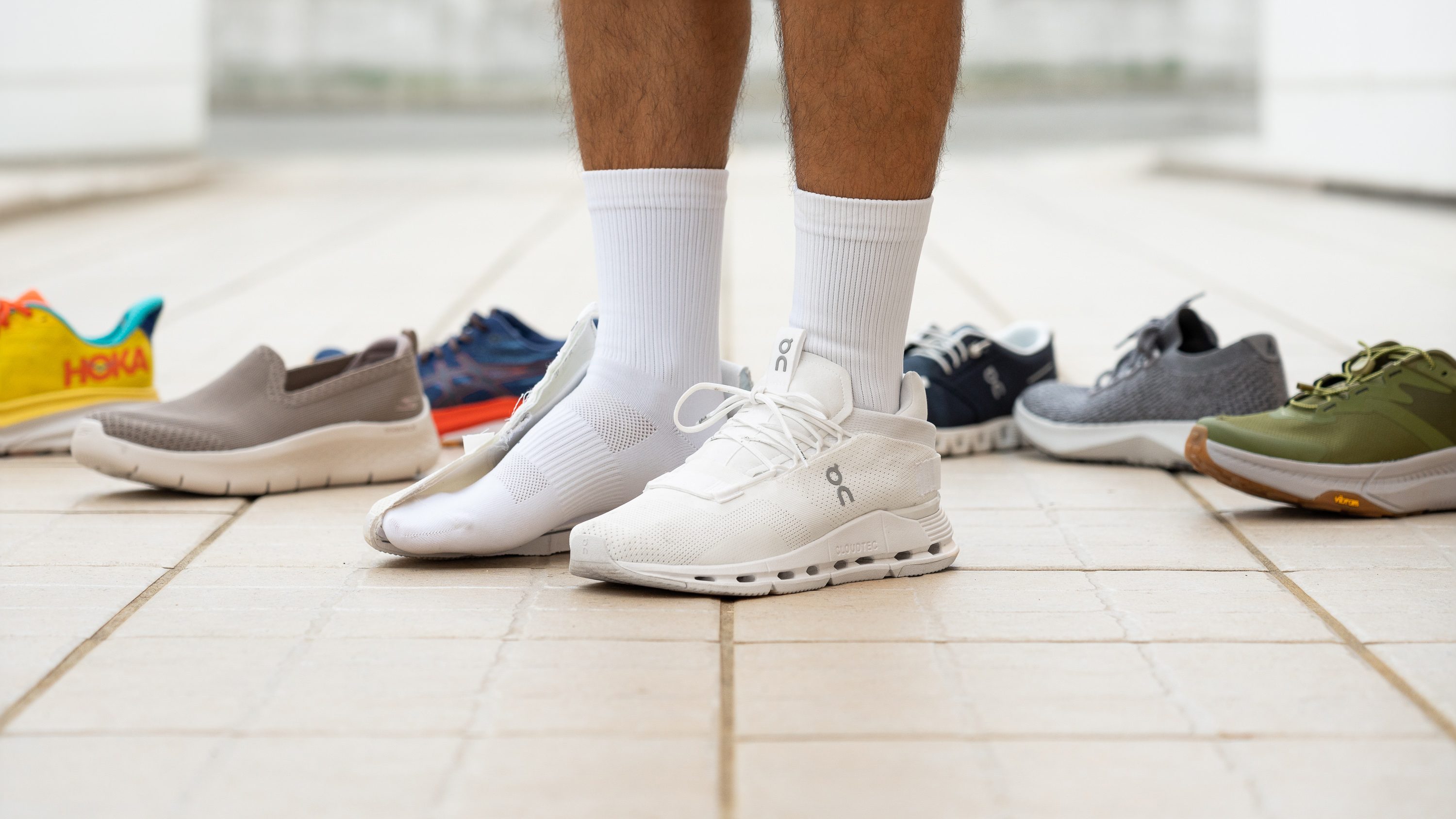
The stigma of the “orthopedic look” is dead. Today’s leading brands have successfully blurred the lines between high-performance wear and high-fashion streetwear. The chunky “dad shoe” trend, popularized by brands like HOKA and Balenciaga, ironically brought maximalist cushioning into the fashion spotlight. This cultural shift proves that visibility and bold design are no longer antithetical to comfort. The color palettes have exploded beyond white and gray into vibrant hues, subtle earth tones, and sophisticated monochromes. Designers are integrating reflective details for safety with a sleek look, using textured fabrics and varied material overlays to create visual interest. The silhouette of a modern walking shoe can be just as important as that of a sneaker or boot. This evolution is driven by consumer demand; as stated in a market analysis by Footwear News, the “performance lifestyle” category is the fastest-growing segment, where buyers refuse to compromise on either utility or appearance. Your choice in a walking shoe can now communicate an active, discerning lifestyle, an appreciation for innovative design, and a commitment to self-care, all without saying a word.
Material World: Innovation in Fabric and Form
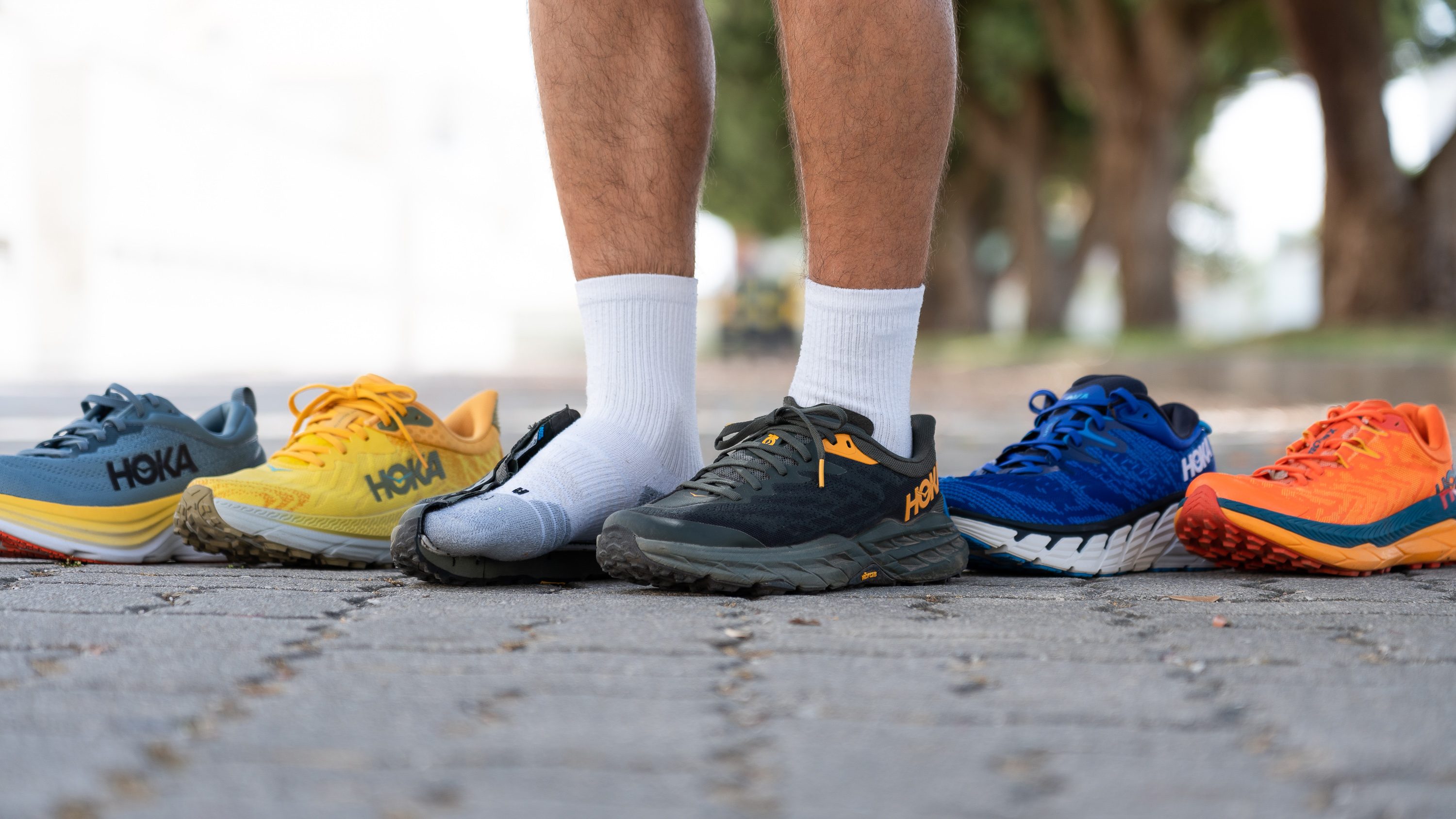
The revolution isn’t just skin deep; it’s woven into the very fabric of the shoes. Knitted uppers, such as those made with Adidas’ Primeknit or Nike’s Flyknit technology, provide a sock-like, adaptive fit that moves seamlessly with the foot. These materials are often made from recycled polyester, aligning performance with sustainability—a key concern for the modern consumer. Waterproof yet breathable membranes like GORE-TEX have become lighter and more flexible, making all-weather readiness a stylish reality. In the realm of cushioning, we see brands like HOKA championing maximalist stack heights with meta-rocker geometries, while others like Altra promote “zero-drop” platforms where the heel and forefoot are the same height to encourage a more natural posture. The debate between maximal and minimal cushioning isn’t about right or wrong; it’s about personal preference and physiological need. As renowned biomechanist and author Katy Bowman often discusses in her work, footwear is part of our “movement diet,” and variety can be beneficial. Having different shoes for different purposes—a highly cushioned pair for long pavement walks, a lighter, more flexible pair for varied terrain—can be a wise strategy for overall foot health.
Selecting Your Perfect Pair: A Framework for Decision-Making
With overwhelming options, a strategic approach is needed. First, conduct a simple “wet test” to understand your arch type: wet your foot, step on a paper bag or dark towel, and observe the imprint. A full imprint suggests a low arch (potential overpronation), a curved imprint with a narrow band connecting heel and forefoot indicates a high arch (potential supination), and a balanced imprint points to a neutral arch. This is your starting point. Second, consider your primary walking environment. Dense urban concrete demands exceptional shock absorption. Trails and uneven paths require outsoles with pronounced lugs for grip and often a rock plate for protection. Third, think about fit. Always shop for shoes in the afternoon when your feet are naturally slightly swollen. There should be about a thumb’s width of space between your longest toe and the end of the shoe. Don’t assume your size; have your feet measured regularly, as they can change over time. The perfect walking shoe should feel secure and supportive from the moment you put it on, without a “break-in” period that promises future comfort—that’s often a myth that leads to blisters and regret.
Investment in Wellness: The Long-Term Value Proposition
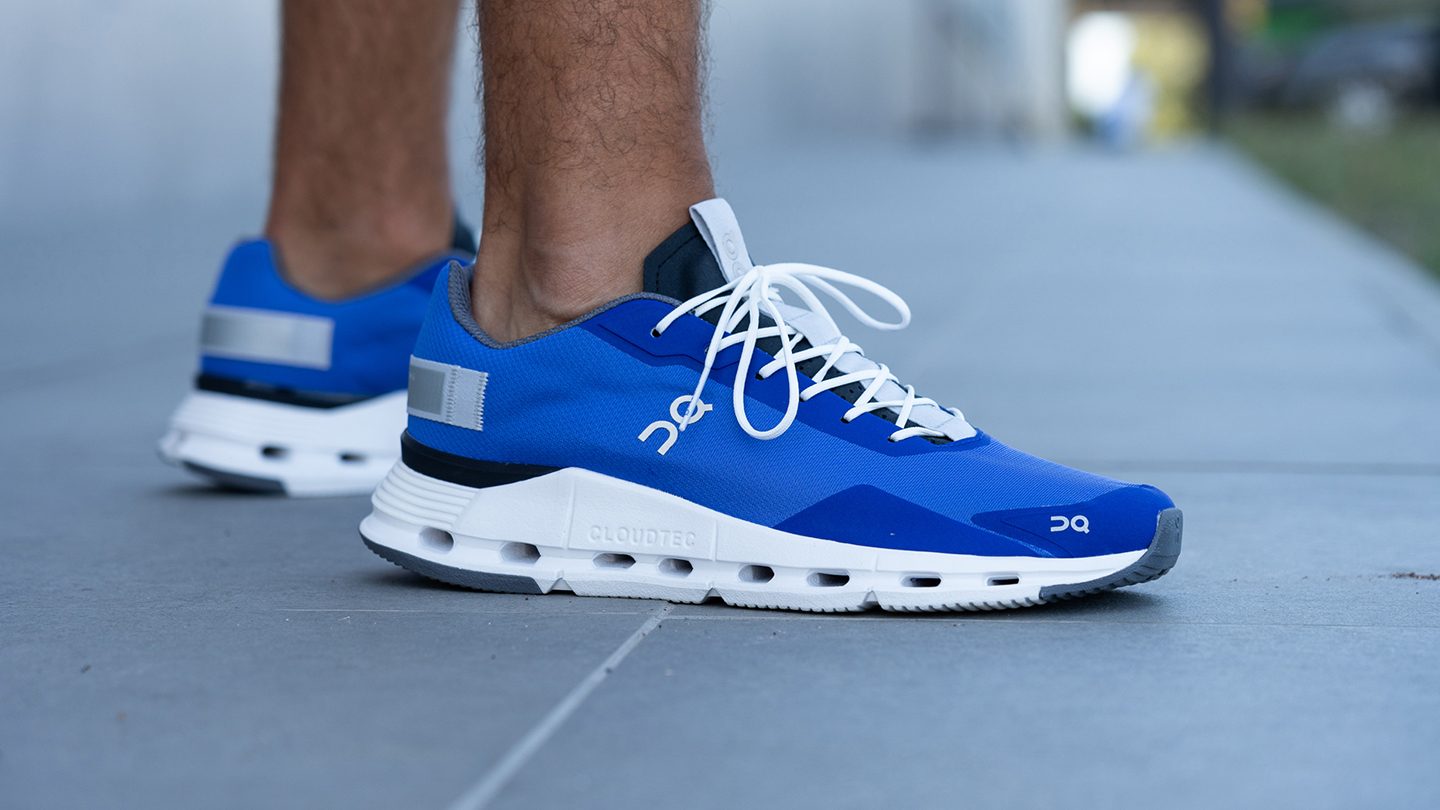
Viewing a premium walking shoe as a mere expense is a short-sighted perspective. It is, in fact, an investment in your long-term musculoskeletal health and daily quality of life. Consider the cost-per-wear: a $150 pair worn for two hours daily over a 500-mile lifespan (the typical recommendation before midsole compression reduces effectiveness) breaks down to a minuscule daily cost for the benefits it provides. Compare this to the potential costs—both financial and in terms of pain—of dealing with issues like plantar fasciitis, stress fractures, or chronic knee pain that can stem from inadequate footwear. Brands often offer technologies backed by significant research and development. For instance, the pressure-mapping studies used by companies like Brooks to refine their cushioning systems represent a deep scientific commitment. As a consumer, you are accessing this R&D. Furthermore, many specialty running and walking stores offer gait analysis, providing personalized recommendations that online algorithms cannot match. This professional fitting service adds immense value to your purchase, turning a transaction into a tailored solution.
The journey to finding your ideal walking shoe is a personal exploration of biomechanics, lifestyle, and taste. It signifies a conscious choice to support your body’s most fundamental movement without sacrificing your expression of self. The market now offers an unprecedented synergy of technology and design, empowering you to step forward in confidence, comfort, and undeniable style. Your feet are your foundation; honor them with footwear that understands its vital role, and every path you take becomes a more enjoyable journey.