

The Walking Shoe: Your Secret to Effortless Style and All-Day Comfort
In the rhythm of modern life, where every step counts, the choice of footwear transcends mere fashion. It becomes a foundational decision impacting our posture, energy, and even our confidence. The quest for a shoe that doesn’t force a compromise—where style doesn’t sacrifice comfort, and durability doesn’t negate elegance—often feels elusive. Yet, the answer lies in a category often overlooked in the glamour of fast fashion: the dedicated walking shoe. This is not about athletic performance shoes designed for the track or the gym, but a sophisticated hybrid engineered for the urban landscape, for the miles we log in our daily commutes, errands, and explorations. The right walking shoe is the unsung hero of a polished, pain-free day, a secret weapon for those who understand that true style is experienced from the ground up, in every effortless step.
The Anatomy of All-Day Comfort: More Than Just Soft Soles
Comfort in footwear is a complex symphony of biomechanics, not merely the presence of a plush insole. A true walking shoe is built on principles of podiatric science and ergonomic design. According to research from institutions like the University of Pittsburgh Medical Center, proper walking shoes address three critical areas: cushioning, stability, and fit. Cushioning, often provided by advanced polymer foams like EVA or polyurethane, absorbs the repetitive impact forces—which can equal 1.5 times your body weight—with each step, protecting joints from the knees to the spine. Stability is engineered through features like a firm heel counter (the back part of the shoe that cups your heel) and often a medial post—a denser section of midsole material on the inner side—to prevent excessive inward rolling of the foot (overpronation), a common cause of fatigue and injury. The fit is paramount; as noted by the American Podiatric Medical Association, a shoe should have about a thumb’s width of space between your longest toe and the end of the shoe to allow for natural foot swelling and movement during the gait cycle. This scientific approach transforms the shoe from a passive covering into an active support system, making the walking shoe a tool for sustained well-being.
From Functional to Fashionable: The Style Evolution
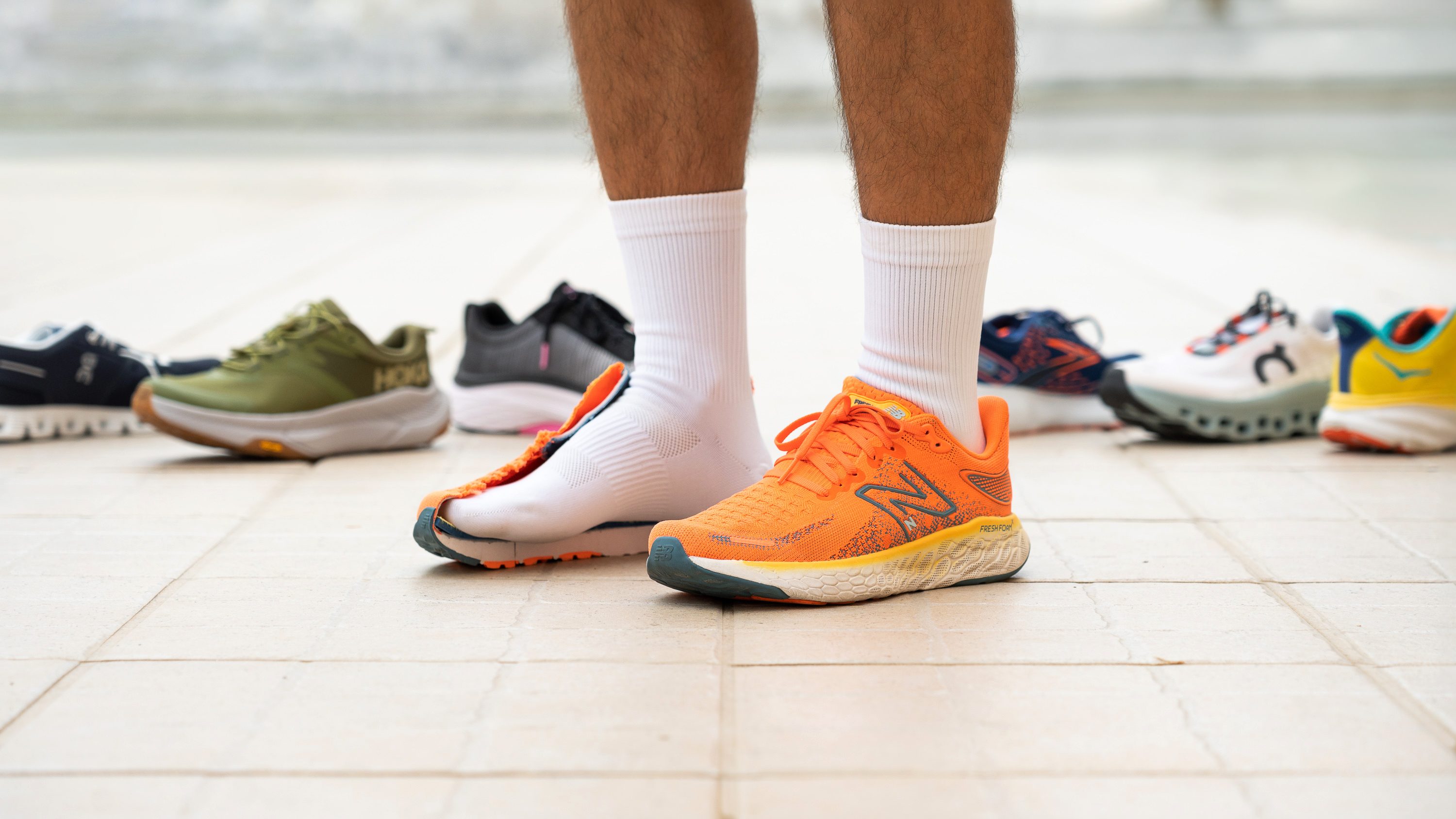
The historical perception of comfortable shoes as clunky or orthopedically bland has been彻底 dismantled. Today’s leading footwear designers and brands have embraced the challenge, merging cutting-edge performance technology with contemporary aesthetics. This evolution mirrors a broader cultural shift, championed by style icons and practical philosophers alike. As the legendary designer Coco Chanel once insightfully remarked, “Luxury must be comfortable, otherwise it is not luxury.” This sentiment has been adopted by modern lifestyle gurus and is evident in the proliferation of sleek sneakers, elegant loafers with arch support, and minimalist trainers that seamlessly transition from a morning walk to a business-casual meeting or a weekend brunch. The design philosophy now prioritizes clean lines, versatile color palettes (think monochromatic neutrals, sophisticated greys, and classic whites), and premium materials like knit uppers, suede, and responsibly sourced leather. The goal is to create a shoe that you don’t see as a “comfort compromise” but as a central, stylish component of your outfit. The modern walking shoe proves that you no longer need to choose between looking polished and feeling invincible; it delivers both in a single, coherent package.
The Investment Perspective: Cost-Per-Mile Versus Initial Price
It is a common temptation to opt for inexpensive, fashion-forward footwear. However, a cost-per-wear analysis reveals the superior value of a quality walking shoe. A cheaply made shoe often lacks the durable rubber compounds in the outsole, the resilient foams in the midsole, and the robust stitching in the upper. It may provide comfort for a few weeks before the support collapses, the seams fray, or the tread wears smooth, leading to discomfort and potentially costly visits to a podiatrist. In contrast, a well-constructed walking shoe, while commanding a higher initial investment, is engineered for longevity. The materials are chosen for their endurance, and the construction techniques are designed to withstand hundreds of miles of use. When you divide the price by the number of days and miles of comfortable, supported wear, the premium walking shoe frequently emerges as the more economical—and certainly the wiser—long-term choice. It is an investment in your daily comfort and long-term musculoskeletal health.
Your Personal Guide to Selection: Aligning Shoe with Stride
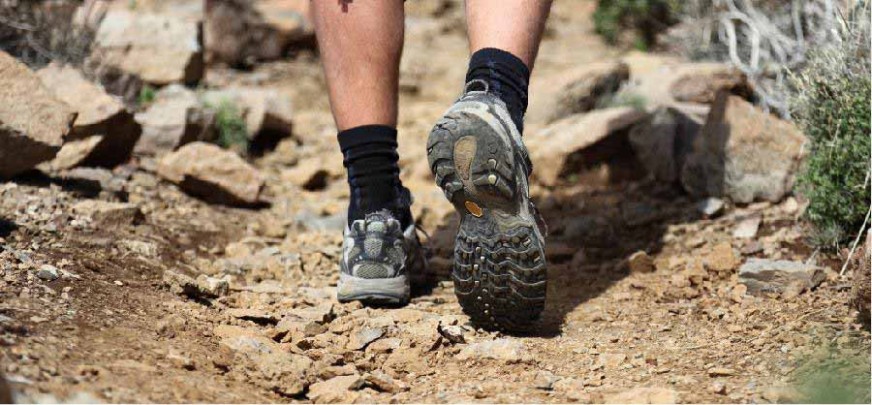
Choosing your ideal walking shoe is a personal journey that begins with self-awareness. The first step is understanding your foot type and gait. A simple “wet test”—observing the shape of your wet footprint on a dry piece of cardboard—can indicate if you have high, normal, or low arches, which correlates with pronation tendencies. Secondly, consider your primary walking environment: hard city pavements demand exceptional shock absorption, while varied trails require more aggressive tread and protective elements. Third, and crucially, always try on shoes in the afternoon or evening, as feet naturally swell throughout the day. Wear the socks you intend to pair them with and take the time to walk around the store, feeling for any points of pinch or slip. The shoe should feel secure and supportive from the moment you put it on, without a “break-in” period that promises future comfort at the expense of present blisters. Remember, the best walking shoe for you is the one that disappears on your foot, allowing you to move through your world with unconscious ease.
The Non-Negotiable: Knowing When to Retire Your Companion
Even the most expertly engineered walking shoe has a finite lifespan. The cushioning materials compress and lose their resiliency long before the exterior shows significant wear. Continuing to use worn-out shoes is one of the most common mistakes, negating all their benefits and potentially leading to stress-related injuries. Most experts, including those cited in resources like Verywell Fit, recommend replacing walking shoes every 300 to 500 miles. For the average person, this translates to roughly every six to nine months of regular use. Key indicators include visible creasing in the midsole, worn-down tread patterns (especially on the heel or ball of the foot), a feeling of decreased support or cushioning, or new, unexplained aches in your feet, shins, or knees. Viewing your walking shoes as a consumable item for your health, much like quality food or supplements, reframes replacement from an expense into a necessary reinvestment in your continued comfort and mobility.
:max_bytes(150000):strip_icc()/when-should-i-replace-my-walking-shoes-3436325-0801-7a1840d83573471092e0380f9e230ecc.jpg)
The pursuit of a shoe that effortlessly blends style and comfort is not a fantasy; it is the explicit purpose of the modern walking shoe. By embracing the science of its construction, the artistry of its design, and the logic of its value, you unlock a simpler, more confident way of moving through your days. It is a choice that honors both your aesthetic sensibility and your physical well-being, proving that the most foundational elements of our wardrobe can also be the most transformative. Let your next step be your most comfortable and stylish yet.
