

The Walking Shoe: Your Secret to Effortless Style and All-Day Comfort
In the rhythm of modern life, where every step counts, the choice of footwear transcends mere utility. It becomes a statement of personal philosophy, a tool for well-being, and a silent partner in our daily journeys. The unassuming walking shoe has evolved from a purely functional item into the cornerstone of a lifestyle that marries uncompromising comfort with considered style. This is not about athletic performance in the traditional sense, but about the performance of daily living—moving through your world with ease, confidence, and a subtle flair that speaks volumes. The right pair doesn’t just carry you; it elevates the very act of moving, turning errands into strolls and commutes into opportunities for mindful movement. Let’s explore how this essential item has become the secret weapon for those who value both how they feel and how they present themselves to the world.
The Anatomy of All-Day Comfort: More Than Just Cushioning
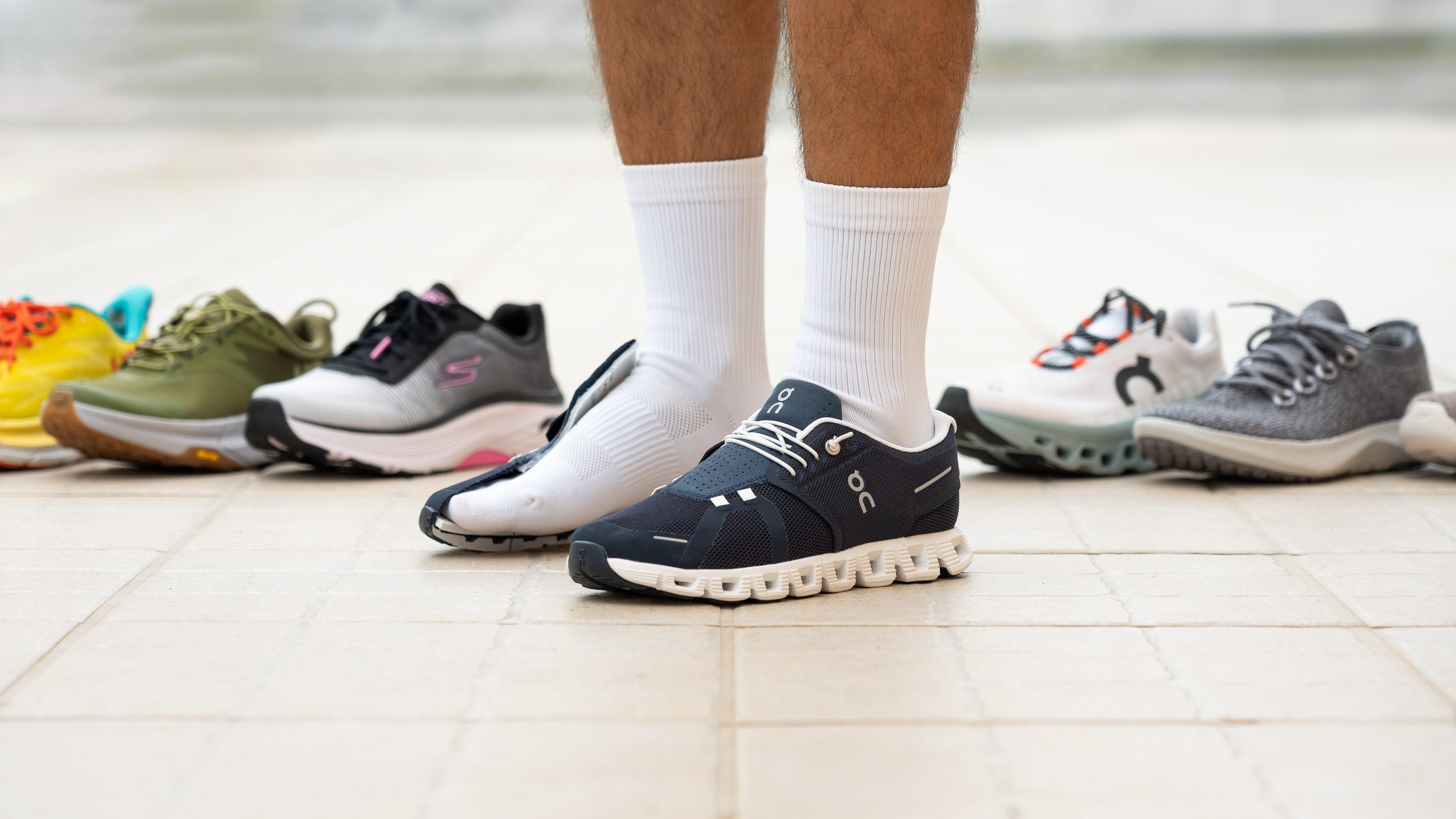
Comfort in a walking shoe is a complex symphony of engineering, not a single note of softness. Scientifically, it begins with biomechanical alignment. According to research from the University of Virginia’s Motion Analysis and Motor Performance Laboratory, the human foot undergoes a complex sequence of pronation (inward roll) and supination (outward roll) during the gait cycle. A well-designed walking shoe provides structured support to guide this motion neutrally, preventing excessive strain on the arches, ankles, and knees. The midsole, often composed of advanced polymers like EVA (ethylene-vinyl acetate) or proprietary foams such as Brooks’ DNA LOFT or ASICS’ GEL, is responsible for shock attenuation. As noted in podiatric literature, these materials don’t just cushion; they dissipate the ground reaction forces that travel up the skeletal system with each step, which can be 1.2 to 1.5 times your body weight. Furthermore, the heel counter—the firm cup at the back—must be rigid enough to stabilize the calcaneus (heel bone), a point emphasized by the American Podiatric Medical Association. The toe box must allow for natural splay and movement, preventing issues like bunions or neuromas. True comfort, therefore, is an objective science of support, impact dispersion, and stability, working in unison to create a foundation that feels invisible because it works in perfect harmony with your body’s mechanics.
Ergonomics and Gait Cycle: The Invisible Science
Delving deeper, the ergonomics of a walking shoe are tailored specifically for the kinematics of walking, which differs fundamentally from running. The gait cycle in walking includes periods of double-limb support, where both feet are on the ground, requiring constant stability. The rocker sole design, a feature highlighted in footwear design textbooks from institutions like the Massachusetts Institute of Technology, is crucial here. It facilitates a smooth heel-to-toe transition, reducing the energy expenditure of the calf muscles and Achilles tendon. This design principle is why a dedicated walking shoe often feels more efficient for all-day wear than a repurposed running shoe. The flexibility is strategically placed at the metatarsophalangeal joints (the ball of the foot), allowing for a natural push-off. As renowned biomechanist Dr. Benno Nigg of the University of Calgary has often stated, the goal of footwear should be to “support the foot’s natural function, not to correct it arbitrarily.” This philosophy is embodied in shoes that offer adaptive fit systems, contoured footbeds that mirror the arch, and outsoles with strategic flex grooves. Understanding this science empowers you to look beyond marketing claims and identify shoes built on principles that respect human physiology.
Effortless Style: Where Form Meets Function Without Apology
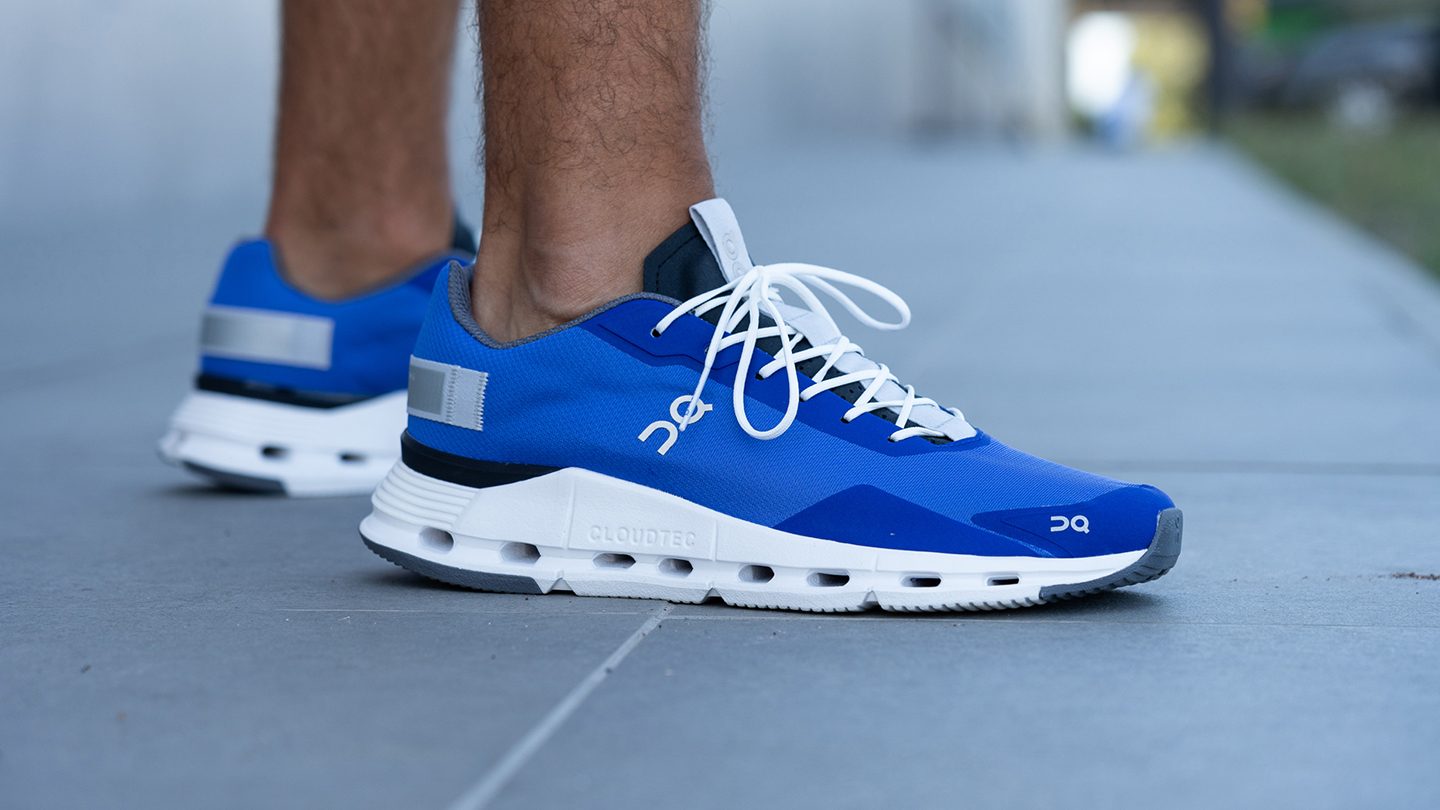
The historical dichotomy between “comfortable shoes” and “stylish shoes” is a false one, a relic of fashion norms that prioritized constraint over well-being. Today, the most compelling style narratives are those of authenticity and intelligence. A sleek, minimalist walking shoe in premium materials like suede, knit, or recycled synthetics communicates a savvy understanding of modern needs. It says you value design but are not a prisoner to it. This aligns with the perspective of figures like designer Telfar Clemens, whose ethos revolves around accessible, functional luxury. The aesthetic shift is evident in the popularity of “athleisure” and technical wear in urban settings, a trend documented by fashion analysis sites like Business of Fashion. The style of a modern walking shoe lies in its clean lines, considered color palettes (from monochromatic neutrals to bold, intentional accents), and the absence of overly aggressive, sporty detailing. It is a shoe that can transition from a morning walk to a casual meeting to an afternoon museum visit without a second thought. This versatility is the epitome of effortlessness. As style icon and actress Diane Keaton once remarked in an interview, “Style is about knowing who you are and what you want to say, without having to speak.” A thoughtfully chosen walking shoe speaks volumes about a pragmatic, confident, and comfort-aware individual.

The Material World: Sustainability and Sensation
Contemporary style is inextricably linked to material intelligence. The modern consumer is increasingly informed, seeking products that align with their values. This has propelled innovation in sustainable materials used in premium walking shoes. Brands are now utilizing recycled polyester from plastic bottles, organic cotton, bio-based foams derived from castor beans, and even pineapple leaf fibers (Piñatex) or mushroom-based leather (Mylo). A report from the Yale School of the Environment underscores how material choices in manufacturing significantly impact carbon footprints. Choosing a shoe made with such materials is a style statement in itself—it reflects an awareness that extends beyond the self. Furthermore, these materials often enhance comfort; engineered knits, for instance, provide a dynamic, sock-like fit that adapts to foot volume changes throughout the day. The sensation of these advanced textiles against the skin, breathable and seamless, contributes directly to the feeling of all-day ease. Thus, the style of a modern walking shoe is not skin-deep; it is woven into the very fabric of its construction, representing a confluence of ethical consideration, technical innovation, and tactile pleasure.
The Long-Term Investment: Beyond the Initial Purchase
Viewing a quality walking shoe as a purchase rather than an investment is a common oversight. The true cost is measured not just in currency, but in musculoskeletal health and long-term value. Podiatrists consistently warn that worn-out shoes are a primary contributor to foot, knee, and back pain. The cushioning and support materials break down long before the outer sole is visibly worn. A guideline from sources like Verywell Fit suggests replacing walking shoes every 300-500 miles, but this varies based on gait, weight, and surface. Investing in a well-constructed pair from reputable brands often means superior durability, meaning you reach that mileage threshold later, and enjoy optimal support throughout the shoe’s lifespan. Furthermore, consider the cost-per-wear. A $150 shoe worn nearly every day for a year breaks down to about $0.41 per day. When framed against the potential cost of physiotherapy for an injury caused by inadequate footwear, the investment rationale becomes starkly clear. It is a proactive measure for preventative health. As financial philosopher Morgan Housel might frame it, it’s an investment in “the compounding interest of well-being,” where small, consistent actions (like wearing supportive shoes) prevent large, negative outcomes down the road.
:max_bytes(150000):strip_icc()/when-should-i-replace-my-walking-shoes-3436325-0801-7a1840d83573471092e0380f9e230ecc.jpg)
Professional Insight Meets Accessible Value
Navigating the market for the perfect walking shoe can be daunting. This is where professional knowledge bridges the gap to genuine value. Authoritative reviews from sites like RunRepeat, which employs scientific wear-testing protocols, or buyer’s guides from Wirecutter, which conduct rigorous comparative analyses, provide objective data to cut through marketing hype. They evaluate factors like long-term durability, specific fit for foot shapes, and performance on various terrains. This professional curation saves you time and the expense of trial-and-error purchases. Furthermore, value is not synonymous with the lowest price. It is the optimal intersection of quality, performance, and cost. Many premium brands offer previous-season models or colorways at significant discounts without compromising the core technology. Subscribing to newsletters from reputable retailers, shopping during seasonal sales, or considering certified refurbished programs from the brands themselves are intelligent strategies to access top-tier engineering at a more accessible price point. The goal is to empower you with the knowledge to make an informed decision, ensuring that every dollar spent contributes directly to your comfort and style, maximizing the return on your investment in your daily mobility and well-being.
The journey to finding your ideal walking shoe is a personal exploration of biomechanics, aesthetics, and values. It is a deliberate choice to no longer sacrifice one aspect for another. By understanding the science of comfort, embracing the modern ethos of functional style, and recognizing the long-term investment in your health, you unlock a new dimension of daily living. The right pair awaits—not as a mere accessory, but as a foundational tool for a life lived in motion, with grace and unwavering ease. Let your next step be your most informed and stylish one yet.
