

There is a specific kind of frustration that comes from buying a pair of shoes that look right in the box and feel wrong by the second block. Leather walking shoes are usually where that story starts, because leather is the most forgiving material in footwear and the least forgiving at the same time. Get the cut and the last right and a pair will mold to your foot over a couple of weeks and then behave for years. Get them wrong and you will feel every seam by lunchtime.
If you have been searching for black leather walking shoes womens styles, you are probably after something more specific than “a comfortable shoe.” You want a pair that can go to an office, survive a commute, hold up in drizzle, and not look like gym equipment. That is a narrow brief, and most shoes fail at least one part of it. This guide walks through what actually separates a good pair from a bad one, from the way the leather is finished to the shape of the shank you never see, plus the fit checks worth doing before you spend anything.
Why Black Leather Outperforms Almost Every Other Walking Shoe Material
Mesh is lighter and canvas is cheaper, but neither ages well. Leather does something the others cannot: it takes the shape of the wearer. Full-grain leather is skin, and skin responds to heat and pressure. The tanning and finishing process is what determines how much of that response survives. After ten or twelve wears, the vamp develops a slight depression where the ball of your foot sits, the heel counter softens around your ankle bone, and the whole shoe stops feeling generic. That molding process is why a broken-in pair of black leather walking shoes often feels better in year two than it did in week one, while a mesh trainer feels tired by month eight.
There is a durability argument too. Leather resists abrasion at the toe box, which is where most walking shoes fail first, and it does not fray at the collar the way fabric linings do. It also holds shape under load, so the shoe does not collapse inward when you push off. For anyone who walks more than three or four miles a day on pavement, that structural stability matters more than an ounce or two of weight savings. The health benefits of regular walking only accumulate if the shoes let you keep going, which is why comfort is not a luxury in this category.
The visual side is not vanity. Black leather reads as footwear rather than athletic gear, which means one pair can cover a wider range of situations. A plain black leather walking shoe with a low profile sole works with tailored trousers, dark denim, and midi skirts, and it does not announce itself the way a chunky performance sneaker does. That versatility is the practical reason so many women end up searching for black leather walking shoes womens styles specifically: they want the comfort of a walking shoe without the visual signature of one.
One caveat worth stating plainly. Leather is not waterproof, and any shoe marketed as such usually has a membrane or a coating that will eventually wear through. What leather does well is resist light rain and dry quickly without losing shape, which covers most city walking. If you routinely walk through standing water, look for a sealed seam or a treated upper, and expect to renew the treatment.
Reading the Leather Before You Read the Price Tag
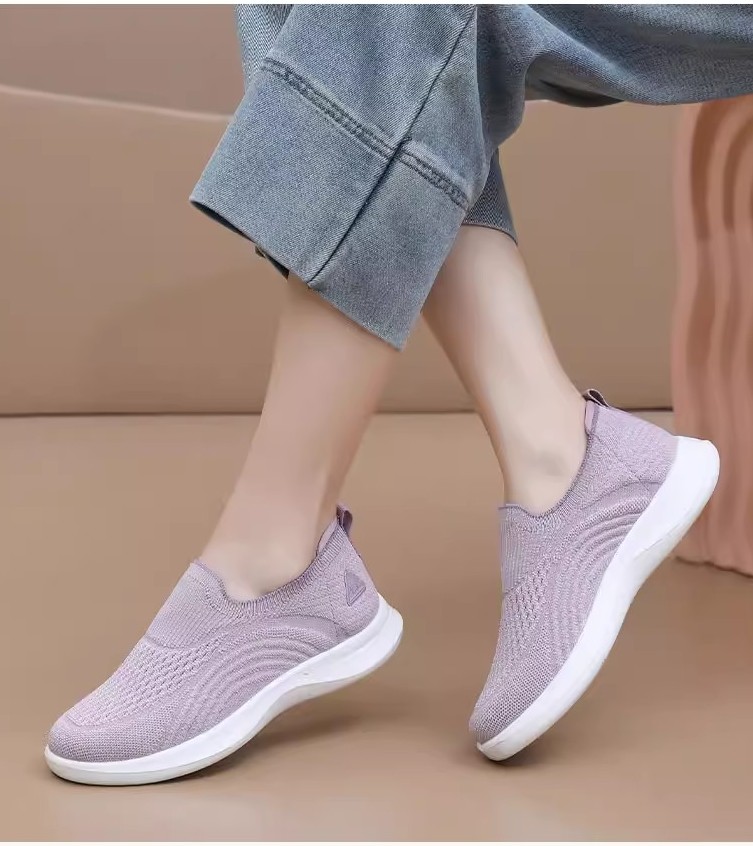
Labels are loose in this category, so it helps to know what you are looking at. Full-grain leather keeps the outer surface intact, including the natural grain and whatever minor marks came with it. It is the most durable option and the one that develops the best patina. Top-grain leather has been sanded lightly to remove imperfections, which makes it more uniform and slightly less breathable. Corrected-grain leather has been sanded heavily and stamped with an artificial pattern; it looks consistent but the surface is a coating, and once that coating cracks the shoe is finished.
Bonded or reconstituted leather is where the marketing gets fuzzy. It is leather fiber mixed with binder and rolled into sheets, sometimes labeled “genuine leather” with no further detail. It can be perfectly serviceable, but it does not mold the way a hide does and it tends to crease sharply rather than softly. If a pair of cheap black leather walking shoes creases like cardboard across the toe after two wears, this is usually why.
Finish matters as much as the grade. Aniline leather is dyed through with no pigment layer, so it looks rich and shows every scuff. Semi-aniline adds a thin protective coat, which is a reasonable compromise for a walking shoe. Pigmented finish sits on top like paint: tough against rain and easy to wipe, but less breathable and prone to visible cracking along flex lines. For daily pavement walking, semi-aniline or a light pigmented finish is the practical choice. High-shine patent is best avoided here, since it flexes badly and shows every crease within a week.
Run a thumb across the surface. Good leather wrinkles in fine, irregular lines and springs back. Coated leather wrinkles in wide, stiff folds and stays that way. Check the cut edges too: a raw, fibrous edge suggests a decent hide, while a plastic-looking sealed edge usually means a split or a synthetic. Neither test is definitive, but together they tell you more than the tag does. And if the description says “vegan leather,” understand that you are buying polyurethane, which has its own merits (light, cheap, easy to clean) but will not mold or last like a hide.
Fit Rules That Matter More in Leather Than in Mesh
Leather does not stretch much, and it stretches unevenly. What it does is conform. That distinction changes how you should size. A mesh shoe with a little pressure at the widest point will loosen within a week; a leather shoe with the same pressure will press on the same spot for months, because the material gives at flex points and almost nowhere else. So fit a leather walking shoe slightly roomier than you would fit a trainer, not slightly snugger.
Measure late in the day, after you have been on your feet. Feet swell by up to half a size over the course of an afternoon, and a pair that fits at 8 a.m. can be unwearable by 6 p.m. Wear the socks you actually plan to use. If you split your time between thin no-shows and medium-weight crew socks, fit for the thicker option, because a loose leather shoe can be tightened with an insole while a tight one cannot be rescued.
Then check four things standing up. First, the ball of your foot should sit at the widest part of the shoe, with the flex point of the sole lining up under the flex point of your foot. Second, you want a thumb’s width, roughly a centimeter, between your longest toe and the front of the shoe; leather toe boxes do not grow. Third, the heel should be locked without pinching, and you should be able to slide a finger behind your heel when standing. Fourth, press on the sides of the toebox: if you can feel your toes touching the edge, the last is too narrow, and no amount of breaking in will fix it.
Width is the most common failure in this category, and it is worth being stubborn about. The American Podiatric Medical Association puts improper fit at the centre of most preventable foot complaints, and leather is the least tolerant material to get wrong. Most brands offer one width, which is really a medium, and many women end up sizing up to get room across the forefoot, then living with a heel that slips. If you know you have a wide forefoot, look for a brand that publishes last width or offers a wide fitting. A pair of black leather walking shoes womens styles that fits properly at the ball and grips at the heel will outlast three pairs bought a size too big.
Sole, Shank, and Heel: The Architecture You Never See
The upper gets all the attention, but the sole decides whether you can walk five miles without paying for it. For pavement, you want a sole that is firm enough to protect the foot from repeated impact and flexible enough to bend at the ball. The classic test still works: hold the shoe at the heel and the toe and fold it. It should crease right where your foot flexes and resist folding in half. A shoe that folds like a paperback has almost no support; one that will not bend at all will fight your stride and tire your calves.
Look at the heel-to-toe drop. Walking shoes usually run 8 to 12 millimeters, which suits a heel-strike gait without forcing an unnatural angle. Lower drops shift load to the calf and Achilles, which some walkers like and others find exhausting — if you are curious about that end of the spectrum, this breakdown of zero drop walking shoes for women covers what changes. There is no universally correct number, but if you are moving from a conventional trainer, going straight to a zero-drop shoe is a recipe for soreness. The same logic applies to stack height: more cushioning is comfortable on concrete but reduces ground feel, and on uneven surfaces that reduced feedback can make balance worse.
The shank is the stiffener between the heel and the ball, and it is the single most underrated component in a walking shoe. A proper shank stops the shoe from hinging in the middle, which is what causes that folding-in-half feeling after a few months of wear. You cannot see it, but you can feel it: hold the shoe by the heel and press down on the midfoot. If it sags, there is no shank worth mentioning. Many inexpensive shoes skip it entirely, which is why they feel fine in the store and terrible by mile three.
Outsole compound matters for grip, especially on wet pavement and polished tile. Rubber with a fine, shallow tread pattern grips better on hard flat surfaces than a deep lugged pattern, which is designed for trails and actually reduces contact area on concrete. A slightly rockered toe helps the foot roll through the last part of the stride, and it is one of the few design features that reliably reduces fatigue over distance. Check the heel edge too: a beveled or slightly rounded heel reduces the jolt at contact, which is the impact your knees notice most.
Breaking Them In Without Wrecking Them, or Your Feet
New leather needs a plan. The mistake most people make is wearing a stiff pair for a full day of errands on day one, then concluding the shoes are bad. Leather softens through repeated short cycles of heat and flex, so the goal is many short wears rather than one long one. Start with an hour at home on carpet, then a half-day of light walking, then a normal day. By the end of the second week the collar and tongue should have softened noticeably. If they have not, the leather is probably heavily coated and will never fully conform.
Skip the old tricks. Soaking leather in water, microwaving it, or blasting it with a hairdryer all damage the material: water breaks down the tanning and encourages mold, heat cracks the finish. If a specific spot rubs, a leather conditioner worked into the inside of that seam will soften it more safely than anything else. A thin heel grip or a felt pad on the tongue can solve localized pressure in a day. For the first few wears, a blister plaster on the heel is cheaper than regret.
Socks matter more than people expect during this phase. Thin cotton socks slide and bunch; a light merino or synthetic blend cushions and wicks. If you plan to wear the shoes barefoot in summer, break them in with socks anyway and only go without once the lining has softened, because the lining is what abrades skin.
Rotate from the start. Leather needs a full day to dry out after a long wear, and wearing the same pair two days running keeps the insole damp, which shortens its life and encourages odor. Two pairs alternated will each last considerably longer than two pairs worn to death in sequence. Store them with cedar inserts or loosely stuffed with newspaper to hold shape, and keep them out of direct sun, which fades black finishes unevenly and dries the leather out. A shoe tree is the single cheapest thing you can buy to keep a pair of black leather walking shoes looking sharp for years.
Weather, Care, and the Two-Product Rule
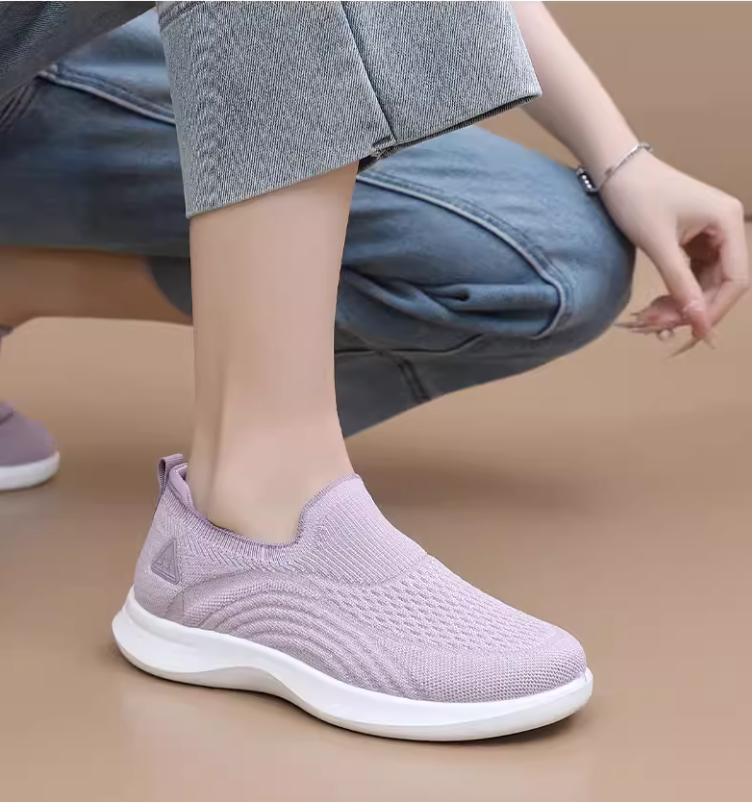
Leather and water are not enemies, but they are not friends either. A light shower will bead off a finished upper and do no harm. Repeated soakings are different: water displaces the oils that keep the hide supple, and once those are gone the leather dries stiff and starts to crack at flex points. The fix is a routine rather than a product. Wipe the shoes with a damp cloth when they get dirty, let them air-dry at room temperature away from radiators, and condition every six to eight weeks in normal use, more often in winter.
Two products cover almost everything: a neutral cream conditioner and a water-repellent spray or wax. Conditioner replaces oils and keeps the leather supple; a repellent buys you time in rain. Apply conditioner sparingly with a cloth, work it in, wait twenty minutes, then buff off the excess. Over-conditioning is a real problem, especially on black leather, where it leaves a dull film and softens the structure until the shoe feels floppy. Once every couple of months is plenty for a walking shoe.
Skip silicone-based polishes on good leather. They seal the surface and block the breathability that makes leather worth wearing, and they build up into a film that is difficult to remove. Saddle soap is fine for occasional deep cleaning but strips oils, so follow it with conditioner. Salt stains from winter pavements need a diluted vinegar wipe and a rinse, not more polish, and they should be dealt with the same day rather than in spring.
Store them dry and shaped. Damp leather left in a closet grows mold along the lining seam, and mold is essentially permanent once it takes hold in a lining. If the shoes do get soaked, stuff them with newspaper, change the paper after an hour, and let them dry slowly. Never put wet leather near a heater or in a tumble dryer. Rotation plus a shoe tree plus a twice-yearly condition is genuinely all the maintenance a pair needs.
Styling Black Leather Walking Shoes Womens Outfits Without Looking Orthopedic
The reason black leather works so hard in a wardrobe is that it sits at the intersection of smart and plain. The risk is drifting toward the wrong side of that line, which usually happens because of proportion rather than the shoe itself. A low-profile leather walking shoe looks intentional with a straight-leg trouser that breaks just above the ankle, and it looks accidental with a wide, pooling hem that swallows the shoe. Show a little ankle or a little sock and the whole outfit reads sharper.
Trouser length is the first adjustment. Aim for a hem that stops at the top of the shoe or just kisses it. If your trousers are long, have them taken up rather than letting them drape. With denim, a slim or straight leg cropped at the ankle is the easiest pairing; overly wide jeans need a chunkier shoe to balance them, which is not what a leather walking shoe is. Skirts and dresses work well if the hem is knee-length or longer and the shoe is plain, since a minimal dark shoe reads as a deliberate choice against a softer fabric.
Keep the rest of the outfit quiet. Black leather walking shoes are a supporting piece, not a statement, and they look best when the outfit has one other point of interest: a good coat, a textured knit, a bag with some structure. Avoid pairing them with athletic socks pulled high or with technical fabrics, which is what pushes the look toward “commuter who forgot to change shoes.” A fine-gauge sock in charcoal or black, or a low-cut sock that disappears, keeps the line clean.
For color, black leather is the most forgiving neutral in footwear. It works with navy, grey, camel, ecru, and the full range of denim. The one combination to think twice about is an all-black outfit with black shoes, which can read flat unless there is texture variation somewhere, and the one to skip is black shoes with a very light summer palette where a lighter shoe would do the job better. If you want a single pair to carry you through autumn and winter in a city, a plain black leather walking shoe in a matte finish is close to the most useful thing you can own.
A Short Checklist Before You Commit to a Pair
Before you buy, run through the things that are hard to fix later. Confirm the leather grade and finish, since a corrected-grain shoe will look worn within months. Check whether there is a removable insole, because that single feature lets you add arch support or accommodate an orthotic later, and it also lets the shoe dry faster. Look at the stitching along the flex line at the toe: tight, even stitching with a slight gap from the edge is a sign of care, while stitching right on the crease will abrade and pop.
Confirm the return policy in writing, and walk in the shoes indoors for an hour before deciding. Almost every brand accepts unworn returns, and “unworn” usually means no scuffs on the outsole, so test on carpet. If the pair is going to be worn for serious distance, buy from a retailer that allows a trial period, since a shoe that feels fine in a showroom can turn on you at mile four.
Finally, be realistic about what one pair can do. If you walk long distances on concrete, a dedicated cushioned walking shoe will always beat a leather one on pure comfort. The case for black leather walking shoes womens styles is versatility plus longevity: a pair you can wear to work, to dinner, and on the walk between, that improves with age instead of degrading. Buy the fit and the construction right, maintain them twice a year, rotate them, and a good pair will still look presentable when the trend cycle has moved on twice.
