

Step Into Comfort and Style with Vionic Walking Shoes
For years, the pursuit of the perfect walking shoe felt like a compromise. You could have cushioning that felt like walking on clouds, but your feet would ache after a few miles due to lack of support. You could find a shoe with impeccable arch support, but it might look clinical, something you’d hesitate to wear beyond a medical setting. This dichotomy between wellness and aesthetics has long plagued the footwear industry. However, a paradigm shift has occurred, led by brands that understand biomechanics need not be boring. At the forefront of this movement is the vionic walking shoe, a fusion of podiatrist-inspired orthotic technology and contemporary design that redefines what it means to walk in comfort and style. This isn’t merely about a product; it’s about an integrated approach to foot health that empowers every step you take, transforming a daily necessity into a source of sustained well-being.

The Foundation: Biomechanics and the Science of Support
To appreciate the innovation behind a vionic walking shoe, one must first understand the biomechanical principles it addresses. The human foot is a complex structure of 26 bones, 33 joints, and over 100 muscles, tendons, and ligaments. According to research from institutions like the Harvard Medical School, improper foot mechanics during walking—such as overpronation (excessive inward rolling) or supination (outward rolling)—can create a chain reaction of stress, leading not only to foot conditions like plantar fasciitis and bunions but also to knee, hip, and lower back pain. Traditional flat-soled or overly soft shoes often exacerbate these issues by failing to guide the foot through its natural gait cycle. Vionic’s core technology, often referred to as their Vio-Motion Support™ or built-in orthotic footbed, is engineered from this scientific understanding. It features a deep heel cup to stabilize the calcaneus (heel bone), a robust arch support to maintain the foot’s medial longitudinal arch, and a forefoot ramp that encourages proper toe-off. This tri-planar motion control is not an arbitrary design; it’s a clinical intervention translated into everyday footwear. As noted by Dr. Andrew Shapiro, a podiatrist frequently cited in foot health discussions, “Proper alignment starts from the ground up. Shoes that offer biomechanical support are not a luxury; they are a fundamental tool for preventive musculoskeletal health.” This objective, scientific foundation is what separates a mere comfortable shoe from a truly therapeutic one.
Beyond the Clinic: The Ergonomic Design Philosophy
Ergonomics, the science of designing products to optimize human well-being and overall system performance, is the second pillar of Vionic’s approach. While biomechanics focuses on movement, ergonomics focuses on interaction and sustained comfort. A shoe can have perfect arch support but still cause blisters or pressure points if its overall design ignores the foot’s topography. Vionic walking shoes integrate ergonomic principles through meticulous attention to detail. The uppers are often constructed from premium, flexible materials that conform to the foot without constriction, accommodating natural swelling that occurs throughout the day. Seam placement is strategically designed to minimize friction—a lesson learned from the history of athletic footwear design where chafing was a common complaint. The toe box is typically engineered with ample room, a feature championed by resources like the American Podiatric Medical Association (APMA), which grants its Seal of Acceptance to products promoting good foot health. This spacious design allows toes to splay naturally upon impact, improving balance and stability, a concept popularized by the “barefoot” or minimalist shoe movement but here achieved without sacrificing essential support. The cushioning systems, whether EVA midsoles or proprietary foam compounds, are calibrated not just for softness but for responsive energy return, reducing fatigue during prolonged standing or walking. In essence, every component of the shoe is a considered response to the physical dialogue between the foot and the ground.

Aesthetic Integration: When Style Meets Substance
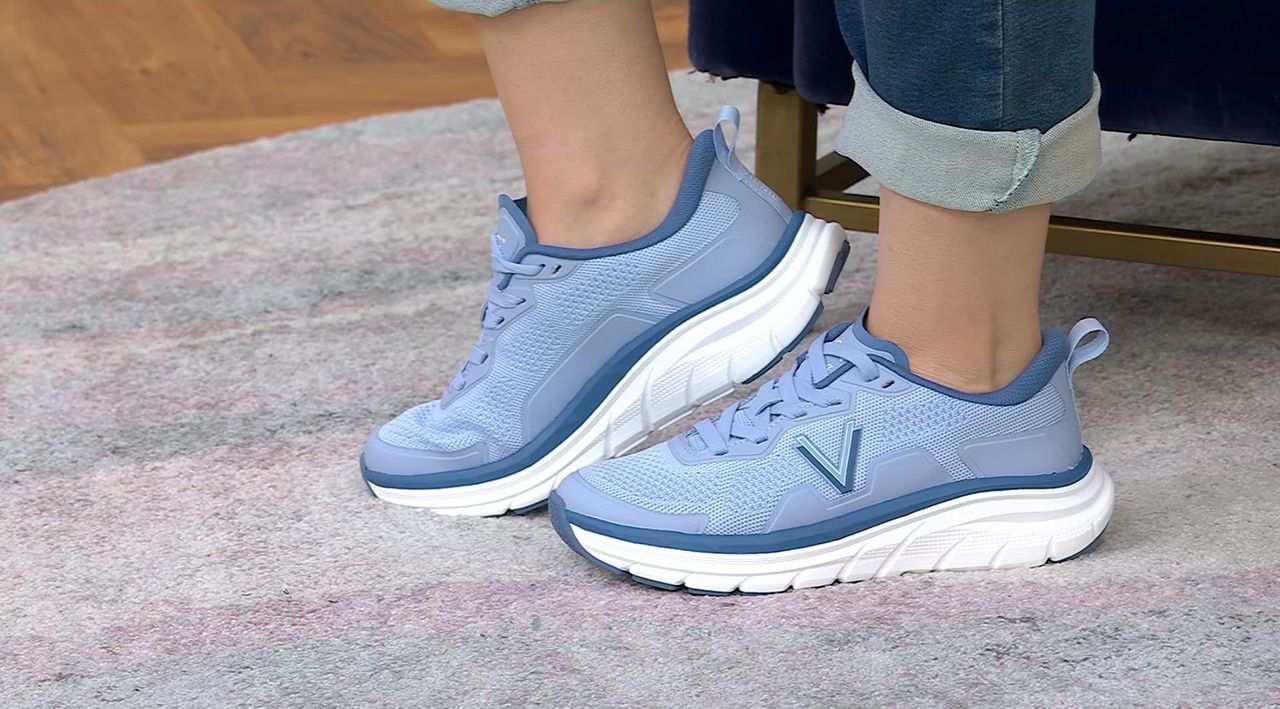
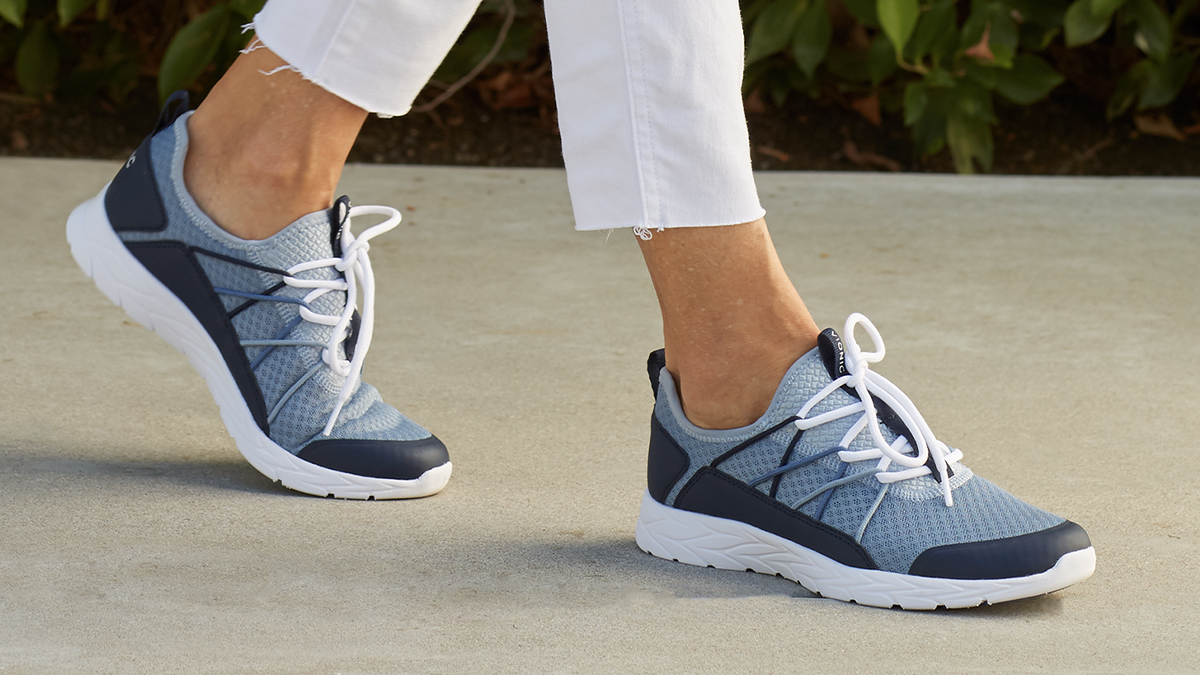
For decades, “orthopedic” or “comfort” shoes were synonymous with bulky, unattractive designs, relegating them to a niche, often older, market. Vionic, alongside a few other pioneers, has fundamentally challenged this stereotype. The brand’s success lies in its recognition that consumers refuse to choose between feeling good and looking good. This is a sentiment echoed across lifestyle platforms from Quora to fashion blogs, where users consistently express a desire for health-conscious products that don’t compromise on style. Vionic’s design team works in tandem with its podiatry consultants, ensuring the essential biomechanical elements are seamlessly woven into silhouettes that are modern, versatile, and fashionable. From sleek sneakers and elegant loafers to supportive sandals and casual slip-ons, the aesthetic range is broad. They employ color palettes, material textures, and design lines that align with contemporary trends. This strategic fusion taps into a broader cultural shift towards “wellness wear” – apparel and accessories that support a healthy, active lifestyle while being socially and professionally presentable. It answers a critical question: Why should footwear that corrects your gait be an eyesore? By making the vionic walking shoe visually appealing, the brand removes the psychological barrier to adoption, making proactive foot health an accessible and desirable part of daily life for a much wider audience.
The Testimonials: Voices from Experience
While scientific principles and design philosophy form a compelling argument, the most persuasive evidence often comes from lived experience. The landscape of user testimonials—from YouTube reviews by everyday wearers to discussions on platforms like Reddit’s r/BuyItForLife or r/PlantarFasciitis—paints a consistent picture. Individuals who have struggled with chronic foot pain, often after trying countless other brands, report significant relief after switching to Vionic. Nurses, teachers, retail workers, and travelers—people who spend long hours on their feet—frequently highlight these shoes as game-changers. Celebrity endorsements, while sometimes viewed skeptically, also carry weight when they speak to genuine need. For instance, actress and wellness advocate Kate Hudson has been photographed and has spoken about her preference for supportive footwear that doesn’t sacrifice style, mentioning brands like Vionic in the context of holistic health. These narratives are powerful because they translate clinical benefits into real-world outcomes: the ability to enjoy a day at a museum without pain, to complete a shift at work with less fatigue, or to simply take a leisurely walk in the park with renewed pleasure. They underscore that the value of a vionic walking shoe is measured not in specifications alone, but in the quality of movement and freedom it restores.
Investment in Wellness: Understanding Value and Accessibility
It is an undeniable fact that quality footwear with embedded orthotic technology often carries a higher price point than mass-market, generic alternatives. This leads to a crucial consideration: is a vionic walking shoe a worthwhile investment? The answer requires a shift in perspective—from viewing shoes as a simple commodity to viewing them as essential equipment for long-term health. Economists often discuss “cost per wear” and preventative investment. A $150 pair of shoes worn daily for two years has a negligible daily cost compared to the potential financial and personal cost of treating chronic foot, knee, or back problems. Physical therapy, custom orthotics, and lost productivity due to pain represent a far steeper long-term expense. Furthermore, Vionic and reputable retailers frequently offer seasonal sales, promotional discounts, and bundle deals, making this technology more accessible. Bringing professional knowledge of these value propositions and discounted prices to users is key. It’s not about pushing a sale; it’s about educating on the economics of prevention. As the ancient philosopher Socrates is often paraphrased, “To no one will we sell, to no one deny or delay, right or justice.” In a modern context, one could argue that access to products that prevent pain and enhance mobility is a form of everyday justice for our bodies. Investing in a shoe engineered for support is, fundamentally, an investment in your future mobility and independence.
The Holistic Step Forward
The journey towards optimal foot health and effortless style is no longer a path of compromise. The evolution of the walking shoe, exemplified by Vionic’s approach, demonstrates that rigorous science and appealing design are not mutually exclusive but are, in fact, complementary forces. By grounding its products in irrefutable biomechanical and ergonomic principles, the brand provides a foundation of trust and efficacy. By wrapping that technology in thoughtfully designed, contemporary aesthetics, it ensures that this foundation is something people are eager to incorporate into their lives. The multitude of positive experiences shared by a diverse range of wearers adds a layer of social proof that resonates deeply. When you choose a shoe built on this philosophy, you are doing more than making a purchase. You are making a conscious decision to support your body’s architecture with every step you take. You are prioritizing long-term well-being over short-term convenience. You are affirming that you deserve to move through your day—whether it’s filled with errands, work, or leisure—in sustained comfort and undeniable style. The right footwear doesn’t just carry you from place to place; it elevates the very experience of movement itself.
