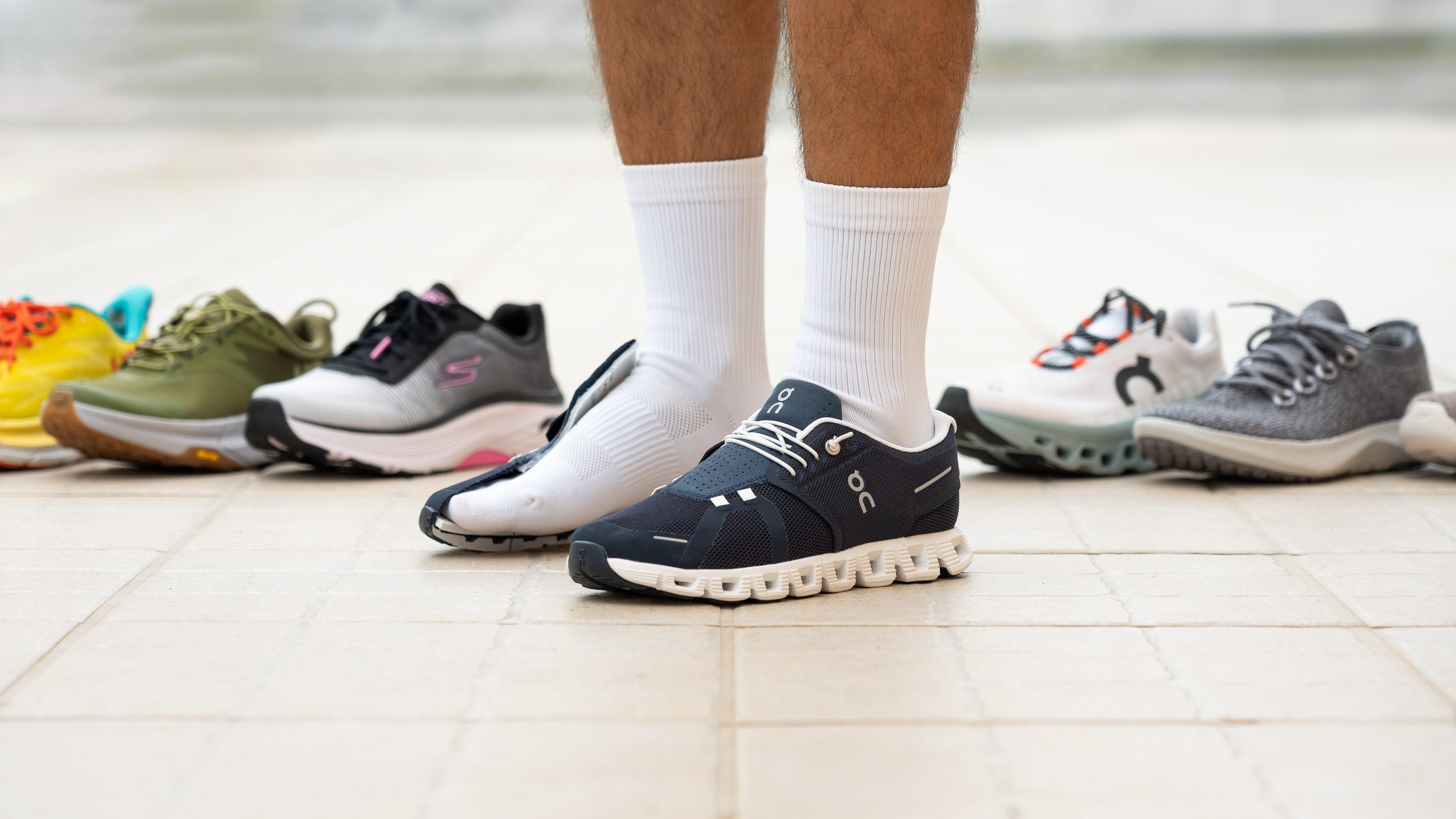
Your Ultimate Guide to Comfort and Style for Every Outfit
Fashion and function are not mutually exclusive. For too long, the pursuit of a stylish silhouette meant sacrificing the foundational comfort of our feet, while prioritizing comfort often relegated us to footwear that felt clinical and detached from our personal aesthetic. This divide is a modern sartorial fallacy. The true pinnacle of dressing well is achieving an effortless synergy where what you wear on your feet supports your body, complements your attire, and propels you through your day with confidence. This guide dismantles that false choice, presenting a framework where the humble walking shoe becomes the versatile cornerstone of a wardrobe that is as kind to your physique as it is compelling to the eye. We will navigate the science of support, the principles of design harmony, and the practical knowledge to select footwear that doesn’t force you to choose between feeling good and looking great.
The Foundation: Deconstructing the Anatomy of the Perfect Walking Shoe
Before we integrate style, we must first establish an objective, scientific understanding of what makes a shoe truly functional for the biomechanical act of walking. The human foot is a complex structure of 26 bones, 33 joints, and over 100 muscles, tendons, and ligaments. A proper walking shoe is engineered to work in concert with this anatomy, not against it. The primary considerations are cushioning, stability, and flexibility. Cushioning, often provided by materials like EVA foam, polyurethane, or proprietary gels (as seen in brands like ASICS), absorbs the shock of heel strike—a force that can be 1.5 times your body weight with each step. This isn’t mere comfort; it’s a preventative measure. As noted by the American Podiatric Medical Association, improper footwear can contribute to a host of issues, from plantar fasciitis to stress fractures. Stability is mediated by the shoe’s last (its shape) and features like a firm heel counter and medial posts, which control excessive inward rolling (pronation) or outward rolling (supination). Flexibility, particularly at the ball of the foot, allows for a natural toe-off. Think of the elegant gait analysis in films like Forrest Gump—his iconic run aside, a healthy walk requires a smooth heel-to-toe transition that flexible footwear facilitates. A well-constructed walking shoe is, therefore, a piece of biomechanical equipment. Its design is less about trend and more about physics and physiology, principles that remain constant whether the shoe is crafted from mesh or leather.
:max_bytes(150000):strip_icc()/vwt-asics-womens-gel-pulse-16-jinfeng-chen-21-712f0f140e834b84b3a8dcf0bf154771.jpeg)
Bridging the Gap: The Principles of Aesthetic Integration
With the functional non-negotiables established, the art lies in integration. The notion that orthopedic or supportive shoes must be unattractive is an outdated stereotype. The key is to apply the same principles of design—color, silhouette, texture, and proportion—that you would to any other garment. Consider the minimalist philosophy championed by figures like Steve Jobs or the aesthetic precision found in Japanese literature such as The Life-Changing Magic of Tidying Up by Marie Kondo. It’s about intentionality. A sleek, monochromatic walking shoe in black, grey, or navy can possess a minimalist, architectural quality that pairs seamlessly with tailored trousers, a midi skirt, or dark denim. The clean lines echo the simplicity of a well-cut blazer. Alternatively, a classic white leather walking sneaker channels a timeless, crisp aesthetic reminiscent of the perennial popularity of the Adidas Stan Smith, a shoe celebrated on platforms from GQ to Vogue for its versatile style. Texture plays a crucial role; suede accents, woven panels, or matte finishes can elevate a shoe from sporty to sophisticated. The goal is to view the shoe not as an isolated item, but as an integral component of your outfit’s silhouette and color story. When your footwear is inherently comfortable, the style you build upon it is effortless and authentic, free from the distracted discomfort that plagues an ill-chosen pair.
The Style Archetypes: Curating Your Footwear Portfolio
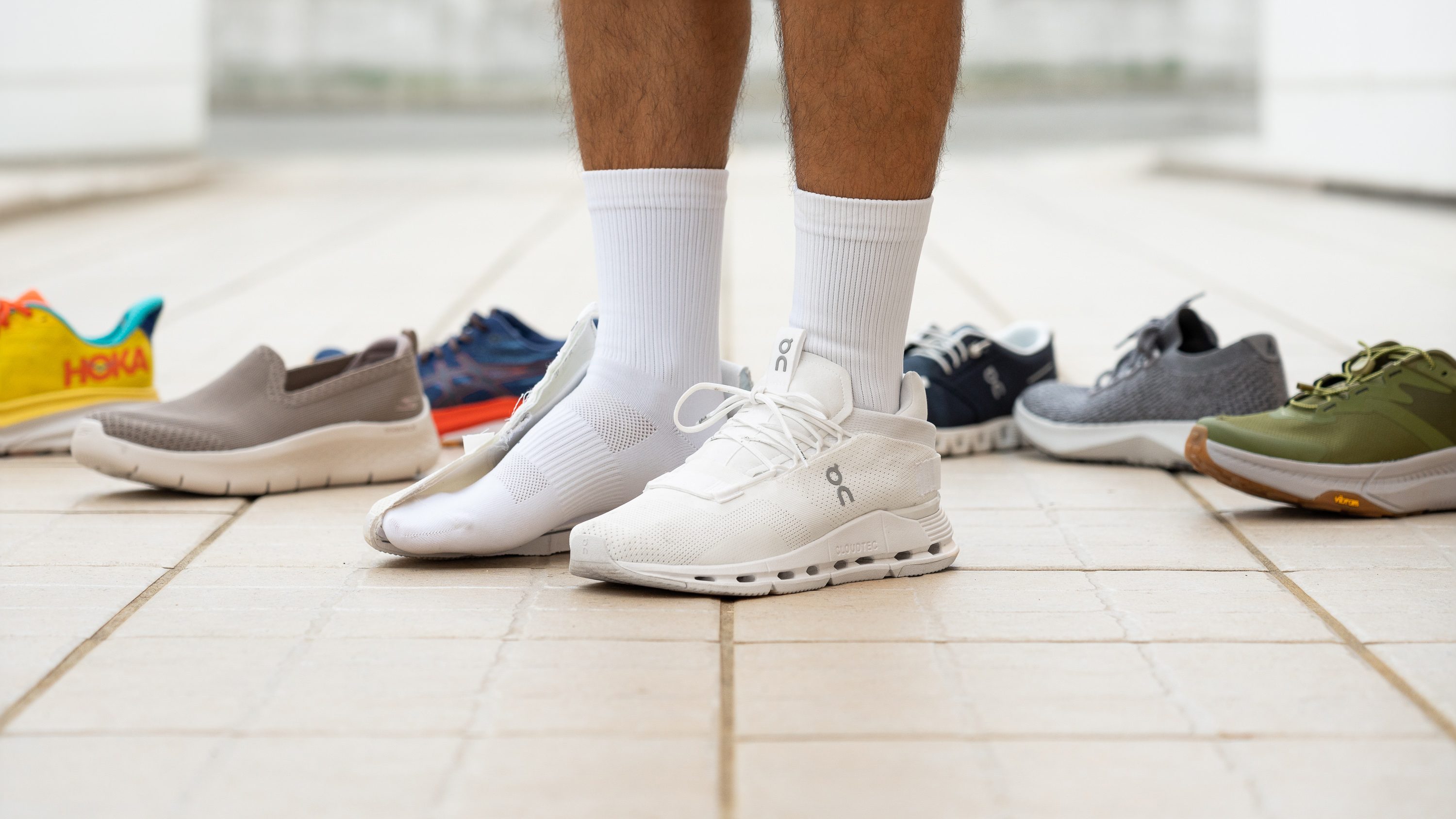
Building a versatile wardrobe means having the right tool for the right occasion. Your collection of comfortable, stylish shoes should reflect the various roles you play in a week. Let’s categorize them into distinct archetypes. First, The Urban Explorer: This is your daily workhorse. It might be a contemporary walking sneaker from brands like HOKA or Brooks, known for maximal cushioning. Its style is neutral, its construction durable, and it’s designed for miles on city pavement. It pairs with everything from jeans and a sweater to a casual dress. Second, The Business Casual Reformer: For environments that lean smarter, opt for a leather or high-quality synthetic walking shoe that mimics the profile of a classic derby or loafer but contains hidden cushioning and arch support. Brands like Ecco and Cole Haan have mastered this fusion. As fashion influencer Chriselle Lim once noted on her YouTube channel, “Comfort is the new luxury in fashion; you can see it in the rise of elegant, flat shoes on the runway.” Third, The Weekend Warrior: A lighter, perhaps more colorfully expressive shoe for errands, casual gatherings, or light trails. Think of the vibrant, confident styles often showcased on sites like Who What Wear. This is where you can have fun with color blocking or unique materials without compromising on the supportive sole. Cultivating these archetypes ensures you are prepared, stylish, and comfortable for every segment of your life.
Investment and Intelligence: Navigating the Market with Expertise
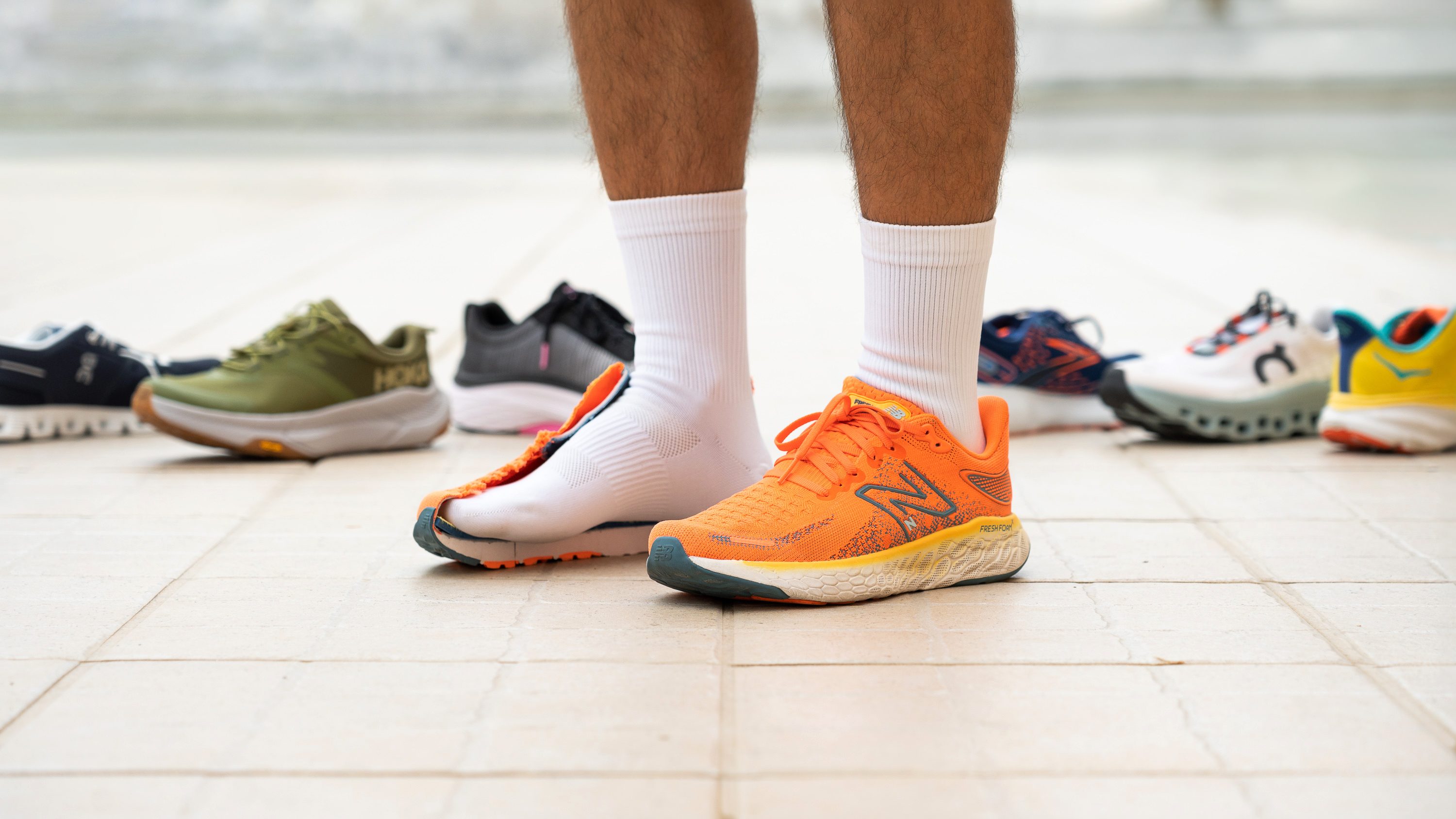
Knowledge is power, and in the world of footwear, it’s also savings. Understanding value is paramount. A high-quality walking shoe is an investment in your long-term musculoskeletal health, but that doesn’t mean paying full retail is necessary. First, recognize the signs of quality: seamless linings to prevent blisters, durable outsoles with a tread pattern for grip, and replaceable insoles. Research from materials science departments at institutions like MIT often trickles down into consumer footwear, with new polymers offering lighter weight and greater resilience. Once you’ve identified your ideal model, employ strategic purchasing. Sign up for brand newsletters for exclusive discounts. Shop during traditional sale cycles—end-of-season, Black Friday, and post-holiday sales. Consider previous seasons’ colorways, which are often discounted significantly despite identical construction. Outlet stores and certified online retailers can offer genuine products at a fraction of the cost. Remember the adage often attributed to business magnate Warren Buffett: “Price is what you pay. Value is what you get.” The value here is a product that offers daily comfort, preserves your health, and integrates flawlessly into your style—a return on investment that far exceeds the initial outlay, especially when acquired wisely.
The Synthesis: Walking Confidently Into Your Day
The journey to a wardrobe that perfectly marries comfort and style begins from the ground up. It requires dismissing the antiquated notion that these concepts are at odds. By selecting footwear rooted in biomechanical science and designing your outfits with intentionality around these supportive pillars, you create a personal style that is sustainable, confident, and authentically you. Your shoes become the reliable foundation from which your entire aesthetic flourishes, allowing you to move through the world not just looking put-together, but feeling fundamentally supported. Let your next step be your most comfortable and stylish one yet.