

The Ultimate Guide to Tennis Shoes for Everyday Walking
For years, the classic sneaker designed for the court has been making a quiet but definitive crossover into the realm of daily pedestrian life. The notion of using tennis shoes for walking is no longer a mere happenstance but a considered choice for millions seeking comfort, support, and style in their everyday footwear. This guide isn’t about repurposing in a pinch; it’s about understanding why the structural philosophy of a tennis shoe aligns so perfectly with the biomechanics of walking, and how you can leverage this knowledge to make an informed decision that benefits your feet, your posture, and your daily routine. We will dissect the anatomy, explore the science, and hear from experts to build a compelling case for why your next pair of daily walkers might just be found in the tennis aisle.
The Anatomical Synergy: Why Tennis Shoes and Walking Work
To comprehend the suitability of tennis shoes for walking, one must first look beneath the surface. A tennis shoe is engineered for a specific, demanding sport characterized by multi-directional lunges, sudden stops, and rapid pivots. This necessitates a design focused on lateral stability, midfoot support, and durable toe-drag protection. Dr. Casey Kerrigan, a renowned biomechanist and former professor at Harvard Medical School, has extensively researched gait and footwear. In various publications, she emphasizes that excessive cushioning can sometimes destabilize gait. The structured support in tennis shoes, particularly through a firm heel counter and a supportive midsole, can promote a more natural and stable walking motion by preventing excessive foot roll. This is corroborated by resources like the American Podiatric Medical Association (APMA), which grants its Seal of Acceptance to footwear that promotes good foot health, a seal held by several tennis shoe models. The outsole of a tennis shoe, often made of durable, non-marking rubber with a herringbone or modified pattern, provides excellent traction on paved surfaces—a primary requirement for safe walking. Therefore, the very features that protect a tennis player’s feet from ankle rolls—the reinforced upper, the secure fit, the balanced cushioning—translate directly into a protective environment for the walker, mitigating the repetitive stress of thousands of steps on hard urban ground.
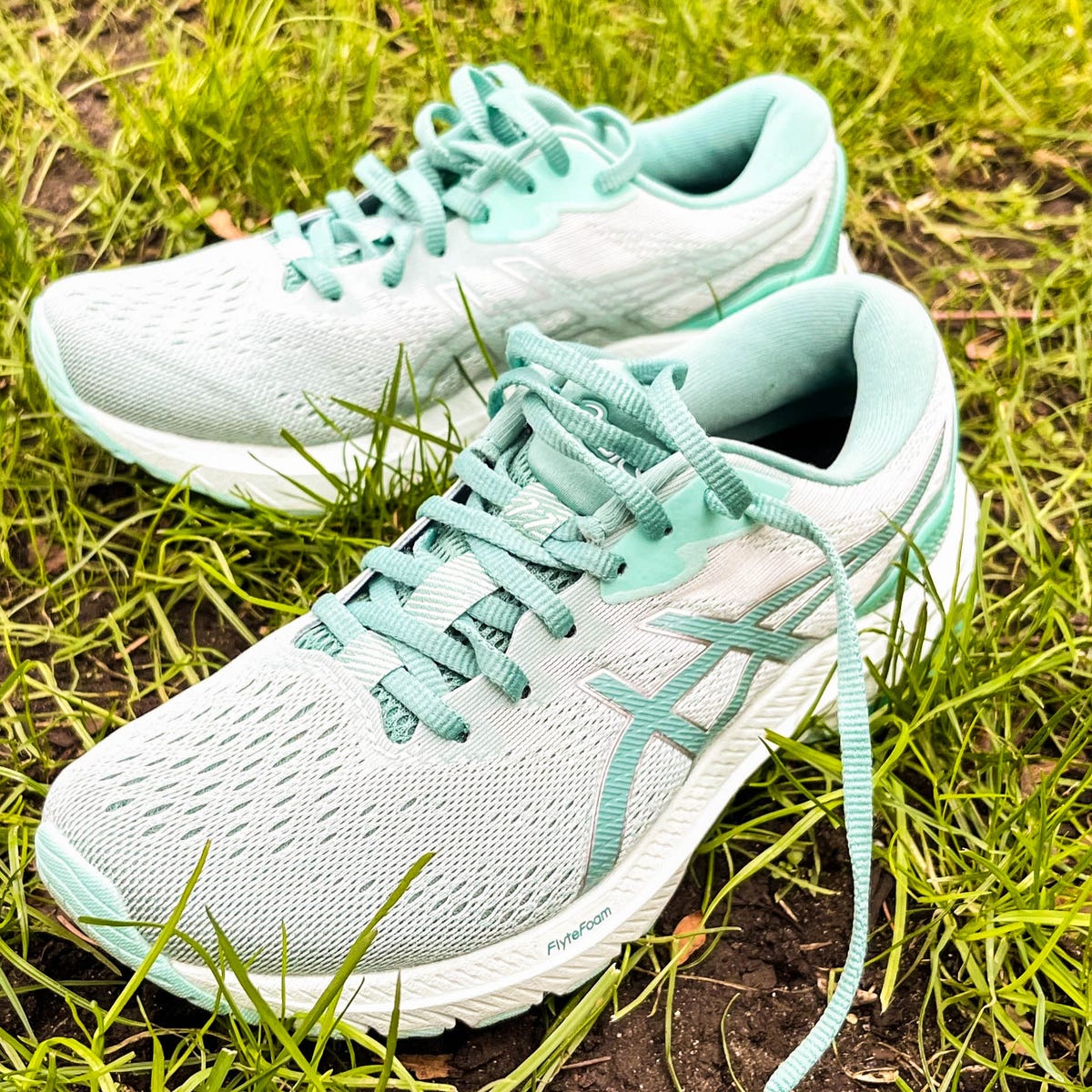
Debunking the Cushioning Myth: Support Over Sink
A common misconception in the walking shoe market is that more cushioning equates to more comfort. However, from a biomechanical perspective, this isn’t always the case. Many dedicated walking shoes and maximalist running shoes prioritize plush, sinking sensations that can actually dampen proprioception—your body’s awareness of its position and movement. In contrast, a well-designed tennis shoe offers responsive cushioning. It absorbs impact without collapsing, providing a stable platform from which to push off for the next stride. This concept finds resonance in the minimalist shoe movement, albeit in a more accessible and supported package. As noted on platforms like Quora and in discussions among physiotherapists, excessive softness can lead to instability, causing subtle compensations in the ankles, knees, and hips over time. A tennis shoe’s midsole, often featuring technologies like Adidas’s Boost, Nike’s React, or ASICS’s Gel, is tuned for energy return and durability, not just softness. This means the shoe works with your foot’s natural mechanics during the heel-strike-to-toe-off cycle of walking, rather than creating a mushy, unstable environment. When you choose a pair of tennis shoes for walking, you are opting for dynamic support that manages impact while maintaining control, a crucial factor for long-term joint health during daily ambulation.
Key Features to Hunt For in Your Walking Tennis Shoes
Not all tennis shoes are created equal, and their design can vary based on the player’s style (e.g., clay court vs. hard court). For walking, we must be selective. Focus on these critical elements: First, the Heel Counter. This is the rigid cup at the back of the shoe that cradles your heel. It should be firm and well-padded to prevent slippage and control heel motion, a principle underscored by footwear studies from institutions like the University of Calgary’s Human Performance Lab. Second, the Midsole Support. Look for shoes that offer arch support or have a removable insole so you can insert your own orthotic if needed. The arch is the shock absorber of your foot, and supporting it is paramount. Third, Flexibility at the Forefoot. While the shoe should be stable in the midfoot, it must bend easily at the ball of the foot—where your foot naturally flexes when walking. A shoe that’s too stiff here can cause fatigue and alter your gait. Fourth, Breathable Upper Material. Leather or synthetic leather uppers offer durability and structure, but modern mesh designs provide superior breathability for all-day comfort, a feature often highlighted in reviews on sites like Verywell Fit and CNET. Finally, consider the Outsole Pattern. A flat, slightly textured rubber sole is ideal for pavement, offering grip without the deep lugs of a trail shoe that can wear down quickly on concrete.

The Durability Dividend: An Economic and Environmental Argument
From a practical standpoint, tennis shoes are built to withstand the abrasive wear of hard courts. The toe guards, robust rubber outsoles, and reinforced stitching are all testaments to durability. When you deploy such a shoe for walking, you are effectively subjecting it to a less abrasive environment. This translates to a longer functional lifespan for the shoe compared to many lightweight walking or running shoes designed with thinner materials for speed. This durability is not just an economic benefit—saving you money over time by reducing replacement frequency—but also an environmental one, aligning with sustainable consumption principles. As author and environmental activist Annie Leonard discussed in her book and film The Story of Stuff, extending the life of our products is a direct form of waste reduction. By choosing a durable, multi-role product like a high-quality pair of tennis shoes for walking, you are making a conscious choice for value and sustainability. Furthermore, the classic designs of many tennis shoes, from the Adidas Stan Smith to the Nike Court Vision, possess a timeless aesthetic that remains stylish beyond fleeting fashion trends, ensuring you get maximum wear both physically and visually.
Expert Voices and Cultural Testaments
The crossover of tennis shoes into mainstream fashion and daily wear is a well-documented cultural phenomenon. From the hip-hop era’s embrace of the Adidas Superstar to the perennial popularity of the Converse Chuck Taylor (originally a basketball shoe, but sharing similar crossover appeal), athletic shoes have long transcended their sport. This cultural acceptance paves the way for their functional adoption. On platforms like YouTube, certified podiatrists and physical therapists, such as Dr. Emily Splichal or the “Foot Doctor” channel, often analyze everyday footwear. In several videos, they point out the benefits of stable, supportive sneakers for daily wear, noting that many modern athletic shoes, including tennis models, offer a better foundation than flimsy fashion sneakers or unsupportive flats. Similarly, on Twitter, fitness influencers and ergonomics experts frequently tout the importance of proper footwear for city dwellers who walk miles daily. The viewpoint isn’t that tennis shoes are the only option, but that they represent a category often overlooked despite being scientifically and structurally qualified. As one Quora contributor with a background in kinesiology put it, “The lateral support in a court shoe can be a godsend for those with overpronation who spend all day on their feet, a feature sometimes lacking in straight-line motion running shoes.”
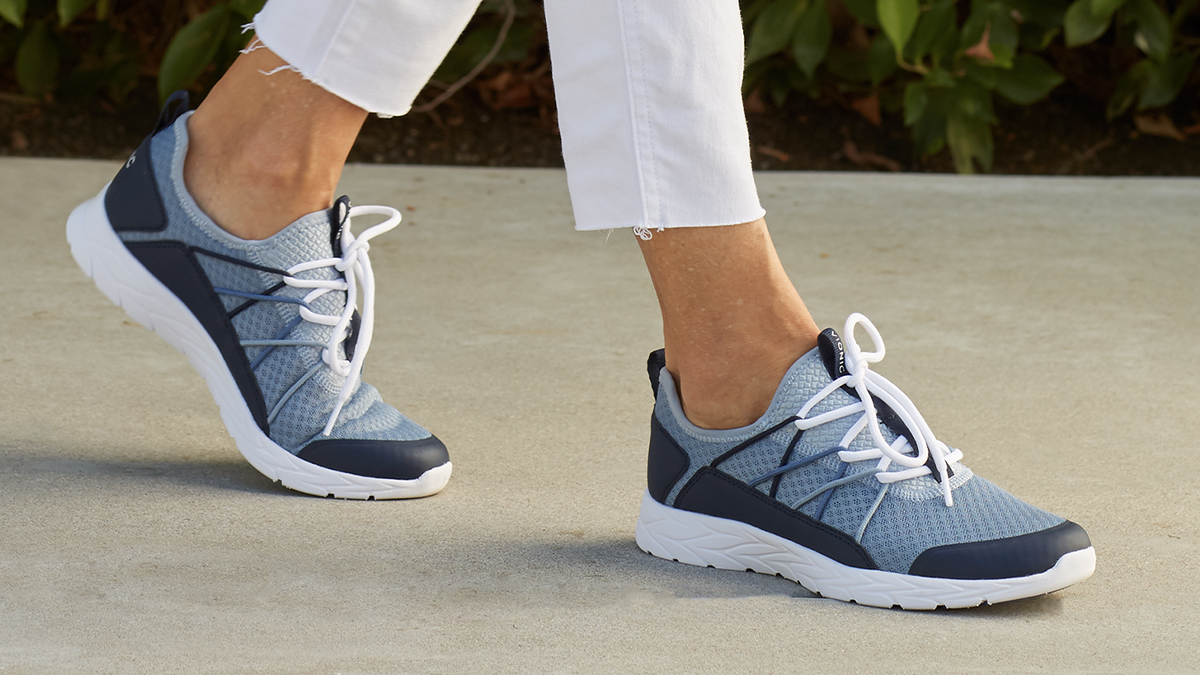
Making the Smart Choice: Where Value Meets Performance
Armed with this knowledge, your shopping journey becomes strategic. You are no longer just buying a sneaker; you are selecting a tool for daily mobility. Brands like ASICS (with their Gel-Resolution or Solution Speed lines), New Balance (the 996 or 1006 series), and K-Swiss offer outstanding models that blend court-ready technology with all-day comfort. The key is to try them on in the afternoon when your feet are slightly swollen, wear the socks you intend to walk in, and take a thorough test walk. Feel for that secure heel lock, the arch support, and the flex point. Remember, the best shoe is the one that disappears on your foot because it works in perfect harmony with your movement. And here’s where professional knowledge brings tangible value: while premium models retail between $120 and $160, previous-season models or colorways can often be found at significant discounts—30% to 50% off—on retailer websites and outlet stores without compromising the core technology. Investing in a slightly older model of a high-performance tennis shoes for walking is a brilliant way to access top-tier engineering at an accessible price point, making expert-level foot health and comfort available to all.
:max_bytes(150000):strip_icc()/Web_1500-vwt-primary-best-overall-shoe-tstaples-118-671f4e0048e64d14a1c42e4f8d9e6658.jpg)
The journey through the world of footwear reveals that sometimes the best tool for a job isn’t the one most loudly marketed for it. The structural integrity, supportive design, and durable construction of a tennis shoe create an unexpectedly perfect foundation for the daily walker. By prioritizing scientific principles of biomechanics—lateral stability, responsive cushioning, and secure fit—over marketing claims of ultra-softness, you empower yourself to make a choice that supports your body’s long-term well-being. Embrace the durability, appreciate the timeless style, and seek out the value in discounted performance models. Your feet, tasked with carrying you through life, deserve the thoughtful engineering and proven support that the right pair of tennis shoes for walking can reliably provide.
