

Your Ultimate Guide to Comfort and Style in Every Step
Forget the notion that you must sacrifice aesthetics for support or vice versa. The journey to finding the perfect pair is about harmonizing biomechanical science with personal expression. It’s about recognizing that your foundation influences everything from your posture to your mood. This guide is dedicated to unraveling that synergy, providing you with the knowledge to choose footwear that doesn’t just carry you, but propels you forward with confidence. We’ll dissect the anatomy of the ideal walking shoe, explore the critical technologies, and translate professional insights into actionable advice—often accompanied by surprisingly accessible price points.
The Foundation: Why Your Choice of Walking Shoe Matters More Than You Think
Every day, you undertake a feat of engineering. The human foot, a complex structure of 26 bones, 33 joints, and over 100 muscles, tendons, and ligaments, absorbs and redistributes forces that can exceed your body weight with each step. The right walking shoe acts as a collaborative partner in this system. According to research from the University of Virginia’s Motion Analysis and Motor Performance Laboratory, improper footwear can lead to a cascade of compensatory movements, straining not just the feet but the knees, hips, and lower back. Conversely, a well-designed shoe promotes natural gait efficiency. Think of it not as a passive covering, but as an active interface between you and the ground. The celebrated author and walker Rebecca Solnit, in her book “Wanderlust: A History of Walking,” poetically frames walking as “how the body measures itself against the earth.” Your shoes are the crucial instrument of that measurement. They can make the difference between a walk that depletes and one that invigorates, between a chore and a cherished ritual. Therefore, selecting a shoe is a decision with profound implications for your physical well-being and the sheer joy of movement.
Decoding the Anatomy: Key Components of a Superior Walking Shoe
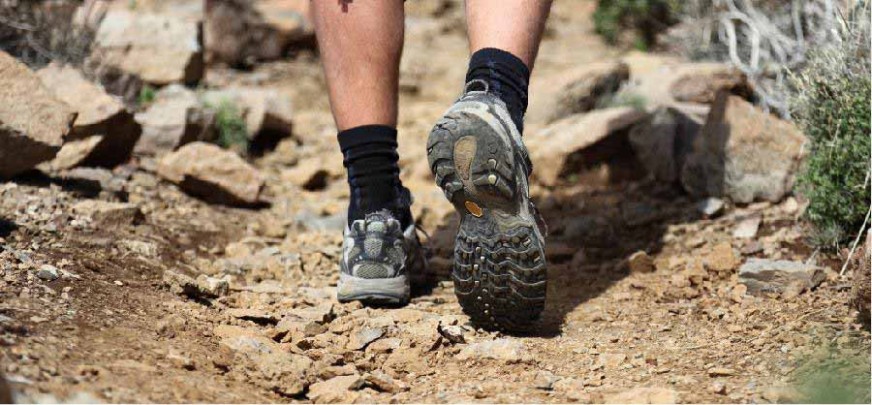
To make an informed choice, you must become fluent in the language of shoe construction. Let’s move beyond marketing jargon and examine the objective, scientific roles of each component. The upper, typically made from engineered mesh, leather, or knit materials, must prioritize breathability and a secure, non-constricting fit. A study cited in the Journal of Foot and Ankle Research emphasizes that a poorly fitting upper can cause friction blisters and restrict natural foot splay during the push-off phase. The midsole is the heart of the shoe, where cushioning and stability technologies reside. Materials like EVA (ethylene-vinyl acetate) foam or advanced compounds like Brooks’ DNA LOFT or HOKA’s Profly+ are engineered to provide a balance of softness for impact absorption and responsiveness for energy return. The outsole’s rubber composition and tread pattern are not mere details; they are your primary source of traction and durability. A multi-directional lug pattern, for instance, offers grip on varied surfaces, a feature often highlighted in analyses from running and walking gear review sites like RunRepeat. Finally, the heel counter—the firm cup at the back—should be sturdy to control rearfoot motion without digging into your Achilles tendon. Each of these elements must work in concert to create a holistic walking shoe experience.
The Cushioning Conundrum: Softness vs. Support
A common misconception is that the softest shoe is the most comfortable for walking. This is a critical point where science must override sensation. While plush cushioning feels inviting initially, excessive softness without inherent stability can lead to musculoskeletal fatigue. As Dr. Casey Kerrigan, a former Harvard Medical School researcher and founder of a footwear science company, has stated in interviews, overly soft midsoles can cause the foot to work harder to stabilize itself, potentially increasing metabolic cost and strain. The ideal walking shoe offers “responsive” or “balanced” cushioning. This means it compresses to attenuate shock from heel strike but also has enough rebound or firmness to provide a stable platform for the foot to roll through its gait cycle—from heel strike to toe-off. Brands like ASICS, with their GEL technology, exemplify this by placing silicone-based GEL pads in key impact zones to dissipate shock vertically rather than allowing the foot to sink and roll inward excessively. The goal is not to feel like you’re walking on pillows, but on a supportive, slightly springy surface that protects your joints while promoting efficient movement.
Gait Analysis: The Personal Blueprint for Your Shoe
Your individual biomechanics are the most important variable in this equation. The terms “pronation,” “supination,” and “neutral” describe how your foot naturally rolls inward upon landing. Pronation is a normal shock-absorbing motion, but overpronation (excessive inward roll) or supination (insufficient inward roll, rolling outward) can lead to injury. While a professional gait analysis at a specialty store is invaluable, you can gain initial insights. Check the wear pattern on an old pair of shoes. Excessive wear on the inner side suggests overpronation; wear on the outer edge suggests supination. A neutral gait shows relatively even wear. This knowledge directly informs your choice. Motion control or stability shoes, often featuring medial posts (denser foam on the inner side) or guide rails, are designed for overpronators. Neutral-cushioned shoes offer uniform support for neutral gaits. Highly flexible, cushioned shoes often suit supinators. Ignoring your gait is like buying a prescription without a diagnosis; you might get lucky, but you’re more likely to miss the mark. Your perfect walking shoe is the one engineered for your unique footprint.
:max_bytes(150000):strip_icc()/vwt-asics-womens-gel-pulse-16-jinfeng-chen-21-712f0f140e834b84b3a8dcf0bf154771.jpeg)
Where Performance Meets Panache: The Uncompromised Pursuit of Style
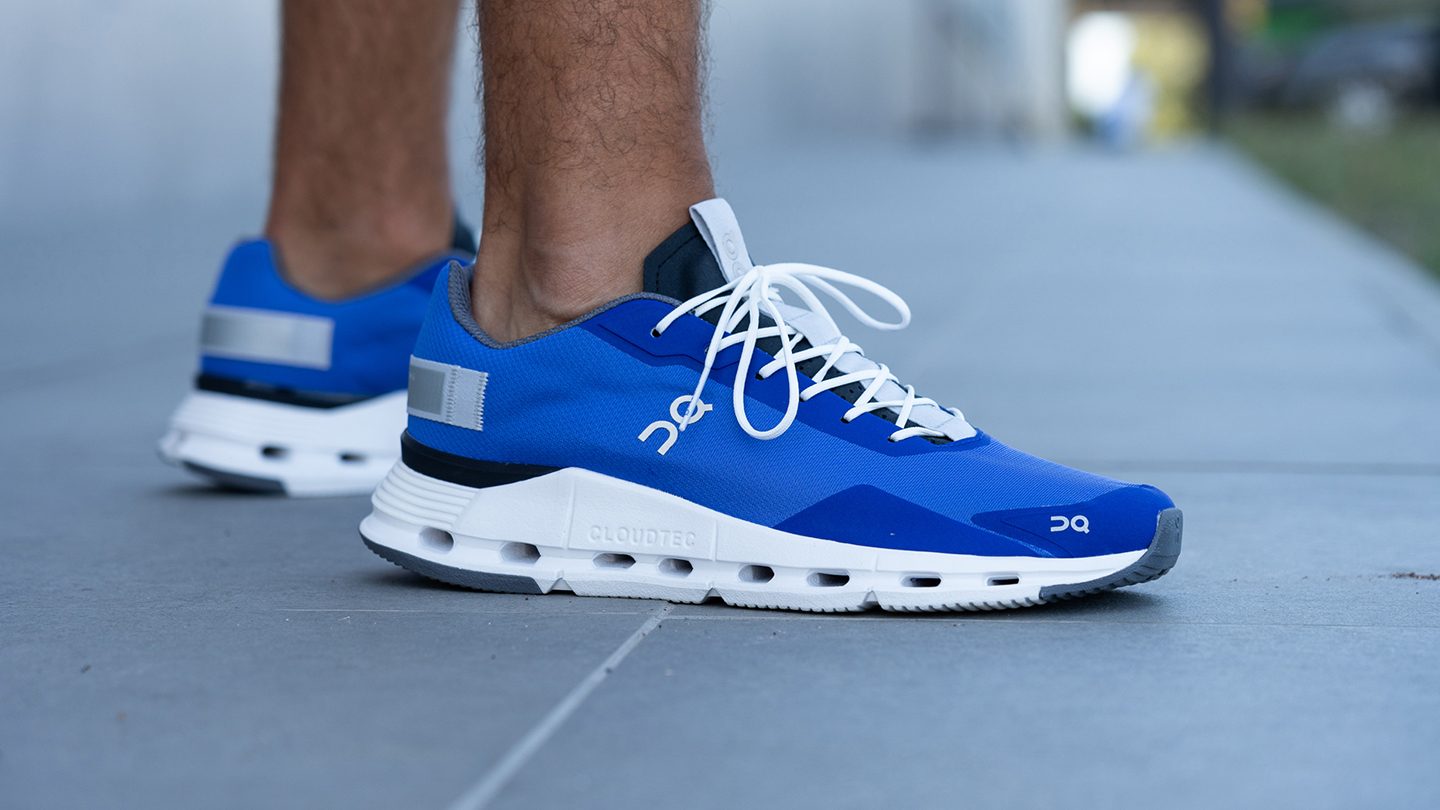
Let’s address the elephant in the room: for years, “technical” footwear was synonymous with clunky, brightly colored designs. That era is decisively over. Today, innovation thrives in a landscape that values visual appeal. The rise of the “athleisure” trend, validated by fashion authorities from Vogue to GQ, has pushed brands to consider the shoe as a whole aesthetic object. HOKA, once known primarily for its maximalist cushioning in bold colors, now offers sleek, monochromatic models that transition seamlessly from a morning walk to a casual lunch. Brands like Allbirds leverage natural materials like merino wool and eucalyptus fiber to create minimalist, versatile silhouettes that speak to eco-conscious consumers. This fusion is not superficial; it’s a response to the modern individual’s holistic lifestyle. As noted style commentator and author David Coggins has remarked, “The best items in your wardrobe are those that serve a purpose and possess a quiet confidence.” Your walking shoe can and should be one of those items. The technology that provides all-day comfort is now elegantly packaged in designs that complement, rather than clash with, your personal style.
Investing in Your Stride: Navigating Value and Professional Insight
An investment in quality footwear is an investment in your long-term mobility. However, “quality” does not always demand a premium price. The key is strategic shopping. First, prioritize last season’s models. Shoe technology evolves incrementally; last year’s top-tier stability or cushioning model from a brand like Brooks or Saucony will offer 95% of the performance of the new version at a significant discount. Second, pay attention to construction. A well-stitched upper and a solid, rubber-based outsole are markers of durability that prevent frequent replacements. Third, leverage professional knowledge. Certified pedorthists and experienced fitters in specialty running stores provide a service that transcends a simple sale—their analysis can prevent costly mistakes and injuries. This expertise, often free with a fitting, is invaluable. Finally, consider the cost-per-wear. A $150 pair of shoes worn for two years of daily walks is a far better value than a $60 pair that causes discomfort and needs replacing in six months. The true bargain is the shoe that delivers relentless comfort, enduring style, and unwavering support, mile after mile.

The quest for the perfect shoe is a personal journey of discovery. It requires listening to the wisdom of your body, understanding the science underfoot, and refusing to compromise on the expression of your style. It’s about recognizing that every step you take is an opportunity—for health, for reflection, for joy. When you lace up a shoe that feels like an extension of yourself, designed with intention and crafted for your unique path, the world becomes a place to be traversed with eagerness. Your journey begins from the ground up. Choose your foundation wisely, and let every step be a testament to comfort, style, and the simple, profound act of moving forward.
