

Your Ultimate Guide to Comfort and Style for Every Outfit
We navigate a world where our footwear is expected to perform a dual role: it must be a bastion of support for our physical well-being and a deliberate statement of our personal aesthetic. The quest for the perfect pair often feels like a compromise, but it need not be. This guide dismantles the false dichotomy between comfort and style, presenting a framework where the two are not just compatible but synergistic. We will explore the scientific principles of foot health, decode the language of design, and provide actionable strategies for building a versatile wardrobe foundation. The journey begins with a single, pivotal choice: selecting the right walking shoe.
The Foundation: Why Your Feet Deserve More Than an Afterthought
Consider the engineering marvel that is the human foot. With 26 bones, 33 joints, and over a hundred muscles, tendons, and ligaments, it is a complex structure designed for dynamic movement. According to biomechanics literature from institutions like the University of Calgary’s Human Performance Lab, improper footwear doesn’t just cause localized pain; it can create a chain reaction of misalignment affecting ankles, knees, hips, and even the lower back. A walking shoe, therefore, is not merely an accessory but a critical piece of equipment. The American Podiatric Medical Association (APMA) emphasizes that shoes bearing their Seal of Acceptance have been evaluated for promoting good foot health. The core function is to provide stability, cushion impact, and allow for the natural gait cycle. When we prioritize this biomechanical support, we invest in our mobility and long-term vitality. It’s a perspective echoed by renowned fitness expert Harley Pasternak, who often notes on platforms like YouTube that “the foundation of any good outfit, and any good day, starts from the ground up.” Ignoring this foundation for fleeting trends is a compromise with tangible physical costs.
Decoding Comfort: The Science Behind the Perfect Walking Shoe
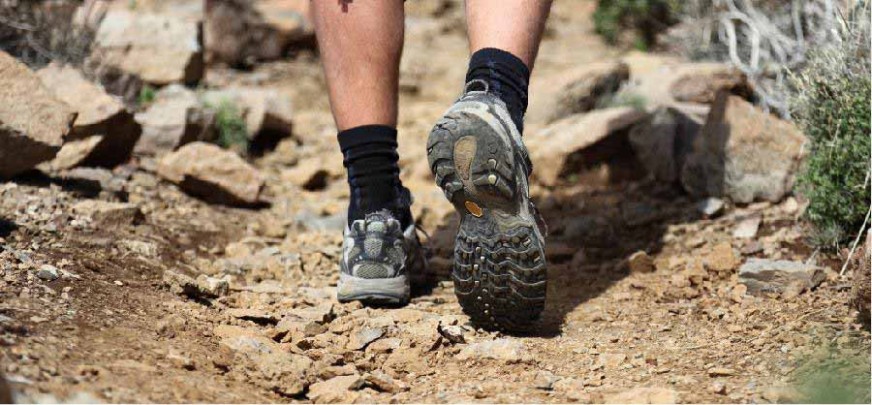
Comfort is a subjective sensation, but its components are objectively measurable. Let’s dissect the anatomy of a truly comfortable shoe. First, the last—the mold around which a shoe is built—determines its fundamental shape. A well-designed last accommodates the foot’s natural splay, providing adequate toe box width to prevent issues like bunions, a point frequently cited in podiatric medical journals. Second, midsole technology is paramount. Materials like ethylene-vinyl acetate (EVA) or polyurethane (PU) provide cushioning, but advanced proprietary foams like Adidas’s Boost or Nike’s React offer superior energy return and durability. The heel counter, the firm cup at the back, must be sturdy to control rearfoot motion and prevent excessive pronation or supination. Furthermore, the flexibility of the forefoot must align with where your foot naturally bends. A study referenced on Quora from the Journal of Foot and Ankle Research indicates that a shoe that’s too stiff can strain the plantar fascia, while one that’s too flexible may lack support. Finally, breathability from uppers made of engineered mesh or knit materials regulates temperature and moisture, reducing the risk of fungal infections. A superior walking shoe harmonizes these elements, creating an environment where the foot can function as nature intended.
Arch Support: The Non-Negotiable Pillar
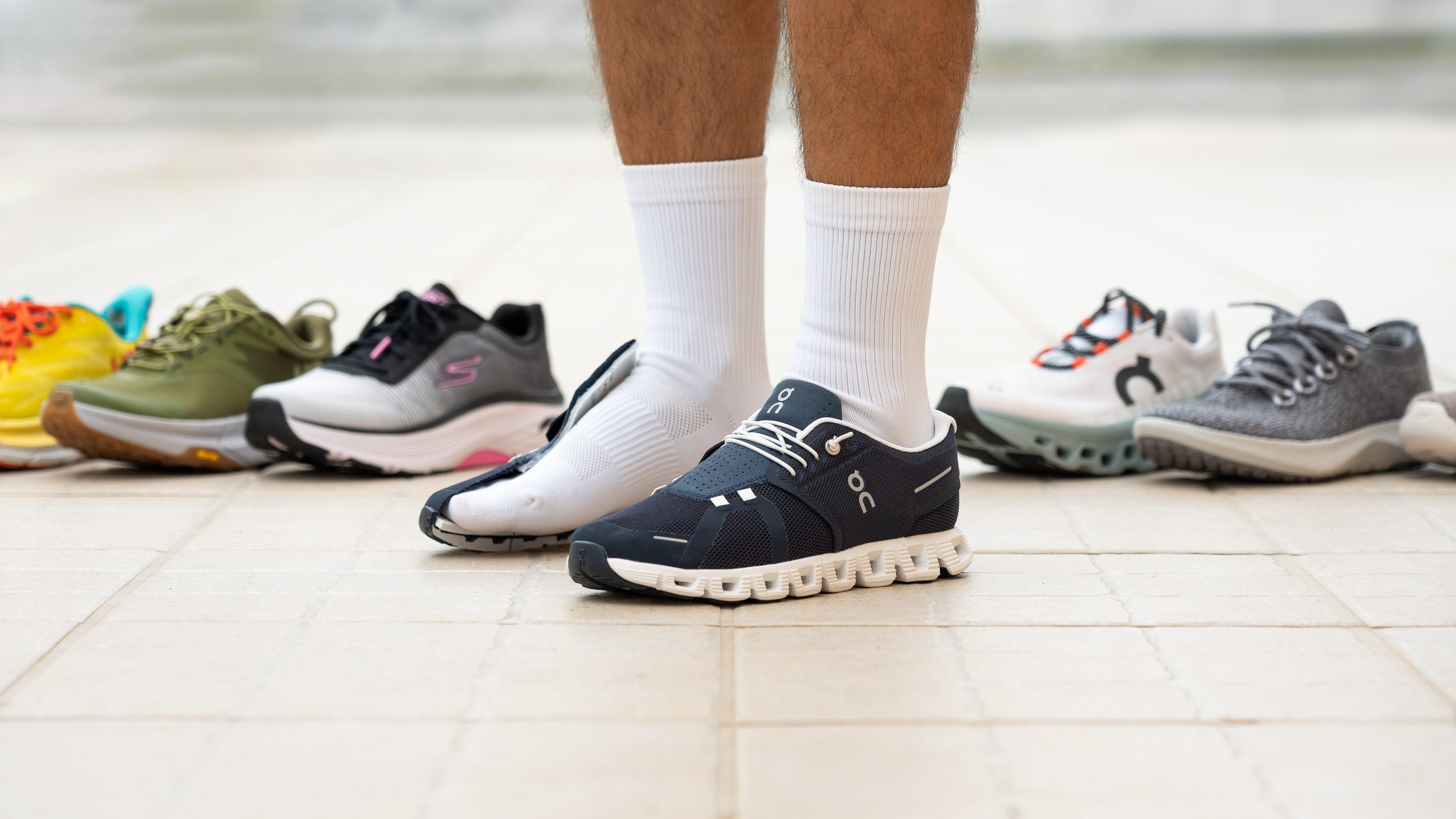
One cannot discuss comfort without addressing arch support, a topic often shrouded in misunderstanding. The arch of the foot acts as a natural shock absorber. Wikipedia’s entry on “Foot” details the roles of the medial, lateral, and transverse arches. When this structure is inadequately supported—whether you have flat feet (pes planus) or high arches (pes cavus)—the entire musculoskeletal chain is compromised. The right support doesn’t mean a rigid, high arch cookie-cutter insert. As noted by orthopedic specialists from the Hospital for Special Surgery, effective support is about matching the contour and firmness to your specific arch type to maintain optimal foot posture throughout the gait cycle. Many premium walking shoe brands offer models tailored to different arch profiles, or utilize removable insoles that can be replaced with custom orthotics. This personalized approach transforms a shoe from a generic covering into a therapeutic device, a concept validated by countless user testimonials on platforms like Runner’s World forums.
The Style Synthesis: Making Functional Fashionable
Style is a language, and your shoes are a potent word in that vocabulary. The notion that practical shoes must be clunky or unattractive is an antiquated relic. Today’s design philosophy, influenced by minimalist aesthetics and athleisure trends, champions clean lines, thoughtful color palettes, and versatile silhouettes. Consider the timeless appeal of a sleek white leather sneaker, as championed by figures like Meghan Markle; it pairs effortlessly with tailored trousers, summer dresses, and denim alike. The key is to view your walking shoe as a neutral canvas. Opt for colors like black, grey, navy, or off-white that integrate seamlessly into your existing wardrobe. Texture plays a role too—a suede detail, a contrasting matte and glossy finish, or a tasteful metallic accent can elevate a simple design. The influence of cinema is notable here. Recall the iconic, effortlessly cool style of Steve McQueen; his preference for simple, well-made, functional clothing and footwear speaks to a style ethos where utility and elegance are inseparable. Your comfortable shoes should embody this same principle: they are intentionally chosen, not a default surrender.
From Gym to Brunch: The Versatility Mandate
The modern lifestyle is fluid, and our wardrobe should reflect that. The true test of a great shoe is its ability to transition across contexts. A sophisticated knit sneaker with ample cushioning can carry you through a morning of errands, a casual workplace setting, and an evening social gathering without a second thought. This versatility is not an accident but a result of deliberate design choices. Brands are increasingly creating “hybrid” models that borrow the technical foundations of running shoes but are clad in uppers made of premium materials like leather, wool, or recycled fabrics. This fusion is the heart of contemporary style. As fashion director Nicole Fritton of Who What Wear has stated, “The most stylish people are those who look put-together without looking like they tried too hard. Comfortable, appropriate shoes are the cornerstone of that.” By investing in two or three pairs of high-quality, versatile walking shoes in complementary styles, you can cover a vast array of outfits and occasions, effectively building a capsule footwear collection.
The Investment & Care Cycle: Knowledge as Your Discount
Professional knowledge is the most powerful tool for securing value. Understanding when to replace your shoes is crucial. The common guideline, cited by sources from Verywell Fit to Consumer Reports, is every 300-500 miles. However, visual inspection is more telling: examine the midsole for compression wrinkles that no longer rebound, and check the outsole for asymmetrical wear patterns or smooth, bald spots where the tread is gone. Rotating between two pairs allows the midsole foam to fully decompress between wears, extending the life of each. Now, let’s talk about the economics. While premium shoes have a higher upfront cost, their cost-per-wear and superior durability often make them more economical than frequently replacing cheap, poorly made pairs. To access these quality products at discounted prices, strategic shopping is key. Subscribe to newsletters from reputable athletic and footwear retailers for sale alerts. Consider previous season’s colorways, which often see significant markdowns. Outlet stores and certified online discounters can offer genuine products at a fraction of the retail price. This informed approach brings professional-grade footwear within reach, turning an expense into a smart, long-term investment in your comfort and style.
:max_bytes(150000):strip_icc()/when-should-i-replace-my-walking-shoes-3436325-0801-7a1840d83573471092e0380f9e230ecc.jpg)
Your Curated Path Forward
The intersection of comfort and style is not a mythical crossroads but a very real destination you can reach. It requires shifting your perspective: see your shoes as foundational tools for living well, not as separate entities for fashion or function. Begin by assessing your biomechanical needs, perhaps with a simple wet foot test to understand your arch type. Then, define your personal style palette—what colors and silhouettes dominate your wardrobe? With these two data points, you can seek out the perfect walking shoe that bridges both worlds. Remember the words of legendary designer Coco Chanel, who famously advocated for elegance that does not restrain:
“Luxury must be comfortable, otherwise it is not luxury.”
Let this be your guiding principle. Your journey toward effortless, all-day comfort and authentic, adaptable style starts with the conscious step you take today. Choose the shoe that supports your body and expresses your spirit, and walk confidently into every facet of your life.
