

Step Into Comfort And Style With Vionic Walking Shoes
For years, the pursuit of the perfect walking shoe felt like a compromise. It was a choice between clinical-looking orthopedic support and sleek designs that left your feet aching after a few city blocks. This false dichotomy has been dismantled by a new generation of footwear that marries biomechanical science with contemporary aesthetics. At the forefront of this movement is the Vionic walking shoe, a product category that has redefined what it means to walk in comfort without sacrificing personal style. This isn’t merely about cushioning; it’s about a fundamental understanding of podiatric health, translating complex principles of motion control and anatomical alignment into shoes you genuinely want to wear. From the structured support of their proprietary orthotic footbeds to the thoughtfully designed outsoles, every element works in concert to transform walking from a mundane activity into a sustained pleasure. Let’s explore how these shoes achieve this synergy, why their technological foundations matter, and how they deliver a solution that is as intelligent as it is stylish.
The Foundation: Biomechanics and the Science of Support
The core philosophy behind any effective walking shoe rests on biomechanics—the study of the structure and function of biological systems through the methods of mechanics. In podiatry, this involves analyzing gait cycles, pressure distribution, and joint alignment. A neutral gait, where the foot strikes, rolls, and pushes off efficiently, is the ideal. However, factors like overpronation (excessive inward roll) or supination (outward roll) can lead to a cascade of issues, from plantar fasciitis to knee and back pain. The Vionic walking shoe is engineered to address this at its root. Its signature component is a built-in, biomechanically designed orthotic footbed. Unlike generic arch supports, these are developed with input from podiatrists and are based on the principle of “motion control.” As noted in resources from institutions like the American Podiatric Medical Association, proper motion control helps stabilize the foot, guiding it through a more natural gait cycle. This isn’t just about softness; it’s about strategic firmness in the arch and deep heel cup to hold the heel in a neutral position, effectively recalibrating your stride with every step. The objective is to reduce strain on the plantar fascia ligament, a common source of heel pain, and to promote better alignment from the ground up. When you slip into a pair, you’re not just putting on a shoe; you’re engaging with a wearable stability system designed by podiatric science.

Debunking the Myth: Style as an Afterthought in Supportive Footwear
Historically, the domain of “comfort shoes” was visually distinct, often characterized by bulky silhouettes and limited color palettes. This created a psychological barrier for many who valued their personal style. The triumph of the modern Vionic walking shoe lies in its refusal to accept this trade-off. Design teams work in tandem with biomechanics experts, ensuring that the structural integrity of the shoe is seamlessly integrated into contemporary trends. You’ll find clean lines, versatile colorways from classic neutrals to vibrant accents, and materials that look and feel premium. This design-forward approach is crucial because adherence to a wellness product increases when the user feels confident and happy wearing it. It’s the principle of “enjoyable compliance,” observed in health psychology: people are more likely to consistently use a beneficial tool if it integrates pleasantly into their lifestyle. A shoe that looks out of place in your wardrobe will likely stay in the closet. By offering styles that transition effortlessly from a long walk in the park to a casual lunch or a day of travel, Vionic ensures its therapeutic benefits are consistently accessed. The aesthetic is no longer an afterthought; it is a critical component of the product’s functional success, encouraging daily wear and, consequently, providing continuous support.
Anatomy of Comfort: A Layer-by-Layer Examination
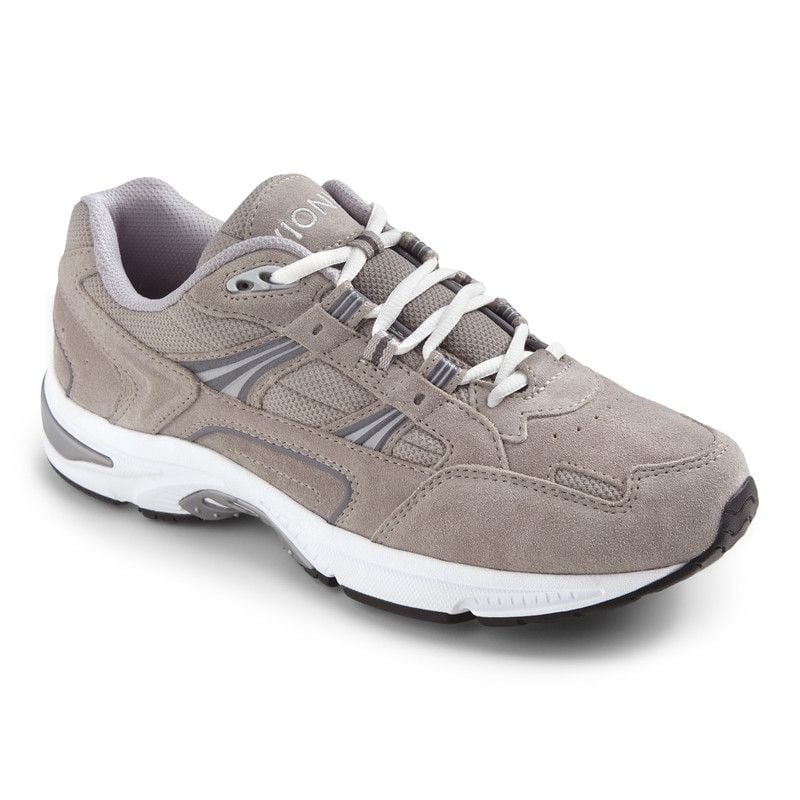
To truly appreciate the engineering, one must look beyond the surface. A typical Vionic walking shoe is a multi-layered system. Starting from the ground up, the outsole is often made of durable, flexible rubber with strategic flex grooves. These grooves aren’t random; they are placed to facilitate the natural bending of the foot at the metatarsal heads, reducing energy expenditure with each step. Above this lies the midsole, frequently composed of lightweight, responsive foams like EVA. This layer provides shock attenuation—a technical term for cushioning that dissipates the impact force traveling up your skeleton with each heel strike. The pièce de résistance is the removable orthotic insole. This is where Vionic’s podiatric heritage shines. The insole features a pronounced arch support, a deep heel cup, and a “rocker” design. The rocker, or toe spring, gently propels the foot forward, aiding the transition from mid-stance to toe-off and reducing the work required from the calf muscles and Achilles tendon. This layered approach addresses the entire gait cycle: impact, stability, and propulsion. It’s a holistic design philosophy that treats the foot as a dynamic, complex structure rather than a simple platform.
Voices of Validation: From Clinical Endorsements to User Testimonials
The credibility of the technology is bolstered by endorsements that span clinical and popular spheres. The American Podiatric Medical Association (APMA) has granted its Seal of Acceptance to many Vionic styles, a recognition based on rigorous review by a committee of podiatrists. This seal is a significant marker, indicating the product promotes good foot health. Beyond institutional validation, the user experience forms a powerful narrative. On platforms like YouTube, certified fitness experts and physical therapists often analyze footwear for their audiences. In one such review, a licensed therapist noted, “What sets Vionic apart is the integration of a true orthotic into a lifestyle shoe. For patients needing daily support but resistant to medical-looking devices, it’s a game-changer for compliance.” Similarly, on community-driven sites like Quora and dedicated shoe review blogs, long-form testimonials from individuals with plantar fasciitis or those who stand all day for work describe a transformative reduction in pain and fatigue. This confluence of professional approval and widespread user satisfaction creates a compelling evidence base. It demonstrates that the benefits are not merely theoretical but are experienced in the daily lives of a diverse range of people, from healthcare workers and teachers to avid travelers and walkers.

An Investment in Long-Term Wellbeing, Accessibly Priced
When evaluating footwear, the initial price point is often a consideration. It’s essential to frame a Vionic walking shoe not just as a purchase, but as an investment in musculoskeletal health. Consider the alternative costs: custom orthotics from a podiatrist can cost hundreds of dollars alone, not including the shoes to house them. Physical therapy for foot-related ailments, lost productivity due to pain, and the cumulative cost of frequently replacing cheap, unsupportive shoes—all these factors contribute to a much higher long-term expense. Vionic positions itself within the premium comfort market, but frequently offers direct-to-consumer discounts, seasonal sales, and bundle promotions on their official website and authorized retailers. This strategy of bringing professional-grade podiatric knowledge to users at accessible, discounted prices breaks down the financial barrier to entry for quality foot care. The value proposition is clear: for a price often comparable to or only slightly above that of a standard athletic brand, you receive a product infused with clinical-grade support technology, durable construction, and timeless design meant to last for seasons. This democratization of specialized support makes proactive foot health a realistic priority for a broader audience.

The Verdict: Redefining the Walkable Life
The journey through the world of Vionic walking shoes reveals a product category that has successfully bridged a longstanding divide. It has taken the precise, evidence-based principles of podiatric science—biomechanical alignment, motion control, and shock absorption—and encased them in designs that speak the language of modern fashion. This fusion is revolutionary because it acknowledges that human needs are multifaceted; we seek physical well-being without compromising our identity and style. The result is a shoe that supports you invisibly, allowing you to walk farther, stand longer, and move through your day with a foundation of genuine comfort. The validation from medical professionals and the chorus of positive user experiences underscore that this is more than a marketing story—it’s a functional reality. When you choose a shoe from this lineage, you are choosing to prioritize the intricate mechanics of your body while embracing the aesthetic of your personal life. It is, ultimately, a step toward a more comfortable, confident, and stylish way of moving through the world.
