

The Walking Shoe: Your Secret to Effortless Style and All-Day Comfort
In the rhythm of daily life, where every step counts, the choice of footwear transcends mere fashion. It becomes a foundational decision impacting our posture, energy, and even our confidence. The modern pursuit is not for shoes that merely look good or ones that are purely functional; it is for the synthesis of both. This is where the concept of the walking shoe ascends from a simple category of footwear to a philosophy of living. It represents a deliberate choice to embrace footwear engineered for the biomechanics of movement while seamlessly integrating into a curated personal aesthetic. This article delves into the anatomy of this ideal, unpacking the science of comfort, the principles of versatile style, and how the right walking shoe can become the most reliable and stylish tool in your daily arsenal.
The Anatomy of All-Day Comfort: More Than Just Soft Soles
Comfort in footwear is a complex symphony of engineering, not a single note of cushioning. A true walking shoe is built upon a foundation of podiatric science and biomechanical research. The primary function is to facilitate the natural gait cycle—heel strike, foot flat, mid-stance, heel-off, and toe-off. Key to this is the midsole, often crafted from advanced materials like ethylene-vinyl acetate (EVA) or polyurethane (PU). According to biomechanics literature from institutions like the University of Calgary’s Human Performance Laboratory, the density and responsiveness of these materials are crucial for shock absorption, reducing the ground reaction forces that travel up the skeleton with each step. Equally critical is the heel-to-toe drop, or offset, which influences how your foot strikes the ground. A moderate drop, often between 6mm to 10mm, is frequently cited in runner’s world guides as suitable for most walkers, promoting a smooth transition. Furthermore, the insole and footbed must address arch support. As noted by the American Podiatric Medical Association, proper arch support is vital for distributing pressure evenly and preventing conditions like plantar fasciitis. A shoe’s upper also plays a role in comfort; breathable, flexible materials like engineered mesh prevent friction and allow the foot to splay naturally during weight-bearing. Therefore, the comfort of a premium walking shoe is a multi-layered, scientifically-informed experience designed to protect and propel you from morning until night.
Biomechanics in Motion: The Gait Cycle Decoded
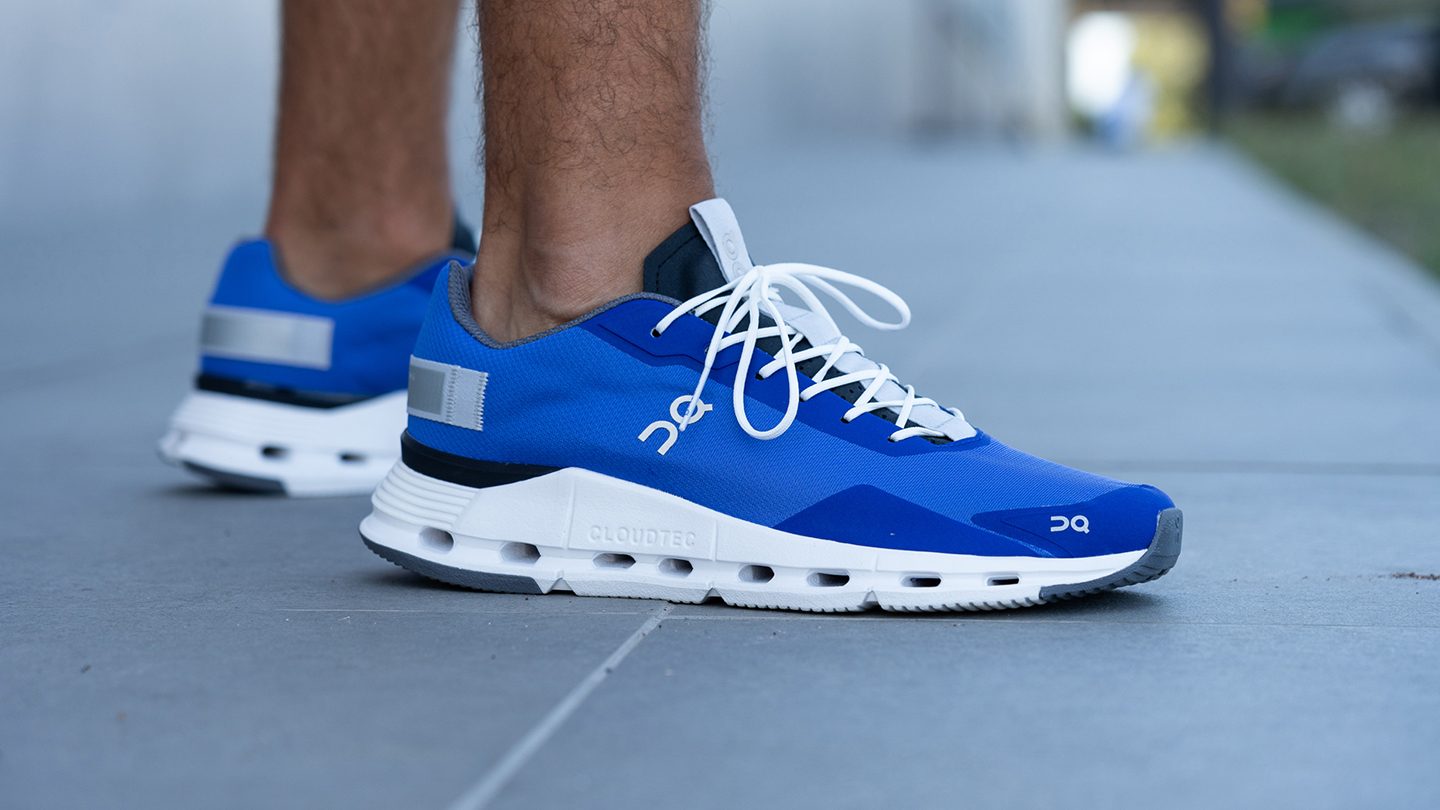
To truly appreciate the engineering behind a great walking shoe, one must understand the gait cycle it supports. This cycle is a repetitive pattern of motion that begins when one foot makes contact with the ground and ends when that same foot contacts the ground again. It is divided into two main phases: stance (approximately 60% of the cycle) and swing (40%). During the stance phase, the foot must absorb impact, provide stability, and then propel the body forward. A well-designed walking shoe intervenes at each critical juncture. At heel strike, a beveled or rounded heel collar and strategic cushioning in the rearfoot help decelerate the body gently. As the foot moves into mid-stance, the shoe’s arch support and midsole stability features engage to control excessive pronation (inward rolling) or supination (outward rolling), maintaining proper alignment. This is not merely theoretical; studies from the Spaulding National Running Center, affiliated with Harvard Medical School, emphasize that controlling dynamic alignment can reduce injury risk. Finally, during toe-off, flexibility in the forefoot of the shoe is paramount. A shoe that is too rigid can cause the calf muscles to overwork, while one with a well-placed flex groove facilitates a natural, efficient push-off. This intricate dance between foot and footwear underscores that the best walking shoe acts as a dynamic partner in movement, not a passive covering.
Effortless Style: When Form Meets Function Without Compromise
The historical dichotomy between “comfort shoes” and “fashion shoes” is an outdated concept. Today’s design innovation allows for aesthetics that are inherently linked to function. The effortless style of a modern walking shoe lies in its minimalist silhouettes, thoughtful color palettes, and materials that look premium while performing technically. Consider the design philosophy of brands like Cole Haan or certain lines from Ecco, which often integrate Grand.ØS technology derived from athletic footwear into dressier profiles. The style argument is bolstered by cultural observations. As fashion influencer and author Tan France has noted on various platforms, the cornerstone of a versatile wardrobe is investing in pieces that are inherently adaptable. A sleek, monochromatic walking shoe in black, grey, or navy can transition from tailored trousers to casual jeans, eliminating the need for multiple shoe changes throughout the day. The style is effortless because it is intelligent; it removes the friction of decision-making. It aligns with the “capsule wardrobe” ethos popularized by websites like Into The Gloss, which advocates for fewer, higher-quality items that work cohesively. Thus, a stylish walking shoe is not an oxymoron but a testament to integrated design thinking, proving that you do not need to sacrifice your aesthetic for the sake of your feet.
The Versatility Principle: One Shoe, Multiple Realms
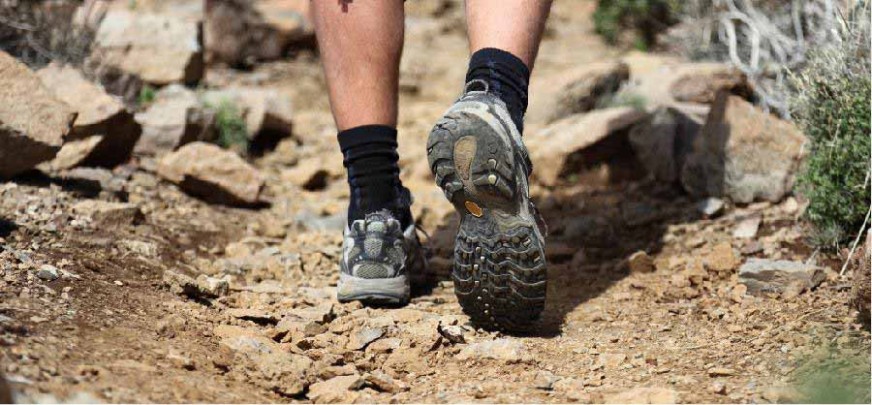
The true test of a shoe’s style is its contextual fluidity. Can it move from a professional setting to a casual lunch, and then onto an evening stroll, without looking out of place? This versatility is engineered through design subtleties. A low-profile sole unit, for instance, avoids the bulky, overtly athletic look while retaining cushioning. The use of materials like full-grain leather or suede offers a sophisticated texture that elevates the shoe’s appearance beyond sportswear. This principle finds resonance in the concept of “stealth wealth” or quiet luxury—a trend highlighted by fashion analysts from Business of Fashion, where the value is in the impeccable fit, comfort, and understated detail, not in loud logos. A versatile walking shoe embodies this. It speaks to a pragmatic yet refined sensibility, much like the characters in novels such as “Less” by Andrew Sean Greer, where the protagonist’s global travels demand a single, reliable pair of shoes that must function in diverse social arenas. By choosing such a shoe, you are not just selecting footwear; you are adopting a tool for seamless living, where your style remains consistent and confident regardless of the day’s demands.
The Long-Term Investment: Durability and Knowing When to Let Go
A premium walking shoe is an investment in your well-being, and like any good investment, its longevity matters. Durability is determined by the quality of materials and construction. A carbon rubber outsole, for example, will withstand abrasion far longer than a basic blown rubber one. Reinforced stitching in high-stress areas and durable, water-resistant uppers contribute to a longer lifespan. However, even the best shoes have a functional expiration date. The cushioning materials in the midsole compress and lose their resiliency over time, long before the exterior shows significant wear. The general guideline from sources like Verywell Fit and podiatrists is to replace walking shoes every 300 to 500 miles. For the average person walking 3 miles a day, 5 days a week, this translates to roughly every 6 to 8 months. Ignoring this can lead to a cascade of discomfort. As noted by Dr. Jacqueline Sutera, a New York City-based podiatrist, in interviews, worn-out shoes fail to provide adequate support, leading to altered biomechanics and overuse injuries in the feet, knees, and even hips. Therefore, part of the commitment to comfort is the disciplined cycle of replacement, ensuring the protective benefits of your walking shoe are always active.
:max_bytes(150000):strip_icc()/when-should-i-replace-my-walking-shoes-3436325-0801-7a1840d83573471092e0380f9e230ecc.jpg)
Making the Informed Choice: A Synthesis of Knowledge and Value
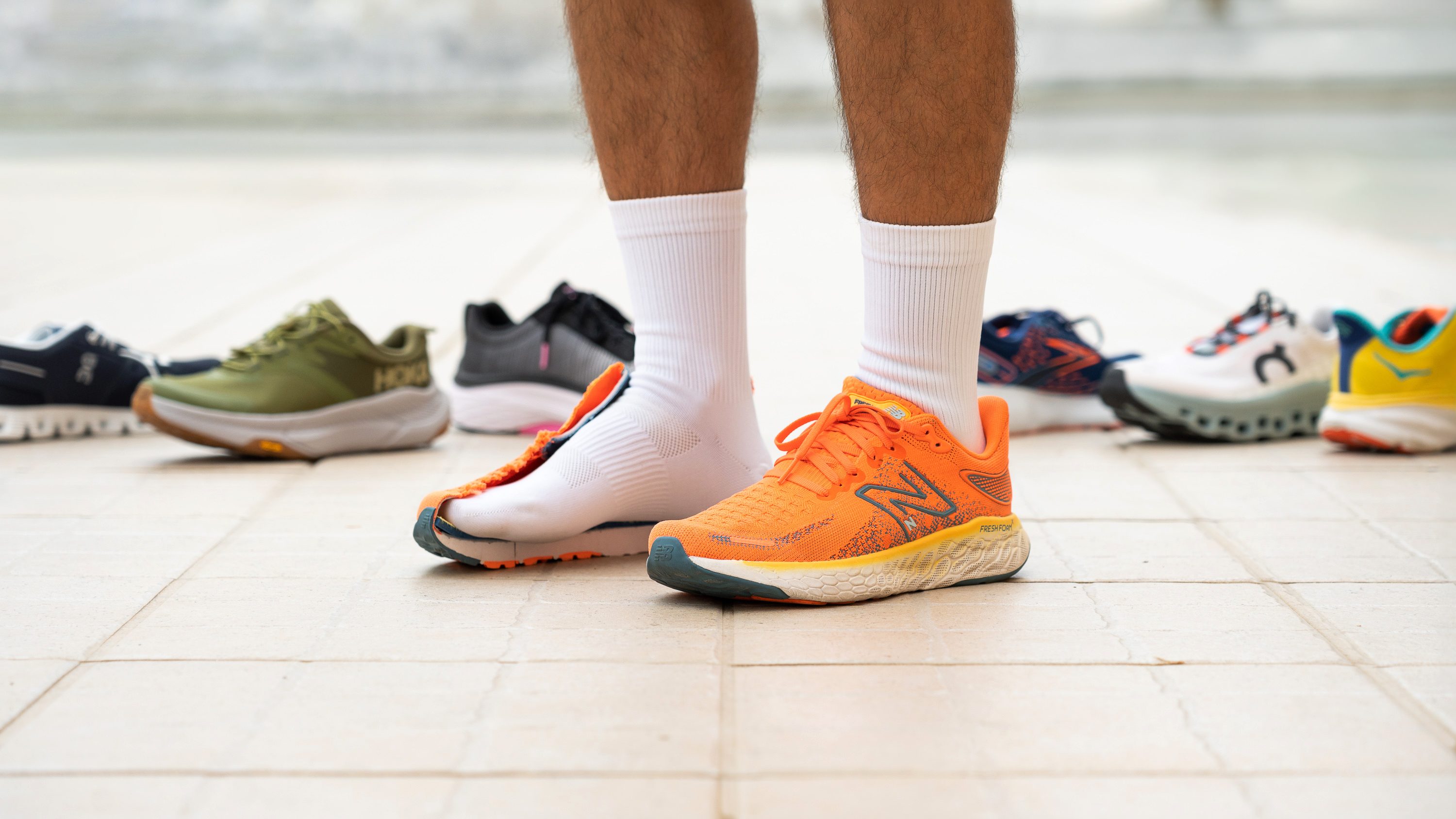
Armed with an understanding of biomechanics, design, and longevity, the final step is making a choice that aligns with both your physical needs and your budget. The market offers a spectrum, from specialized performance brands to heritage labels incorporating modern tech. The key is to prioritize the features that matter most to your gait and style. Do you need maximum cushioning for hard city pavements, or is stability your primary concern? Websites like Runner’s World and Wirecutter provide rigorous, side-by-side comparisons that can guide this decision. Furthermore, the value proposition is enhanced by seeking out quality at accessible price points. Many reputable brands offer previous-season models or factory-direct sales that provide the same core technology and construction at a significant discount. This democratization of comfort and style means that the benefits of a superior walking shoe need not be a luxury. It is an accessible upgrade to daily life. By investing thoughtfully, you are not purchasing a mere commodity; you are acquiring a daily companion that supports your body, complements your identity, and carries you through countless journeys with unwavering reliability.
The journey through our days is paved with steps, each one an opportunity to move with intention and grace. The walking shoe stands as a testament to the possibility of having it all: uncompromising comfort rooted in science, and style that flows effortlessly from one moment to the next. It is a quiet revolution in how we approach daily life, replacing compromise with synergy. When you lace up a shoe that understands the architecture of your foot and the narrative of your personal style, you step into a day defined not by fatigue or sartorial friction, but by a sustained, confident ease. Let your foundation be both intelligent and elegant, and discover how the right pair can fundamentally elevate the everyday.
