

The Ultimate Guide to Tennis Shoes for Everyday Walking
For years, the classic sneaker designed for the court has been quietly stepping off the asphalt and into our daily lives. The idea of using tennis shoes for walking is no longer a niche hack but a widespread practice, merging athletic heritage with urban functionality. This guide isn’t about convincing you to abandon dedicated walking shoes; it’s an exploration of why a well-chosen tennis shoe can be a surprisingly competent, versatile, and stylish companion for your daily strides. We’ll dissect the science of support, decode the jargon of cushioning, and provide you with the knowledge to make an informed choice that benefits your feet, your posture, and your wallet.
The Anatomy of Support: Why Tennis Shoes Can Work
At first glance, a tennis shoe and a walking shoe might seem similar, but their design philosophies stem from different physical demands. Tennis involves lateral cuts, quick stops, and explosive forward movements. Consequently, tennis shoes for walking are engineered with a focus on lateral stability and midfoot support to prevent ankle rolls during side-to-side motion. This translates exceptionally well to urban walking, where uneven sidewalks, curbs, and sudden changes in direction are common. The robust heel counter—the firm cup at the back of the shoe—is a hallmark of tennis footwear. As noted in podiatric literature from institutions like the University of Pittsburgh Medical Center, a firm heel counter is crucial for controlling rearfoot motion, which can prevent overpronation (excessive inward rolling of the foot) during the heel-strike phase of walking. This built-in stability feature means that many tennis shoes inherently offer a level of motion control that some casual sneakers lack. The outsole, typically made of durable, non-marking rubber with a herringbone or modified pattern, provides excellent traction on a variety of surfaces, from grocery store floors to park pathways. While a pure walking shoe prioritizes a smooth heel-to-toe roll, the multi-directional tread of a tennis shoe offers security that walkers often appreciate in less-than-ideal conditions.
:max_bytes(150000):strip_icc()/Web_1500-vwt-primary-best-overall-shoe-tstaples-118-671f4e0048e64d14a1c42e4f8d9e6658.jpg)
Cushioning vs. Responsiveness: Finding the Sweet Spot
The debate between plush cushioning and firm responsiveness is central to choosing any athletic shoe. For walking, the common wisdom, often cited by experts on platforms like Quora and in articles from Verywell Fit, suggests that a shoe with good cushioning in the heel is key to absorbing impact. However, maximalist cushioning isn’t always the answer. Tennis shoes often employ a balanced approach. They use technologies like encapsulated gel (Asics GEL), polyurethane foam pods (Adidas Boost), or compression-molded EVA (found in many brands) to provide shock absorption without creating an unstable, “mushy” platform. This is vital because, as biomechanics research indicates, too much soft cushioning can actually cause the small stabilizer muscles in your feet and ankles to work harder, potentially leading to fatigue. A tennis shoe for walking typically offers a “responsive” ride—you feel the ground just enough to maintain proprioception (your body’s sense of its position), but the impact is softened. Think of it as the difference between sitting on a memory foam mattress versus a firm, high-quality sofa; both are comfortable, but one offers more support for sustained, upright activity. This responsive cushioning aligns with the viewpoint of many long-distance walkers and hiking enthusiasts who argue that a degree of ground feel enhances stability and reduces the risk of missteps.
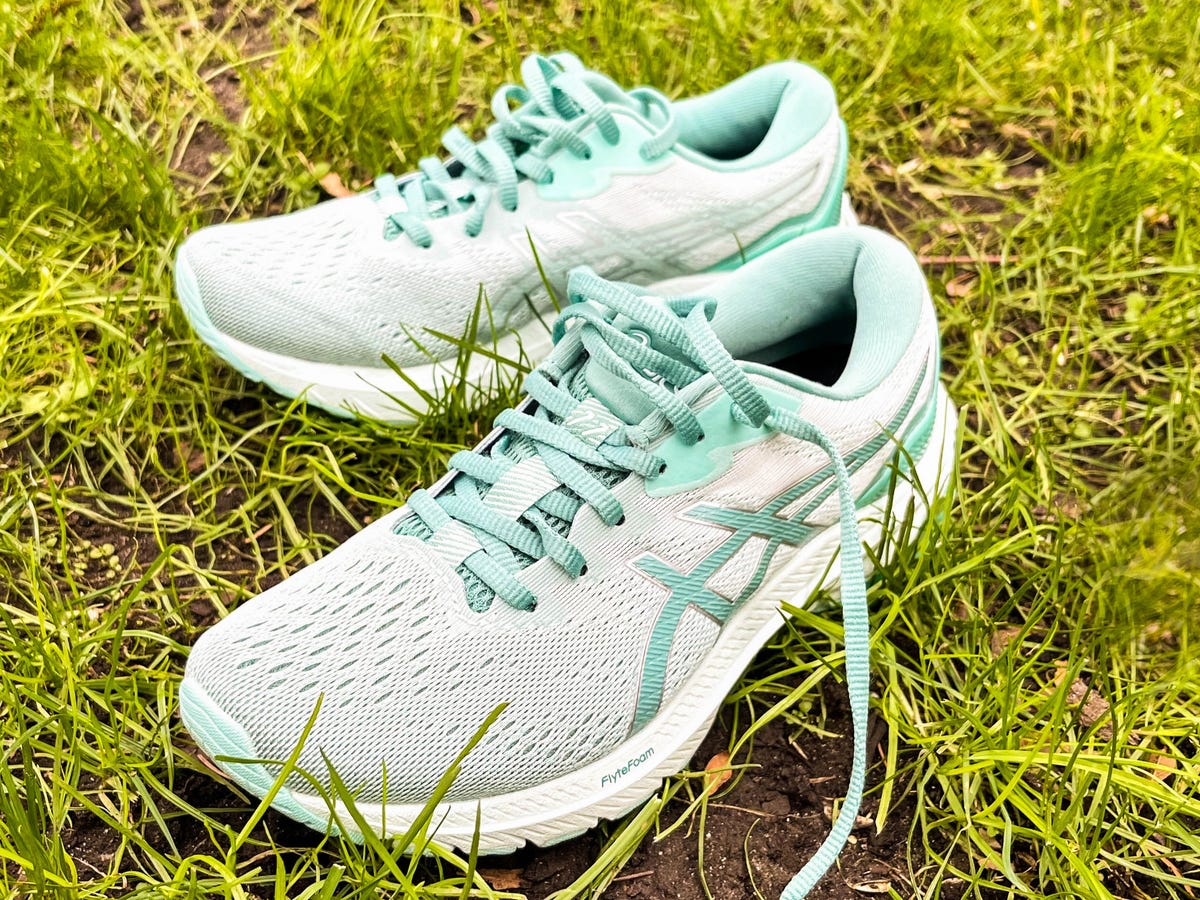
Durability and Value: A Long-Term Investment
One of the most compelling, objective arguments for choosing tennis shoes for walking is their inherent durability. These shoes are built to withstand the abrasive friction of hard courts, which translates to exceptional longevity on concrete and asphalt. The toe drag guard—a reinforced area on the medial (inner) side of the toe box—is a direct result of tennis’s serving and lunging motions. For walkers, this extra layer of protection means the shoe is less likely to wear through quickly at a common stress point. The outsoles are made of high-abrasion rubber compounds, often thicker than those on running shoes, leading to a longer usable life. From an economic perspective, this durability offers significant value. While the initial price point of a performance tennis shoe might be comparable to a high-end walking shoe, its extended lifespan can mean a lower cost per mile walked. Furthermore, the versatility of the design allows a single pair to transition seamlessly from a long morning walk to casual daytime wear, reducing the need for multiple specialized footwear options. Brands like New Balance and K-Swiss have built reputations on this kind of rugged construction, a fact often highlighted in consumer reports and durability tests featured on websites like Wirecutter.
Style and Versatility: Beyond the Gym
Let’s address the aesthetic elephant in the room. The modern tennis shoe has undergone a renaissance, moving far beyond the classic white leather silhouette. Collaborations between brands like Adidas and designers, or the timeless appeal of brands like Stan Smith and Superga, have cemented the tennis shoe as a fashion staple. This cultural shift, documented everywhere from GQ to Vogue, means that choosing a tennis shoe for walking doesn’t force a compromise on style. You can find models with clean, minimalist designs, bold colorways, and premium materials like suede and leather that look appropriate with jeans, chinos, or even casual dresses. This versatility is a practical boon. It eliminates the “shoe change” dilemma—you can walk to work, to lunch, and through your evening errands in the same comfortable, supportive pair without looking like you’re dressed for a workout. The psychological benefit of wearing something you find visually appealing should not be underestimated; it can be a motivator to walk more. As lifestyle influencers and fitness experts on YouTube often note, when your gear makes you feel good, you’re more likely to use it consistently.
Making the Right Choice: Key Features to Prioritize
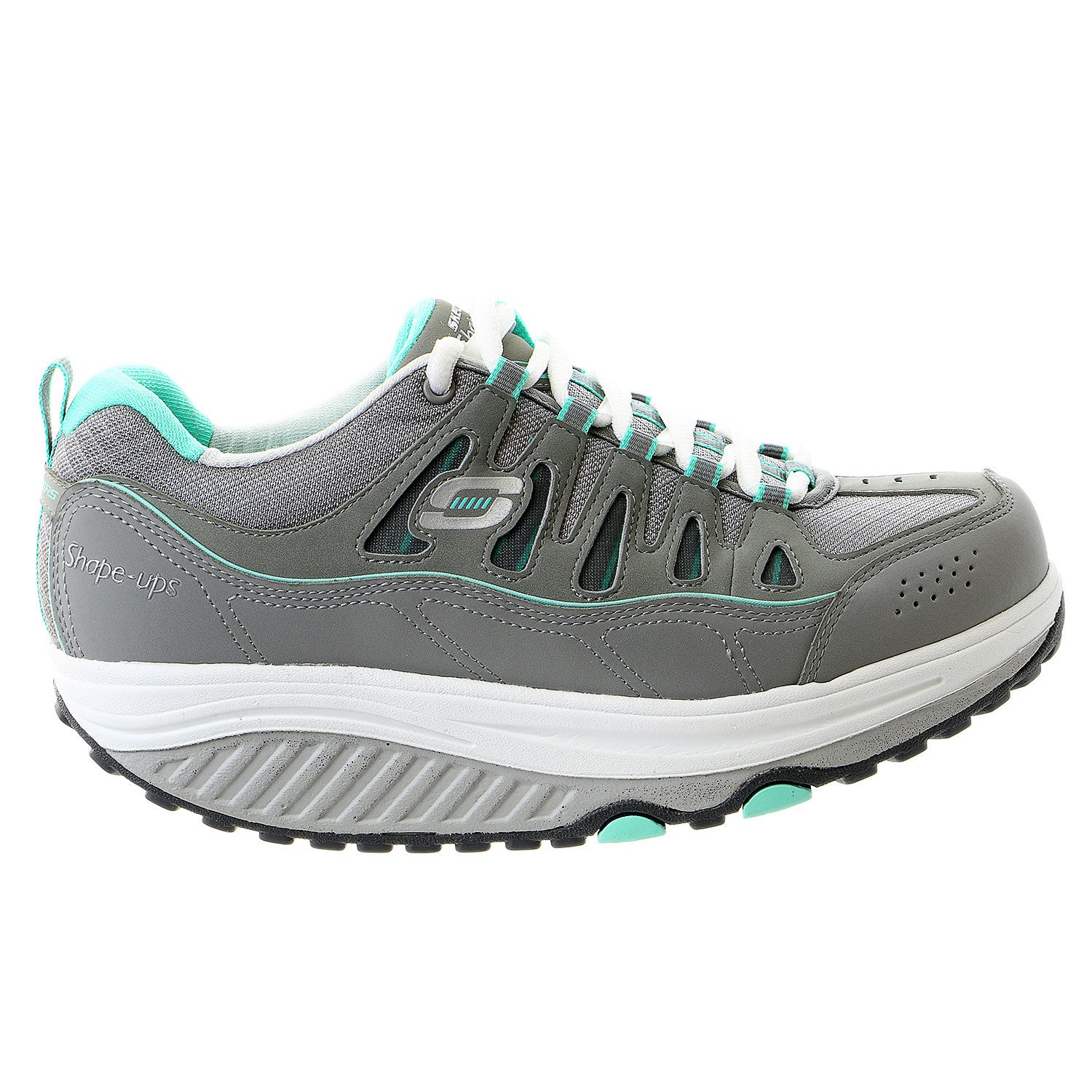
Not all tennis shoes are created equal for walking purposes. To transform a court shoe into a superb walking companion, you must become a discerning shopper. First, prioritize flexibility in the forefoot. While the shoe should be stable in the midfoot and heel, it must bend easily at the ball of the foot to facilitate the natural heel-to-toe rocking motion of walking. Test this by holding the heel and pressing the toe down. Second, examine the arch support. Many tennis shoes offer substantial medial support to combat overpronation common in tennis players. If you have neutral arches or supinate (roll outward), look for models with moderate, rather than aggressive, arch support. Third, consider the drop (the height difference between heel and forefoot). A moderate drop of 8-12mm is common in tennis shoes and works well for walkers who strike with their heel first. Finally, fit is paramount. Your walking shoe should have a thumb’s width of space in the toe box to allow for natural foot swelling and splaying during longer walks. Remember, the goal is to find a tennis shoe for walking that feels secure, not restrictive, and promotes a natural, comfortable gait from the first step to the last.

The journey to finding the perfect everyday walking shoe doesn’t have to be confined to a single aisle labeled “walking.” The humble tennis shoe, with its legacy of stability, durability, and evolving style, presents a formidable and often overlooked option. By understanding its anatomical strengths—the lateral support, the durable build, the balanced cushioning—you empower yourself to make a choice that serves your body’s mechanics and your lifestyle’s demands. It’s about recognizing that the best tool for the job might just be the one designed for a different, yet fundamentally similar, challenge. So, the next time you’re on the hunt for a shoe to carry you through your daily miles, give the tennis section a serious look. Your feet might just thank you for the unexpected, yet perfectly logical, support.
