

The Best Tennis Shoes for Everyday Walking Comfort
When we think of walking shoes, specialized designs often come to mind, but the humble tennis shoe has emerged as a surprisingly versatile champion for daily ambulation. The right pair of tennis shoes for walking can transform your daily commute, errands, or leisurely strolls from a chore into a comfortable, supported experience. This isn’t about repurposing a high-performance court shoe for a different sport; it’s about recognizing that modern tennis shoe design incorporates principles—cushioning, stability, arch support, and durable outsoles—that translate exceptionally well to the varied surfaces and paces of everyday life. The convergence of athletic technology and casual wear has created a category of footwear that prioritizes all-day comfort without sacrificing style, making the search for the perfect walking companion more accessible than ever.

The Engineering of Comfort: Why Tennis Shoes Work for Walking
The fundamental reason tennis shoes for walking excel lies in their engineered response to biomechanical stress. Walking is a low-impact but repetitive motion, with each step generating forces of 1-1.5 times your body weight. Tennis involves lateral cuts, quick stops, and sprints, generating multi-directional forces. A shoe built for tennis, therefore, must have robust cushioning to absorb impact and a stable platform to prevent ankle roll. Dr. Casey Kerrigan, a former Harvard Medical School professor and founder of a biomechanics research company, has extensively studied footwear. Her research, often cited in publications like The Journal of the American Medical Association, suggests that traditional, overly supportive shoes can sometimes weaken foot muscles. The best modern tennis shoes for walking strike a balance: they offer reactive cushioning systems (like Adidas’s Boost or Nike’s React foam) that dissipate impact energy while allowing for a more natural foot motion. The midsole geometry often includes a slight rocker design, which facilitates the heel-to-toe transition of walking, reducing strain on the calf and Achilles tendon. This scientific approach to foot mechanics, borrowed from high-performance athletics and refined for durability, is what sets these shoes apart from flatter, less-structured casual sneakers.
Decoding the Anatomy: Key Features to Prioritize
Cushioning and Impact Absorption
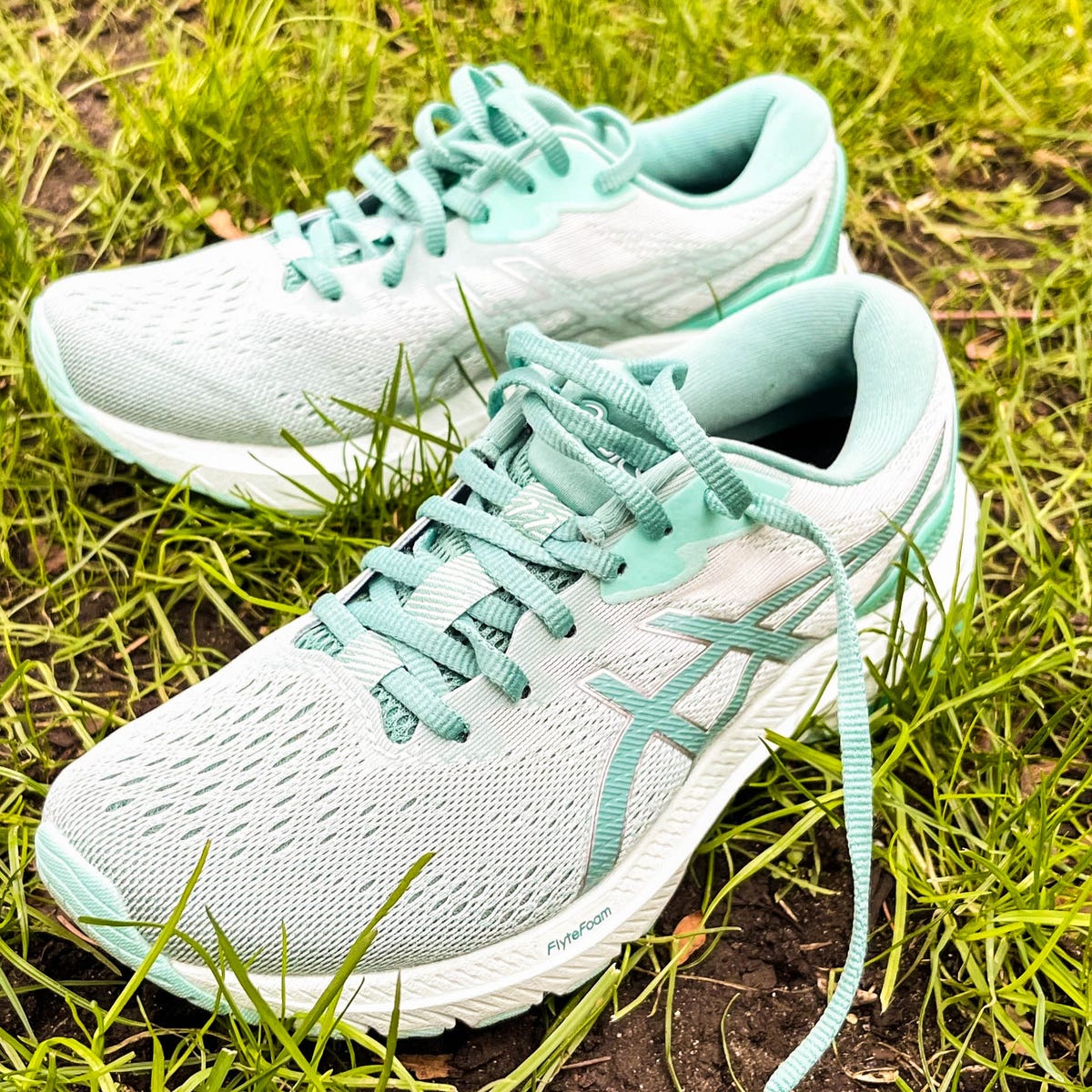
Cushioning is the non-negotiable cornerstone. It’s not merely about softness; it’s about energy return and longevity. Brands utilize proprietary technologies: ASICS, for instance, employs its GEL cushioning system, which was originally developed for running shoes and is renowned for its shock absorption properties. A study from the ASICS Institute of Sport Science confirmed its effectiveness in reducing impact forces. When selecting tennis shoes for walking, look for full-length cushioning units. A thick, single-density foam might feel plush initially but can bottom out over time. Advanced materials like polyurethane blends or thermoplastic polyurethane (TPU) capsules provide sustained comfort. As noted on expert review sites like Runner’s World and Verywell Fit, the ideal walking cushioning is responsive—it gives a slight push back with each step, making you feel lighter and reducing fatigue over miles.
Arch Support and Stability Features
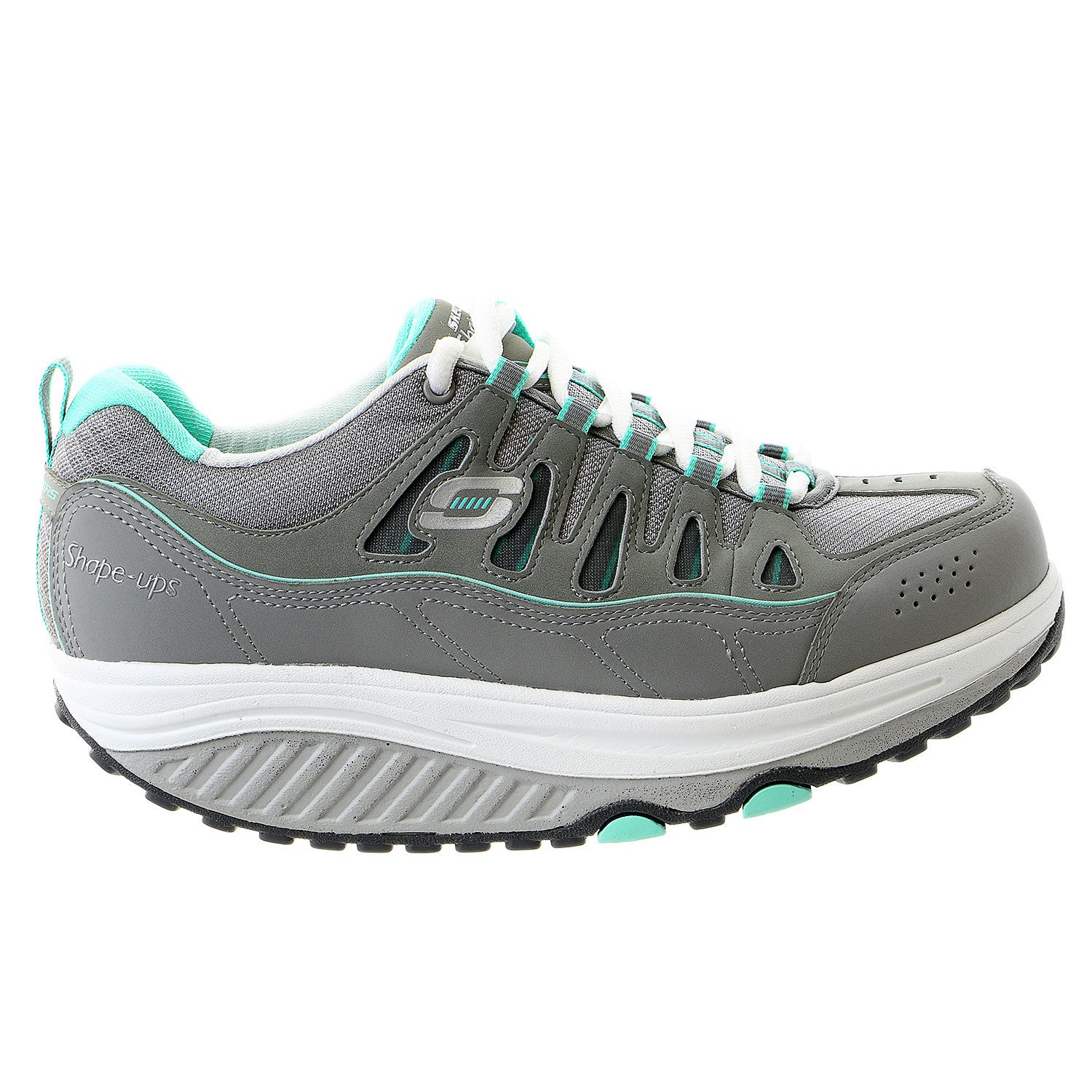
While neutral walkers exist, many people have some degree of overpronation (foot rolling inward) or supination (rolling outward). A good walking shoe provides inherent stability. Tennis shoes often feature medial posts—firmer foam on the inner side of the midsole—to control excessive pronation. Brands like New Balance and Brooks, which have deep roots in biomechanics, integrate these features seamlessly. The arch support should be felt as a gentle, contoured lift, not a harsh jab. This isn’t just about comfort; proper alignment from the foot up can prevent knee, hip, and lower back pain. As podiatrist Dr. Emily Splichal frequently discusses in her media appearances and on platforms like LinkedIn, the foot’s proprioception—its sense of its position in space—is crucial. A stable tennis shoes for walking provides a secure platform that enhances this sense, allowing for confident, natural strides on uneven urban terrain.
Outsole Durability and Traction
The outsole is your interface with the world. Tennis shoe outsoles are designed to withstand the abrasive friction of hard courts, making them inherently durable for pavement walking. Look for carbon rubber or high-abrasion rubber in high-wear areas like the heel. The tread pattern is equally vital. A herringbone or multi-directional pattern, common in tennis shoes, offers excellent grip on both dry and wet pavement, reducing slip risk. This focus on durable traction is a direct transfer from athletic necessity to everyday utility, ensuring your shoes last through seasons of use.
Beyond the Court: Style Meets Function in Everyday Life
The aesthetic evolution of the tennis shoe is a cultural phenomenon. From the classic white leather of the Stan Smith to the bold designs of modern performance models, these shoes have been adopted by fashion icons and everyday users alike. This widespread acceptance means you no longer have to choose between technical comfort and looking appropriate for a casual office, a coffee shop, or a weekend outing. The versatility of a clean, well-designed pair of tennis shoes for walking cannot be overstated. They pair effortlessly with jeans, chinos, or even casual dresses, bridging the gap between the gym and the street. This sartorial flexibility, combined with their engineered comfort, is why they have become the default footwear for millions. It’s a practical choice that doesn’t demand a compromise on personal style, embodying a holistic approach to modern living where wellness and aesthetics are intertwined.
Making an Informed Choice: A Practical Guide
Knowledge of technology is one thing; applying it is another. Your search should begin with your own feet. Are they wide or narrow? Do you have a high arch or flat feet? Many specialty running and athletic stores offer gait analysis, which can be invaluable. When trying on shoes, do so in the afternoon when your feet are naturally slightly swollen. Wear the socks you intend to walk in. There should be about a thumb’s width of space between your longest toe and the end of the shoe. The heel should be snug but not tight, with minimal slippage. Don’t just stand—walk around the store, ideally on a hard surface. Pay attention to any pressure points. The shoe should feel supportive and comfortable from the first step, not requiring a lengthy “break-in” period, which is often a myth for well-designed footwear.

Investing in Your Foundation: Value Over Price
While budget is always a consideration, view your walking shoes as an investment in your musculoskeletal health. A high-quality pair from reputable brands like ASICS, New Balance, Saucony, or Brooks typically ranges from $100 to $160 at full retail. However, savvy shoppers can find significant discounts. Last season’s colorways often see price reductions of 30-50% on websites like Amazon, Zappos, or the brands’ own outlet sites. Signing up for newsletters can yield first-time buyer discounts. The key is not to chase the absolute cheapest option, but to find the right shoe at the best possible price. The cost per mile of a durable, comfortable shoe that prevents pain is far lower than that of a cheap, ill-fitting pair that may lead to discomfort or even injury requiring professional care.
Ultimately, the quest for the best tennis shoes for walking is a personal journey in optimizing daily comfort. It’s about leveraging athletic innovation for the mundane yet essential act of moving through our days. By understanding the science behind the cushioning, valuing the importance of stability, and selecting a design that resonates with your life and style, you equip yourself with more than just footwear—you gain a reliable partner for every step of your journey. The right pair doesn’t just carry you; they enhance the experience of the walk itself, turning routine paths into opportunities for effortless, supported movement.
:max_bytes(150000):strip_icc()/vwt-walking-shoes-test-ryka-devotion-x-sahara-borja-02-18807b688fbb49e4ba30a3ee438600cb.jpeg)
