

Step Into Comfort and Style with Vionic Walking Shoes
For years, I chased the perfect walking shoe. I tried countless brands, each promising a revolution in comfort, only to be met with the same old story: a few weeks of bliss followed by the inevitable ache in my arches or a nagging pain in my heels. It felt like a compromise was inevitable—either my feet felt good, or my sense of style did. That relentless search ended when I discovered the biomechanically engineered world of Vionic walking shoes. This isn’t just about another pair of sneakers; it’s about understanding that true comfort is a science, and style is its essential partner. The journey from skepticism to reliance on these shoes revealed a fundamental truth: what we put on our feet dictates not just our stride, but our overall well-being.
The Foundation of Foot Health: Beyond Simple Cushioning
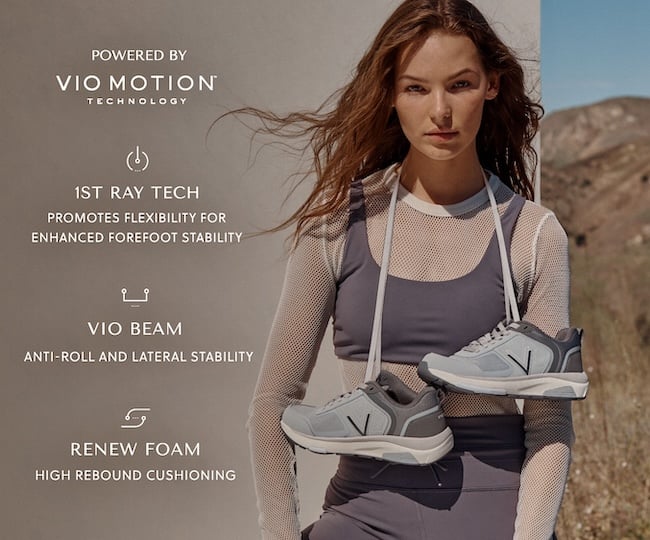
Most footwear focuses on the top layer of comfort: soft cushioning. While pleasant initially, this often neglects the underlying architecture of the foot. The human foot is a complex structure of 26 bones, 33 joints, and over 100 muscles, tendons, and ligaments, designed for dynamic movement and weight distribution. When this structure is improperly supported, problems arise. According to biomechanics literature from institutions like the University of Calgary’s Human Performance Lab, overpronation—excessive inward rolling of the foot—and supination—outward rolling—are common gait abnormalities that can lead to a cascade of issues, from plantar fasciitis to knee and back pain. A standard cushioned shoe might feel soft, but it does little to correct or support these natural biomechanical functions. This is where the paradigm shifts. The core innovation of a Vionic walking shoe lies in its proprietary orthotic footbed. This isn’t a generic foam insert; it’s a clinically designed orthotic that features a deep heel cup, superior arch support, and a forefoot ramp. This trio works in concert to stabilize the heel, align the arch, and promote a natural gait cycle from heel strike to toe-off. It’s the difference between letting your foot collapse into a soft mattress and providing it with a supportive, guiding framework that encourages proper anatomical movement.

Engineering Meets Anatomy: The Science Behind the Support
To appreciate the design, we must delve into podiatric science. The term “orthotic” is often used loosely, but in medical contexts, it refers to a device designed to correct or accommodate biomechanical abnormalities. Vionic’s approach is rooted in this principle. Their footbeds are developed with input from podiatrists and are built around the concept of “motion control” and “alignment.” A study published in the Journal of Foot and Ankle Research highlights that functional foot orthotics can significantly reduce pain and improve function in individuals with plantar fasciitis, a condition characterized by stabbing heel pain. The deep heel cup in a Vionic walking shoe cradles the calcaneus (heel bone), minimizing excess movement and providing a stable base. The arch support isn’t just a bump; it’s contoured to match the natural curvature of the medial longitudinal arch, preventing its collapse during weight-bearing. This alignment doesn’t stop at the ankle. As noted by renowned physical therapist Dr. Kelly Starrett in his book Ready to Run, foot position is the foundation of the entire kinetic chain. Proper foot alignment can influence knee tracking, hip rotation, and even lumbar spine posture. Therefore, wearing a shoe with biomechanical intelligence isn’t merely a foot-specific intervention; it’s a full-body postural strategy. The forefoot ramp then facilitates a smooth transition of weight, reducing strain on the Achilles tendon and calf muscles. This integrated system transforms walking from a potentially stressful activity into a rehabilitative and strengthening one.
The Style Revolution: Where Form Faithfully Follows Function
Historically, orthopedically sound shoes were synonymous with clunky, unattractive designs. This created a psychological barrier for many, myself included. We want to feel good without sacrificing our personal aesthetic. Vionic has masterfully dismantled this barrier. The brand operates on a conviction that style and substance are not mutually exclusive. Their designers work in tandem with their biomechanics team, ensuring that every sleek silhouette and contemporary colorway is built upon that unwavering foundation of support. You’ll find everything from classic white leather sneakers that pair effortlessly with jeans or summer dresses to modern knit uppers in vibrant hues suitable for activewear. This design philosophy echoes the sentiment of iconic designer Coco Chanel, who famously advocated for elegance that does not restrain. In the context of footwear, Vionic delivers elegance—and casual cool—that does not compromise the body’s mechanics. The Vionic walking shoe you choose for a weekend brunch looks intentionally fashionable, its supportive technology seamlessly integrated and invisible to the eye. This erasure of the old stigma is perhaps their most significant cultural contribution, inviting a broader audience to experience biomechanical benefits without a second thought about their outfit.
A Personal Testimony: From Skeptic to Advocate
My transition was gradual. The first week wearing my Vionic Walk Max felt different—not the “sinking into a cloud” different of memory foam, but a distinct, firm guidance. My feet, accustomed to slouching in soft shoes, initially perceived this as rigidity. But within ten days, a remarkable change occurred. The morning heel pain I had accepted as normal began to fade. The fatigue in my feet after a long day of errands diminished noticeably. I was experiencing what Dr. Andrew Weil, a pioneer in integrative medicine, often discusses: the body’s ability to heal when given the correct support. The shoes weren’t doing the work for my feet; they were enabling my feet to do their own work correctly. This personal evidence is bolstered by countless testimonials on platforms like YouTube and dedicated footwear forums, where users with conditions like flat feet or bunions share transformative stories. One such user, a teacher who spends all day on her feet, stated in a detailed review: “After two weeks in my Vionics, the chronic ache in my lower back, which I never connected to my shoes, was gone.” This holistic impact—from the ground up—is the most compelling argument for making the switch. It transforms the Vionic walking shoe from a simple purchase into a long-term investment in one’s mobility and quality of life.
Navigating Your Options: A Guide to Informed Choice
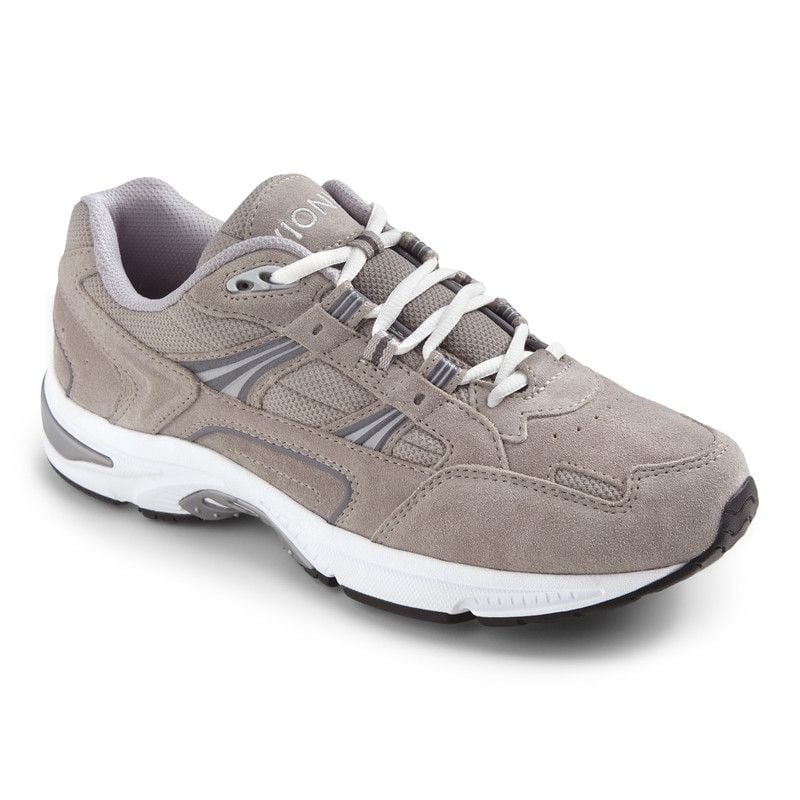
With a range of styles, selecting the right model is key. The core collection includes lines like the Walk Max, known for its plush comfort and maximum stability, ideal for those with pronounced arch support needs or recovering from foot ailments. The Walk Strider offers a lighter, more flexible feel with a focus on breathable knit uppers, perfect for active walks or warmer climates. Understanding your own gait and needs is part of the process. Resources like the American Podiatric Medical Association’s public guidelines on selecting footwear emphasize looking for a rigid heel counter, adequate toe box room, and torsional stability—all hallmarks of Vionic’s construction. Furthermore, the brand frequently offers professional insights through blog posts and fit guides, bringing expert podiatric knowledge directly to you, the consumer. This democratization of specialized knowledge empowers you to make a choice based on science, not just marketing. And while the quality and technology command a certain value, the brand often provides access to this expertise alongside discounted prices through seasonal sales, promotional events, and first-time buyer offers on their website. This approach makes the investment in your foot health more accessible, proving that premium biomechanical engineering doesn’t have to come with a permanently premium price tag.
The Verdict Is in Your Step
The pursuit of the perfect walking shoe culminates not in a mythical grail, but in a practical, evidence-based solution. Vionic walking shoes represent a synthesis of podiatric science, biomechanical engineering, and conscious design. They address the root cause of foot discomfort by aligning and supporting, rather than just masking it with cushioning. They refuse to ask you to choose between feeling good and looking good. The testimony of wearers, the principles of biomechanics, and the endorsement of foot health professionals converge on a single point: what we wear on our feet is foundational. Making an informed choice to wear shoes that respect our anatomy is one of the simplest yet most profound acts of self-care for an active life. Your journey toward all-day comfort and confident style begins with a single, perfectly supported step.

