

How to Style the Perfect Pair for Any Occasion
Selecting the right pair of shoes is not merely a practical decision; it is a foundational element of personal style and non-verbal communication. The perfect pair acts as both an anchor and an accent, capable of transforming an outfit from mundane to memorable, conveying confidence, and navigating the nuanced expectations of any event. This guide moves beyond superficial trends to explore the principles of pairing footwear with occasion, blending objective design theory with the subjective art of self-expression. We will dissect the anatomy of appropriateness, from boardroom formality to weekend ease, ensuring your choices are always intentional and impactful.
The Architecture of Appropriateness: Understanding Context and Silhouette
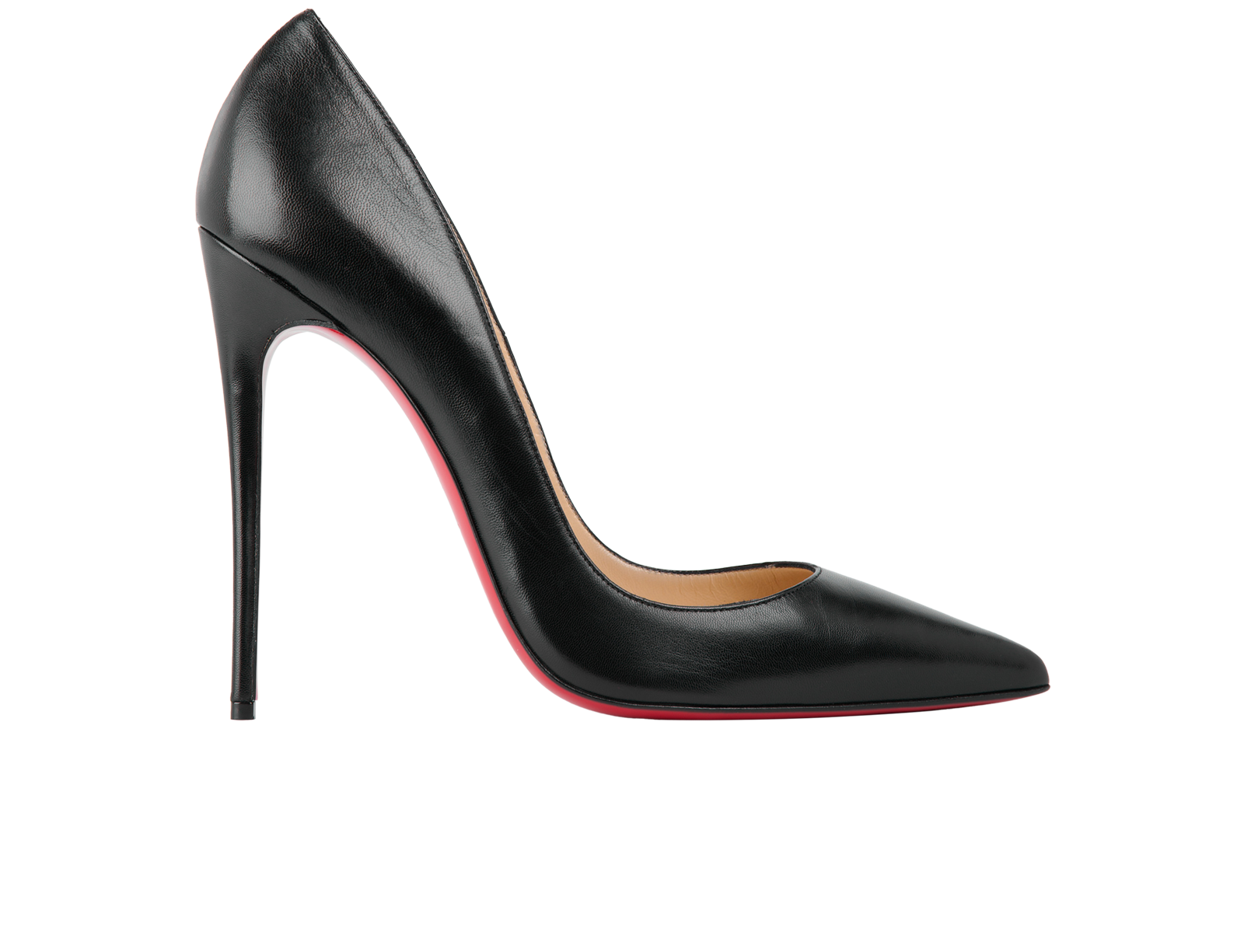
Before considering color or brand, the primary filter for selecting footwear is the architectural harmony between the shoe’s silhouette and the occasion’s dress code. Formality exists on a spectrum. On one end, the classic pump, characterized by a closed toe, a heel (typically between 2 to 4 inches), and no fastenings, represents sartorial authority. As fashion historian and curator Valerie Steele noted in her work for The Museum at the Fashion Institute of Technology, “The pump is the ultimate signifier of dressed-up femininity in the West; it elongates the leg, alters posture, and commands a room.” Its simplicity is its power, making it a cornerstone for professional settings, formal dinners, and black-tie events. Conversely, the loafer or a sleek ballet flat offers a silhouette of intelligent ease. Their grounded structure communicates practicality and modern sophistication, ideal for creative workplaces, gallery openings, or daytime engagements where comfort must align with polish. The mistake often made is forcing a stylistic mismatch—a stiletto at a garden party sinks into the grass, just as a chunky sneaker under a tailored suit can visually contradict the intended sharpness. The silhouette must first respond to the physical and social environment.
Color Psychology and Material Semiotics: The Unspoken Language of Your Feet
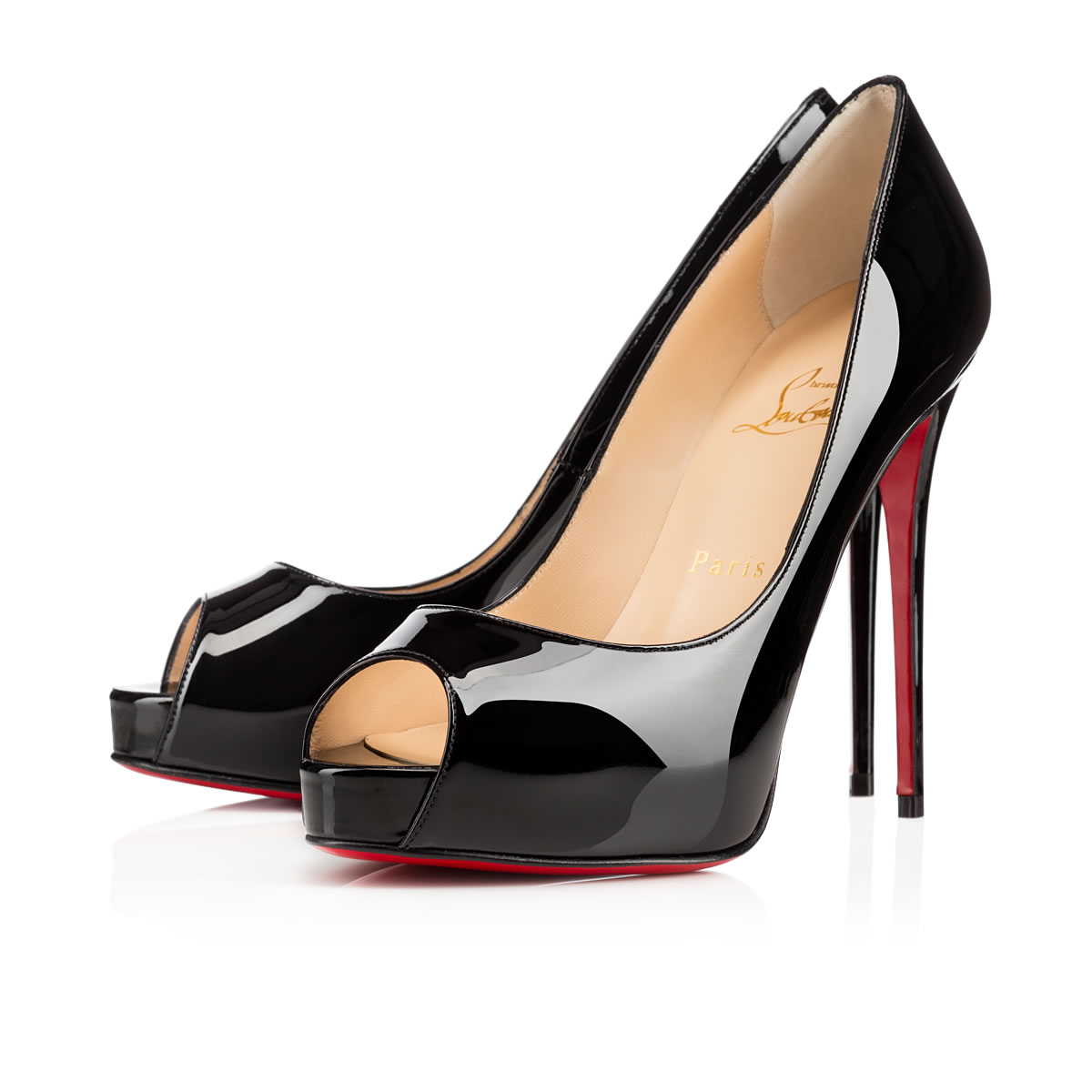
Once the silhouette is determined, color and material become the tools for nuance and personality. Black, navy, and deep burgundy leathers speak a language of tradition, power, and reliability. They are the neutral bedrock of a wardrobe. A vibrant red sole, famously pioneered by Christian Louboutin, injects a deliberate and confident provocation. As Louboutin himself explained in an interview with The Guardian, “The red sole was born from a moment of spontaneity. It is like applying lipstick; it is a flash of seduction, a hint of personality that walks with you.” This principle extends beyond red. Metallics (gold, silver) suggest celebration and futurism; animal prints connote boldness and a connection to primal patterns; while pastel suedes evoke softness and romance. The material, too, tells a story. Polished calfskin is corporate and pristine, suede is tactile and intellectual, and patent leather is festive and bold. For instance, investing in a versatile pair from a christian louboutin heels sale can provide access to this precise design philosophy—where color and material are meticulously chosen for maximum expressive impact—at a more accessible point. Understanding this semiotic layer allows you to choose a shoe that doesn’t just fit the occasion but actively contributes to your desired narrative within it.
The Five Occasion Archetypes: A Practical Framework
Let’s apply these principles to concrete scenarios. Breaking occasions into archetypes simplifies decision-making.
1. The Corporate Arena: Command and Composure
Here, the goal is to project competence, stability, and attention to detail. Silhouettes should be clean and structured: classic pumps, block-heeled ankle boots, or sophisticated loafers. Colors lean neutral—black, grey, navy, taupe. Materials are smooth and durable: calfskin, patent leather for a sharper edge. Avoid excessive ornamentation, open toes (unless the corporate culture is distinctly creative), or overly trendy shapes. The heel height should allow for confident movement and all-day presence. A well-chosen shoe here is an extension of your professional toolkit. It’s worth noting that even within this conservative frame, quality is paramount. A perfectly constructed pump supports the foot better, lasts longer, and communicates a refined eye for detail. This is where seeking out a christian louboutin heels sale can be strategic, as the brand’s reputation for exquisite craftsmanship aligns perfectly with the need for impeccable professional presentation.
2. The Social Showcase: Dining, Theater, and Evening Galas
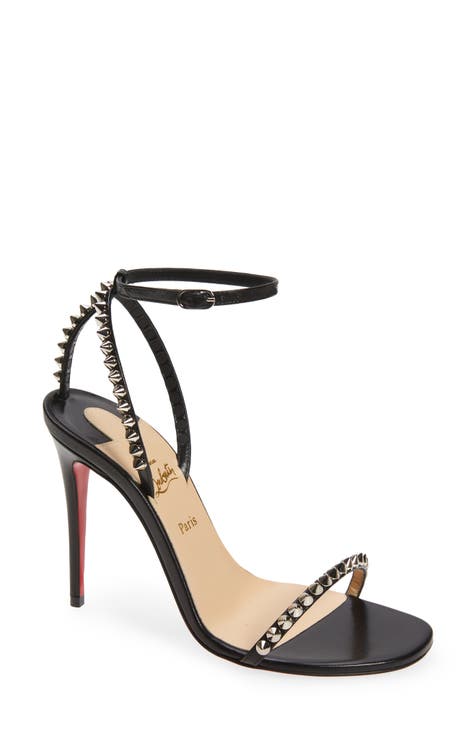
This is the domain of glamour and personal expression. Silhouettes can embrace drama: sleek stilettos, elegant sandals (strappy or minimalist), or embellished slingbacks. Color palettes expand to include metallics, rich jewel tones (emerald, sapphire), and of course, iconic red-soled designs. Materials can be luxurious: satin, velvet, or intricately embroidered fabrics. As film costume designer Arianne Phillips (known for Walk the Line, Once Upon a Time in Hollywood) often articulates, “Shoes for evening are the exclamation point of an outfit. They are the final, often most memorable, piece of character definition.” The key is balancing spectacle with wearability—you must be able to walk, stand, and enjoy the event. A stunning pair secured during a christian louboutin heels sale serves this purpose perfectly, offering that iconic, conversation-starting detail that elevates a simple black dress to red-carpet status.
3. The Creative Collision: Networking Events, Openings, and Fashion-Focused Gatherings
These occasions invite more sartorial risk and conceptual thinking. The goal is to be memorable and showcase personal aesthetic. Silhouettes can be architectural, avant-garde, or playfully hybrid (think heeled mules or boot-pump combinations). Color and texture are the main actors: contrasting panels, mixed materials, unusual skin textures, or artistic prints. References to art movements or designer signatures are welcomed. The shoe becomes a wearable art piece. As the street style photography from sites like Vogue Runway demonstrates, it is often the footwear that signals fashion literacy and creative confidence at such events. This is an ideal context to leverage a statement piece, where the investment in distinctive design pays dividends in perception and networking ice-breaking potential.
4. The Daytime Dialogue: Brunches, Casual Dates, and Weekend Exploration
Comfort and chic casualness are paramount. Silhouettes are lower to the ground: chic ballet flats, fashionable sneakers (minimalist leather styles), low-block sandals, or ankle boots with a modest heel. Materials are often softer: suede, nubuck, high-quality canvas. Colors can be playful or earthy, reflecting a relaxed mood. The philosophy here aligns with the French concept of “décontracté chic”—effortlessly put-together. The shoe should support hours of walking or standing without sacrificing style. It’s about looking considered without appearing overdone.
5. The Personal Sanctuary: The Psychology of At-Home Luxury
An often-overlooked occasion is the private one. What we wear at home influences our mindset. Investing in beautiful, comfortable “house shoes”—be they luxurious shearling slippers, elegant slides, or artist-designed mules—is an act of self-care. It draws a line between work and rest, signaling to your own psyche that it is time to unwind. As psychologist Dr. Jennifer Baumgartner explores in her book You Are What You Wear, our clothing choices, even in private, affect our internal narratives and emotional states. A beautiful shoe for home isn’t frivolous; it’s a tool for cultivating a personal sanctuary.
Investment and Intelligence: Navigating Quality and Value
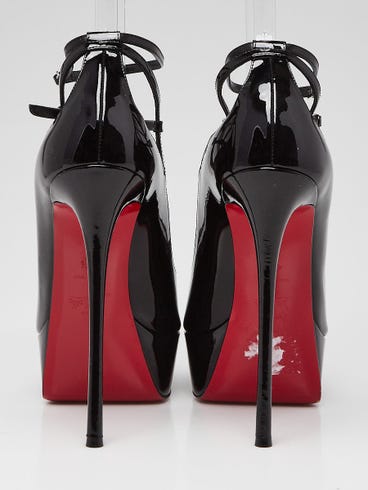
Building a versatile shoe wardrobe is an exercise in intelligent investment. The true cost-per-wear of a well-made shoe from quality materials (full-grain leather, Goodyear welting, sturdy hardware) is often lower than that of fast-fashion alternatives that degrade quickly. Key indicators of quality include: a flexible yet supportive sole, precise and secure stitching, lined interiors, and a heel that feels stable and is firmly attached. Brands renowned for craftsmanship, like those often featured in a christian louboutin heels sale, are built to these standards. The iconic red sole, for example, is not merely a color but a specific lacquer applied to a leather sole, representing a commitment to a specific aesthetic and durability. Savvy shoppers know that sales, sample sales, and reputable consignment platforms are ideal avenues to acquire such pieces. The goal is to acquire fewer, better items that serve multiple occasions. A single pair of perfectly crafted nude pumps can anchor dozens of outfits across professional and social settings, making the initial investment profoundly logical.
Ultimately, styling the perfect pair is an ongoing dialogue between the external demands of an occasion and your internal sense of self. It requires analytical thinking about context, a dash of color psychology, and a commitment to quality that respects both your feet and your finances. By mastering these principles, you ensure that no matter the event—from a high-stakes presentation to a spontaneous weekend adventure—your first step is always your most confident one. Remember, the right shoe doesn’t just complete an outfit; it propels you forward into the experience, making the search for that perfect pair, perhaps during a well-timed christian louboutin heels sale, a worthwhile pursuit in defining your presence in the world.
