

Your Ultimate Guide to Comfortable and Stylish Footwear
For too long, the world of footwear has been falsely divided: comfort on one side, style on the other. We are told to choose between the plush embrace of a supportive shoe and the sleek silhouette of a fashionable one. This guide dismantles that dichotomy. The modern walking shoe is a triumph of biomechanical engineering and design philosophy, proving that you do not have to sacrifice your feet at the altar of aesthetics, nor hide your style in the name of comfort. The journey to finding your perfect pair is not about compromise; it’s about understanding the synergy between your body’s mechanics and your personal expression. Let’s walk through the essential elements that transform a simple shoe into a foundation for daily vitality and confidence.
The Foundation: Biomechanics of a Perfect Walking Shoe
Before we admire the surface, we must understand the architecture. A true walking shoe is engineered for the gait cycle—the repetitive sequence of heel strike, foot flat, mid-stance, heel-off, and toe-off. Unlike running, walking involves at least one foot always being in contact with the ground, creating different stress patterns. The primary role of the shoe is to manage this impact and provide stability through each phase. According to research from the Spaulding National Running Center, a Harvard Medical School affiliate, proper footwear can significantly reduce loading rates on joints, potentially mitigating wear and tear over time. The core components are the midsole, the insole, the outsole, and the upper. The midsole, often made from EVA (ethylene-vinyl acetate) foam or proprietary compounds like Brooks’ DNA LOFT or Hoka’s Profly, is the heart of cushioning. It’s not merely about softness; it’s about responsive resilience—absorbing shock and then returning energy to propel you forward with less effort. A study published in the Journal of Foot and Ankle Research emphasizes that midsole geometry, particularly heel beveling (a rounded heel), is critical for smooth heel-to-toe transitions in walking gait. This isn’t just marketing; it’s applied podiatric science.
Cushioning vs. Support: Knowing Your Terrain and Your Feet
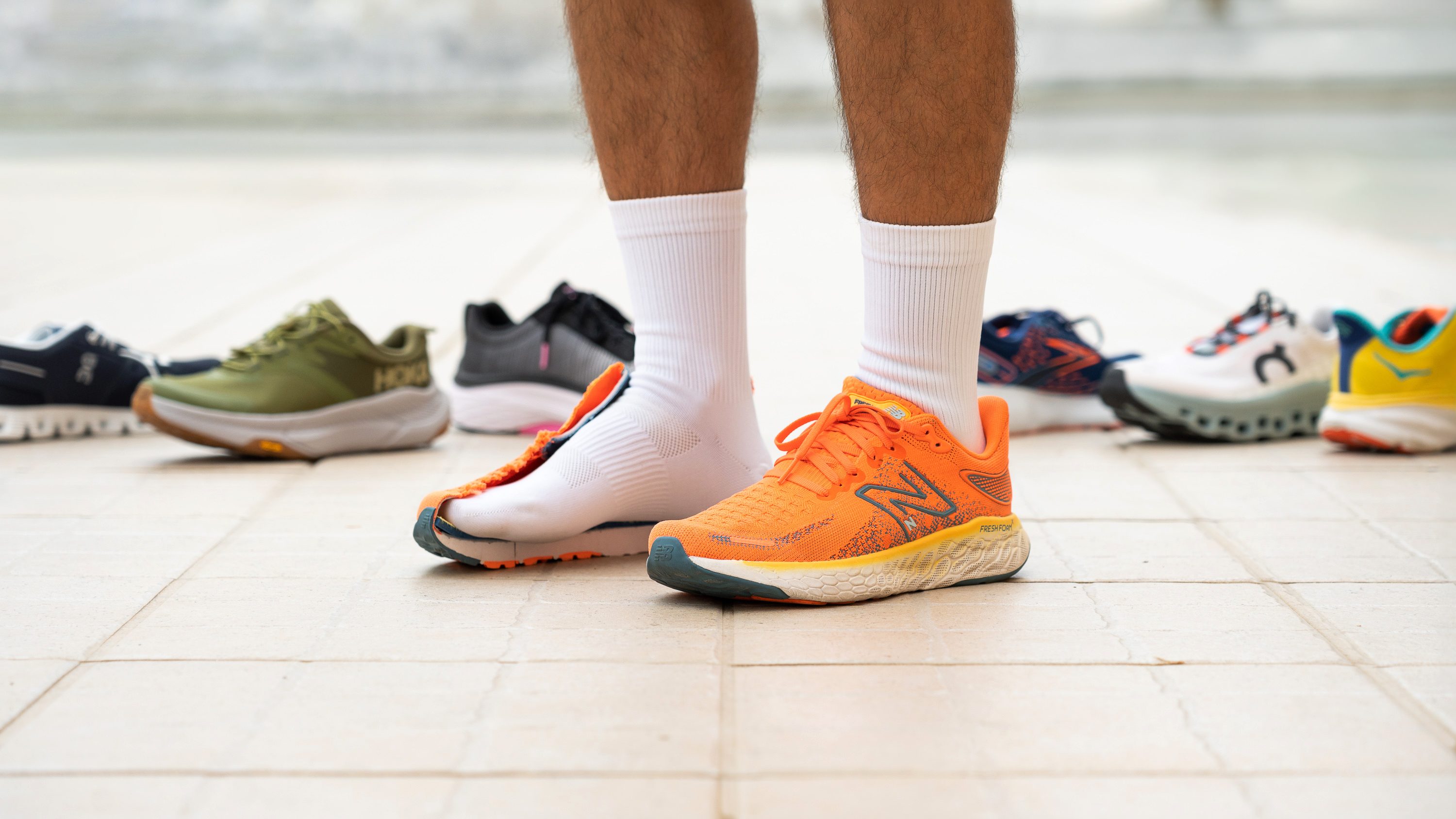
The debate between plush cushioning and firm support is perennial. The answer lies not in a universal truth, but in your individual physiology and activity. Maximalist cushioning, popularized by brands like Hoka One One, offers an immense layer of soft foam that acts as a shock absorber for hard surfaces like concrete and asphalt. It’s akin to driving a luxury sedan on a highway—it smooths out the imperfections. However, as noted by Dr. Casey Kerrigan, a former Harvard professor of physical medicine and rehabilitation, excessive cushioning without stability can sometimes allow for excessive foot motion, which may not be ideal for those with overpronation. Conversely, supportive shoes often feature dual-density midsoles and structured heel counters to guide the foot into a neutral path. They are the all-terrain vehicles of footwear, providing a stable platform for longer distances or uneven terrain. The American Podiatric Medical Association (APMA) grants its Seal of Acceptance to shoes that promote good foot health, and many supportive walking models carry this certification. Your choice here is strategic: are you primarily navigating urban jungles, or mixed park trails? Does your foot roll inward (pronate) excessively? A simple “wet test” (looking at your footprint on a paper towel) can reveal if you have high, neutral, or low arches, guiding you toward the right balance. The perfect walking shoe feels like an extension of your foot—neither a restrictive cast nor an unstable marshmallow.
The Weight of Every Step: Why Lightness Matters
In footwear, grams translate to energy expenditure. The concept of “energetic cost” in locomotion is well-established in biomechanics literature. A seminal study by researchers at the University of Colorado Boulder found that adding just 100 grams to each foot can increase metabolic cost by about 1%. This means your body works harder with every step in a heavy shoe. Modern lightweight walking shoes utilize advanced mesh uppers and streamlined, yet still protective, foam compounds to shed unnecessary weight without sacrificing durability or cushioning. This isn’t about achieving a barefoot feel—unless that is your goal—but about efficiency. A lighter shoe reduces leg muscle fatigue, allowing you to walk farther and more frequently with greater enjoyment. As the famous runner and coach Arthur Lydiard once espoused, the goal is “economy of motion.” A lightweight walking shoe applies this principle to the everyday pedestrian, turning a commute or a long museum visit from a chore into a pleasure. The feeling of lightness uplifts not just your feet, but your entire posture and mood.

Style as Function: The Aesthetics of Modern Comfort
Let’s address the elephant in the room: the “dad shoe” stereotype is dead. Today’s leading athletic and footwear brands have fully embraced the notion that design integrity is part of functional integrity. A well-designed upper does more than hold the shoe together; it breathes, moves with your foot, and expresses your personal aesthetic. The color-blocking on a pair of New Balance Fresh Foam shoes or the sleek, monochromatic knit on an Allbirds Tree Runner isn’t accidental—it’s intentional design that signals a modern, health-conscious lifestyle. As designer Tinker Hatfield, the mind behind iconic Nike Air Max, famously stated, “Design must reflect the practical and aesthetic in business but above all… good design must primarily serve people.” The rise of “athleisure” is not a fad but a cultural shift towards honoring comfort in all spheres of life. Your walking shoes can seamlessly transition from a morning workout to a casual lunch because their style is built on a foundation of purpose. Choosing a color and silhouette you love ensures you reach for them more often, integrating healthy movement into your daily routine effortlessly.
Material World: Breathability, Durability, and Sustainability
The touchpoint between your foot and the shoe is paramount. Modern uppers are marvels of textile engineering. Knitted meshes, like Adidas Primeknit or Nike Flyknit, provide targeted breathability and a sock-like fit that reduces blister-causing friction. These materials are often derived from recycled polyester, addressing durability and environmental impact simultaneously. Leather, a classic choice, offers structure and moldability over time, conforming to the unique shape of your foot. However, the conversation has expanded. Brands are now evaluated on their material sourcing and lifecycle. A comfortable shoe is no longer comfortable if its production weighs heavily on the conscience. Information from platforms like the Sustainable Apparel Coalition’s Higg Index is increasingly informing consumer choice. When you select a walking shoe made with recycled content or renewable materials, you’re investing in a product that supports not only your arches but also a more sustainable future for the industry. This holistic view of comfort—physical, mental, and ethical—is the new standard.
The Personal Fit: Beyond the Size Number
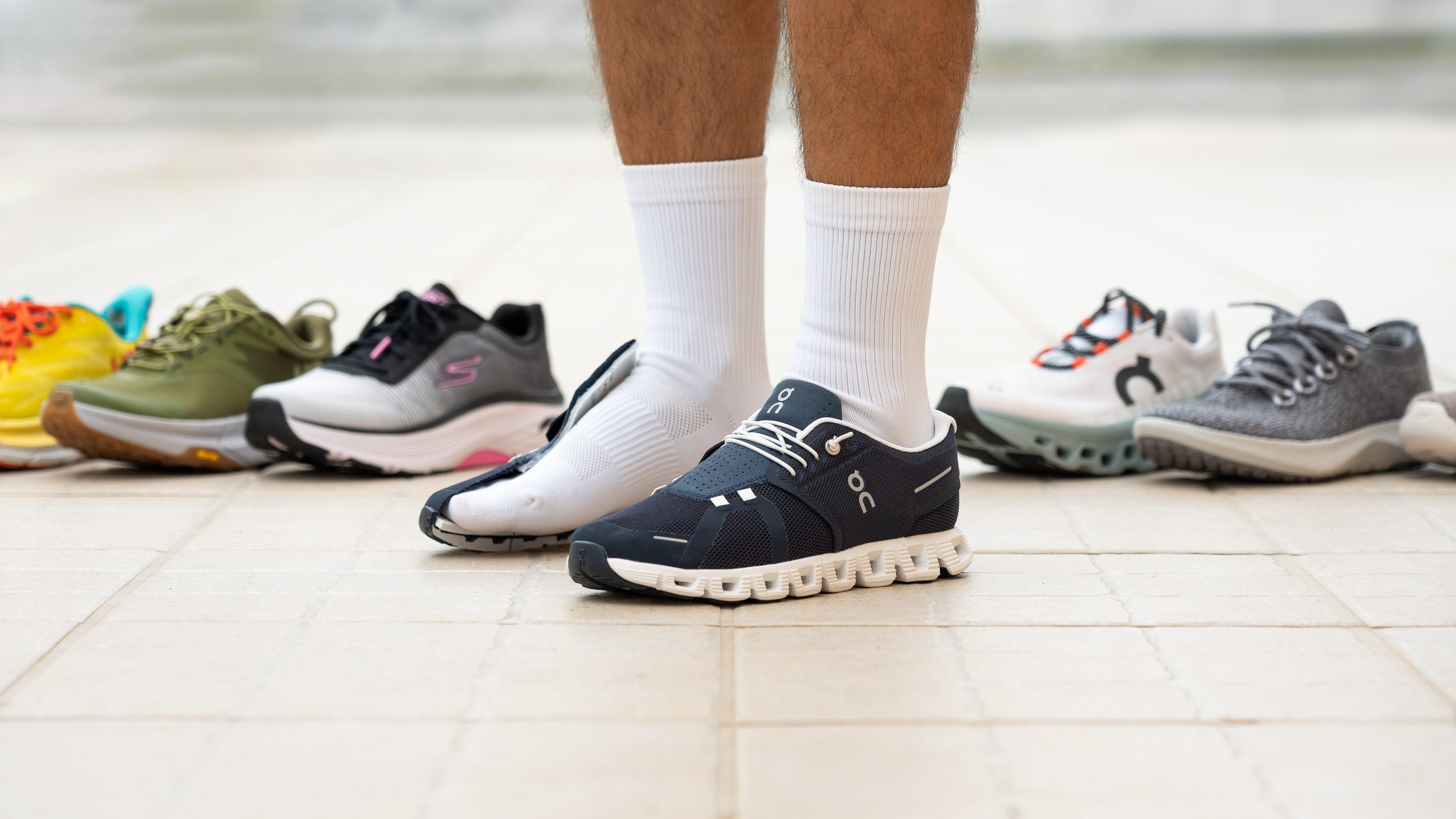
Here is the most critical, yet most overlooked, chapter: fit is everything. A shoe can have all the award-winning technology, but if it doesn’t fit your unique foot, it’s worthless. Your shoe size is a starting point, not a destination. Factors like foot volume (the height of your instep), width (from narrow to extra-wide), and even the shape of your toe box (square, tapered) must be considered. Always try on shoes in the afternoon or evening, as feet naturally swell throughout the day. There should be a thumb’s width of space (about 1/2 inch) between your longest toe and the end of the shoe. The heel should sit snugly without slipping, and the widest part of your foot should align with the widest part of the shoe. Don’t be seduced by the need to “break in” a shoe. As the experts at the American Academy of Orthopaedic Surgeons caution, shoes should feel comfortable immediately. A proper walking shoe welcomes your foot from the very first step. This personalized fit is the final, non-negotiable layer that unlocks all the engineering and design discussed previously.
Investing in Your Stride: Value Over Price
Quality footwear is an investment in your long-term mobility and well-being. While the initial price tag of a premium walking shoe from brands like Brooks, Hoka, or Asics may give pause, consider the cost-per-wear over its 300-500 mile lifespan. A $150 shoe worn daily for a year breaks down to pennies per day for foundational health support. Furthermore, the market offers avenues for value. End-of-season sales, outlet stores, and reputable online retailers frequently offer discounts of 20-40% on previous models, where the core technology remains largely unchanged. Signing up for brand newsletters or following them on social media often grants access to exclusive promo codes. Remember, the most expensive shoe isn’t necessarily the best for you, and the cheapest option often costs more in discomfort or premature replacement. The goal is to find the shoe that fits your foot, your lifestyle, and your budget—a triad that defines true value.

The search for the ideal walking shoe culminates not in a single, universal recommendation, but in a personalized toolkit of knowledge. You now understand that cushioning is a science of impact management, that lightness translates to enduring energy, and that style is the visible expression of intelligent design. You recognize that the right fit is a sacred pact between your anatomy and the shoe’s architecture, and that value is measured in miles of comfort, not just the price on the box. Armed with this guide, step forward with confidence. Your journey—whether it’s ten city blocks or ten scenic miles—deserves a foundation that is both unshakably comfortable and authentically you. The path to better walking begins from the ground up.
