

The Ultimate Guide to Tennis Shoes for Everyday Walking
For years, the idea of using tennis shoes for walking was met with skepticism. The prevailing wisdom suggested that dedicated walking shoes, with their specific rocker soles and stiff constructions, were the only legitimate choice for the serious pedestrian. However, a quiet revolution has been taking place on sidewalks and park paths worldwide. A growing number of walkers are discovering that a well-chosen pair of tennis shoes—designed for the lateral cuts and quick stops of the court—can offer an unexpectedly superb, versatile, and often more affordable platform for daily ambulation. This shift isn’t about mere fashion or convenience; it’s rooted in evolving biomechanical understanding and the demand for footwear that adapts to the complexities of modern, multi-surface urban life. The right tennis shoes for walking can provide a blend of cushioning, stability, and flexibility that dedicated walkers often find lacking in more specialized, and sometimes overly rigid, walking footwear.
The Biomechanical Bridge: Why Tennis Shoes Can Work for Walking
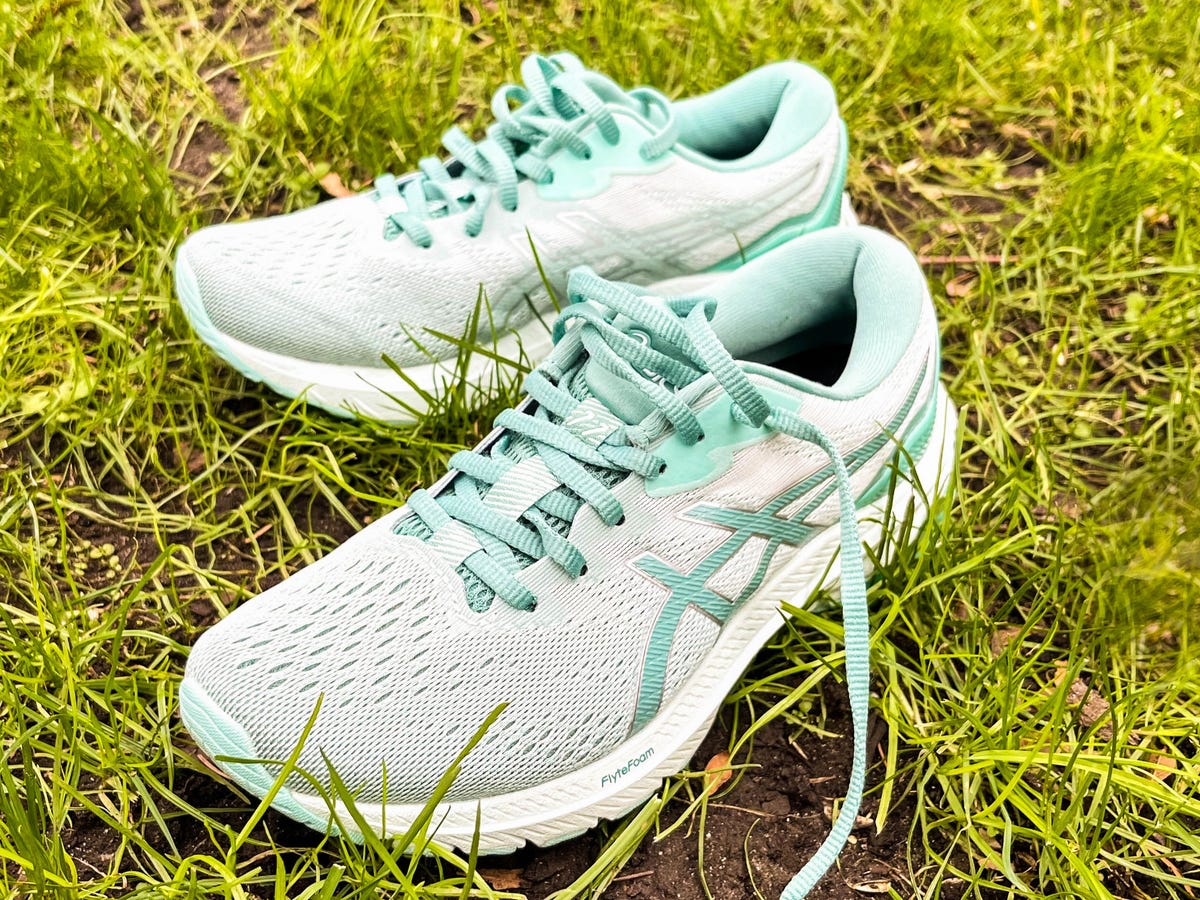
To understand the suitability of tennis shoes for walking, we must first dissect the fundamental mechanics of both activities. Walking is a linear, heel-to-toe motion involving a repetitive gait cycle. The primary demands are on shock absorption at heel strike and a smooth roll-through to toe-off. Tennis, conversely, is a game of explosive multi-directional movement—sprinting forward, sliding laterally, and pushing off for overheads. It demands shoes with exceptional lateral support to prevent ankle rolls, durable toe-drag protection, and cushioning that handles impact from various angles. The intersection lies in the modern tennis shoe’s engineering. Brands like ASICS and New Balance, heavily influenced by running shoe technology, have increasingly incorporated advanced midsole foams like FlyteFoam and Fresh Foam. These materials offer resilient cushioning that dissipates the vertical impact forces of walking effectively. Furthermore, the reinforced “outrigger” or widened lateral sole found in many tennis models, intended for court stability, inadvertently provides a broader, more stable base for walkers, especially on uneven urban terrain. As noted in a biomechanics paper from the University of Calgary’s Human Performance Lab, “Stability in footwear is not merely about preventing inversion or eversion; it’s about creating a platform that allows the foot’s natural mechanics to occur within a safe boundary of motion.” A quality pair of tennis shoes for walking can create precisely this boundary, offering support without the excessive rigidity that can inhibit the foot’s natural flex.
Decoding the Anatomy: Key Features to Seek
Not all tennis shoes are created equal for the purpose of walking. Selecting the right model requires a forensic look at its components. The upper should prioritize breathable mesh over heavy leather to manage heat and moisture during longer walks. Look for strategic synthetic overlays; these should provide structure around the midfoot and heel for a secure lockdown without causing pressure points. The tongue and collar must be well-padded to prevent chafing, a common issue when a shoe designed for intermittent, high-intensity play is used for sustained activity. The midsole is the heart of the matter. Avoid overly firm, “board-like” midsoles common in some heritage tennis models. Instead, seek modern cushioning technologies—Nike’s React, Adidas’s Boost, or the aforementioned ASICS Gel. These materials offer a responsive, energy-returning feel that makes each step less taxing on the joints. The outsole is equally critical. A flat, herringbone-patterned sole is ideal. The ubiquitous herringbone tread provides excellent multi-surface traction, from paved paths to light gravel, without the deep, aggressive lugs of a trail shoe that can feel unstable on concrete. The toe area should have some form of reinforcement, often called a “toe guard” or “bumper,” which adds durability precisely where walkers push off. As tennis legend and footwear analyst Stan Smith once remarked in an interview, “The best court shoes have always been about marrying durability with comfort. That marriage doesn’t end when you step off the clay. It translates directly to the pavement, offering a protective shell that moves with you, not against you.” This philosophy is what you’re harnessing when you choose the right tennis shoes for walking.

Beyond the Hype: Addressing Common Concerns and Misconceptions
A primary objection to using tennis shoes for walking is the perceived lack of adequate arch support. While it’s true that most tennis shoes are not built with the pronounced, corrective arch supports of some orthotic-friendly walking shoes, many offer substantial medial posting or dual-density midsoles to combat overpronation—a biomechanical flaw common in both walking and running. Models like the ASICS Gel-Resolution or the New Balance 996v5 often feature such stability elements. Another concern is weight. Traditional leather tennis shoes can be heavy, but the current market is dominated by lightweight synthetic builds. A modern performance tennis shoe often weighs less than many dedicated walking shoes, enhancing efficiency over distance. The notion that tennis shoes are “too stiff” is also outdated. While they retain more torsional rigidity than a minimalist running shoe to prevent twisting during lateral moves, this very characteristic can benefit walkers by providing a consistent, stable platform that reduces fatigue in the foot’s stabilizing muscles over long distances. It’s a trade-off that, for many, tips in favor of the tennis shoe. Resources like the American Podiatric Medical Association’s footwear guidelines emphasize “adequate heel counter firmness” and “forefoot flexibility” as key tenets—criteria that many contemporary tennis shoes meet admirably.
The Practical Advantage: Versatility, Durability, and Value
Choosing a pair of tennis shoes for walking is an exercise in pragmatic versatility. Your day likely doesn’t segment neatly into “walking time” and “other time.” You walk to the store, stand in line, run errands, and maybe even play a casual game of fetch in the park. A dedicated walking shoe can feel clunky and overtly technical in these settings. A tennis shoe, by its very design heritage, is built for varied activity. Its aesthetic, born from sport, often translates into a cleaner, more casual look that integrates seamlessly into everyday wear. This is the “one-shoe” solution for the active, urban lifestyle. Durability is another unsung advantage. Tennis shoes are constructed to withstand the abrasive punishment of hard courts—the dragging of toes during serves, the friction of lateral slides. This translates to exceptional longevity on pavement. The robust outsole rubber and reinforced uppers will often outlast the softer compounds of many dedicated walking shoes. Finally, let’s talk value. The athletic footwear market is fiercely competitive, with tennis models frequently discounted as new colorways and iterations are released. You can often acquire a technologically advanced, premium-brand tennis shoe for a fraction of the cost of a niche, specialty walking shoe. This democratization of performance means you’re not paying a premium for a single-use label but investing in robust, multi-purpose engineering.

Making the Right Choice: A Personal Fitting Journey
Your journey to finding the perfect pair of tennis shoes for walking is inherently personal. It begins with an honest assessment of your foot type, gait, and walking environment. If you have high arches, you may prioritize plush cushioning; if you have flat feet or tend to overpronate, focus on stability-focused tennis models. The fitting process is non-negotiable. Always try shoes on in the afternoon when your feet are naturally slightly swollen. Wear the socks you intend to walk in. There should be a thumb’s width of space between your longest toe and the end of the shoe. Pay close attention to the heel: it should cradle your foot without slippage. Walk around the store, not just a few steps. Feel for any pinching in the toe box or pressure on the instep. Remember, the goal is a harmonious fit where the shoe feels like a secure, yet responsive, extension of your foot. Don’t be swayed by brand loyalty alone; the model that works for a professional athlete or a fellow walker may not be the right architecture for your unique biomechanics. This process is your most powerful tool in unlocking the benefits of using tennis shoes for walking.
The landscape of everyday footwear is changing. The rigid boundaries between sport-specific categories are blurring, driven by consumer demand for intelligent, adaptable products. Embracing tennis shoes for your daily walks is not a compromise; it’s an informed choice that leverages decades of athletic footwear innovation for a fundamentally human activity. It’s about finding a shoe that offers the protective stability of a court tool, the cushioned comfort of a running companion, and the understated style of an everyday staple. When you lace up the right pair, you’re not just preparing for a walk; you’re equipping yourself for the dynamic, unpredictable rhythm of daily life, one confident, comfortable step at a time.
