

The Ultimate Guide to Tennis Shoes for Everyday Walking
For years, the quest for the perfect everyday walking shoe has led many of us down aisles of specialized footwear, from cushioned running shoes to minimalist trainers. Yet, a compelling and often overlooked contender sits right in the athletic section: the tennis shoe. This guide isn’t about a fleeting trend; it’s a deep dive into why a well-chosen pair of tennis shoes for walking can be a revelation for your daily stride. We’ll move beyond marketing buzzwords and explore the objective engineering, biomechanical support, and versatile design that make these shoes uniquely suited for the urban explorer, the campus commuter, or anyone who values comfort and durability on their feet for hours. Forget what you thought you knew about athletic footwear specialization; the evidence points to a surprising and optimal crossover.
The Foundation: Why Tennis Shoes Are Engineered for Stability
To understand the suitability of tennis shoes for walking, we must first dissect the demands of the sport they were built for. Tennis is a game of explosive lateral movements, sudden stops, and rapid direction changes—all performed on a hard, unforgiving surface. This places a premium on stability, lateral support, and durability in a way that forward-motion running does not. According to biomechanics literature from institutions like the University of Calgary’s Human Performance Laboratory, sports involving multi-directional movement require footwear with a wider base, reinforced midsoles, and robust upper materials to prevent excessive foot roll and ankle inversion. This foundational engineering is the first critical advantage. When you walk, especially on hard urban terrain, your foot doesn’t just move in a sagittal plane; it naturally pronates and supinates, and you make micro-adjustments for curbs, stairs, and uneven pavement. A running shoe, optimized for heel-to-toe linear motion, often lacks the structured heel counter and midfoot shank that a tennis shoe provides to control these multi-planar movements. The result is a walking experience that feels inherently more secure and grounded. The very construction that helps a tennis player pivot without rolling an ankle also supports a walker navigating a crowded sidewalk or a long museum tour, making tennis shoes for walking a scientifically sound choice for stability-centric comfort.
Decoding the Midsole: Cushioning vs. Responsiveness
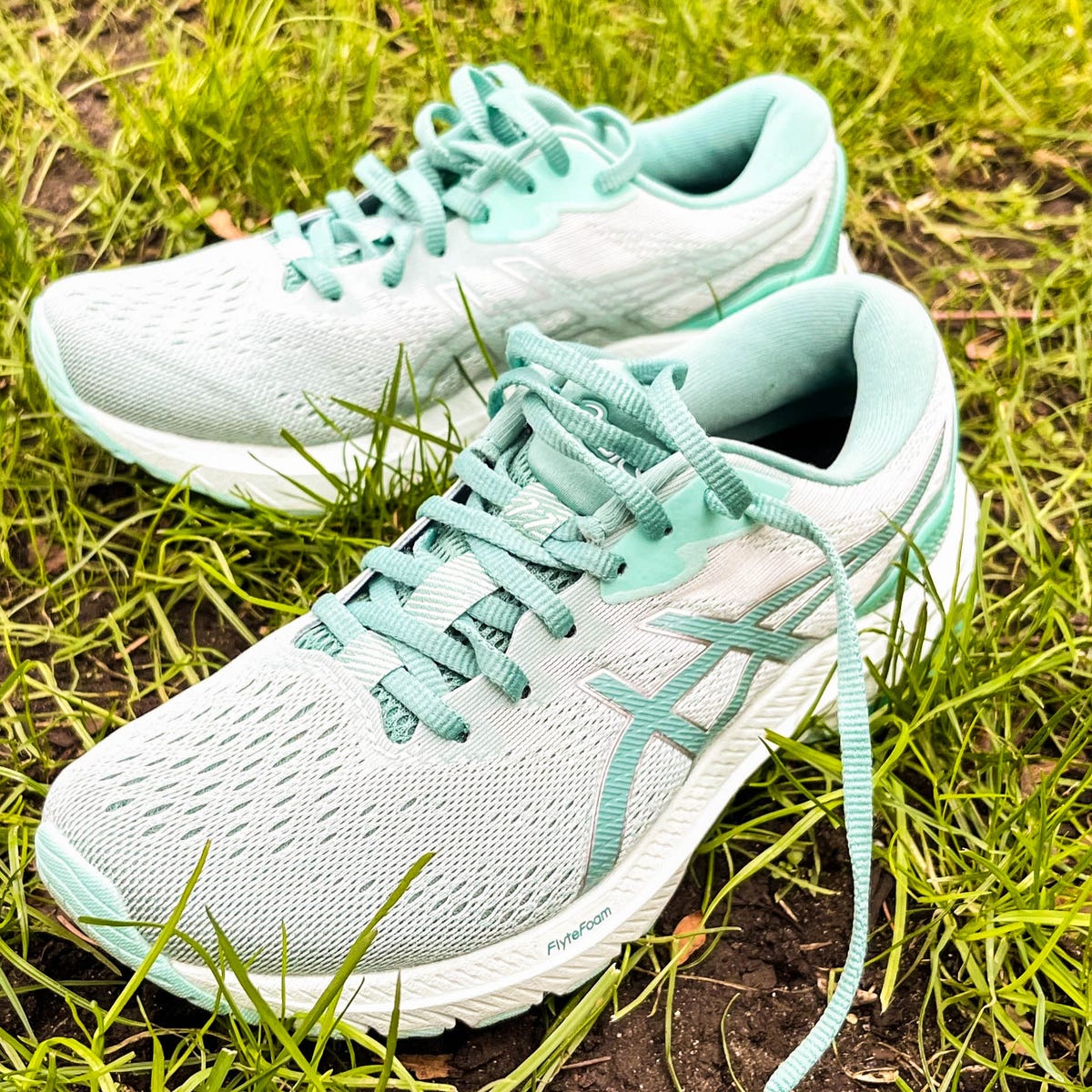
A common misconception is that the softest shoe is the best for walking. While plush cushioning feels good in the store, it can lead to foot fatigue and instability over long distances. This is where the midsole technology in tennis shoes shines. Brands like ASICS, with their GEL technology, and Nike, with their Zoom Air units, develop midsoles that must balance impact absorption with energy return and court feel. A tennis player needs to feel connected to the surface for precise movement but also protected from the jarring impact of constant jumping and sprinting. This creates a midsole that is often more responsive and resilient than the ultra-soft foam in some maximalist running shoes. Dr. Casey Kerrigan, a renowned biomechanist and founder of OESH Shoes, has often discussed in interviews and publications how excessive cushioning can actually dampen the foot’s natural proprioception and spring-like mechanism. The responsive cushioning in a quality tennis shoe provides a supportive platform that attenuates shock from heel strike without creating a mushy, unstable ride. For the everyday walker, this translates to a shoe that supports your natural gait cycle, reduces leg muscle fatigue, and provides a spring in your step mile after mile. When selecting tennis shoes for walking, pay close attention to midsole materials like EVA, polyurethane, or proprietary foams (e.g., Adidas Boost, PWRRUN+ from Saucony) that are known for durability and responsive compression.
The Upper and Outsole: Durability Meets Everyday Practicality
Walk through any city, and you’ll see the casualties of daily wear: shoes with worn-out toes, separated soles, and frayed materials. Tennis shoes are built to withstand the abrasive drag of clay or hard courts, which translates directly to exceptional durability for walking. The uppers are typically constructed from reinforced synthetic leather, durable mesh, or TPU overlays that resist scuffing and tearing. The outsole is perhaps the most telling feature. Made from high-abrasion rubber like Nike’s XDR or a non-marking carbon rubber compound, tennis shoe outsoles are designed for traction and longevity on abrasive surfaces. Compare this to the soft, blown rubber outsoles of many running shoes, which wear down quickly on concrete. The tread pattern is also key. A herringbone or modified tread pattern offers omnidirectional grip, perfect for wet sidewalks, grassy patches, or polished floors. As noted in gear reviews on sites like Wirecutter and Runner’s World, the durability of a tennis shoe’s construction often gives it a significantly longer functional lifespan than comparable running shoes, making it a cost-effective choice. This rugged practicality means your investment in a pair of tennis shoes for walking pays dividends in longevity, saving you money and reducing waste over time.

Selecting Your Perfect Pair: A Buyer’s Framework
Not all tennis shoes are created equal for walking purposes. The market has segments, and understanding them is crucial. The two primary categories are “court-specific” shoes (like clay or grass court shoes) and “all-court” shoes. For walking, an all-court model is universally the best choice, as it offers the best balance of features. Within that, consider your foot type and walking style. Do you have a neutral gait, or do you overpronate? Many tennis shoe models, such as the ASICS Gel-Resolution or the New Balance 996, offer versions with varying levels of arch support and medial posting to promote stability. The fit should be snugger than a running shoe but not tight, with about a thumbnail’s width of space in the toe box to allow for natural foot splay and swelling during long walks. Remember, the goal is to find a tool that supports your unique biomechanics. As renowned podiatrist Dr. Brad Schaeffer has stated in various media appearances, “The right shoe doesn’t change your gait; it supports your natural gait to prevent injury and fatigue.” Trying shoes on in the afternoon when your feet are slightly larger, wearing the socks you typically walk in, is non-negotiable. This personalized approach ensures your chosen tennis shoes for walking become a seamless extension of your body.
Beyond the Hype: Integrating Professional Insight and Value
In an era of influencer marketing, it’s vital to ground our choices in professional insight. Celebrity tennis coaches like Brad Gilbert have often emphasized the importance of footwear as the primary piece of equipment, a sentiment that translates perfectly to walking. On platforms like YouTube, certified pedorthists and physical therapists, such as Bob & Brad, frequently analyze footwear from a medical standpoint, highlighting features like heel counters and torsional rigidity—features inherent to good tennis shoes. Furthermore, value isn’t just about the sticker price. It’s about cost per mile. A high-quality pair of tennis shoes from brands like K-Swiss, Adidas Barricade, or Wilson might retail between $100 and $160. However, their durable construction often means they outlast two pairs of less expensive, softer-soled sneakers. To maximize value, look for previous-season models or sales from reputable retailers, where you can often find premium technology at a 30-40% discount. The investment in a properly fitted, durable pair is an investment in your foot health and walking enjoyment for the long term.

The Verdict on Versatility and Long-Term Foot Health
The case for adopting tennis shoes as your primary walking footwear is built on a triad of stability, durability, and responsive comfort. They are not a compromised “jack-of-all-trades” but a master of the specific demands that everyday mobility places on your body. From the reinforced upper that withstands urban abrasion to the resilient outsole that grips diverse surfaces and the supportive midsole that cushions without compromising, the design philosophy aligns perfectly with the walker’s needs. As we’ve navigated through the biomechanical principles, material science, and practical buying advice, the evidence is clear: this is a purposeful choice, not a casual substitution. Embracing tennis shoes for walking is about recognizing that the best tool for the job might already exist, honed by the rigorous demands of sport, waiting to redefine your daily journey. Step into a pair designed for the dynamic court, and discover how they can transform the simple, essential act of walking into a more secure, comfortable, and enduring experience.

