

The Ultimate Guide to Walking Shoes for Every Outfit
Your footwear is the silent foundation of your daily style and physical well-being. It’s not merely about covering your feet; it’s about choosing a companion that supports your journey, step by step, from a morning commute to an evening stroll. The right walking shoe transcends its basic function, becoming a pivotal element that harmonizes with your wardrobe while safeguarding your biomechanics. This guide is dedicated to unraveling the science and style behind selecting the perfect pair, moving beyond fleeting trends to focus on enduring comfort, technical performance, and aesthetic versatility. We will navigate through the intricate relationship between foot anatomy, shoe technology, and fashion, providing you with the knowledge to make an informed choice that benefits both your posture and your personal style.
The Anatomy of Comfort: Deconstructing the Modern Walking Shoe
To appreciate the engineering marvel of a good walking shoe, one must first understand its components. The upper, typically made from breathable mesh, synthetic leather, or knit fabrics, is responsible for foot containment and ventilation. According to biomechanics literature from institutions like the University of Calgary’s Human Performance Laboratory, proper upper design prevents excessive foot movement within the shoe, reducing shear forces and the risk of blisters. The midsole is the heart of cushioning, often utilizing materials like ethylene-vinyl acetate (EVA) or polyurethane (PU). A 2020 review published in the Journal of Foot and Ankle Research highlighted that midsole density and geometry directly impact energy return and shock absorption, crucial for reducing joint stress during the heel-strike phase of walking. The outsole provides traction and durability; its pattern and rubber compound determine grip on various surfaces. Finally, the insole or sockliner offers immediate comfort and can often be replaced with custom orthotics for personalized support. This layered architecture works in concert to create a stable platform, making the choice of a walking shoe a critical decision for long-term musculoskeletal health.
Synergy with Style: From Business Casual to Weekend Errands
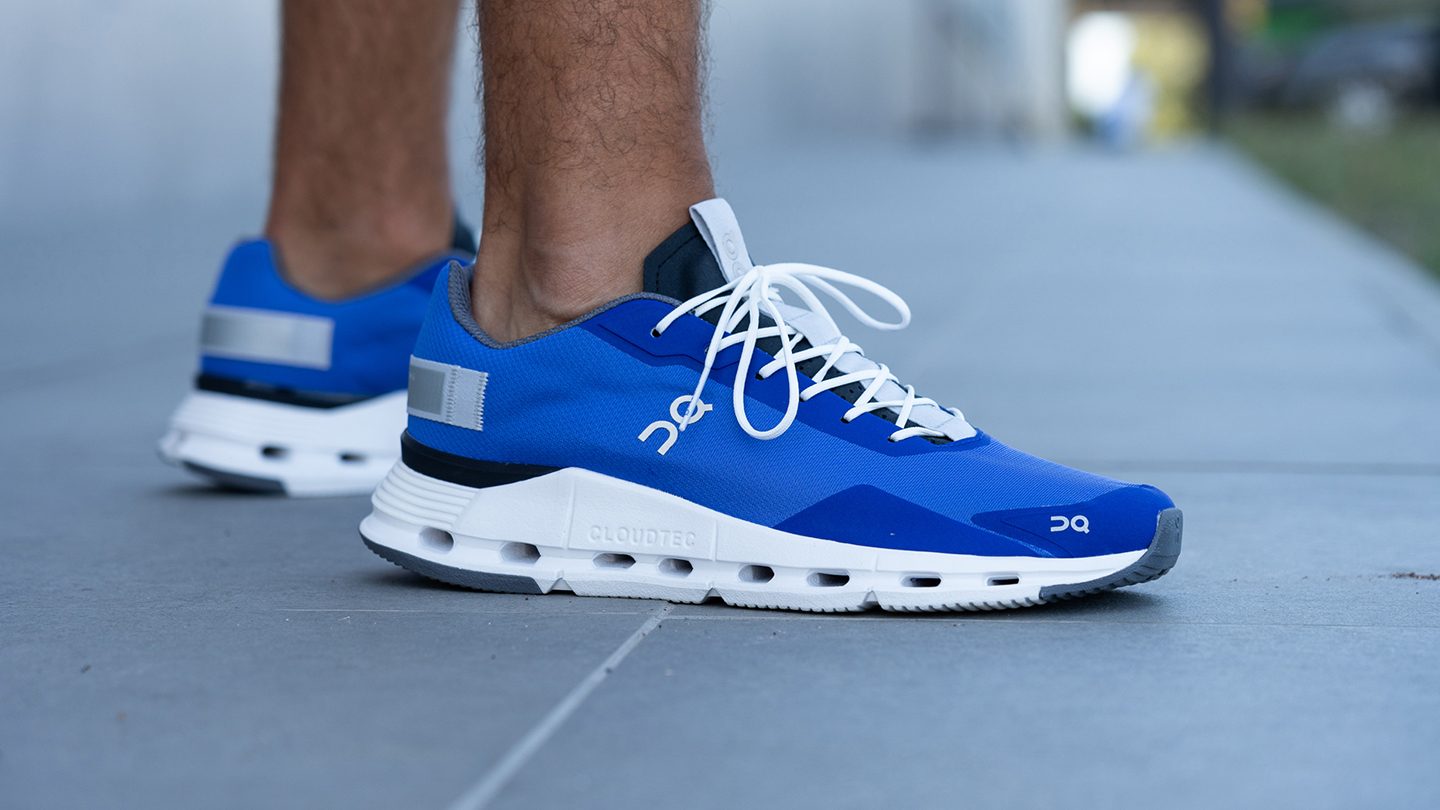
The notion that comfort and style are mutually exclusive is a dated paradigm. Today’s market offers walking shoes designed with a keen eye for aesthetics. For business-casual environments, consider leather or suede sneakers with clean lines and minimal branding. Brands like Cole Haan or ECCO have mastered this hybrid, offering shoes with dress-shoe silhouettes built upon athletic shoe technology. As fashion commentator Tim Gunn once noted, “Style is about self-expression and confidence,” and a shoe that doesn’t cause pain is inherently confident. For smart-casual outfits, classic white leather sneakers or understated tonal trainers pair effortlessly with chinos, tailored joggers, or even midi dresses. The key is proportion and color coordination; a sleek, low-profile shoe maintains a streamlined look. For weekend wear, where functionality might prioritize a long walk in the park, technical sneakers with visible cushioning and mesh uppers become the hero piece. They can be styled with athleisure wear—think tapered sweatpants and a simple tee—creating a look that is both purposeful and polished. The objective is intentional pairing: let the walking shoe complement the outfit’s formality level while never compromising on the engineered support your feet require.

The Scientific Mandate for Proper Support
Ignoring the biomechanical needs of your feet can have cascading effects. Podiatrists and sports medicine experts consistently warn that improper footwear is a leading contributor to conditions like plantar fasciitis, shin splints, and knee osteoarthritis. The act of walking involves a complex gait cycle: heel strike, foot flat, mid-stance, heel-off, and toe-off. A well-designed walking shoe facilitates this cycle. For instance, a study cited in Harvard Health Publishing emphasizes the importance of adequate heel cushioning to attenuate the force of impact, which can be up to 1.5 times your body weight. Furthermore, arch support is not a one-size-fits-all feature. As explained on platforms like Quora by certified pedorthists, individuals with flat feet (overpronation) require motion control shoes with firm medial posts, while those with high arches (supination) need neutral-cushioned shoes with greater flexibility. This isn’t mere opinion; it’s applied physiology. Choosing a shoe that matches your gait, often determined through a gait analysis at a specialty running store, is a non-negotiable investment in your mobility. The right shoe acts as a preventive tool, aligning your joints and distributing pressure evenly.
Curating Your Rotation: A Shoe for Every Scenario
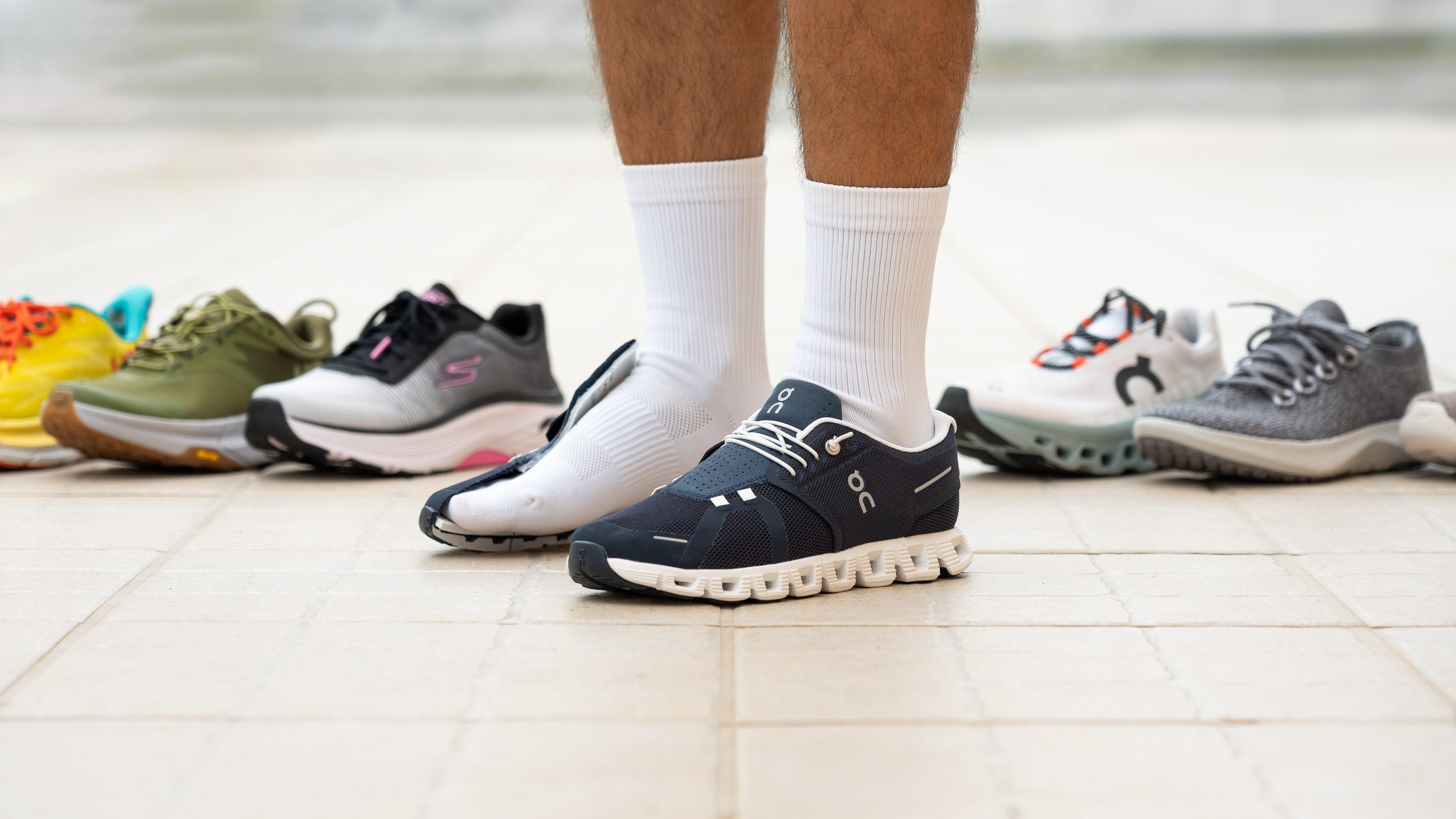
Just as you wouldn’t wear a heavy boot to the beach, relying on a single pair of shoes for all activities is a limitation. Building a small rotation of specialized walking shoes optimizes performance and extends the lifespan of each pair. Consider a tiered approach: First, a primary daily trainer for general walking, commuting, and light activities. This should be your most versatile and balanced pair. Second, a performance-oriented shoe for dedicated long walks, hiking on gentle trails, or travel days with extensive sightseeing. These often feature enhanced cushioning and durability. Third, a style-focused pair that prioritizes aesthetics for social occasions where walking is minimal but looking sharp is paramount. Renowned physical therapist Dr. Kelly Starrett, in his popular YouTube channel “The Ready State,” advocates for varying your footwear to subtly challenge different stabilizing muscles in your feet and ankles, promoting strength and resilience. A rotation also allows shoes to decompress and dry fully between wears, maintaining their structural integrity and hygiene.
Decoding Marketing Jargon: What Features Truly Matter?
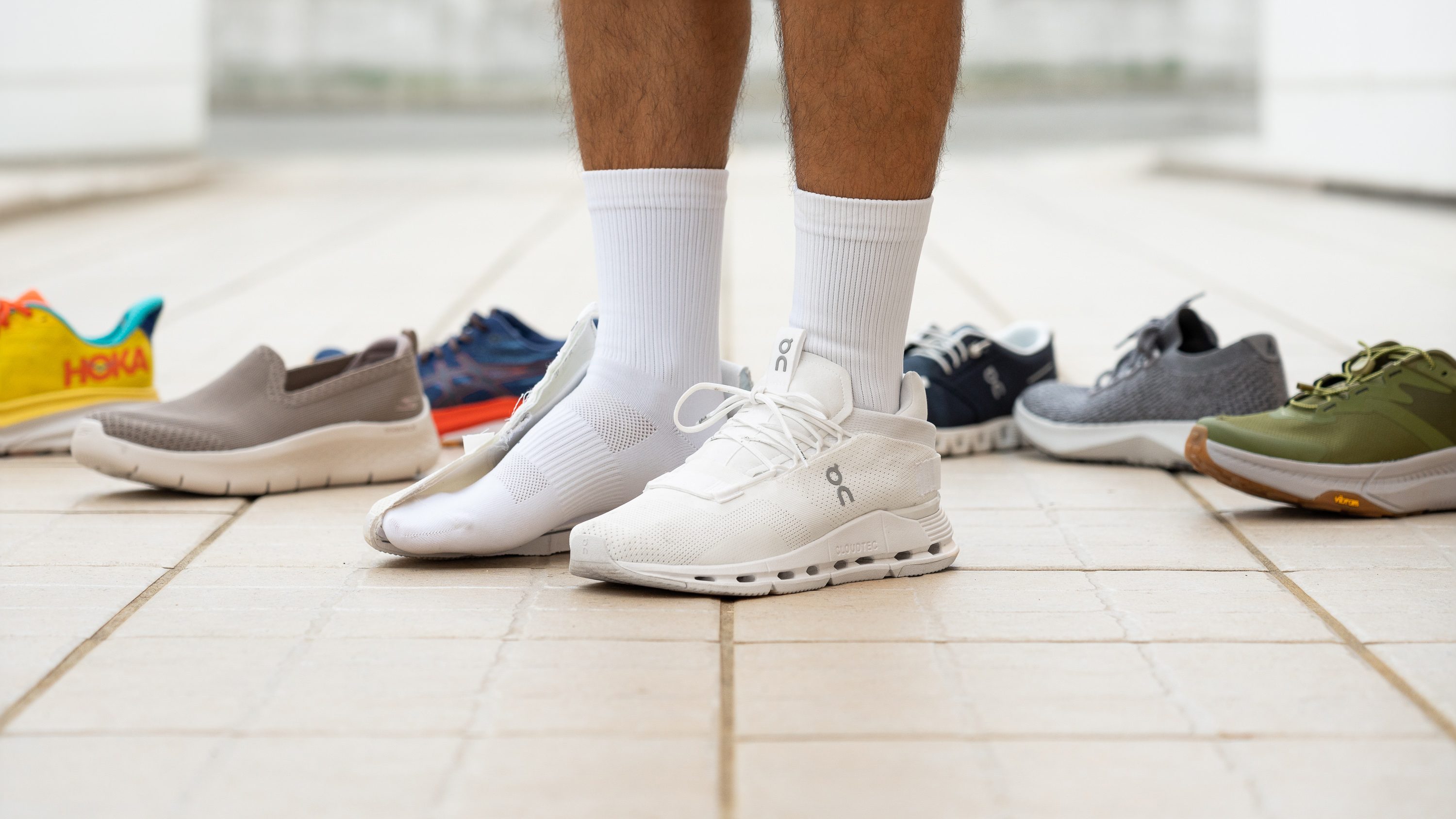
The marketplace is saturated with terms like “energy return,” “adaptive cushioning,” and “propulsion plates.” It’s vital to separate genuine innovation from marketing hyperbole. A reliable source for objective comparisons is expert review aggregator sites like RunRepeat, which conducts laboratory tests on metrics like midsole softness, weight, and flexibility. For the average walker, core features to prioritize are: Heel-to-Toe Drop: The height difference between the heel and forefoot. A lower drop (0-6mm) may encourage a more natural foot strike but requires adaptation; a standard drop (8-12mm) is common and offers familiar comfort. Stack Height: The total thickness of the midsole. Higher stacks offer more cushion but can feel unstable; lower stacks offer better ground feel. Rockered Sole: A curved geometry that promotes a smooth roll-through from heel-strike to toe-off, reducing calf strain. This technology, validated in studies from the Spaulding National Running Center, is particularly beneficial for those with mobility limitations. When evaluating a walking shoe, look for third-party validation and peer reviews rather than relying solely on brand claims.
Investment and Value: Navigating Price and Performance
High price does not always equate to the perfect shoe for you. While premium models from brands like HOKA, Brooks, or New Balance often incorporate the latest materials and research, costing $150-$200, excellent options exist in the $80-$120 range. The law of diminishing returns applies. The key is to identify the features you genuinely need. For example, if you walk primarily on paved surfaces, you likely don’t need a rugged, heavy-duty outsole designed for mountain trails. To find value, monitor official brand websites for seasonal sales, typically during model transitions. Additionally, reputable online retailers often offer previous-generation models at significant discounts—sometimes 30-50% off—with only minor technological differences from the latest version. As financial advisor and author Suze Orman might counsel, “It’s not about how little you spend, but about the value and utility you receive.” Investing in a properly fitted, purpose-built walking shoe that prevents injury is ultimately more economical than dealing with future medical costs and discomfort.
Your journey through city streets, park paths, and daily life deserves a foundation that is both considered and capable. The perfect walking shoe is the one that disappears in its comfort, aligns with your personal aesthetic, and empowers your movement without a second thought. It is a tool for living well, a subtle statement of self-care, and a bridge between the demands of your body and the expressions of your style. By applying the principles of biomechanics, material science, and intentional styling outlined here, you move beyond consumption to curation—selecting footwear that actively participates in and enhances every step of your day.
