

The Ultimate Guide to Vionic Walking Shoes for All-Day Support
Forget the notion that comfort and style are mutually exclusive, especially when it comes to the shoes you wear for hours on end. The quest for footwear that can truly support you from morning to night often leads to a compromise, but it doesn’t have to. This guide cuts through the marketing claims to focus on the biomechanical engineering behind all-day comfort, with a particular lens on one standout category: Vionic walking shoe designs. We’re not just discussing cushioning; we’re delving into the architectural support that can redefine your relationship with the ground beneath your feet.
The Biomechanical Foundation: Why Your Feet Aren’t Wrong, Your Shoes Are
To understand the value of a specialized walking shoe, we must first acknowledge a fundamental truth: the human foot is a marvel of evolutionary engineering, comprising 26 bones, 33 joints, and over 100 muscles, tendons, and ligaments. However, modern lifestyles—characterized by hard, flat surfaces—are an environmental mismatch for this complex structure. Pronation, the natural inward roll of the foot during gait, can become excessive without proper support, leading to a cascade of issues from plantar fasciitis to knee and back pain. The American Podiatric Medical Association consistently emphasizes that footwear is the first line of defense in managing these biomechanical stresses. A study from the University of Virginia’s Motion Analysis and Motor Performance Laboratory highlighted that shoes with integrated orthotic principles can significantly reduce the load on the plantar fascia. This isn’t about adding a soft insole; it’s about providing a structured, biomechanically-correct platform that guides the foot through its natural, healthy motion. This is the precise gap that a well-designed Vionic walking shoe aims to fill, moving beyond mere comfort into the realm of therapeutic intervention for everyday life.
Deconstructing the Vionic Advantage: More Than an Orthotic
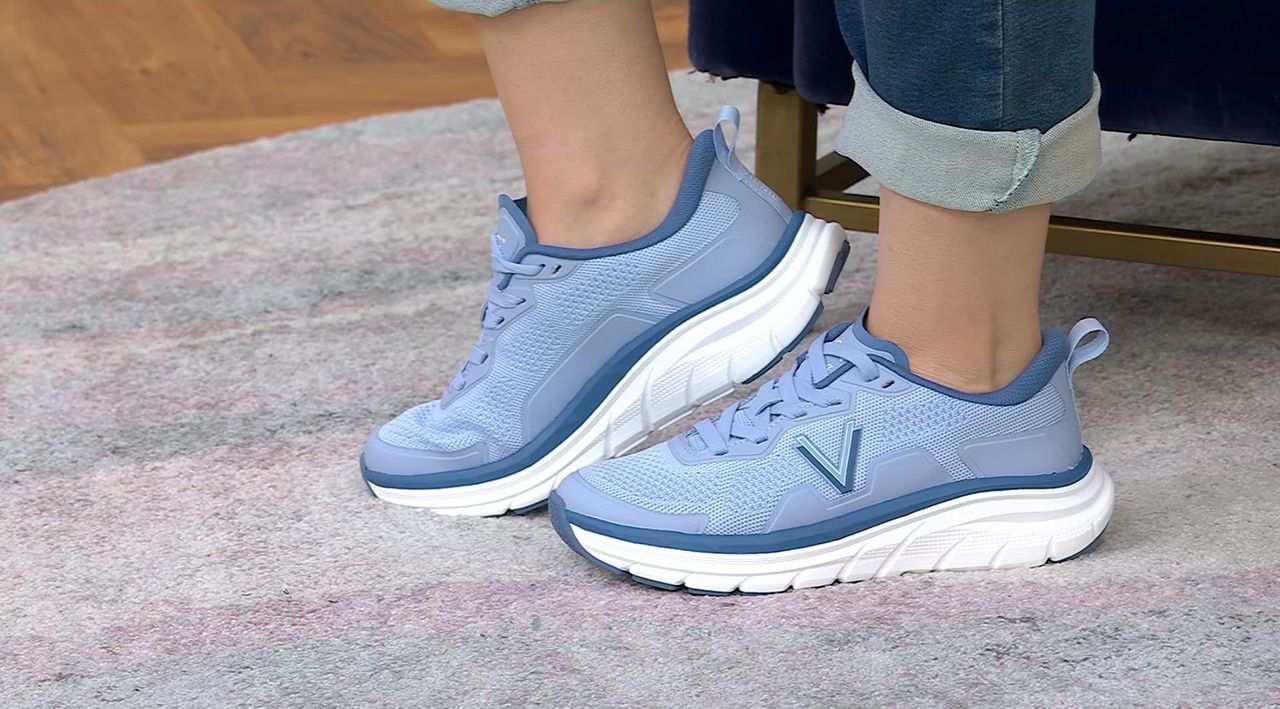
When you examine a Vionic walking shoe, you are looking at a product built around a proprietary technology known as the Vio-Motion Support system. This isn’t a generic arch support slapped into a sneaker. It’s a three-zone comfort system engineered to cradle the heel, support the arch, and allow natural toe movement. The core philosophy aligns with principles from renowned podiatrists like Dr. Andrew Shapiro, who often states that effective orthotic support must control hindfoot motion while allowing forefoot flexibility. Vionic’s approach finds its validation in such professional consensus. The deep heel cup provides calcaneal control, minimizing lateral movement that can strain the Achilles. The arch support is strategically placed to align with the medial longitudinal arch, preventing its collapse—a primary culprit in overpronation. Finally, the forefoot is designed with adequate room and flexibility, acknowledging that the foot is not a static block but a dynamic lever during push-off. This tripartite design transforms the shoe from a passive covering into an active participant in your gait cycle. It’s a concept supported by literature from institutions like the Spaulding National Running Center, affiliated with Harvard Medical School, which underscores the importance of footwear that respects the foot’s natural kinematics while offering precise, corrective support where needed.

From First Step to Ten-Thousandth: The All-Day Experience
Imagine starting your day with a shoe that feels intentionally supportive from the very first step—no “break-in” period of pain required. This immediate comfort is a hallmark reported by many users of Vionic walking shoes. But the true test is hour eight, or step ten thousand. The materials play a critical role here. Many models utilize lightweight, responsive EVA midsoles that absorb shock without bottoming out, while durable rubber outsoles provide essential traction and longevity. The upper materials, often breathable mesh or premium leather, are designed to accommodate natural foot swelling that occurs throughout the day without constriction. This holistic design ensures that the support isn’t just a firm, uncomfortable presence; it’s a consistent, adaptive system. As noted in numerous user testimonials on platforms like Quora and in-depth reviews on sites like Wirecutter, the difference often becomes starkly apparent at the end of a long day. Where conventional sneakers might leave you with a dull ache or burning sensation in your arches, a biomechanically sound shoe allows you to finish the day with your feet feeling supported and energized, not defeated. This sustained performance is what separates a specialty walking shoe from general athletic footwear.
Style Meets Substance: The Evolving Aesthetic of Supportive Footwear
There was a time when “orthopedic shoes” conjured images of clunky, beige, and decidedly unfashionable designs. The modern Vionic walking shoe category has shattered that stereotype. Today, you can find styles ranging from sleek, modern sneakers that wouldn’t look out of place in a casual office setting to sporty designs perfect for weekend adventures. Brands like Vionic have invested heavily in design partnerships and contemporary silhouettes, proving that biomechanical correctness does not require an aesthetic sacrifice. This fusion is crucial because it removes the barrier of self-consciousness, encouraging people to wear supportive footwear consistently, which is key to reaping the long-term benefits. The availability of various colors and designs means you can integrate these shoes seamlessly into your wardrobe, making a commitment to foot health a stylish choice rather than a medical compromise. This evolution mirrors a broader trend in wellness, where products designed for health are increasingly expected to align with personal style, a point frequently highlighted in lifestyle publications and by fashion influencers who also prioritize comfort.

Investment Versus Expense: Understanding the Value Proposition
Let’s address the obvious: a premium walking shoe often carries a higher upfront cost than a mass-market alternative. However, framing this as an expense misses the point; it is an investment in your long-term mobility and well-being. Consider the cost of ongoing treatments for foot conditions: custom orthotics, physical therapy sessions, pain relievers, and lost productivity due to discomfort. A shoe with built-in, podiatrist-developed support can be a proactive measure against these potential costs. Furthermore, the construction quality of these shoes typically translates to greater durability, meaning they won’t need replacing as frequently as a cheaper, less robust pair. To make this investment more accessible, savvy shoppers should look for seasonal sales, discounts on previous models, and bundle offers directly from the manufacturer’s website or authorized retailers. The true value of a Vionic walking shoe isn’t found just in its price tag, but in its return on investment measured in pain-free steps, enhanced daily performance, and the prevention of future musculoskeletal issues. It’s the economics of health, where an upfront investment yields compounding dividends in quality of life.

Making the Right Choice: A Pathway to Better Steps
The journey to finding your ideal walking companion begins with self-assessment. Are you primarily on hard indoor surfaces, or mixed outdoor terrain? Do you have a known tendency to overpronate or supinate? Consulting with a podiatrist or a specialist at a reputable shoe store can provide invaluable insight. When trying on shoes like a Vionic walking shoe, do so in the afternoon when your feet are at their largest. Wear the socks you intend to use and pay attention to the fit across the widest part of your foot, the security of the heel, and the space in front of your toes. The support should feel firm yet comfortable under your arch, not intrusive or absent. Walk around thoroughly, not just a few steps. The right pair will feel like an extension of your body, providing stability without rigidity. Remember, the goal is to find a shoe that works with your unique biomechanics, empowering you to move through your world with confidence, stability, and enduring comfort from your first step to your last.
Ultimately, the shoes you choose for your daily life are not merely accessories; they are foundational tools that influence your posture, your gait, and your overall physical health. Embracing footwear engineered with biomechanical intelligence, such as the principles found in Vionic’s designs, is a decisive step toward reclaiming the joy of movement. It’s an acknowledgment that your feet, which carry you through every journey, deserve the most thoughtful and scientifically-grounded support available.
