

The Ultimate Guide to the Perfect Walking Shoe
Selecting the right footwear is not merely a matter of style or casual preference; it is a foundational decision for your mobility, health, and daily comfort. The quest for the perfect walking shoe is a journey into biomechanics, material science, and personal physiology. This guide strips away the marketing jargon to deliver objective, science-backed insights, empowering you to make an informed choice that supports your body with every step. We will navigate through critical features, debunk common myths, and provide clear, actionable knowledge, all while connecting you with professional perspectives and value-driven options.
The Biomechanical Foundation: Why Your Feet Aren’t All the Same
Before considering brands or colors, understanding your foot’s unique architecture is paramount. The human foot is a complex structure of 26 bones, 33 joints, and over 100 muscles, tendons, and ligaments. Its function during the gait cycle—heel strike, midfoot stance, toe-off—dictates the specific support it requires. A concept central to podiatry and sports medicine is foot pronation: the natural inward roll of the foot after heel contact. While normal pronation is essential for shock absorption, overpronation (excessive inward roll) and supination (insufficient inward roll, or outward roll) can lead to a cascade of issues, from plantar fasciitis to knee and hip pain. Renowned institutions like the American Podiatric Medical Association (APMA) emphasize that improper footwear can exacerbate these biomechanical imbalances. Therefore, the ideal walking shoe acts as a corrective or supportive interface, designed to align with your specific gait pattern. This isn’t anecdotal; it’s a principle supported by orthopedic literature which states that appropriate footwear can reduce ground reaction forces by up to 30%, significantly lowering stress on the musculoskeletal system.
Decoding the Anatomy of a Superior Walking Shoe
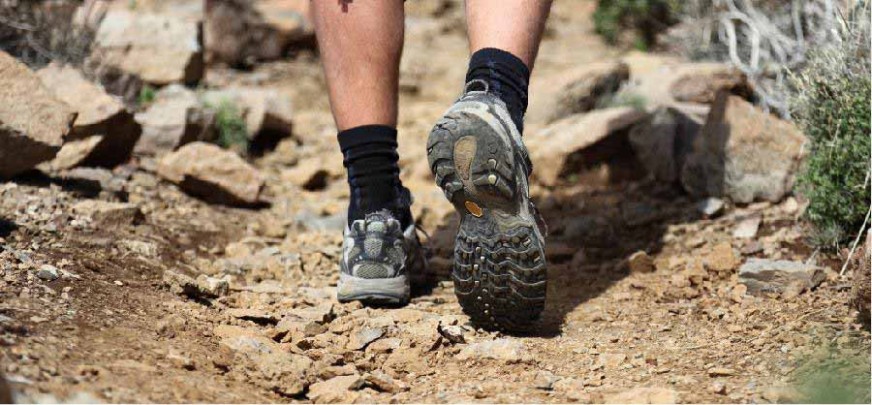
A high-quality walking shoe is an engineered system, with each component serving a distinct purpose. The upper, traditionally made of leather or synthetic mesh, must balance durability with breathability. Modern materials like engineered mesh provide targeted ventilation, a feature often highlighted in reviews on authoritative sites like Runner’s World. The midsole is the heart of the shoe, where cushioning and stability technologies reside. EVA (ethylene-vinyl acetate) foam is ubiquitous for its lightweight cushioning, while advanced compounds like polyurethane or proprietary gels (e.g., ASICS GEL, Brooks DNA LOFT) offer enhanced durability and responsive energy return. The outsole’s rubber compound and tread pattern determine traction and wear resistance. A critical but often overlooked element is the heel counter—the rigid cup at the back of the shoe. A firm, well-padded heel counter is non-negotiable for stabilizing the rearfoot, a point consistently made by podiatrists in educational content. As Dr. Jacqueline Sutera, a New York-based podiatrist, has stated in various media interviews, “A shoe that bends easily in the middle is good, but one that twists easily or has a squishy heel is doing your foot a disservice.” This compartmentalized understanding allows you to scrutinize any shoe beyond its aesthetic appeal.
The Critical Intersection of Cushioning and Stability
The perennial debate in footwear often pits plush comfort against firm support. The truth is, your perfect shoe exists at their intersection. Maximal cushioning, as seen in models like the HOKA Bondi, provides exceptional shock attenuation, ideal for walking on hard urban surfaces or for individuals with joint sensitivities. However, excessive softness without guidance can lead to instability. Conversely, a stability shoe incorporates medial (inner-side) posts, dual-density foams, or structured designs to gently correct overpronation. Brands like Brooks (with its GuideRails technology) and Saucony (with its medial posts) have built their reputations on this principle. The scientific rationale is clear: a study published in the Journal of Orthopaedic & Sports Physical Therapy found that motion-control footwear significantly reduced peak ankle eversion (a component of pronation) in runners. For the walker, this translates to reduced fatigue and injury risk over miles. Your choice hinges on your pronation type, which can be identified through a “wet test” (observing your footprint) or, more accurately, through a gait analysis at a specialty store.
When to Retire Your Faithful Companions: The Lifespan of a Shoe
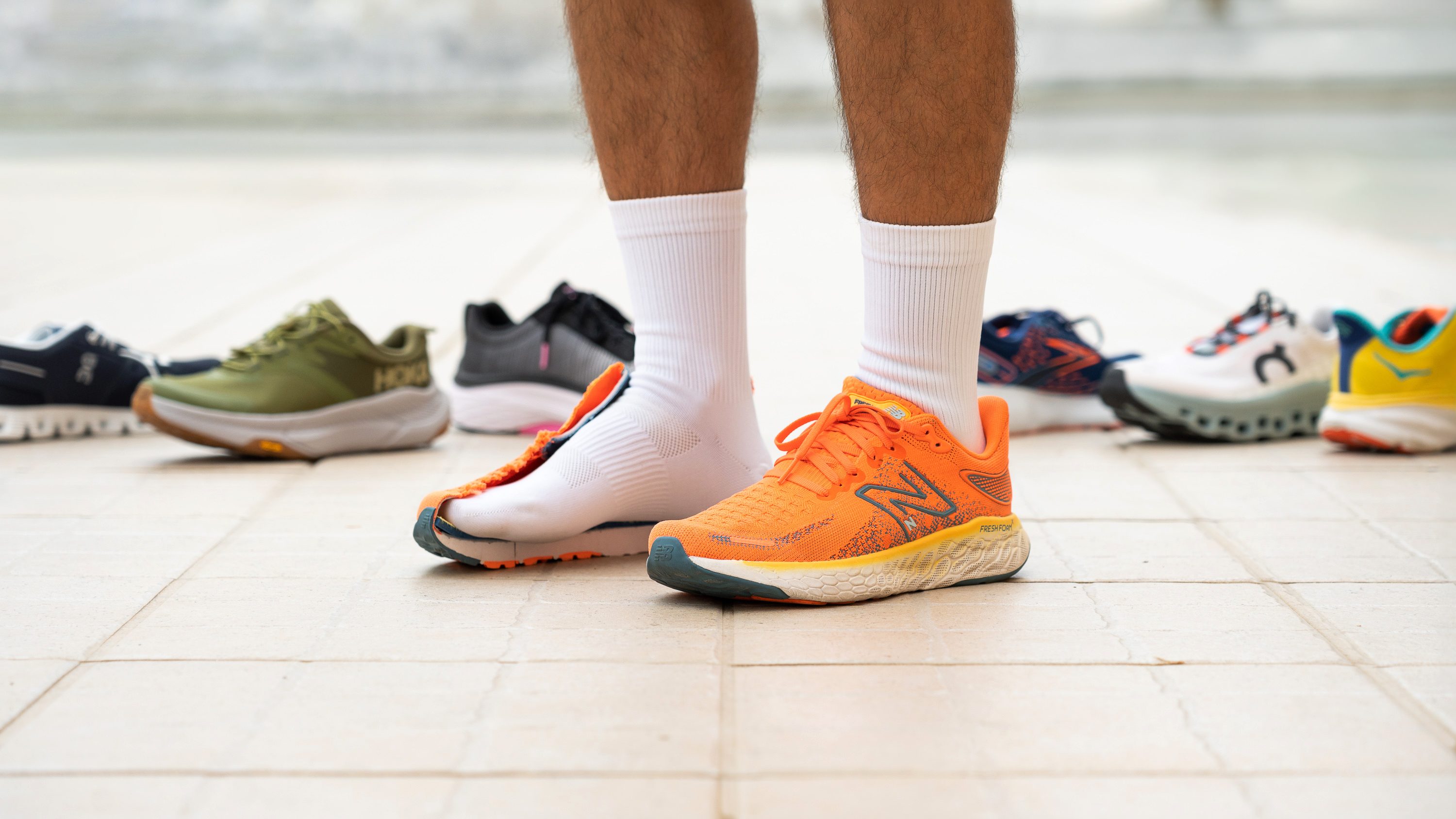
Even the most expertly chosen walking shoe has a finite service life. Relying on worn-out shoes is one of the most common errors committed by dedicated walkers. The primary degrading component is the midsole foam, which compresses and loses its elastic properties long before the outsole tread is fully worn. The general consensus among experts, including those cited on platforms like Verywell Fit, is to replace shoes every 300 to 500 miles. For a daily walker covering 5 miles, this equates to just 2 to 3 months. Visual inspection is unreliable; a shoe can look pristine but be biomechanically dead. Pay attention to your body: new aches in your shins, knees, or back are often the first warning signs. Furthermore, dedicating shoes solely to walking preserves their structure. Using your walking shoes for gardening or other cross-activities accelerates the breakdown of their carefully calibrated support systems. As legendary running coach and author Jeff Galloway has often advised, “Rotate two pairs of shoes. They last longer, and your feet get a slightly different fit and feel, which can reduce repetitive stress.” This practice not only extends the life of each pair but also provides subtle variation to your stride muscles.
:max_bytes(150000):strip_icc()/when-should-i-replace-my-walking-shoes-3436325-0801-7a1840d83573471092e0380f9e230ecc.jpg)
Translating Knowledge into Action: Your Personal Fitting Protocol
Armed with this knowledge, your shopping approach must shift from passive to proactive. First, shop in the afternoon or evening, as feet naturally swell throughout the day. Wear the socks you intend to walk in. There must be a thumb’s width (about half an inch) of space between your longest toe and the end of the shoe to allow for foot splay and swelling during longer walks. Width is as crucial as length; cramped toes can lead to neuromas and bunions. Don’t be seduced by the “break-in” myth; a proper walking shoe should feel comfortable and secure from the first step. Walk around the store, on a hard surface if possible, and pay attention to any points of pinch or slip. The heel should cradle without lift, and the midfoot should feel snug, not tight. Remember, sizing can vary dramatically between brands and even models within the same brand. Your size is not a static number but a starting point for a dynamic fitting process. This personalized protocol is your strongest defense against discomfort and injury, transforming a purchase from a gamble into a guaranteed investment in your well-being.
Beyond the Basics: Specialized Considerations and Value
Your walking environment and personal physiology may demand specialized features. For trail walking, look for shoes with aggressive lugs on the outsole and protective toe caps, such as those from Merrell or Salomon. For those with wider feet or specific conditions like bunions, brands like New Balance and Altra offer generous toe boxes. The economic aspect cannot be ignored. While premium models from Brooks, ASICS, or HOKA often incorporate the latest technology, excellent value can be found in previous-season models or from brands like Skechers Performance, which have received APMA seals of acceptance. The key is to prioritize the structural features—firm heel counter, appropriate cushioning/stability, and proper fit—over superficial aesthetics. Many reputable online retailers offer significant discounts on certified performance models, making advanced footwear technology accessible. Investing in the right pair is ultimately more cost-effective than managing potential medical bills from walking in inadequate shoes.

The perfect walking shoe is not a universal model but a personal tool, meticulously matched to the biomechanical blueprint of your stride and the demands of your path. It is the product of informed selection, not brand loyalty or trend. By applying the principles of biomechanics, material function, and honest self-assessment, you transition from simply wearing shoes to being equipped with a fundamental instrument for health. Let this knowledge guide your steps toward footwear that doesn’t just cover your feet, but actively propels you forward in comfort, stability, and confidence for every mile ahead.
