

The Best Tennis Shoes for Everyday Walking Comfort
When we talk about finding the perfect shoe for all-day walking, the conversation often veers toward specialized walking shoes or running sneakers. However, a category that consistently delivers exceptional comfort, support, and durability—often overlooked for this specific purpose—is the humble tennis shoe. The very design principles that make a great tennis shoe—lateral support, cushioned impact absorption, and durable outsoles—translate remarkably well to the demands of daily pedestrian life. This isn’t about repurposing a worn-out court shoe; it’s about recognizing that modern tennis shoes for walking are engineered with technologies that cater to sustained, multi-directional comfort, making them a secret weapon for urban explorers, busy parents, and anyone who spends significant time on their feet.

The Engineering Behind the Comfort: Why Tennis Shoes Work
The superiority of a tennis shoe for walking isn’t accidental; it’s biomechanically justified. Consider the demands of tennis: sudden stops, rapid lateral cuts, and constant pressure on the ball of the foot. Brands like ASICS, Nike, and New Balance invest heavily in research to address these forces. Technologies like ASICS’ GEL cushioning, originally developed to attenuate shock during running, are integrated into tennis models to handle repetitive impact. Dr. Casey Kerrigan, a former professor of physical medicine and rehabilitation at Harvard, has extensively studied footwear biomechanics. While not speaking specifically about tennis shoes, her research underscores that excessive cushioning in the heel can destabilize gait. A good tennis shoe often features more balanced cushioning, promoting a more natural foot strike—a critical factor for walkers. Furthermore, the need for stability on court translates to features like reinforced midsoles and supportive heel counters. These elements prevent excessive inward rolling (overpronation), a common issue during long walking sessions that can lead to knee and hip pain. Therefore, when you choose a well-designed tennis shoes for walking, you’re not just getting a sneaker; you’re getting a piece of sports engineering adapted for daily stability.
Key Features to Prioritize in Your Search
Navigating the market requires knowing what to look for. First, focus on midsole technology. This is the engine of comfort. EVA foam is common, but look for proprietary blends like Adidas’ Boost or Nike’s React foam, which offer superior energy return and longevity. A study from the University of Calgary’s Human Performance Laboratory noted that materials with higher energy return could reduce metabolic cost in runners—a principle that can ease fatigue for walkers. Second, examine the outsole. Tennis shoe outsoles are made of durable, non-marking rubber with herringbone or modified patterns for multi-surface traction. This durability is a boon for walkers, as it means the shoe will withstand pavement abrasion far longer than a standard running shoe with a softer outsole. Third, consider the upper construction. Breathable mesh is essential for temperature regulation, but look for strategic reinforcements in the toe box (for durability) and around the midfoot (for lockdown). A secure, comfortable fit prevents blister-causing friction. As noted on authoritative review sites like Runner’s World and Wirecutter, a secure heel fit is paramount to prevent slippage, a feature meticulously designed in performance tennis shoes.

Debunking the Myths: Tennis Shoes vs. Dedicated Walking Shoes
A common misconception is that a shoe designed for a sport must be inferior for casual use. Let’s dismantle this. Traditional walking shoes often prioritize a flexible forefoot and a rocker sole to propel you forward. While effective, they can lack the comprehensive support needed for varied terrains or longer durations. A tennis shoe, by contrast, is built for constant, unpredictable movement. It provides a stable platform that controls motion in all planes—forward, backward, and side-to-side. This makes it exceptionally versatile. Furthermore, the cultural perspective is shifting. In his book “Shoe Dog,” Nike co-founder Phil Knight didn’t just create running shoes; he created a culture of athletic apparel for everyday life. This ethos has permeated design, blurring the lines between sport-specific and lifestyle footwear. The cushioning in a top-tier tennis model like the Nike Air Zoom Vapor Cage rivals that of many premium walking shoes. The takeaway? The categorical boundary is artificial. The best tool for the job is the one that fits your foot and meets the biomechanical demands. For millions, that tool is a pair of tennis shoes for walking.
A Curated Selection: Models That Excel on Pavement
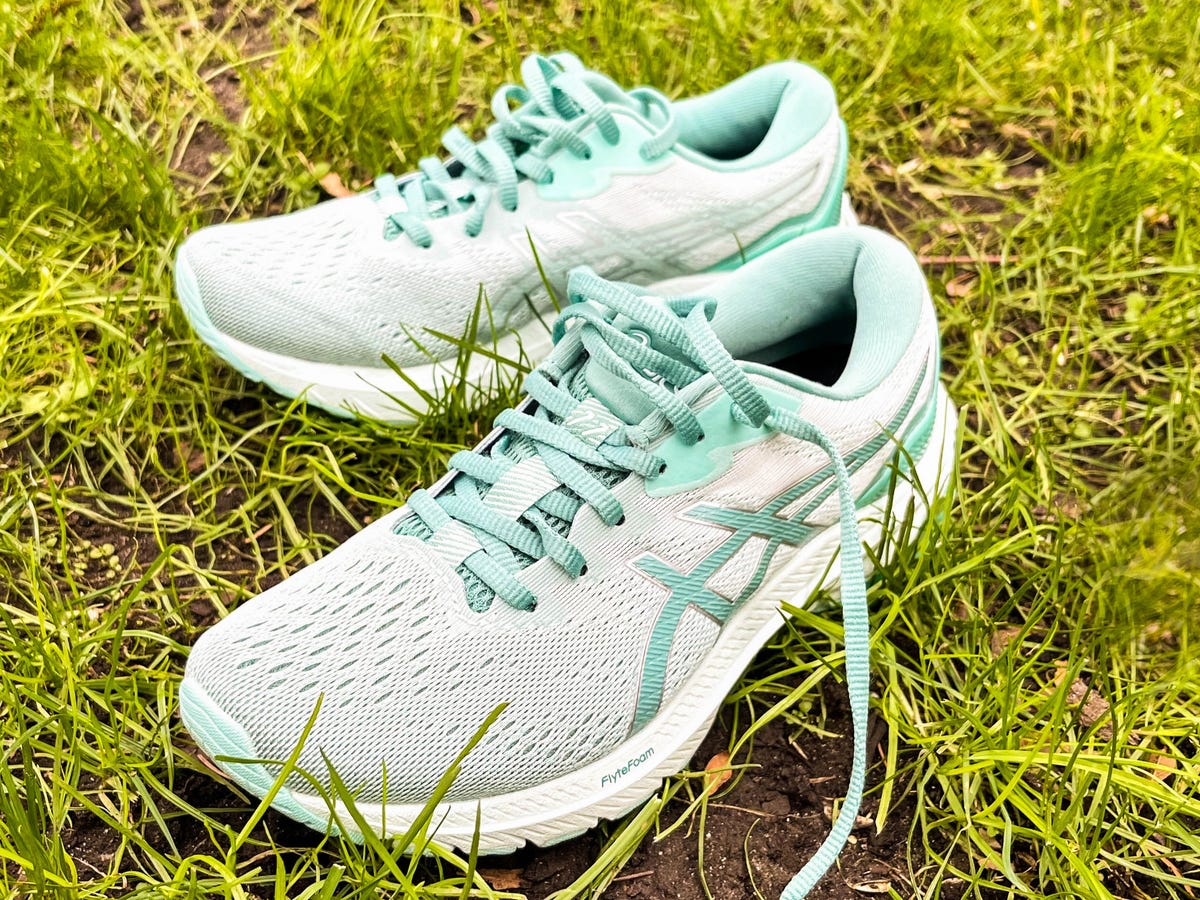
Let’s translate theory into practice. Here are categories of tennis shoes that exemplify walking-ready attributes. First, the Cushion-First Powerhouse. The ASICS GEL-Resolution series is renowned for its plush yet responsive feel. The GEL technology in the heel and forefoot absorbs shock brilliantly, a feature highlighted in countless reviews on platforms like Tennis Warehouse. For walkers, this means reduced joint stress over miles. Second, the Balanced Performer. The New Balance Fresh Foam Lav embodies modern comfort. New Balance’s Fresh Foam is a single-density foam that provides a smooth, cushioned ride without excessive softness that can destabilize. Its sleek design and durable outsole make it a top contender. Third, consider the Durable Workhorse. The Adidas Barricade line has a legacy of toughness. With its Adiwear outsole and supportive frame, it’s built to last, making it a cost-effective choice for daily wear. Investing in one of these models is an investment in all-day comfort. You’ll notice the difference during that third errand or the evening stroll where your feet still feel supported and fresh.
The Professional and Practical Perspective
Beyond specifications, real-world validation matters. On YouTube, certified podiatrist Dr. Brad Schaeffer frequently analyzes athletic shoes, emphasizing the importance of arch support and toe box space—features prevalent in performance tennis shoes. He notes, “A shoe that keeps your foot stable during dynamic activity often provides the foundational support needed for prolonged static standing or walking.” This expert opinion bridges the gap between court and sidewalk. From a practical standpoint, the value proposition is clear. While premium models retail between $120 and $160, their durability often outlasts two pairs of cheaper, less supportive sneakers. Furthermore, last season’s colorways or models can frequently be found at 30-40% discounts on sites like Amazon, Zappos, or directly from brand outlets. This brings professional-grade technology to users at accessible price points. The goal isn’t to spend more, but to spend smarter on footwear that actively contributes to your musculoskeletal health. Choosing the right tennis shoes for walking is a proactive step in self-care.

The quest for all-day walking comfort doesn’t require a niche product. It requires a shoe built on principles of support, durability, and impact management. Tennis shoes, born from the rigorous demands of court sports, embody these principles perfectly. They offer a fusion of athletic performance and lifestyle comfort that dedicated walking shoes sometimes miss. By understanding the technology, prioritizing key features like a supportive midsole and durable outsole, and selecting from proven models, you can transform your daily mobility. Your feet support your entire life; it’s time to return the favor with footwear engineered to support them. Embrace the versatility and engineered comfort of a dedicated pair of tennis shoes for walking, and feel the difference with every step you take.
