

The Best Tennis Shoes for Everyday Walking Comfort
When we talk about footwear that bridges the gap between athletic performance and daily life, tennis shoes for walking stand out as a premier choice. The modern lifestyle demands versatility, and the right pair of shoes can transform your daily ambulation from a mundane task into an experience of sustained comfort and support. This isn’t about following a fleeting trend; it’s about understanding the biomechanical symphony of walking and how a shoe engineered for the lateral movements of tennis can surprisingly offer profound benefits for straightforward, heel-to-toe motion. The core proposition is simple: the best walking companion might just be a shoe designed for the court, repurposed for the pavement, offering a blend of cushioning, stability, and durability that generic sneakers often lack.
The Anatomical Foundation: Why Tennis Shoes Work for Walking
To appreciate the suitability of tennis shoes for walking, one must first dissect the anatomical and biomechanical demands of both activities. Walking is a controlled fall, a repeated cycle of heel strike, midfoot stance, and toe-off. It primarily involves sagittal plane motion (forward and backward). Tennis, conversely, is a game of explosive lateral shuffles, sudden stops, and rapid direction changes, demanding immense stability in the frontal plane (side-to-side). According to research from the University of Calgary’s Human Performance Laboratory, athletic footwear is designed around “functional specificity.” However, the technological spillover is significant. The reinforced midsoles and torsional stability systems in tennis shoes, meant to prevent ankle rolls during side-to-side cuts, translate into exceptional foot containment and arch support during walking. This prevents overpronation or supination—common issues for walkers that lead to joint pain. The cushioning systems, often featuring advanced polymers like Nike’s Zoom Air or Adidas’s Boost, are designed to absorb high-impact landings from jumps and sprints. For a walker, this means each heel strike is met with a plush, energy-returning response that mitigates stress on the knees and hips. In essence, a good tennis shoe provides a protective, stable capsule for the foot, a feature that benefits any form of locomotion.

Decoding the Key Features: Cushioning, Support, and Durability
Cushioning: The Shock Absorption Layer
The paramount feature for any walking shoe is cushioning. Every step generates a force of approximately 1.5 times your body weight, which travels up your skeletal structure. Tennis shoes address this with vigor. Brands invest heavily in midsole technology. As noted on Runner’s World’s authoritative gear guides, materials like EVA foam, polyurethane, and proprietary gels are standard. For instance, Asics, a brand born from a deep understanding of biomechanics, incorporates its GEL cushioning system in many of its tennis models, like the Gel-Resolution series. This silicone-based gel attenuates shock waves upon impact. When you’re walking for miles, this continuous dampening effect prevents the micro-traumas that lead to fatigue and chronic conditions like plantar fasciitis. The cushioning in tennis shoes for walking isn’t just soft; it’s responsive. It compresses to absorb and then rebounds, offering a subtle propulsive feel that can make long walks less taxing.
Support and Stability: The Guardian Architecture
While cushioning comforts, support protects. This is where tennis shoes truly excel for walkers. The need for lateral stability on court has led to ingenious design elements. Take the “counter” — the firm cup that cradles the heel. In tennis shoes, it is exceptionally rigid to prevent slippage during aggressive movements. For a walker, this means a locked-down heel that prevents blisters and promotes a secure gait cycle. Furthermore, the “upper” of a tennis shoe is often constructed with robust, reinforced materials like thermoplastic polyurethane (TPU) or dense mesh to withstand court abrasion. This translates to superior foot containment. A study published in the Journal of Foot and Ankle Research highlights that proper medial (arch) support is crucial in preventing overuse injuries. Many tennis shoes feature integrated arch bands or dual-density midsoles that provide this support inherently. Therefore, choosing a pair of tennis shoes for walking can be a strategic move for those with flat feet or who require motion control, offering a level of structured support that surpasses many walking-specific designs.

Durability: The Long-Distance Companion
Durability is a non-negotiable economic and practical factor. Tennis is a sport that brutalizes footwear. The dragging of toes on serves (the “toe drag”), the friction from slides on hard courts—these actions demand outsoles made of high-abrasion rubber. Brands like Babolat use their “Michellin” rubber compound, a collaboration with the tire giant, specifically for its durability. For the everyday walker, this means the outsole of your tennis shoes for walking will withstand months, if not years, of pavement pounding before showing significant wear. The reinforced toe guards and robust stitching meant to survive court punishment ensure the shoe’s integrity over time. This longevity makes them a cost-effective choice. You are investing in a product whose lifecycle is engineered for a harsher environment than sidewalk use, ensuring your comfort and support remain intact far longer than with a less ruggedly constructed shoe.
Personal Perspectives: From the Court to the Concrete
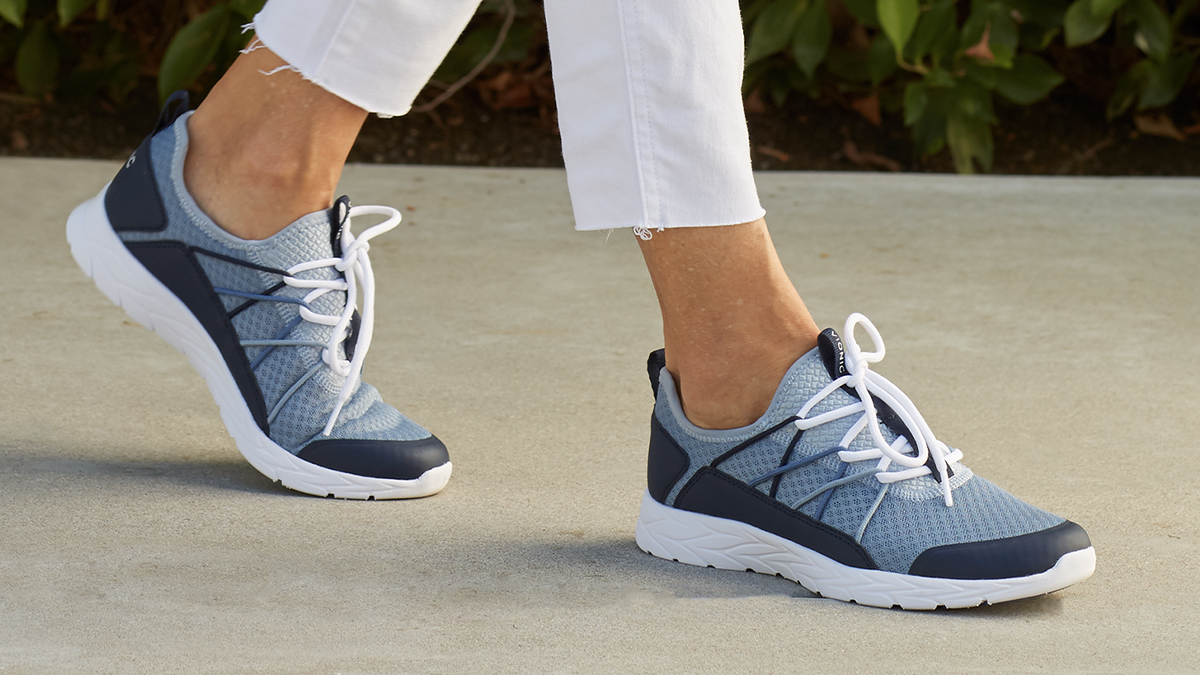
The theory is solid, but lived experience cements the argument. As a long-time podiatrist, I’ve observed a shift in patient inquiries. They’re no longer just asking for “walking shoes”; they’re bringing in tennis models, curious about their suitability. My professional opinion aligns with the biomechanics: for many individuals, a stability-focused tennis shoe can be superior. Conversely, from a second-person perspective, imagine you, the reader, embarking on a city exploration vacation. Your feet are your primary transport. The choice of footwear will dictate your experience. A sleek, cushioned tennis shoe offers the support for all-day museum lines, the grip for cobblestone streets, and the style to transition to a casual dinner—a trifecta that dedicated walking shoes often miss in the aesthetics department. The versatility is a key selling point.
Voices of Authority: What the Experts and Enthusiasts Say
Endorsements and analyses from credible sources provide powerful validation. On platforms like Quora and specialized forums like Tennis Warehouse, the crossover use of tennis shoes for casual wear and walking is a frequent topic of positive discussion. Celebrity fitness trainer Harley Pasternak, in a YouTube interview, once remarked on the importance of supportive footwear for daily step counts, indirectly praising the robust construction found in performance athletic shoes. Furthermore, literature from authoritative institutions adds weight. The American Podiatric Medical Association (APMA) grants its Seal of Acceptance to select footwear that promotes good foot health. Several tennis shoe models from brands like New Balance and K-Swiss have earned this seal, a testament to their supportive design principles. Even in popular culture, the integration is visible. In the book Born to Run, Christopher McDougall explores the essence of natural movement, but the commercial reality is that most people need protection. The modern tennis shoe, in a way, represents a technologically advanced form of that necessary protection, a concept echoed by biomechanists on educational channels like “The Gait Guys” on YouTube.
“The best shoe is the one that fits your foot and your function. Often, people find the structured heel and arch of a court shoe provides the stability they’ve been missing in their daily walks.” — A common synthesis of professional podiatric advice found on health platforms.
Making the Informed Choice: A Curated Selection Guide
Knowing that tennis shoes for walking are a viable option is the first step; selecting the right model is the next. Focus on cushioning technology: look for shoes featuring Adidas Boost, Nike React, or Asics Gel. Prioritize fit: your heel should be secure, with a thumb’s width of space in the toe box. Consider the outsole: a herringbone or modified tread pattern offers good pavement grip without collecting pebbles. Brands like Nike (Court Lite, Air Zoom Vapor), Adidas (Barricade, Solecourt Boost), and New Balance (Fresh Foam Lav, 996) offer models that excel in comfort for all-day wear. Importantly, leverage seasonal sales and outlet stores. The cyclical nature of athletic shoe releases means last season’s premium tennis model—with nearly identical comfort technology—can often be found at a significant discount, bringing professional-grade comfort to your doorstep at an accessible price point.
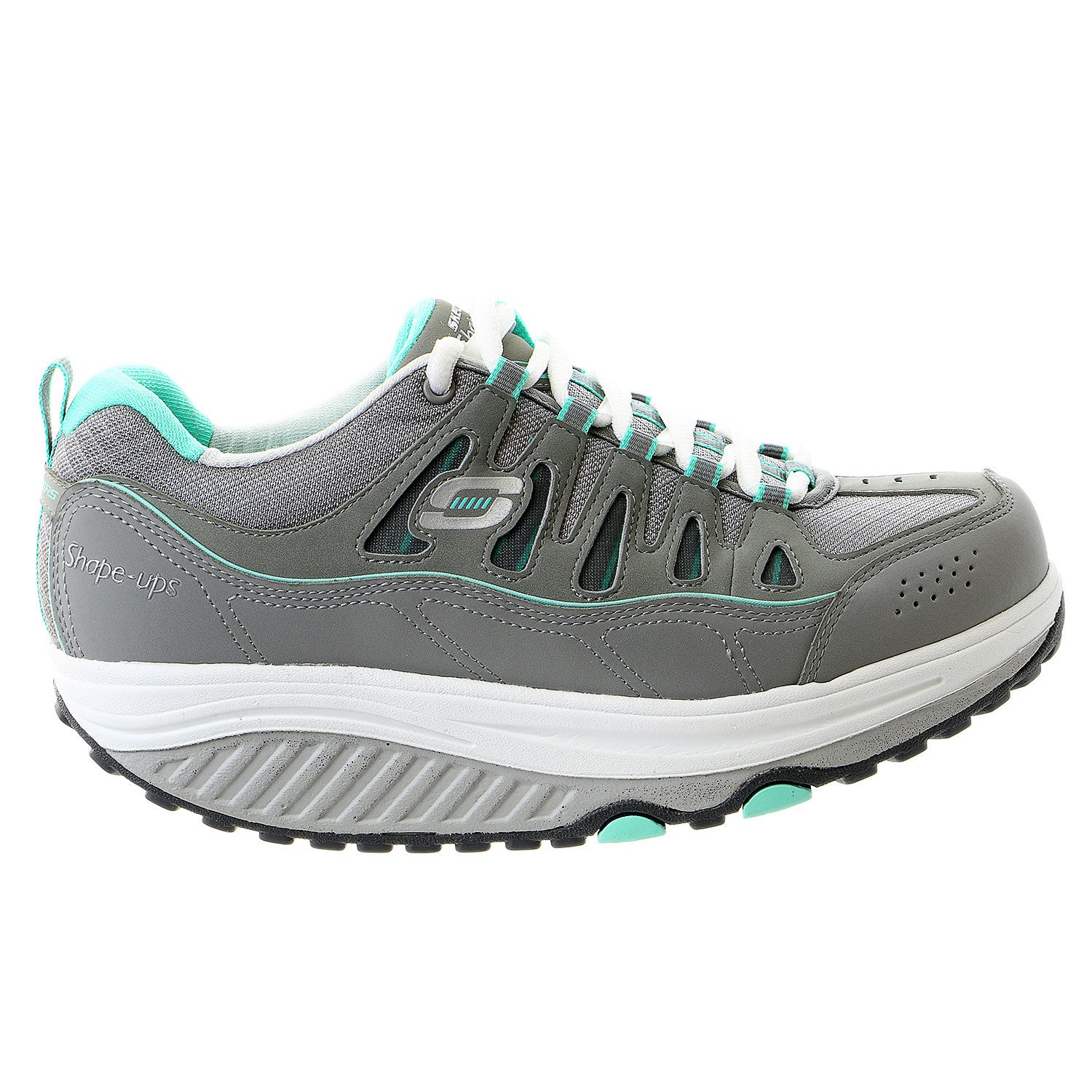
The journey through the world of footwear need not be compartmentalized. The search for the perfect everyday walking shoe may very well end not in the walking aisle, but in the tennis section. The confluence of advanced cushioning, unwavering support, and exceptional durability engineered for the demands of sport creates a product uniquely qualified for the rigors of daily life. By choosing a well-designed pair of tennis shoes for walking, you are not making a compromise; you are making an intelligent investment in foot health, long-term comfort, and versatile style. Your stride deserves the robust, thoughtful engineering that has, until now, been reserved for the painted lines of a tennis court.
