

The Best Tennis Shoes for All-Day Walking Comfort
Finding the perfect pair of shoes for extended periods on your feet is more than a matter of casual preference; it’s a critical decision impacting your musculoskeletal health, energy levels, and overall well-being. While specialized walking shoes exist, a surprising and often superior contender comes from the sports world: the modern tennis shoe. The evolution of tennis shoes for walking has transformed them from court-specific gear into versatile powerhouses for daily ambulation. This article delves into the objective, scientific reasons why a well-chosen tennis shoe can be your ultimate ally for all-day comfort, moving beyond marketing hype to the biomechanics and design principles that make them exceptional.
The Unlikely Synergy: Tennis Biomechanics Meet Urban Walking
To understand why tennis shoes excel, we must first dissect the demands of tennis. As noted in biomechanics literature from institutions like the University of Calgary’s Human Performance Laboratory, tennis involves multi-directional sprints, sudden stops, lateral cuts, and constant weight shifting—all on a typically hard surface. This creates a unique set of requirements: exceptional lateral stability to prevent ankle rolls, a durable yet flexible outsole for traction in all directions, ample forefoot cushioning for explosive pushes, and robust heel counter for rearfoot stability during serves and landings. Now, translate these to city walking. While you may not be performing lunges for a drop shot, urban terrain demands constant micro-adjustments—stepping off curbs, navigating uneven pavement, pivoting to avoid obstacles. The inherent stability and multi-surface traction of a tennis shoe provide a protective, secure platform that many dedicated walking shoes, optimized primarily for straight-line heel-to-toe motion, lack. The reinforced upper and supportive structure guard against the subtle, repetitive strains that lead to fatigue, making tennis shoes for walking a scientifically sound choice for dynamic environments.

Deconstructing Comfort: Cushioning, Support, and Breathability
The Cushioning Conundrum: Responsive vs. Plush
Cushioning is often the first feature shoppers seek, but the type of cushioning is paramount. Running shoes, for instance, often employ thick, soft midsole foams like EVA or polyurethane to absorb vertical impact. However, as noted by podiatrists on platforms like Quora and in journals from the American Podiatric Medical Association, excessive softness can destabilize the foot, leading to increased muscular effort to maintain balance over long periods—a phenomenon known as “energy sink.” Tennis shoes strike a nuanced balance. Brands like ASICS, with their GEL technology, or Nike, with Air Zoom units, often use firmer, more responsive cushioning systems. These are designed to absorb the high-impact, multi-directional forces of tennis while returning energy and maintaining stability. For walking, this translates to a supportive platform that cushions your stride without feeling mushy. Your foot isn’t sinking in with each step; it’s being propelled forward with controlled comfort, reducing fatigue in your calves and arches over miles. This responsive cushioning is a core reason why many find tennis shoes for walking more sustainably comfortable than overly soft alternatives.
Arch Support and Motion Control: Beyond the Insole
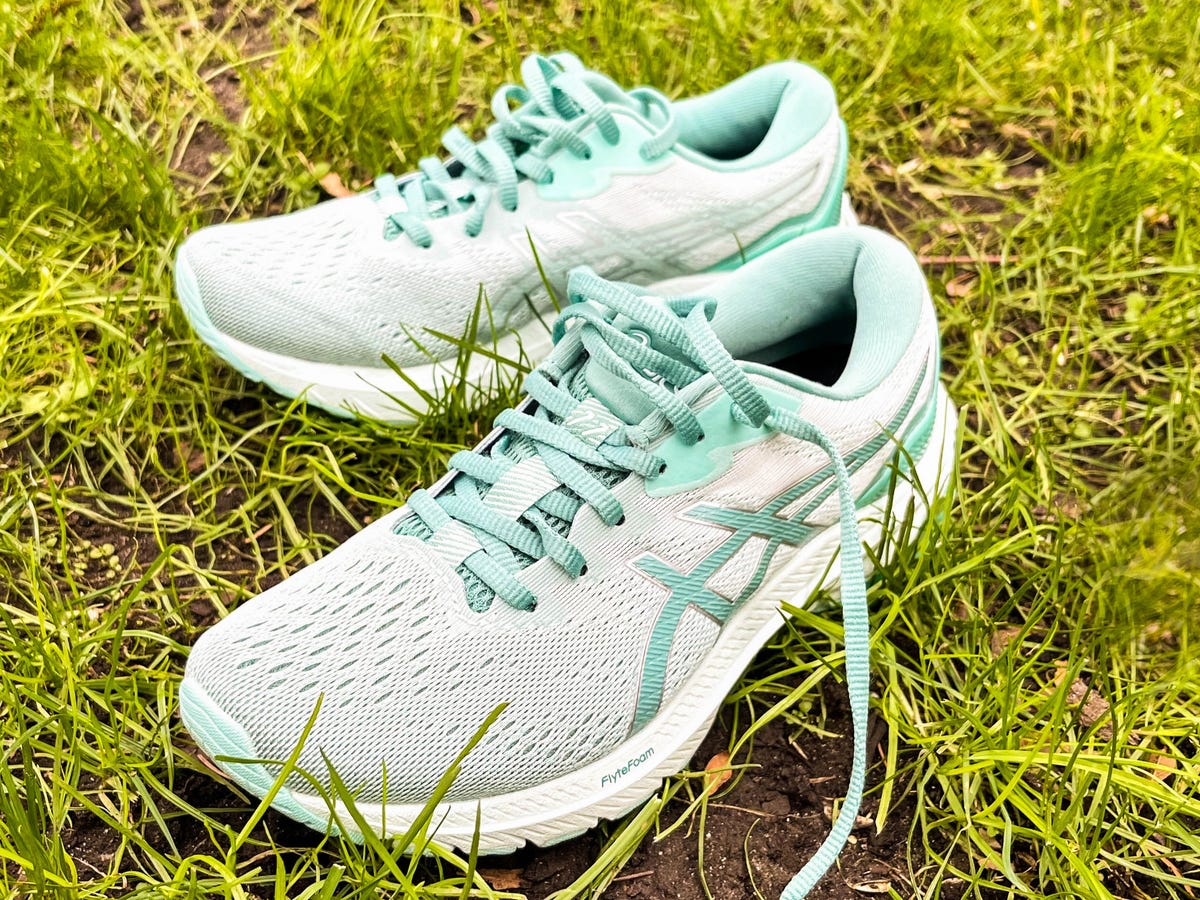
True support originates from the shoe’s structure, not just a removable insole. Tennis shoes are engineered with inherent motion control features to prevent the excessive inward rolling (overpronation) or outward rolling (supination) that can occur during aggressive lateral movements. This is achieved through technologies like medial posts (denser foam on the inner midsole), torsional rigidity shanks, and structured heel counters. As explained in product literature from New Balance and Adidas, derived from their sports science research, these elements work together to guide the foot into a neutral, efficient position. For walkers, especially those with mild to moderate overpronation or flat feet, this built-in guidance system can prevent the chain reaction of misalignment that leads to knee, hip, or lower back pain after prolonged standing or walking. The support in a quality tennis shoe is proactive and integral, offering a level of biomechanical correction that generic footwear lacks, making them a wise choice for all-day wear.
Durability and Traction: The Unsung Heroes of All-Day Wear
Durability in footwear is not merely about longevity; it’s about consistent performance. The outsole of a tennis shoe is a masterpiece of material science. Made from high-abrasion rubber compounds like Nike’s BRS 1000 or Adidas’s Adiwear, they are designed to withstand the abrasive sandpaper-like effect of a hard tennis court. For a walker, this means the tread will not wear down significantly on concrete or asphalt, maintaining its grip and protective qualities for hundreds of miles. Furthermore, the herringbone or modified tread patterns ubiquitous in tennis are engineered for omnidirectional grip. Whether you’re pushing off for a forehand or simply navigating a rainy sidewalk, these patterns channel water and debris away, providing reliable traction. This combination of durable materials and intelligent patterning ensures your tennis shoes for walking remain safe and effective long after a softer running shoe outsole has smoothed over, representing significant long-term value.

Selecting Your Champion: A Practical Guide
Knowing the “why” is only half the battle. The “which one” requires a personalized approach. First, analyze your gait. If possible, visit a specialty store for a gait analysis. Are you a neutral walker, or do you pronate? This will guide you toward shoes with standard cushioning or those with enhanced stability features. Second, prioritize fit over size. Your feet swell during the day, so shop in the afternoon. There should be a thumb’s width of space between your longest toe and the shoe’s end, and the heel should lock in without slippage. The width is crucial; tennis shoes often come in multiple widths (like 2A, B, D, 2E), a feature less common in casual sneakers. As renowned running coach and author Jay Dicharry states in his book “Running Rewired,”
“The shoe is a tool. It doesn’t fix you; it interfaces with you. A proper fit ensures that interface is productive, not destructive.”
This philosophy applies perfectly to choosing tennis shoes for walking. Finally, consider the upper. Modern meshes offer superb breathability, keeping your feet cool. For cooler climates, models with slightly more structured uppers provide warmth without sacrificing flexibility.
Beyond the Hype: A Curated Shortlist for Consideration
While individual fit is king, certain models consistently receive acclaim for their walking comfort from trusted sources like “Wirecutter” and “Runner’s World.” The ASICS Gel-Resolution series is renowned for its sublime combination of GEL cushioning and Duomax dual-density stability. The New Balance Fresh Foam Lav offers plush yet stable comfort in a sleek package, utilizing data from thousands of foot scans. For those seeking maximal cushioning without losing stability, the Adidas Ultraboost, while marketed for running, incorporates a torsion system and a snug, sock-like fit derived from athletic performance principles. Remember, the best shoe is the one that fits your foot perfectly. Use this shortlist as a starting point for your try-on session, not as a definitive answer.
Investment in Well-being: The Final Verdict
The quest for all-day walking comfort ends not with a specialized label, but with intelligent design repurposed. Tennis shoes, forged in the crucible of one of the most demanding court sports, bring a holistic package to the table: responsive cushioning that fights fatigue, inherent stability that protects your joints, and legendary durability that ensures these benefits last. They are a testament to the idea that the right tool doesn’t need to be single-purpose; it needs to be exceptionally well-engineered for a spectrum of challenges. When you lace up a pair of well-fitted tennis shoes for walking, you are not just wearing athletic apparel; you are leveraging decades of sports science to transform your daily movement from a potential source of strain into an experience of supported, resilient comfort. Your feet, and the rest of your body, will thank you for every step.
