

How to Style These Wild Statement Shoes
Statement shoes, particularly those adorned with audacious patterns like animal prints, are not merely footwear; they are a proclamation of personal style, a challenge to sartorial norms, and an invitation to creative expression. This guide moves beyond the timid advice of “pair with neutrals” to explore how to integrate these wild pieces into your wardrobe with confidence and scientific flair. We will dissect the psychology of pattern, the geometry of silhouette, and the cultural history of bold fashion, providing you with the tools to master the art of the statement shoe.
The Psychology of the Pattern: Why We Are Drawn to the Wild
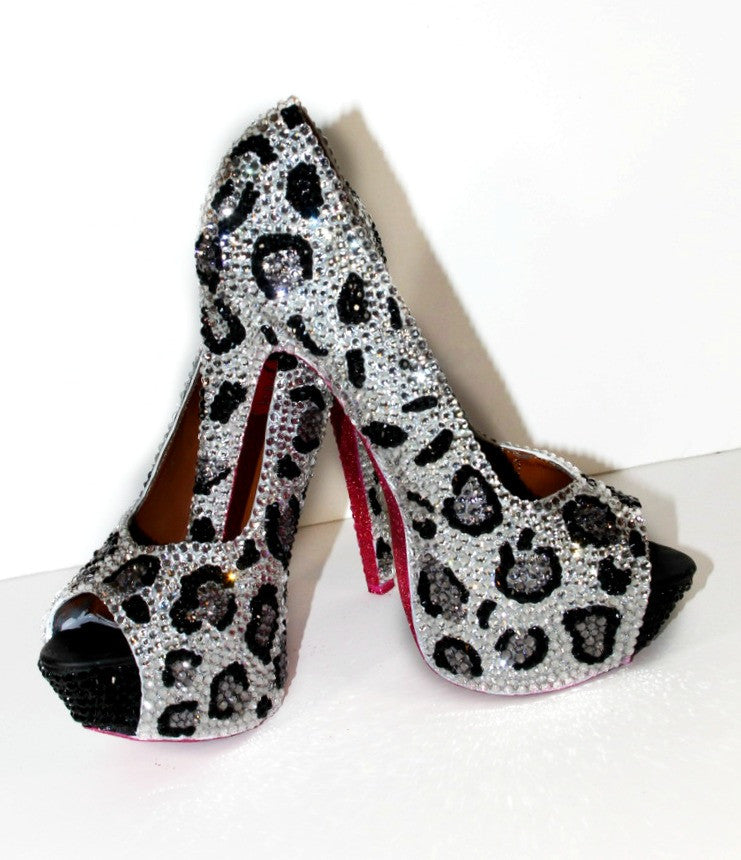
Before we style, we must understand the “why.” The human attraction to animal prints, and by extension, to bold statement shoes, is rooted in deep psychological and anthropological cues. From a scientific perspective, patterns like leopard or cheetah print are a form of biomimicry. In the animal kingdom, these patterns serve as camouflage, but in human culture, they have been historically transposed into symbols of power, luxury, and untamed nature. As noted by cultural historians, wearing animal print has long been a way to appropriate the perceived attributes of the animal—the leopard’s stealth, the cheetah’s speed, the zebra’s striking contrast. A study from the Journal of Consumer Research suggests that “enclothed cognition”—the systematic influence that clothes have on the wearer’s psychological processes—means that donning a powerful pattern can actually influence the wearer’s confidence and perceived authority. When you slip on a pair of cheetah print heels, you are not just putting on shoes; you are engaging in a form of non-verbal communication that signals boldness and a refusal to blend into the background. This is the foundational principle for styling them: embrace their inherent power rather than attempting to mute it.
Principle One: The Foundation of Contrast and Harmony
The most common mistake is to let the shoe become a chaotic island in your outfit. The key is intentional juxtaposition. This doesn’t always mean “neutral.” It means creating a visual relationship where the shoe is the deliberate focal point. For a sleek, modern approach, use monolithic dressing. A head-to-toe outfit in a single, solid color—black, camel, navy, or even a bold red—creates a pristine canvas. A pair of cheetah print heels then acts as the exclamation point, the singular element of complex pattern against a field of pure color. This method is championed by stylists and is evident in the minimalist yet powerful aesthetics seen on runways from The Row to Victoria Beckham. Conversely, you can engage in pattern dialogue. This advanced technique involves pairing your statement shoes with other patterns that share a common color thread or scale. For instance, a pinstripe suit in black and white provides a geometric, linear pattern that can beautifully contrast with the organic, spotted chaos of a leopard print pump. The shared black anchor ties the look together. The scientific principle at play here is Gestalt psychology, specifically the laws of similarity and common fate, where the human eye perceives elements that share visual characteristics as belonging together, creating a cohesive whole from seemingly disparate parts.
Principle Two: Silhouette and Proportion: The Architectural Balance
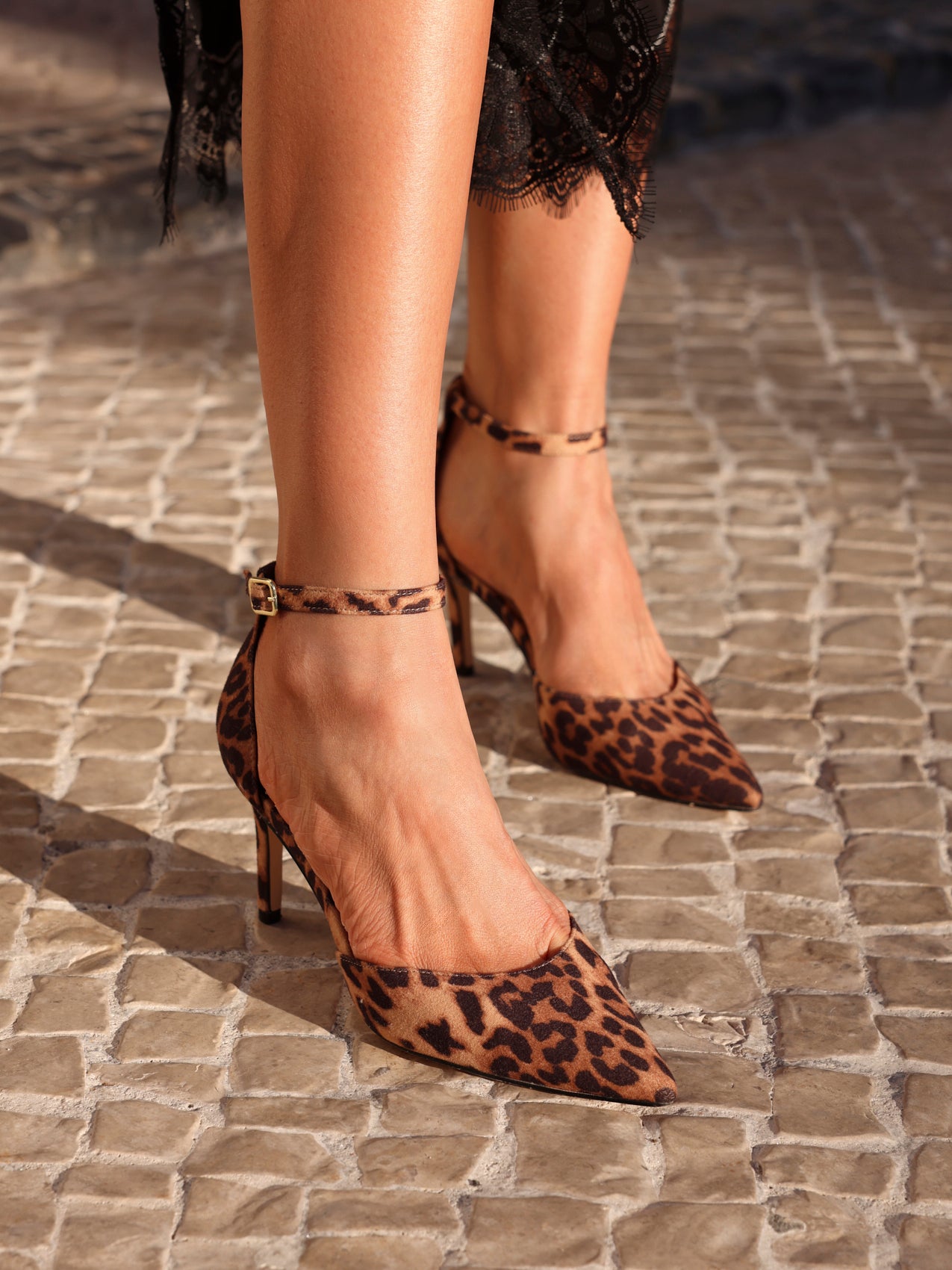
A wild shoe changes the entire architecture of your silhouette. The eye is drawn downward, so the proportion of your clothing must be calibrated to balance this weight. This is where objective style rules, often derived from classical art and design principles, come into play. If your cheetah print heels are tall and slender, consider balancing them with wide-leg trousers or a full midi skirt. The contrast between the delicate, vertical line of the shoe and the expansive, horizontal flow of the fabric creates dynamic tension and elegance—a principle observable in the works of fashion architects like Yves Saint Laurent. For a shorter heel or a bold flat, a cropped, tailored ankle pant or a straight-cut mini skirt can work wonderfully, ensuring the shoe is fully displayed and integrated into the limb line. The golden ratio, a mathematical ratio often found in nature and classical design that is approximately 1:1.618, can be loosely applied here: the visual weight of the shoe should be in harmonious proportion to the visual weight and length of the garment hemlines. Ignoring proportion risks making an outfit look top-heavy or accidentally truncating the leg line, undermining the power of the statement piece.
Cultural Context and Icons: Learning from the Masters
We do not style in a vacuum. The integration of bold, patterned footwear has a rich history, documented by style icons whose choices provide a library of inspiration. Consider the fearless approach of figures like Diane von Furstenberg, who famously used wrap dresses and animal prints to embody a specific kind of powerful, feminine energy in the 1970s. Her philosophy was about clothes that make the woman feel in charge, a perfect mindset for styling statement shoes. More recently, fashion influencer and businesswoman “Leopard print is a neutral. It goes with everything, but it says something. A pair of fierce heels isn’t an accessory; it’s the starting point of your attitude for the day.” This perspective reframes the shoe from a finishing touch to the foundational inspiration for the entire ensemble. Furthermore, cinematic references abound. Recall the iconic, confident characters in films like Breakfast at Tiffany’s or Clueless, where bold fashion choices were integral to character development. These sources provide not just ideas, but permission to experiment, reminding us that personal style is an evolving dialogue with culture.
Principle Three: The Modern Fusion: Athleisure, Denim, and Tailoring
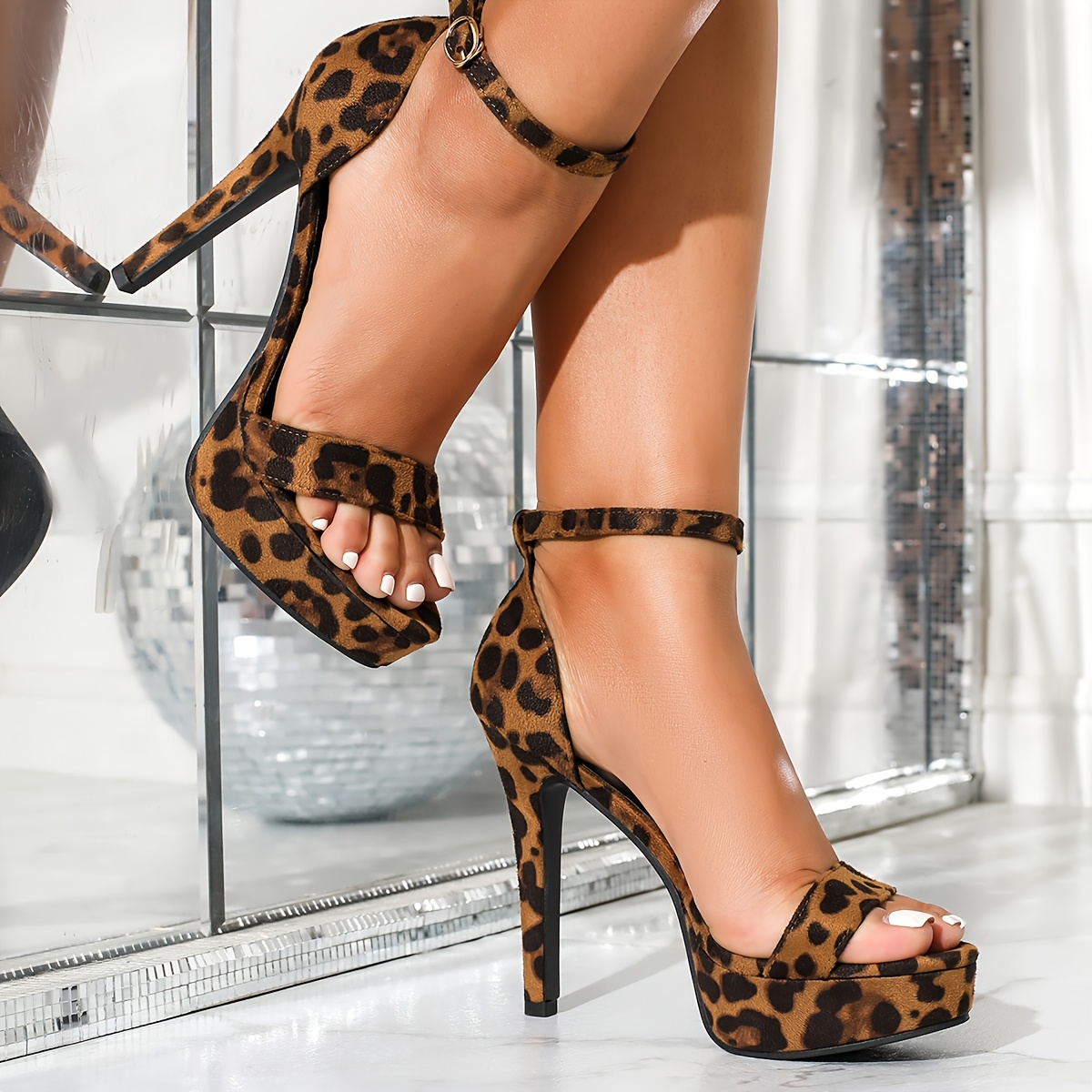
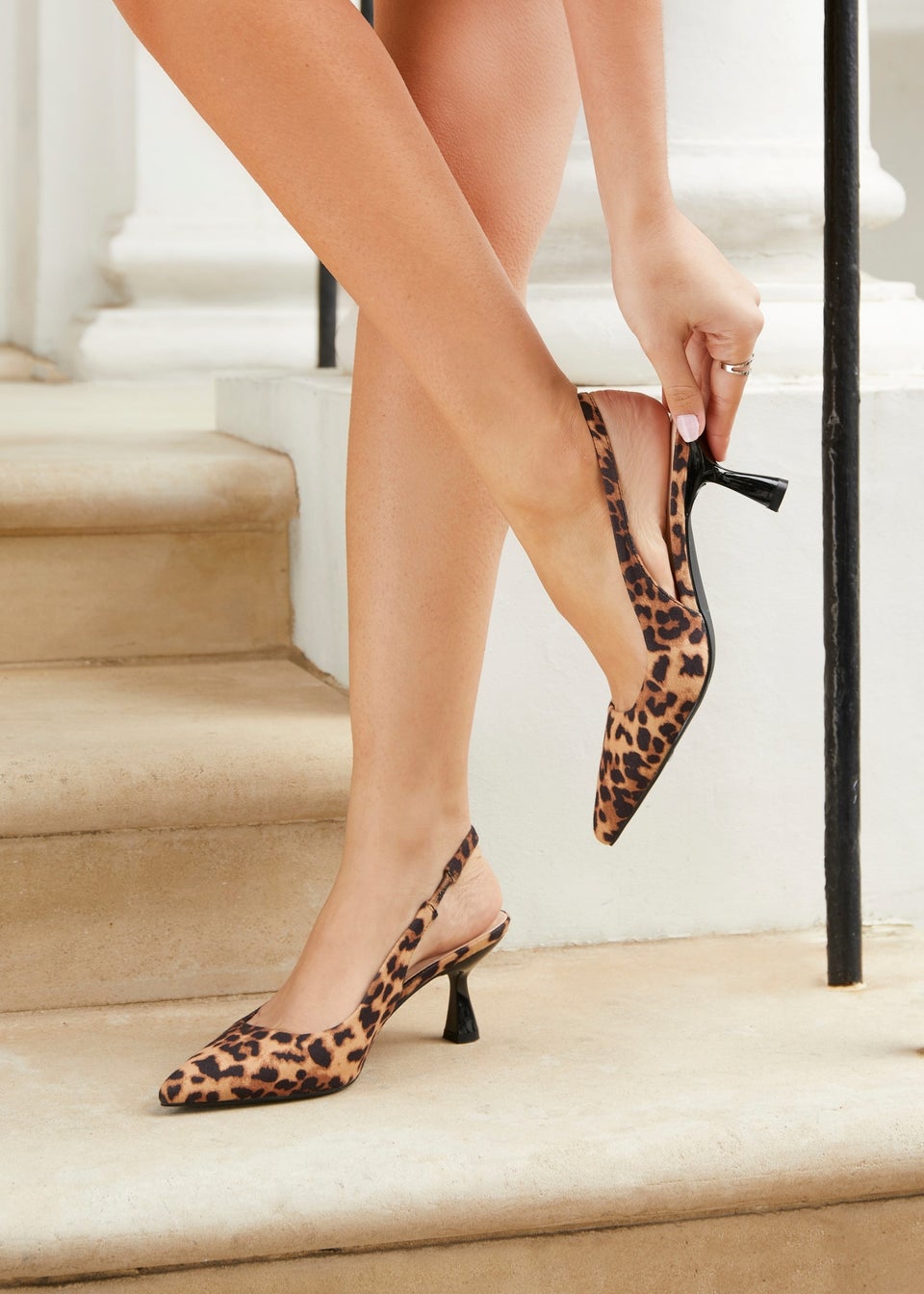
The true test of a versatile statement piece is its ability to cross stylistic boundaries. The most contemporary and exciting way to wear wild shoes is to juxtapose them with genres traditionally considered casual or utilitarian. This creates a high-low fusion that is inherently modern. Pair your most extravagant cheetah print heels with perfectly broken-in, straight-leg blue jeans and a simple white tee. The nonchalance of the denim grounds the extravagance of the shoe, resulting in an effortlessly cool look. Similarly, the athleisure trend offers a fantastic playground. Imagine a sleek, monochrome tracksuit in grey or black, accessorized not with sneakers, but with a pointed-toe leopard print slingback. The clash of sporty silhouette and fierce detailing is a look championed by off-duty models and street style stars. Even within tailoring, a sharp, masculine-cut blazer and trousers can be instantly transformed and feminized with the addition of a vibrant, patterned shoe. This approach demystifies the statement shoe, proving it can be a part of your daily wardrobe lexicon, not just reserved for special occasions.
Investment and Accessibility: Building Your Statement Arsenal
Building a collection of quality statement shoes is an investment in your style capital. Look for craftsmanship: a well-constructed heel with a secure strap, a comfortable footbed, and durable materials will transcend fleeting trends. Brands that specialize in statement footwear often use higher-quality prints and leathers, ensuring the pattern remains vibrant. However, investment does not always mean exorbitant cost. The digital marketplace has democratized fashion, offering access to bold designs at various price points. Savvy shoppers can find incredible pieces during seasonal sales, on discount platforms, or from direct-to-consumer brands that offer premium design without the traditional retail markup. For instance, a classic pair of cheetah print heels from a mid-range designer might retail for $250, but can often be found for under $150 during promotional events. The goal is to acquire pieces that feel uniquely “you” and are built to last, making them a cost-per-wear bargain that fuels countless confident outfits.
Styling wild statement shoes is an exercise in creative confidence. It requires an understanding of visual principles, a nod to cultural history, and a willingness to experiment with proportion and context. By viewing these shoes not as obstacles but as the central protagonists of your outfit’s narrative, you unlock a new dimension of personal expression. Let them be the bold signature on your sartorial document, the wild streak in your curated closet, the undeniable proof that your style has teeth, claws, and impeccable balance.
