

Your Ultimate Guide to Stylish and Comfortable Everyday Footwear
Let’s be honest: for years, the world of comfortable shoes felt like a compromise. On one side, you had the sleek, stylish options that left your feet aching by midday. On the other, the supremely comfortable shoes that, while functional, often lacked any aesthetic flair. This false choice is over. Today, the perfect everyday shoe is not a myth; it’s a carefully engineered reality that marries form and function. This guide isn’t about fleeting trends; it’s about the foundational principles of foot health, material science, and design that create footwear you can truly live in. We’ll move beyond generic advice and delve into the specifics of what makes a great walking shoe, providing you with the knowledge to make empowered choices, whether you’re navigating city streets, office corridors, or weekend errands.
The Non-Negotiable Foundation: Ergonomics and Foot Biomechanics
Before we discuss style, we must understand the science of support. Your foot is a complex structure of 26 bones, 33 joints, and over 100 muscles, tendons, and ligaments. A proper walking shoe acts as an external support system for this biomechanical marvel. According to research from institutions like the University of Pittsburgh Medical Center, improper footwear can lead to a cascade of issues, from plantar fasciitis and Achilles tendonitis to knee and hip pain. The key lies in three elements: arch support, heel counter, and toe box. Arch support isn’t about a hard, rigid bump; it’s about contouring to the natural rise of your foot to distribute pressure evenly. A firm heel counter—the back part of the shoe that cups your heel—provides stability and prevents excessive inward or outward rolling (overpronation or supination). Finally, a spacious toe box allows your toes to splay naturally upon impact, which is crucial for balance and propulsion. As renowned podiatrist Dr. William Rossi once stated, “Shoes are the primary interface between our bodies and the ground.” Choosing a shoe that respects your foot’s anatomy isn’t a luxury; it’s a prerequisite for long-term mobility and comfort.
Material Matters: From Mesh to Memory Foam
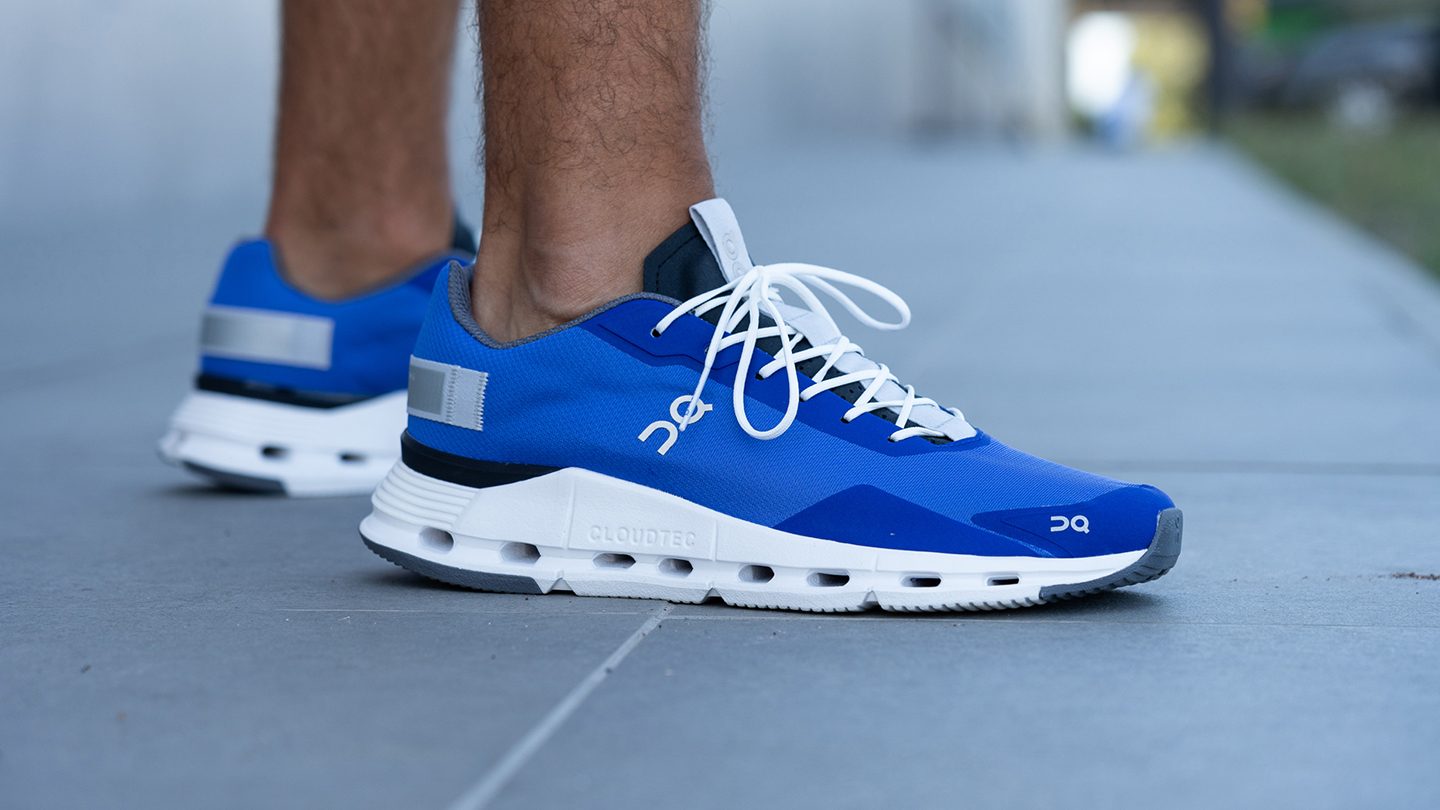
The evolution of everyday footwear is a story written in materials. Gone are the days of stiff, unyielding leather as the only option. Modern walking shoe construction utilizes a symphony of high-tech fabrics and compounds. Breathable engineered mesh uppers have revolutionized comfort, allowing air to circulate while providing a flexible, adaptive fit. This is critical for preventing moisture buildup and maintaining a healthy foot environment. Underfoot, the midsole is where the magic happens. Ethylene-Vinyl Acetate (EVA) foam is a lightweight, cushioned staple, but advancements like compression-molded EVA or polyurethane offer greater durability and energy return. The real game-changer in recent years has been the adoption of thermoplastic polyurethane (TPU) foam, often seen in brands like Hoka and Brooks. This material provides exceptional cushioning with less weight, absorbing impact forces that would otherwise travel up your kinetic chain. Then there’s the insole. While many shoes come with decent standard insoles, upgrading to a memory foam or orthotic-friendly option can personalize the fit. Memory foam, a viscoelastic polyurethane foam, molds to the exact contours of your foot, offering customized pressure relief. As noted in material science reviews, the right combination of these materials creates a shoe that doesn’t just house your foot, but actively works with it.
The Style Synergy: Where Design Meets Function
Now, let’s address the elephant in the room: can a shoe be both scientifically supportive and genuinely stylish? Absolutely. The rise of “athleisure” and the normalization of technical wear in everyday settings have blurred the lines. A great everyday walking shoe now comes in silhouettes that range from minimalist sneakers to sleek leather trainers. The design principles of clean lines, cohesive color palettes (think monochromatic schemes or thoughtful accent colors), and textured materials like suede or knit panels elevate these shoes beyond the gym. Brands like Allbirds, Cole Haan, and even traditional athletic companies have mastered this fusion. The style is no longer an afterthought glued onto a functional base; it’s integrated. The curve of the sole, the pattern of the mesh, the placement of overlays—all can be both aesthetically pleasing and structurally purposeful. This synergy means you no longer need to pack an extra pair of shoes for a post-work dinner. Your all-day companions are designed to look as good as they feel, proving that practicality and polish are not mutually exclusive.
Decoding the Market: A Look at Exemplary Platforms and Brands
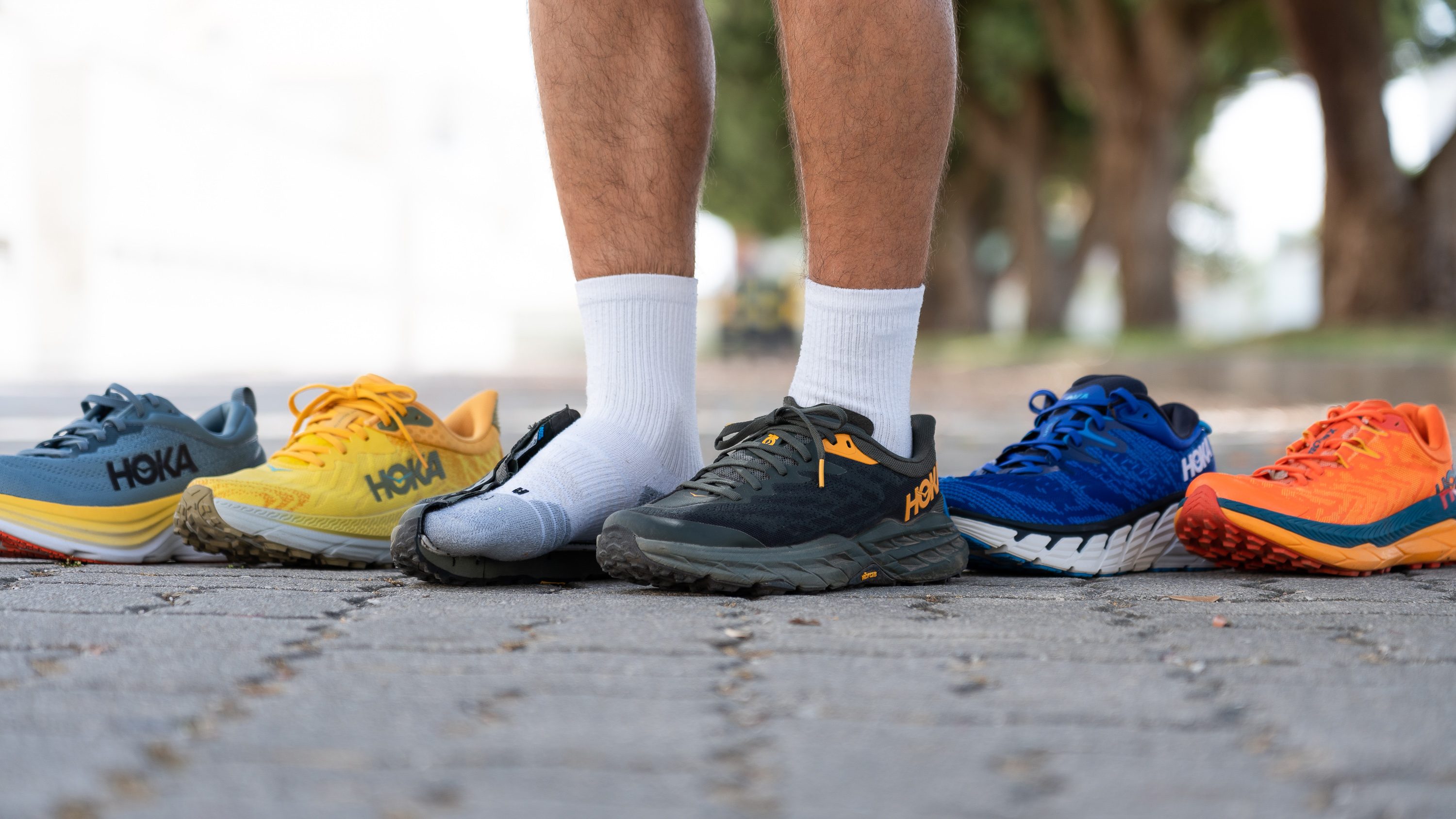
Navigating the vast market of everyday shoes can be daunting. Let’s apply our principles to some real-world examples. Consider the cult following of Hoka One One. Originally embraced by ultrarunners, Hoka’s maximalist cushioning philosophy, featuring their signature meta-rocker geometry, has made their shoes like the Clifton or Bondi a top choice for walkers seeking cloud-like comfort. The thick, resilient midsole provides exceptional shock absorption, making every step feel softer. On a different note, a brand like ECCO specializes in leather footwear that incorporates direct-injected polyurethane technology, creating soles that are lightweight, flexible, and durable, all while maintaining a sophisticated European design language. For those seeking sustainable style, Allbirds uses materials like merino wool and sugarcane-based EVA, focusing on a simple, versatile look backed by solid comfort. Beyond brands, platforms like RunRepeat and Verywell Fit offer deep-dive, data-driven reviews, analyzing everything from heel padding thickness to flexibility scores. These resources demystify marketing claims, allowing you to compare objective performance metrics. The key is to identify which combination of cushioning, stability, and aesthetics aligns with your personal biomechanics and lifestyle.
Investment and Longevity: The True Cost Per Mile
A common pitfall is viewing a high-quality walking shoe as an expense rather than an investment. The science is clear: cushioning materials break down over time, long before the outer sole shows significant wear. Experts from the American Podiatric Medical Association and fitness sites like Verywell Fit consistently recommend replacing walking shoes every 300 to 500 miles. For a daily walker, that could be every six to nine months. Why? The degraded midsole loses its ability to absorb impact, transferring stress to your feet and joints. This is where understanding value becomes crucial. A $50 shoe that causes discomfort and needs replacing in four months is a worse investment than a $120 shoe that provides perfect support and lasts for eight. To maximize value, look for seasonal sales, outlet stores, or last season’s colorways from reputable brands. The minor style difference is often worth the significant savings. Remember, you’re not just buying a product; you’re investing in the health and comfort of your foundation. Protecting your feet today is an investment that pays dividends in mobility and freedom from pain for years to come.
:max_bytes(150000):strip_icc()/when-should-i-replace-my-walking-shoes-3436325-0801-7a1840d83573471092e0380f9e230ecc.jpg)
The journey to finding your ideal everyday footwear ends not with a single pair of shoes, but with a new perspective. It’s the understanding that style and substance are woven together by thoughtful design and material innovation. It’s the recognition that your choice in a walking shoe is a direct investment in your physical well-being. Armed with the knowledge of biomechanics, material properties, and market insights, you can step beyond marketing hype and make choices that truly serve you. Your perfect shoe is out there—engineered for comfort, designed for life, and waiting to carry you forward in style.
