

The Walking Shoe: Your Ultimate Guide to Comfort and Style for Every Outfit
Forget the notion that practicality must sacrifice aesthetics, or that style demands discomfort. The modern walking shoe has evolved into a cornerstone of a versatile wardrobe, seamlessly bridging the gap between biomechanical necessity and sartorial expression. This is not merely about footwear; it’s about a fundamental shift in how we approach daily mobility. Whether navigating urban landscapes, pursuing fitness goals, or simply seeking all-day ease, the right pair of walking shoes is the unsung hero that supports every step of your journey. We are moving beyond a one-size-fits-all mentality into an era where informed choice empowers us to pair technical performance with personal flair, ensuring that from the boardroom to the weekend brunch, your foundation is both unshakeably comfortable and intentionally stylish.
The Anatomy of Comfort: Deconstructing the Modern Walking Shoe
To appreciate the engineering marvel of a great walking shoe, one must understand its core components. Comfort is not a vague feeling but a scientific outcome of specific design elements working in harmony. The midsole, often crafted from advanced materials like EVA (ethylene-vinyl acetate) foam or proprietary gels, is the primary shock absorber. Its job is to dissipate the impact force—which can be 1.2 to 1.5 times your body weight with each step—away from your joints. As Dr. Casey Kerrigan, a former professor of physical medicine and rehabilitation at Harvard Medical School, has emphasized in her research on gait mechanics, “Proper footwear can significantly reduce loading rates on the lower extremities, which is crucial for long-term joint health.” The insole or sockliner provides secondary cushioning and arch support, contoured to cradle the foot’s natural shape. The outsole’s rubber compound and tread pattern are engineered for durable traction, preventing slips and facilitating the heel-to-toe roll that defines an efficient walking gait. The upper, now frequently using breathable, adaptive knit meshes instead of rigid leather, offers a snug yet flexible fit that moves with your foot. This confluence of design turns the simple act of walking from a potentially stressful activity into a protected, efficient, and comfortable motion.
Matching Mechanics to Movement: Gait Analysis and Foot Type
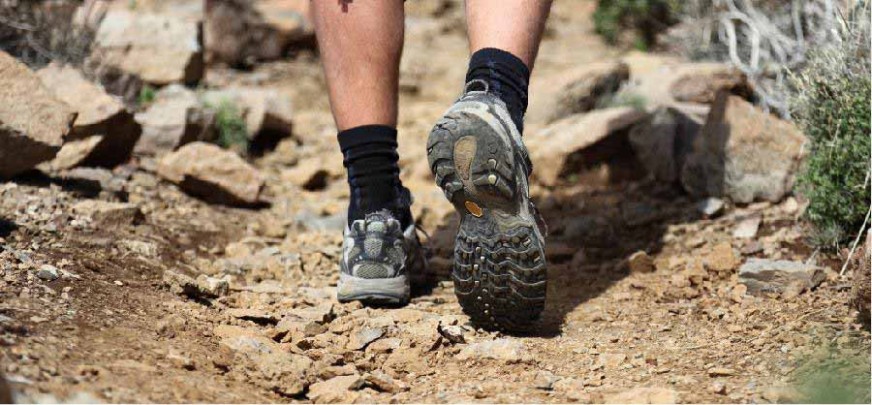
Selecting a walking shoe is a deeply personal process, akin to choosing a tool for a specific craft. The most critical factor is aligning the shoe’s structure with your unique biomechanics. This begins with understanding your foot type and gait pattern. Are you an overpronator, where the ankle rolls excessively inward? This common pattern, noted in resources from the American Podiatric Medical Association, often benefits from stability or motion-control shoes with firmer medial (inner) posts. Are you a supinator or underpronator, where the foot rolls outward? Then neutral-cushioned shoes with maximum flexibility and shock absorption are key. A simple “wet test”—observing the footprint left on a dry surface—can reveal if you have flat (low arches), neutral, or high-arched feet. However, for precision, many specialty running stores offer gait analysis. The philosophy here mirrors the principles in Christopher McDougall’s best-selling book Born to Run, which, while focused on minimalist running, sparked global conversation about natural foot movement and the importance of footwear that complements, rather than corrects, your innate stride. The goal is not to force your foot into an arbitrary “ideal” position but to provide support that allows your natural gait to be both efficient and injury-free.
The Style Synergy: Curating Your Outfit Around the Walking Shoe
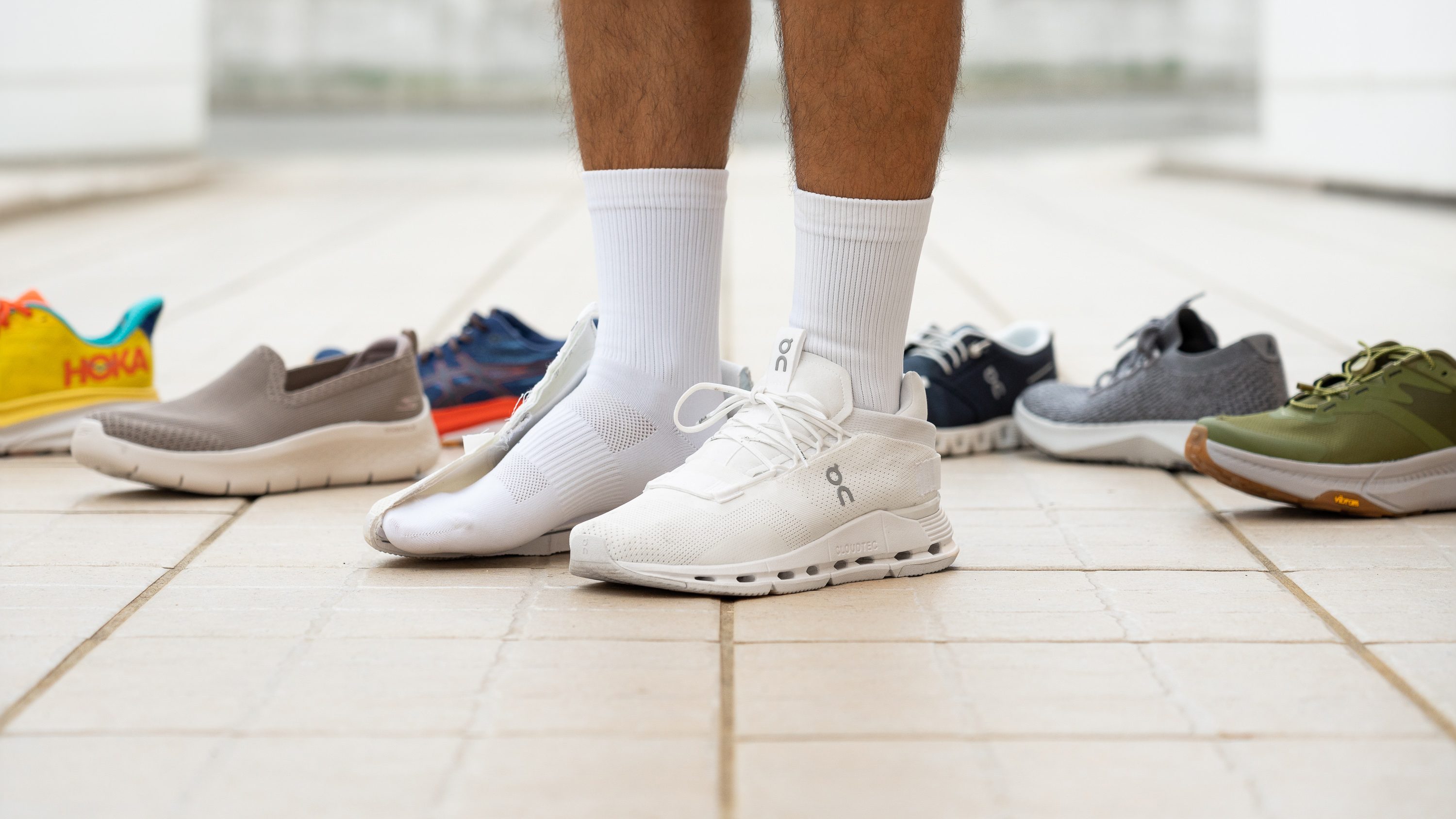
The triumph of the contemporary walking shoe lies in its design liberation. No longer confined to stark white or bulky silhouettes, they now arrive in a spectrum of colors, materials, and profiles that invite stylistic integration. The key is intentional pairing. Consider the sleek, minimalist walking sneaker in monochromatic black, grey, or navy. This variant pairs effortlessly with tailored trousers, a crisp button-down, and a blazer for a smart-casual office ensemble, challenging the traditional dominance of leather dress shoes. For weekend wear, the classic white leather or textured knit walking shoe offers timeless versatility, complementing everything from denim and chinos to casual dresses and skirts. The fashion industry has wholeheartedly embraced this trend. As fashion director Nicole Phelps of Vogue has commented on the rise of athleisure, “It’s about pieces that are technically proficient but also have a design point of view.” Brands like Cole Haan, Allbirds, and even traditional athletic companies have blurred the lines, creating hybrids that feature walking-shoe technology in profiles that nod to loafers, oxfords, or fashion sneakers. This allows you to build outfits from the ground up, where your shoes are a conscious style element, not a comfort-driven compromise.
Material World: Innovation Meets Aesthetics
The evolution of materials is a driving force behind the style revolution in walking footwear. Traditional leather, while durable, is giving way to engineered knits, recycled plastics, and plant-based alternatives that offer superior performance and aesthetic appeal. Knit uppers, for instance, provide a sock-like, adaptive fit that eliminates pressure points and allows for intricate, often visually striking patterns. Sustainable materials, such as recycled polyester uppers or algae-based foam midsoles, cater to the eco-conscious consumer without sacrificing performance. This material innovation directly impacts style by expanding color palettes, textures, and transparency in design. A walking shoe with a partially translucent knit upper or one made from recycled ocean plastic tells a visual story about technology and values. This aligns with the broader movement in design thinking, where form follows function, but function now includes sustainability and personal expression. The material choices in your walking shoe are no longer just about durability; they are a statement about the fusion of technology, responsibility, and personal taste.
:max_bytes(150000):strip_icc()/vwt-asics-womens-gel-pulse-16-jinfeng-chen-21-712f0f140e834b84b3a8dcf0bf154771.jpeg)
Investment in Longevity: When to Replace and How to Care
A high-quality walking shoe is an investment in your well-being, and like any good investment, it requires proper management to maximize its return. The cushioning and support materials degrade over time, not just from visible wear but from the cumulative compression of millions of steps. The general consensus among podiatrists and fitness experts, including advice frequently cited from resources like Verywell Fit, is to replace walking shoes every 300 to 500 miles. For the average walker, this translates to roughly every six to nine months. Ignoring this can lead to diminished shock absorption, increasing stress on knees, hips, and back—a point underscored by biomechanics literature from institutions like the University of Calgary’s Human Performance Lab. To extend the life of your shoes, rotate between two pairs to allow the midsole foam to fully decompress between uses. Clean them regularly with gentle soap and water, avoiding direct heat sources like radiators for drying, which can break down adhesives and materials. Storing them in a cool, dry place prevents material degradation. This disciplined approach to care ensures your shoes provide consistent protection and comfort throughout their functional lifespan.
:max_bytes(150000):strip_icc()/when-should-i-replace-my-walking-shoes-3436325-0801-7a1840d83573471092e0380f9e230ecc.jpg)
The Informed Purchase: Navigating the Market with Expertise
Arming yourself with knowledge is the most powerful tool when entering the market for a new pair of walking shoes. Start by identifying your primary use case: dedicated fitness walking, all-day urban wear, or travel. Read reviews from reputable sources that conduct lab-based wear tests, measuring metrics like flexibility, cushioning, and energy return. Don’t be swayed by marketing jargon alone; look for objective explanations of technologies. For instance, brands may use terms like “energy-returning foam” or “guidance line.” Cross-reference these with independent analyses to understand their real-world impact. Furthermore, timing your purchase can lead to significant savings. New models are typically released on annual cycles. When a new version arrives, retailers discount the previous model, often offering 20-30% off for what is essentially a shoe with 90% of the performance of the latest iteration. Signing up for brand newsletters or following certified shoe fitters and physical therapists on platforms like YouTube can provide alerts for sales and honest, professional opinions. This strategic, informed approach ensures you acquire a technically proficient walking shoe that suits your needs at the best possible value.
The journey to finding the perfect walking shoe is a deliberate fusion of self-knowledge and market awareness. It begins with respecting the biomechanical reality of your stride and culminates in the joyful expression of your personal style. By understanding the science of comfort, embracing the aesthetics of modern design, and adopting a savvy, caring approach to your footwear, you transform an everyday necessity into a cornerstone of confident living. Your steps become assured, your style remains uncompromised, and the world feels a little more accessible, one comfortable, stylish stride at a time.
