

The Walking Shoe: Your Ultimate Guide to Comfort and Style
Forget the notion that comfort and style are mutually exclusive. The modern walking shoe has evolved into a sophisticated piece of footwear technology designed to support your body, enhance your movement, and complement your personal aesthetic. This isn’t about settling for bulky, purely functional sneakers; it’s about embracing a category of footwear engineered for the most fundamental human activity—walking—while looking effortlessly contemporary. Whether you’re navigating city streets, exploring nature trails, or simply aiming to make your daily errands more comfortable, the right pair of walking shoes can transform your experience. This guide delves into the science, the style, and the substance behind finding your perfect pair, moving beyond marketing hype to deliver professional insights that empower your choice.
The Foundation: Understanding Foot Biomechanics and Shoe Engineering
To appreciate the innovation in a modern walking shoe, one must first understand the complex biomechanics of the human foot. Each step involves a coordinated sequence known as the gait cycle: heel strike, mid-stance, and toe-off. During this cycle, forces equivalent to 1.5 times your body weight travel through your feet and joints. A poorly designed shoe can disrupt this natural motion, leading to discomfort, fatigue, and long-term issues like plantar fasciitis or knee pain. The engineering of a proper walking shoe is a direct response to this. Key components include a beveled or rounded heel to promote a smooth heel-to-toe transition, flexible forefoot areas to aid the toe-off phase, and strategic cushioning to absorb shock. Research from institutions like the University of Calgary’s Human Performance Laboratory emphasizes the importance of midsole materials—like EVA (ethylene-vinyl acetate) foam or newer proprietary compounds like Adidas’s Boost or Nike’s React—in managing impact forces. As Dr. Casey Kerrigan, a former Harvard Medical School professor and founder of a biomechanics-focused footwear company, has often stated in interviews, “The goal is not to over-support or restrict the foot, but to work with its natural mechanics to reduce wasteful energy expenditure and joint loading.” This scientific foundation is non-negotiable; it’s the bedrock upon which comfort is built.
Cushioning vs. Support: Striking the Critical Balance
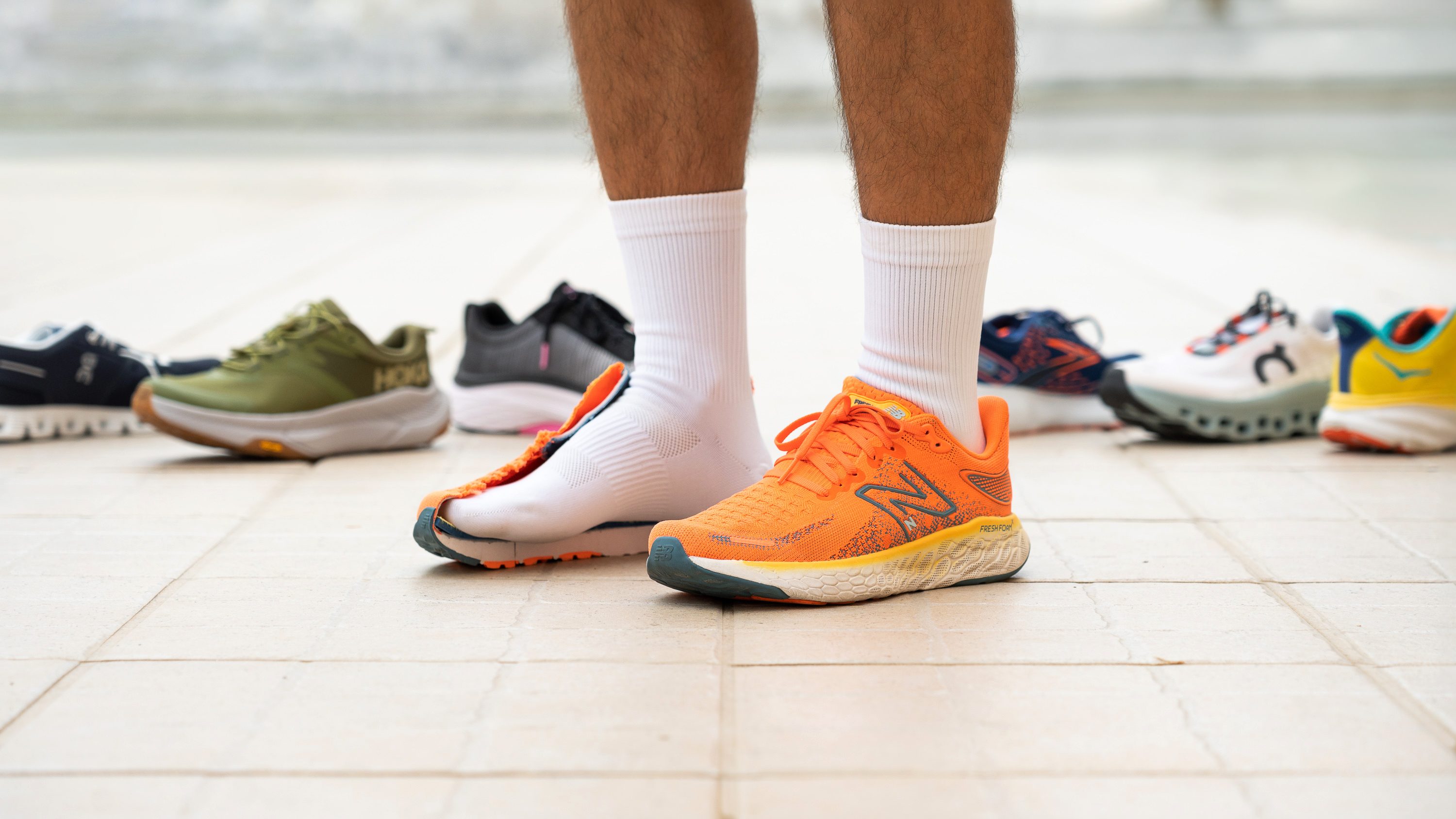
A common misconception is that more cushioning always equals more comfort. In reality, it’s a delicate balance between cushioning and support, dictated by your individual physiology and gait. Maximum cushioning, often seen in models like the HOKA Bondi, provides exceptional shock absorption, ideal for walking on hard pavements or for individuals with joint sensitivities. However, excessive softness without stability can cause the foot to sink and roll unpredictably, potentially straining muscles. Conversely, support features—such as medial posts, arch reinforcements, and firm heel counters—guide the foot and prevent excessive inward rolling (overpronation) or outward rolling (supination). The American Podiatric Medical Association (APMA) grants its Seal of Acceptance to shoes that promote good foot health, often highlighting models that successfully integrate both elements. Think of it like a mattress: the perfect one isn’t the softest, but the one that supports your spine’s natural alignment. Your choice should reflect your needs. A neutral walker on a forgiving track may prioritize plush cushioning, while someone with low arches covering miles on concrete will benefit immensely from a supportive stability walking shoe. Online resources from Runner’s World or detailed buyer guides often feature wear-testing data that breaks down this balance, offering a more objective view than brand advertisements alone.
The Weight of Every Step: Why Lightness Matters
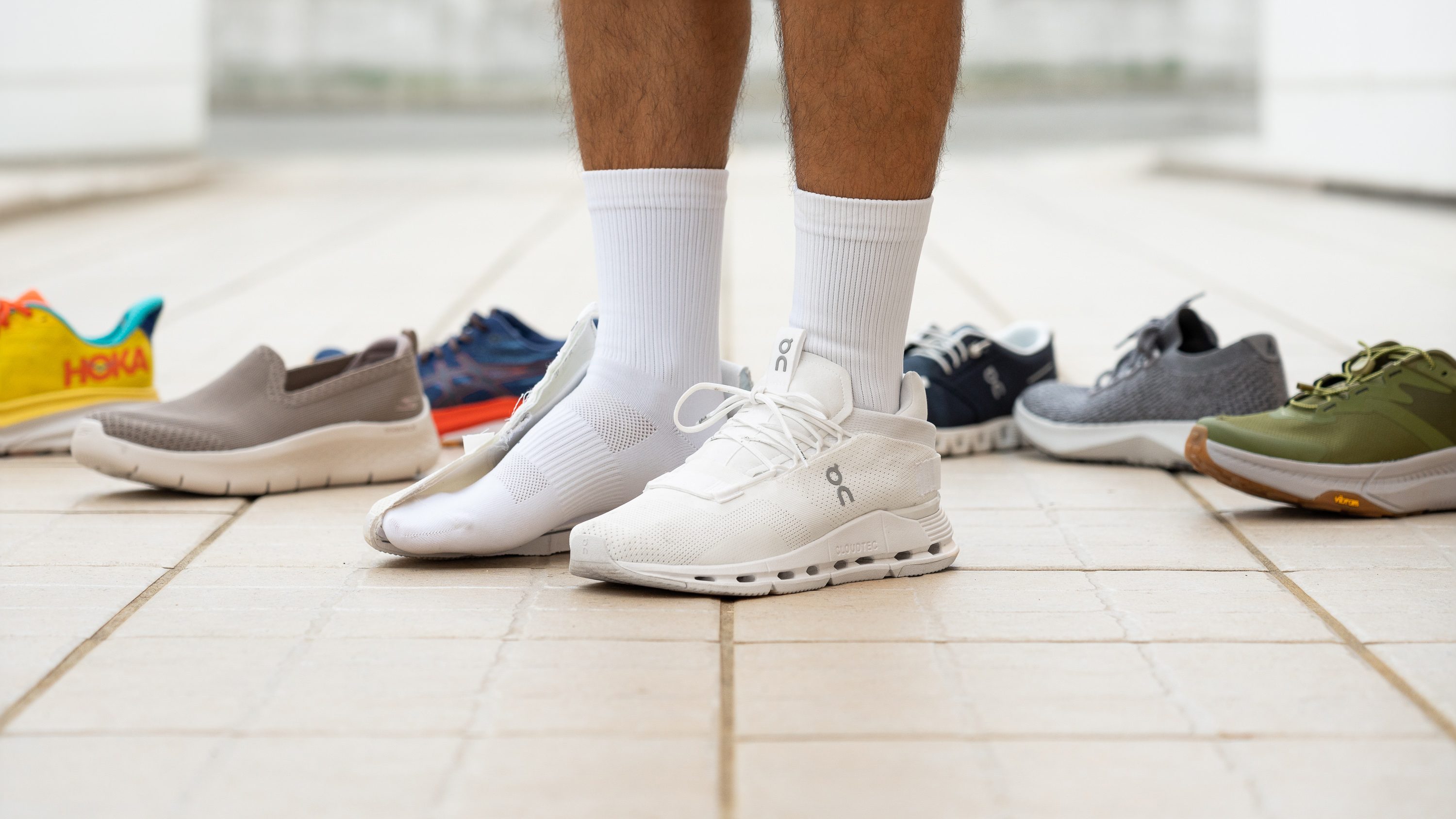
The principle of energy conservation is paramount in endurance activities, and walking is no exception. A study published in the journal “Medicine & Science in Sports & Exercise” concluded that adding just 100 grams to each shoe can increase metabolic cost by about 1%. This translates to your body working harder with every step you take. Modern manufacturing techniques, such as seamless uppers made from engineered mesh and single-piece midsole molding, have revolutionized shoe weight. A lightweight walking shoe reduces leg fatigue, encourages a more natural stride, and simply makes the act of walking feel more effortless. This doesn’t mean sacrificing durability or protection; advanced synthetic materials and strategic rubber placement on the outsole provide longevity and grip without the bulk. The sensation is akin to the difference between wearing heavy boots and well-fitted trainers—the lighter option allows you to move farther and longer with less conscious effort. When evaluating options, don’t just rely on the “lightweight” marketing tag; check the actual weight specifications (often listed in ounces or grams) for a true comparison.
From Function to Fashion: The Aesthetic Evolution of the Walking Shoe
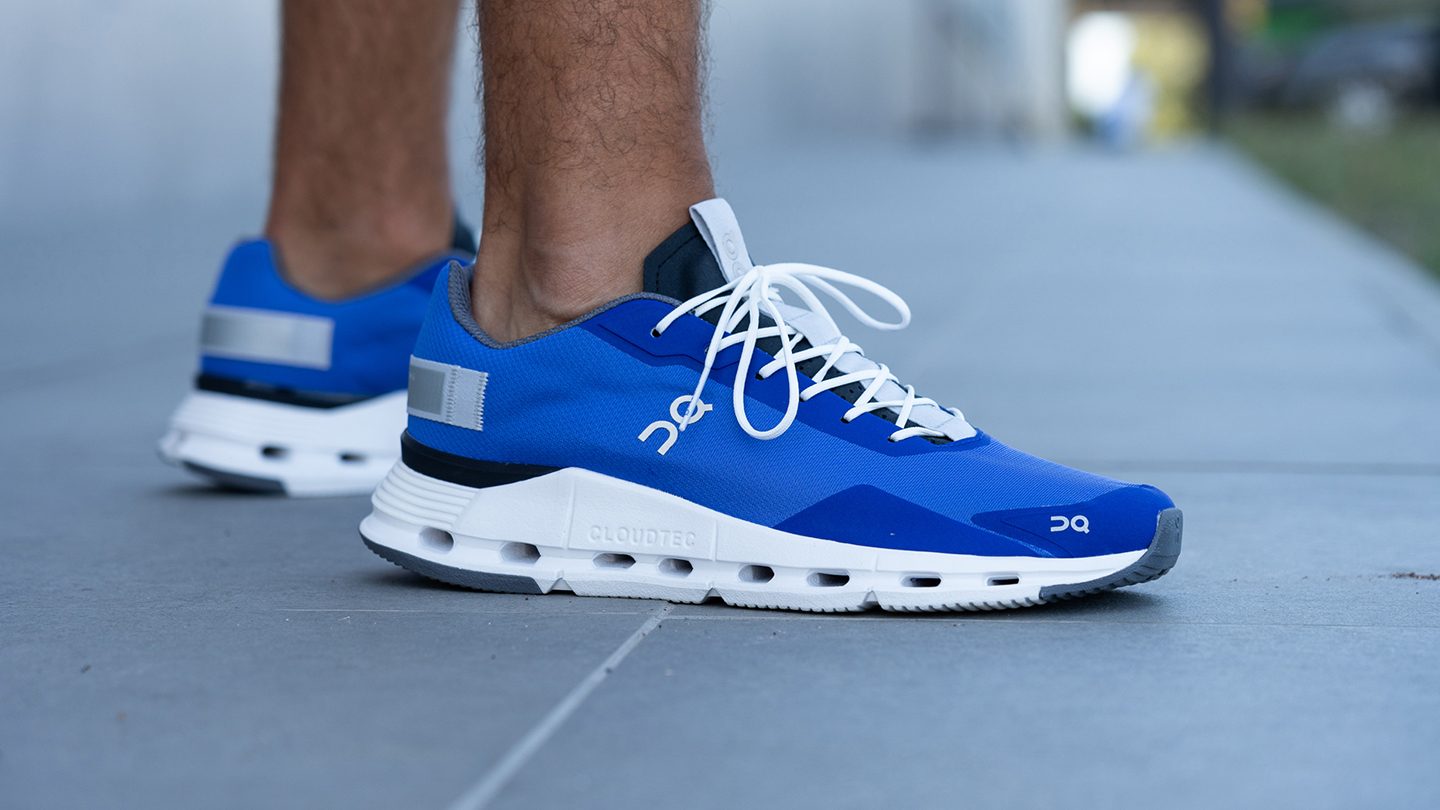
The technical prowess of a shoe means little if you don’t want to wear it. We are in a golden age where performance footwear has been embraced by high fashion and streetwear alike. The once-clunky walking silhouette has been refined. Brands like On Running, with their distinctive CloudTec soles, and Salomon, with their sleek trail-running designs, have crossed over into urban style. The aesthetic appeal lies in clean lines, thoughtful color blocking, and the use of premium materials like recycled polyester knits and suede overlays. This shift is reflected in popular culture; characters in films and TV shows, from the tech-ready outfits in “Spider-Man: Into the Spider-Verse” to the athleisure looks in “Emily in Paris,” often feature stylish, functional sneakers as a cornerstone of their wardrobe. The message is clear: looking good and feeling good are interconnected. Your shoes are an extension of your personal style. A versatile pair in a neutral color can transition from a morning walk to casual Friday at the office, while a bold, colorful design can be the statement piece of an otherwise simple outfit. The modern walking shoe proves that you do not have to choose between caring for your feet and expressing your individuality.
Specialized Designs for Your World
Not all walks are created equal, and neither are all walking shoes. The terrain and purpose should guide your selection. For the urban explorer, a shoe with durable rubber outsoles offering good abrasion resistance on asphalt is key, alongside reflective elements for low-light safety. The fitness walker, targeting speed and heart rate, might look for a firmer, more responsive midsole that propels them forward, similar to a running shoe but with more flexibility. For the trail adventurer, features like a gusseted tongue to keep out debris, a lugged outsole for mud and loose dirt traction, and a protective toe cap become essential. This specialization is a direct application of user-centric design. As noted in product development literature from the Massachusetts Institute of Technology (MIT), successful products solve specific problems for specific users. By identifying your primary use case—be it city commuting, fitness tracking, or weekend hiking—you can narrow down the vast market to models engineered with your specific challenges in mind, ensuring every feature serves a purpose in your daily life.

Making an Informed Investment: Knowledge as Your Best Tool
Armed with an understanding of biomechanics, weight, and style, your final step is becoming a savvy shopper. The retail price tag is often the starting point, not the endpoint. Direct-to-consumer brands frequently offer high-quality materials and construction at lower prices by cutting out the middleman. Furthermore, the end of a shoe model’s seasonal cycle is a golden opportunity. Last season’s colorway of a top-tier walking shoe will perform identically to the new version but often at a 30-50% discount. Websites dedicated to athletic gear deals are invaluable resources. Beyond price, fit is paramount. Always try shoes on in the afternoon when your feet are naturally slightly swollen, and wear the socks you intend to walk in. There should be a thumb’s width of space between your longest toe and the end of the shoe, and the heel should be snug without slipping. Remember, the most expensive shoe is a poor investment if it doesn’t fit correctly. Your knowledge of cushioning, support, and weight now allows you to decipher marketing language and focus on the specifications that truly matter for your comfort and health.
The journey to finding the perfect pair is a fusion of self-awareness and product knowledge. It begins with listening to your body and understanding your environment, then matching those needs with the engineered solutions available. The ideal walking shoe disappears beneath you—not in a literal sense, but in the sense that it causes no distraction, creates no discomfort, and simply facilitates your movement through the world with confidence and ease. It is a tool for wellness, a component of style, and a daily companion on your path. By prioritizing the marriage of scientific design and personal expression, you step into more than just shoes; you step into a more comfortable, capable, and stylish version of your day.
