

The Versatile Staple for Every Season’s Wardrobe
In the ever-evolving landscape of fashion, where trends flicker and fade with the passing months, the pursuit of a truly timeless piece can feel like a mirage. We amass closets full of statement items that speak loudly for a season, only to whisper irrelevance the next. Yet, there exists a category of footwear so fundamentally sound in its design, so effortlessly adaptable in its character, that it transcends the cyclical nature of trends. It is not merely a shoe; it is a sartorial anchor. I am speaking, unequivocally, of the chocolate brown heels. This is not about a fleeting obsession but a recognition of a design principle that harmonizes color theory, historical precedent, and psychological impact to create an unparalleled wardrobe workhorse.
The Chromatic Foundation: Why Brown is Not Boring
To dismiss brown as mundane is to misunderstand color psychology and its application in design. Unlike the stark authority of black or the crisp neutrality of white, chocolate brown occupies a unique space. It is an earth tone, inherently connected to notions of stability, reliability, and warmth. Scientifically, it is a low-lightness, low-to-medium saturation color often associated with the natural world—rich soil, aged leather, dark wood. This connection grants it an organic, grounded feel that vibrant primaries or pastels cannot replicate. In her seminal work on color, design expert and author Eva Heller notes in “Psychologie de la couleur – Effets et symboliques” that brown is frequently associated with the pleasant, the durable, and the rustic, evoking a sense of comfort and subtle sophistication. From the perspective of art history, the Old Masters, from Rembrandt to Caravaggio, utilized umbers and siennas (the pigment family of browns) to create depth, shadow, and a palpable sense of realism, proving its foundational role in constructing a rich visual narrative. In fashion, this translates to a color that does not scream for attention but commands respect through its understated richness. A chocolate brown heel does not compete with your outfit; it completes it, providing a chromatic bridge that can soften bright hues, warm up cool tones, and add depth to monochromatic looks. It is this chameleonic quality, rooted in its position on the color wheel, that forms the first pillar of its versatility.

Architectural Integrity: The Silhouette of Confidence
Color alone does not make a staple; form is its equal partner. The magic of the chocolate brown heels is often realized in its architectural execution—specifically, in block-heel or sturdy-kitten-heel silhouettes. Let us turn to principles of design and even biomechanics for an objective explanation. A block heel, by distributing weight more evenly across a wider surface area than a stiletto, offers superior stability and comfort. This is not mere opinion; it’s physics. The pressure (force per unit area) on the ball of the foot is significantly reduced. This functional advantage translates into a psychological one: confidence born from ease. You can navigate cobblestone streets, endure a full day of meetings, or dance at an evening event without the looming dread of foot pain. This practicality is echoed in the rise of “quiet luxury” and functional fashion, where discerning consumers, as noted in analyses from business publications like Business of Fashion, prioritize pieces that offer both aesthetic appeal and tangible comfort. The silhouette of a well-crafted brown block heel speaks of a pragmatic elegance. It references the sensible, grounded footwear of mid-century style icons—think of the enduring appeal of a Catherine Deneuve or a Jane Birnin—while feeling utterly contemporary. It provides the elevation and posture correction of a heel without the theatrical vulnerability of a spike. This architectural integrity ensures that the shoe is not just an object of beauty but a tool for empowered, sustained living.

A Bridge Across Seasons: The Ultimate Transitional Piece
Seasonal dressing often demands a wardrobe overhaul, but a true staple defies this calendar-driven consumption. Consider the journey of a single pair of chocolate brown heels through a year. In spring, they pair with floral midi dresses, their earthy tone grounding the print’s femininity. In summer, they elevate simple linen trousers and a silk camisole, adding a touch of refined polish to relaxed fabrics. Autumn is where they truly sing, harmonizing with the rusts, olives, and mustards of the fall palette as if they were born from the same forest floor. And in winter, they provide a warm, rich contrast against dark denim, black wool coats, or cream cashmere, cutting through the monochrome gloom with subtle sophistication. This four-season capability is backed by the fashion principle of “investment dressing,” championed by stylists and sustainable fashion advocates alike. As fashion scholar Dr. Anika Kozlowski of Ryerson University has discussed in her work on sustainable systems, investing in high-quality, versatile pieces reduces environmental footprint and promotes a more mindful wardrobe. The chocolate brown heel is a poster child for this philosophy. Its color is neither the icy starkness of winter whites nor the vibrant blast of summer neons; it is a perennial midpoint, a constant in a world of seasonal variables.
Material Narratives: Leather, Satin, and Beyond
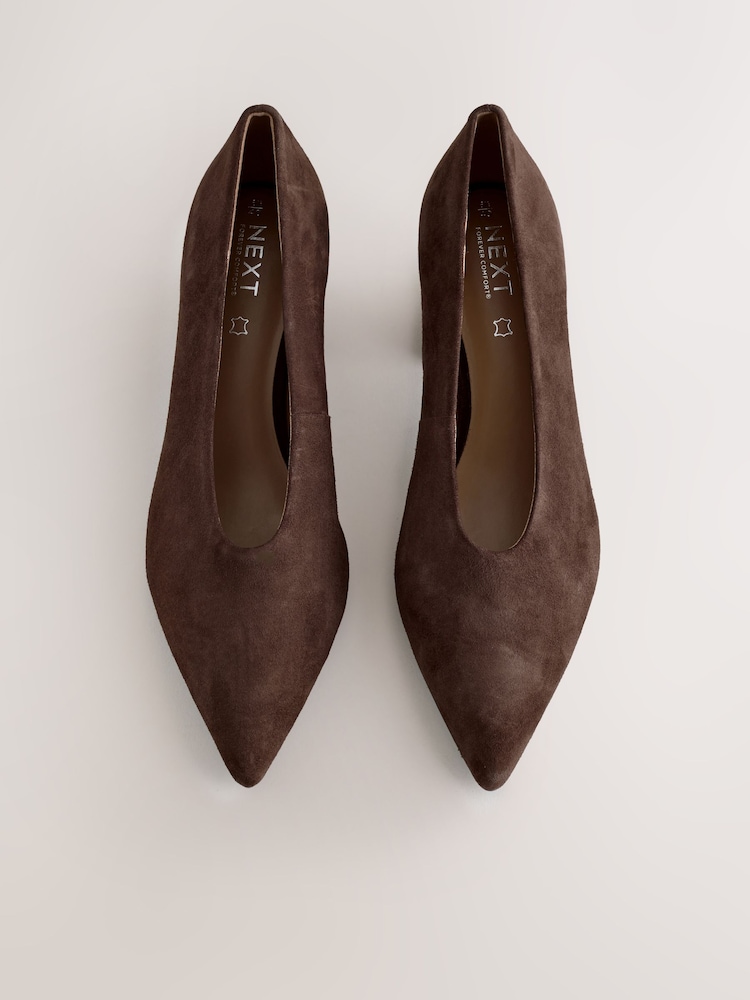
The narrative of versatility is further woven through the choice of material. A chocolate brown heel in smooth calfskin or grained leather is a daytime powerhouse, conveying professionalism and polish. The same hue rendered in sumptuous satin, however, instantly transitions to evening glamour, catching the light with a soft, luxurious sheen. Suede offers a tactile, textured dimension perfect for casual-cool ensembles. This material flexibility allows the color to play multiple roles. One can reference the iconic “little black dress” ethos, famously articulated by Coco Chanel, but apply it to footwear. Just as the LBD’s simplicity is its canvas for accessorizing, the fundamental hue of the chocolate brown heel is its canvas for material expression. A statement from renowned shoe designer Christian Louboutin, known for his architectural mastery, resonates here: “A shoe is not only a design, but it’s a part of your body language.” The language spoken by a buttery leather brown heel is one of capable sophistication, while a satin version whispers of nocturnal allure. By owning this staple in different materials, you effectively own multiple “characters” for your feet, each capable of transforming an outfit’s intent.
The Psychological Edge and Stylistic Authority
Beyond the physical and aesthetic, there is a psychological dimension to this choice. Wearing a predictable black heel can sometimes feel like a uniform—safe, but potentially anonymous. A vibrant color heel, while fun, can dictate the entire color story of an outfit. The chocolate brown heel occupies a powerful middle ground. It feels intentional and curated without being try-hard. It suggests a wearer who understands nuance, who values subtlety over shock value. This aligns with the concept of “dopamine dressing” in a refined way; it provides the pleasure of wearing a beautiful, cohesive outfit that feels authentically “you,” rather than a costume. Stylists featured on platforms like Who What Wear and The Zoe Report frequently highlight brown tones as the new neutral for creating complex, interesting outfits. It is a color that signals taste, not just trend-following. When you slip on a pair of chocolate brown heels, you are not just putting on shoes; you are adopting a mindset of understated confidence and intelligent style.
Therefore, to relegate the chocolate brown heels to the category of just another shoe is to miss its profound utility. It is a synthesis of scientifically grounded color theory, ergonomically sound design, and psychologically impactful style. It is a piece that listens to the demands of modern life—comfort, sustainability, versatility, and expression—and answers them all with quiet authority. In a world of fast-fashion noise, it is a note of enduring elegance, ready to walk with you through every season and every scene of your life.

