

The Ultimate Guide to Tennis Shoes for Walking
You might be wondering why anyone would choose tennis shoes for walking over dedicated walking shoes or running sneakers. The answer lies in a fascinating intersection of design philosophy, biomechanical support, and versatile functionality. This guide isn’t about repurposing old sports gear; it’s about recognizing a category of footwear engineered for lateral stability, cushioning, and durability—attributes that translate exceptionally well to the demands of sustained walking. We will dissect the science behind the support, explore the anatomical benefits, and provide you with the knowledge to select the perfect pair, blending professional insight with practical value.
The Biomechanical Bridge: Why Tennis Shoes Work for Walking
The fundamental justification for using tennis shoes for walking rests on biomechanical principles. Walking and tennis, while different in intensity, share critical movement patterns. Both activities involve a heel-to-toe rolling motion, known as the gait cycle. However, tennis adds explosive lateral (side-to-side) movements, cuts, and quick stops. Consequently, tennis shoe design prioritizes features that benefit walkers: exceptional medial-lateral stability. According to research from the University of Calgary’s Human Performance Laboratory, footwear designed for court sports often incorporates features like reinforced midsoles and wider outsoles to prevent excessive foot roll, a common issue for overpronators during walking. This inherent stability can offer walkers, especially those on uneven urban terrain or nature trails, a more secure platform than some neutral running shoes. The cushioning systems, such as ASICS’ GEL technology or Nike’s Air units, are tuned to absorb impact from both vertical forces (walking) and multi-directional forces (tennis), providing all-day comfort. As renowned podiatrist Dr. William Rossi noted in his work, “The proper shoe must complement the foot’s natural function,” and the structured design of a tennis shoe often does this by offering guided motion control within a flexible framework.
Decoding the Anatomy: Key Features to Demand
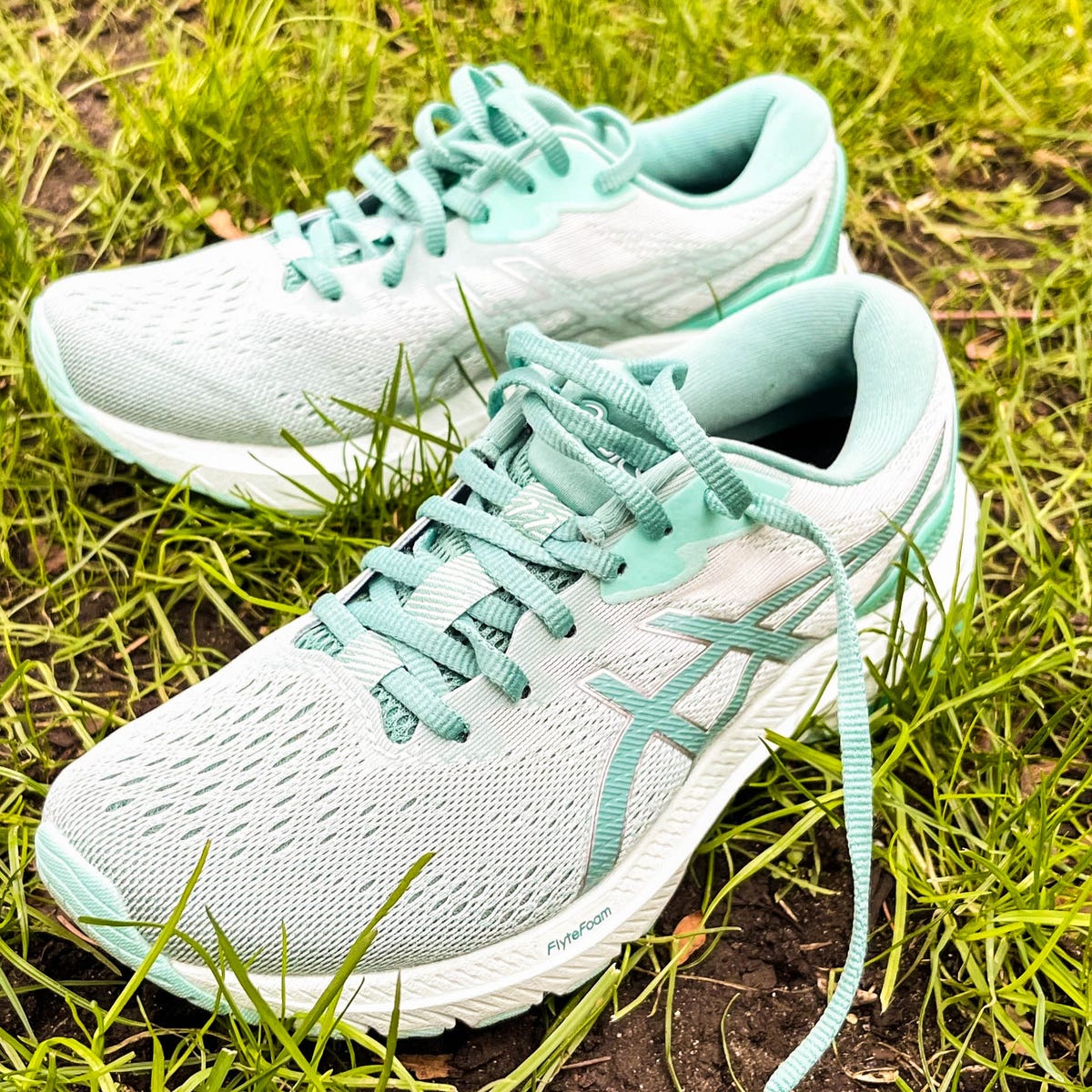
Not all tennis shoes are created equal for walking purposes. You must become a discerning examiner of specific components. First, scrutinize the outsole. Look for a non-marking, durable rubber with a modified herringbone or multi-directional tread pattern. This design, prevalent in brands like Adidas Barricade or New Balance Fresh Foam Lav, offers superior grip on varied surfaces—from pavement to park paths—reducing slip risk. Second, the midsole is the heart of comfort. Technologies like PU foam, EVA, or proprietary compounds (e.g., Nike React, Brooks DNA LOFT) provide the necessary shock attenuation. A study cited in the Journal of Foot and Ankle Research emphasizes that midsole resilience is a primary predictor of walking comfort and injury prevention. Third, evaluate the upper. Breathable mesh is essential for long walks to manage moisture, but synthetic leather or thermoplastic polyurethane (TPU) overlays are crucial. These overlays, often seen wrapping around the midfoot in shoes like the K-Swiss Hypercourt Express, provide the structured support and lockdown that prevent your foot from sliding inside the shoe during the walking stride. Finally, the heel counter should be firm and well-padded to cradle the heel, minimizing lift and friction that can cause blisters.
The Pronation Paradigm: Matching Your Gait
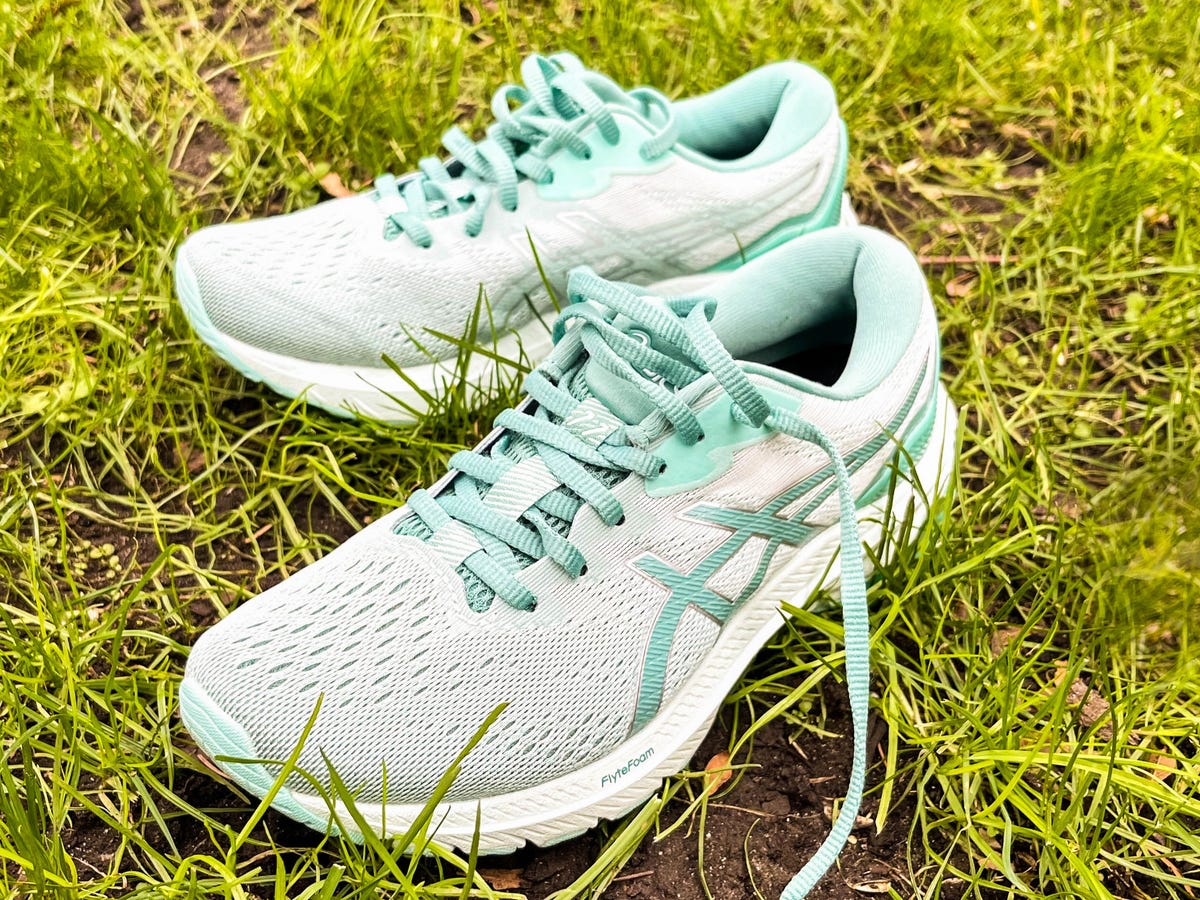
Your individual walking gait is the most critical factor in selecting the right tennis shoes for walking. Pronation—the natural inward roll of the foot upon landing—falls into three categories: neutral, overpronation, and supination (underpronation). Many tennis shoes are inherently designed for stability, making them excellent for neutral to mild overpronators. For instance, the ASICS Gel-Resolution series often features a Dynamic Duomax support system, a dual-density midsole that helps control excessive inward roll. This is validated by podiatric assessments which recommend structured cushioning for overpronators to align the ankle and reduce stress on the knees and hips. If you are a severe overpronator or have specific orthotic needs, consulting a specialist is paramount. However, for the majority, the built-in medial support in performance tennis shoes offers a ready-made solution. Conversely, those with a rigid, supinating gait might find some tennis shoes too restrictive and may benefit from models with more neutral, plush cushioning, such as the New Balance Coco CG1, which prioritizes soft impact absorption over aggressive motion control.
Beyond the Pavement: Versatility in Terrain and Activity
The choice of tennis shoes for walking unlocks a level of versatility that dedicated walking shoes often lack. Their robust construction allows for seamless transition between activities. You can walk to the grocery store, stand comfortably in line, and then dash across a wet parking lot with confidence, thanks to the superior traction. They are ideal for travel, where shoe space is limited; one pair can serve for sightseeing walks, light hiking, and even a casual gym session. This multi-role capability is economically and practically advantageous. As noted in consumer reports from platforms like Wirecutter, the durability of a quality tennis shoe outlasts many standard sneakers, with outsoles designed to withstand the abrasive nature of court surfaces translating to exceptional longevity on concrete. The aesthetic, too, has evolved. Modern tennis-inspired lifestyle models from brands like On (The Roger) or Lacoste offer sleek profiles that move from a morning walk to a casual lunch without missing a beat, blending performance technology with contemporary style in a way few pure walking shoes achieve.

The Investment Perspective: Cost Versus Value
Let’s address the economics. Premium tennis shoes for walking often carry a retail price point between $120 and $180. This can seem steep compared to basic walking sneakers. However, the value proposition is rooted in material quality, technological innovation, and longevity. The rubber compounds, cushioning systems, and support structures are the result of significant R&D investment from major sportswear companies. You are not just paying for a brand; you are investing in biomechanical engineering. The good news is that this market has frequent cycles. Last season’s high-performance models often see discounts of 30-50% as new lines are released. Websites specializing in athletic gear frequently offer these discounted prices, making top-tier technology accessible. For example, a previous-generation Nike Court Air Zoom Vapor, originally $165, can often be found for under $100, offering the same foundational support and comfort. This approach allows you to acquire professional-grade footwear at a fraction of the cost, maximizing the value of every dollar spent on your foot health and walking comfort.

Making the Informed Choice: Your Selection Protocol
Armed with this knowledge, your selection process should be methodical. First, analyze your wear patterns. Look at an old pair of shoes. Is the outsole worn evenly, or is it eroded on the inside (medial) edge? This visual clue speaks volumes about your pronation. Second, prioritize fit over hype. Always try shoes on in the afternoon when your feet are naturally slightly swollen. Wear the socks you intend to walk in. There should be a thumb’s width of space between your longest toe and the shoe’s end. The heel must be snug, not tight, and the midfoot should feel secure without pinching. Third, test the flex. The shoe should bend easily at the ball of the foot, where your foot naturally flexes during the walking stride, but remain torsionally rigid. Finally, consider your primary walking environment. For hard urban surfaces, prioritize cushioning. For mixed or unpaved trails, prioritize outsole grip and protective overlays. Remember, the best shoe is the one that disappears on your foot, allowing you to move naturally and comfortably for miles.
Embracing tennis shoes for walking is a decision grounded in biomechanical synergy and practical intelligence. It is a recognition that footwear designed for the dynamic, multi-directional demands of a sport can provide an exceptional foundation for the rhythmic, sustained activity of walking. By understanding the key features, aligning them with your personal biomechanics, and shopping strategically for value, you equip yourself not just with shoes, but with a tool for enhanced comfort, stability, and longevity in every step you take. The path forward is clear: step into the right pair, and redefine your walking experience.
