

The Best Tennis Shoes for Everyday Walking Comfort
When we talk about finding the perfect shoe for daily ambulation, the conversation often veers toward specialized walking shoes or running sneakers. However, a compelling case can be made for a different category entirely: the modern tennis shoe. Originally engineered for the lateral cuts, quick stops, and explosive movements of the tennis court, today’s tennis shoes have evolved into a powerhouse of comfort, support, and durability that translates exceptionally well to the rigors of everyday walking. This isn’t about repurposing a stiff, clay-court relic; it’s about recognizing how the fundamental design principles of high-performance tennis footwear directly address the biomechanical needs of the dedicated walker. The right pair of tennis shoes for walking can transform your daily step count from a mundane task into a genuinely comfortable and supported experience.
The Anatomical Synergy: Why Tennis Shoes Work for Walking
To understand the suitability of tennis shoes for walking, we must dissect the biomechanical demands of both activities. Walking is a heel-to-toe gait cycle involving repeated impact forces of roughly 1.2 to 1.5 times your body weight with each step. According to research from the University of Virginia’s Motion Analysis and Motor Performance Laboratory, efficient walking requires stable heel strike, smooth midfoot roll, and a firm toe-off. Tennis, while more dynamic, shares a critical foundation: the need for exceptional stability during foot plant and energy transfer. This is where the design convergence occurs. A quality tennis shoe is built with a reinforced heel counter to lock the foot in place and prevent excessive pronation or supination—a feature directly beneficial for walkers seeking to avoid overuse injuries. The midsole cushioning, often utilizing advanced compounds like Adidas’s Boost or Nike’s React foam, is engineered to absorb repeated impacts not just vertically (like many running shoes) but also from multi-directional forces. This translates to a walking shoe that cushions the predictable, repetitive impact of pavement pounding while offering a stable platform that casual sneakers often lack. As noted by Dr. Casey Kerrigan, a former professor of physical medicine and rehabilitation at Harvard Medical School, “Footwear should complement the foot’s natural function, not constrain it.” The structured yet responsive nature of a tennis shoe does precisely that for the walker, providing a guided yet natural stride.
:max_bytes(150000):strip_icc()/Web_1500-vwt-primary-best-overall-shoe-tstaples-118-671f4e0048e64d14a1c42e4f8d9e6658.jpg)
Decoding the Key Features: Cushioning, Support, and Durability
Advanced Cushioning Systems
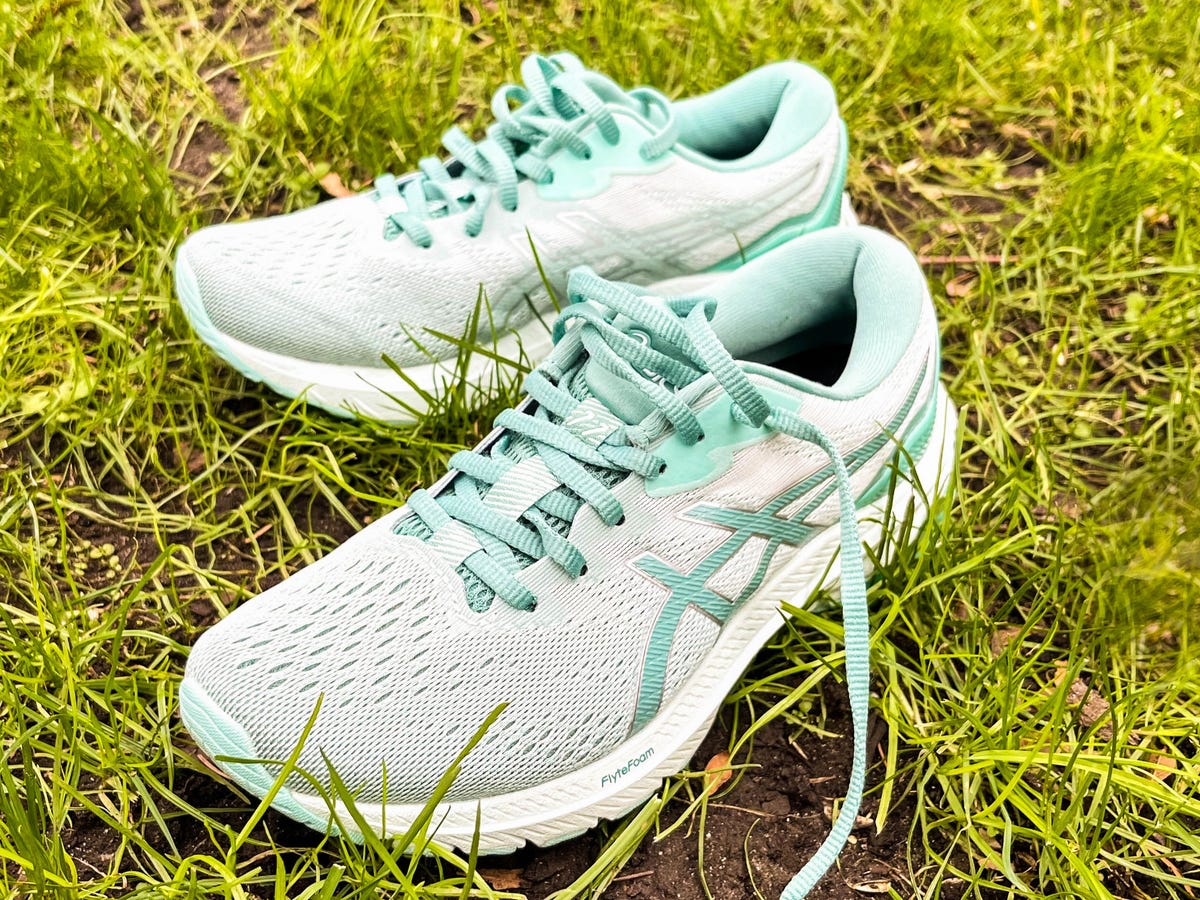
The heart of walking comfort lies in the midsole. Tennis shoes frequently employ premium, durable cushioning technologies. Take, for instance, Asics’ Gel cushioning, a silicone-based elastomer that attenuates shock during impact. This isn’t marketing fluff; a study published in the Journal of Science and Medicine in Sport highlighted the effectiveness of gel-based systems in reducing peak impact forces. For a walker, this means less stress traveling up through the heels, knees, and hips during a long urban trek or a weekend nature trail. Similarly, Puma’s Nitro foam or New Balance’s Fresh Foam offer responsive rebound, returning energy with each step to reduce muscular fatigue. When you’re logging miles on concrete, this sustained cushioning performance is paramount. Unlike some minimalist walking shoes, a good tennis shoes for walking provides this protective layer without sacrificing ground feel, creating a balanced experience that protects joints while maintaining a connection to the walking surface.
Inherent Support and Stability Structures
Lateral support is a non-negotiable in tennis shoe design to prevent ankle rolls during side-to-side movements. For the walker, this translates to unparalleled stability on uneven sidewalks, curbs, or trails. Features like a wider base or “outrigger” designs, common in shoes like the Nike Air Zoom Vapor Cage, create a stable footprint. Furthermore, the torsional rigidity—the shoe’s resistance to twisting along its length—is often higher in tennis shoes. This helps maintain the foot’s natural alignment from heel strike to toe-off, combating overpronation, a common issue for walkers that can lead to plantar fasciitis and shin splints. As podiatrist Dr. Brad Schaeffer from Manhattan’s Sole Podiatry often states on his educational YouTube channel,
“The average person takes between 5,000 and 7,000 steps a day. If your shoe isn’t providing medial and lateral stability, each of those steps is a micro-trauma waiting to accumulate into a significant injury. A shoe with a well-designed upper and midfoot chassis, like many court shoes, can be a preventive tool.”
This built-in guidance system makes certain tennis models ideal for those who need more than just pillow-soft cushioning.
:max_bytes(150000):strip_icc()/vwt-walking-shoes-test-ryka-devotion-x-sahara-borja-02-18807b688fbb49e4ba30a3ee438600cb.jpeg)
Superior Outsole Durability
Walking wears shoes down in a specific pattern, primarily at the heel and ball of the foot. Tennis shoe outsoles are designed to withstand the abrasive friction of hard courts. Dense, durable rubber compounds like Adidas’s Adiwear or the non-marking rubber common on many models are engineered for high-mileage abrasion resistance. The herringbone or modified tread patterns provide excellent traction on a variety of surfaces, from wet pavement to wooden boardwalks. This durability means your investment in a pair of tennis shoes for walking lasts significantly longer than a pair of lightweight mesh running shoes, whose outsoles often deteriorate quickly under daily walking use. The value proposition is clear: more miles per dollar.
Selecting Your Perfect Pair: A Practical Guide
Not every tennis shoe is created equal for walking comfort. The key is to identify models that emphasize cushioning and linear comfort over aggressive, court-specific features. Look for terms like “all-court,” “comfort,” or “training” within tennis lines. Shoes designed for hard-court play generally offer the best balance of cushioning and durability for pavement. Avoid clay-court shoes, which often have more aggressive tread patterns that can feel awkward on solid ground. Focus on fit: your heel should be locked in with minimal slip, and there should be ample room (about a thumb’s width) in the toe box to allow for natural foot splay during the walking gait. Breathability is also crucial; look for engineered mesh uppers that keep feet cool during extended wear. Remember, the goal is to find a tennis shoes for walking that feels supportive yet unobtrusive, a tool that enhances your movement rather than dictating it.
Where Value Meets Performance: Smart Shopping
Investing in quality footwear is an investment in your musculoskeletal health, but it doesn’t require overspending. Previous season’s models of major brands often see discounts of 30-50% as new colorways are released, with no compromise on core technology. For example, a last-year’s version of the Asics Gel-Resolution or the New Balance Fresh Foam Lav might retail around $80-$110, down from an MSRP of $140-$160. Online retailers like Zappos or Eastbay frequently have sales, and signing up for brand newsletters can yield first-access to promotions. Consider the cost per wear: a $120 pair of durable tennis shoes worn for two years of daily walking is a far better value than a $60 pair that needs replacement in six months and offers inferior support. The professional knowledge here is simple: prioritize technological substance over aesthetic trends. The cushioning system, the stability features, and the rubber compound are where the real value lies for a walker seeking all-day comfort.
The pursuit of walking comfort need not lead down a narrow path of specialized footwear. By borrowing from the rigorous engineering of court sports, we find a category of shoe that offers a profound synthesis of cushioning, stability, and resilience. The modern tennis shoe, with its focus on impact absorption and multi-directional support, provides an ideal foundation for the daily walker. It is a choice rooted in biomechanical synergy, offering a protective, stable, and enduring platform for every step of your journey. When you lace up a well-chosen pair of tennis shoes for walking, you’re not just wearing athletic gear; you’re equipping yourself with a tool scientifically aligned with the fundamental mechanics of movement, ready to meet the pavement, the path, or the park with unwavering comfort.

