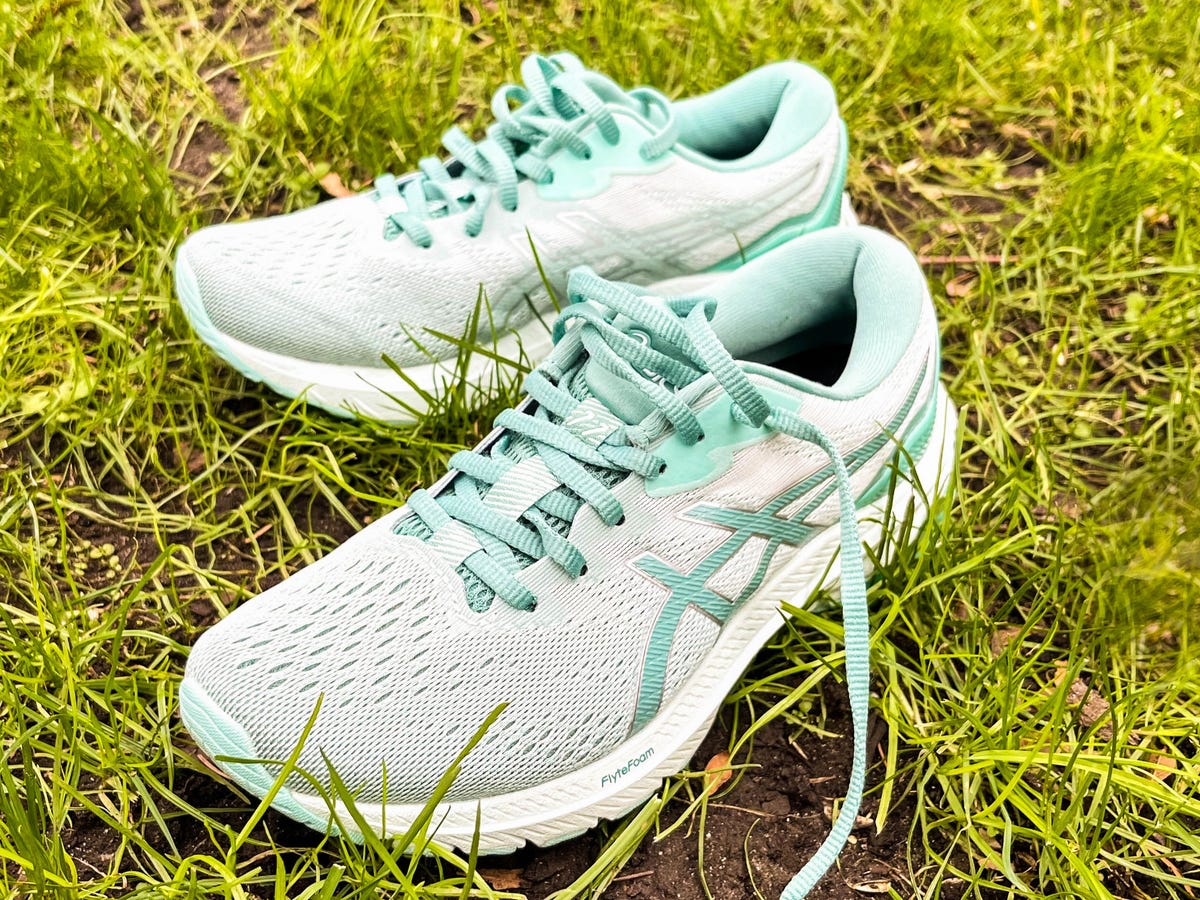
The Best Tennis Shoes for Everyday Walking Comfort
Let’s be clear from the outset: the quest for the perfect everyday walking shoe often leads us past dedicated walking sneakers and right to the court. Modern tennis shoes for walking have evolved into a secret weapon for all-day comfort, merging athletic support with casual style in a way few other footwear categories can. This isn’t about repurposing a clay-court specialist for a five-mile urban hike, but about recognizing that the engineering principles behind a great tennis shoe—stability, cushioning, durability, and lateral support—translate spectacularly well to the demands of daily pedestrian life. We will explore why a well-chosen tennis shoe can be your ultimate walking companion, dissect the scientific and design rationale behind this, and guide you toward making an informed choice that benefits your feet, your posture, and your wallet.
The Unlikely Synergy: Tennis Engineering Meets Pedestrian Demands
To understand why tennis shoes excel for walking, we must first deconstruct the brutal demands of tennis. As noted in biomechanics literature from institutions like the University of Calgary’s Human Performance Laboratory, a tennis player performs thousands of multi-directional sprints, sudden stops, and lateral cuts during a match, subjecting their footwear to forces several times their body weight. This necessitates a design philosophy centered on stability and motion control. The midfoot shank is often reinforced to prevent torsional twisting, a feature that, for a walker, translates to superb arch support and reduced fatigue on hard, flat surfaces. Furthermore, the cushioning systems in tennis shoes are tuned for repeated impact from jumps and hard foot strikes, which is analogous to the repetitive heel-to-toe motion of walking. Dr. Alex Hutchinson, a renowned sports science journalist cited in outlets like Runner’s World and on his own “Sweat Science” blog, often discusses how impact attenuation is crucial not just for comfort but for long-term joint health. A tennis shoe’s cushioning, typically made from advanced foams like Nike’s React or Adidas’s Boost, is designed to be resilient over long durations, directly benefiting the everyday walker.
:max_bytes(150000):strip_icc()/Web_1500-vwt-primary-best-overall-shoe-tstaples-118-671f4e0048e64d14a1c42e4f8d9e6658.jpg)
Decoding the Anatomy: Key Features That Make Tennis Shoes Ideal Walkers
Not all tennis shoes are created equal for walking, but the best share common anatomical traits. The outsole is a prime starting point. Tennis shoe outsoles use durable, non-marking rubber with herringbone or modified patterns that offer exceptional grip on a variety of surfaces—from pavement to indoor floors. This omnidirectional traction provides a secure feel with every step, a feature often lacking in running shoes designed primarily for forward motion. The upper construction is another critical element. Many modern tennis shoes for walking utilize breathable mesh combined with strategic synthetic overlays. These overlays aren’t just for style; they provide a locked-down fit that secures the foot during lateral movements. For a walker, this means minimized foot slippage inside the shoe, which prevents blisters and hotspots. As celebrity trainer and physiotherapist Kelly Starrett has emphasized on his popular YouTube channel, “The Ready State,” a stable foot platform is foundational to proper movement mechanics, influencing everything from your gait to your lower back alignment. The reinforced toe cap, or “toe bumper,” common in tennis shoes, also offers unexpected protection from accidental stubs against curbs or furniture.
The Cushioning Conundrum: Responsive vs. Plush
A common misconception is that the softest shoe is the most comfortable for walking. Science and expert opinion suggest otherwise. Excessively plush, unstable cushioning can cause the foot to wobble, engaging stabilizing muscles inefficiently and leading to fatigue. The cushioning in performance tennis shoes for walking strikes a nuanced balance. It is designed to be responsive—returning energy to the foot—while still absorbing shock. This is often achieved through dual-density foams or gel units embedded in the midsole. For instance, ASICS, a brand with deep roots in both running and tennis, incorporates its GEL technology in models like the GEL-Resolution. This silicone-based gel attenuates shock waves during impact, a technology whose efficacy has been discussed in biomechanical studies published by the brand itself and peer-reviewed in sports science journals. The result for you, the walker, is a shoe that feels supportive and springy over miles, not just soft for the first few blocks. This responsive cushioning aligns with the principle of “ground feel” often discussed by minimalist shoe advocates but in a more protective package, making it ideal for varied urban terrains.
Aesthetic Versatility: From Court to Café
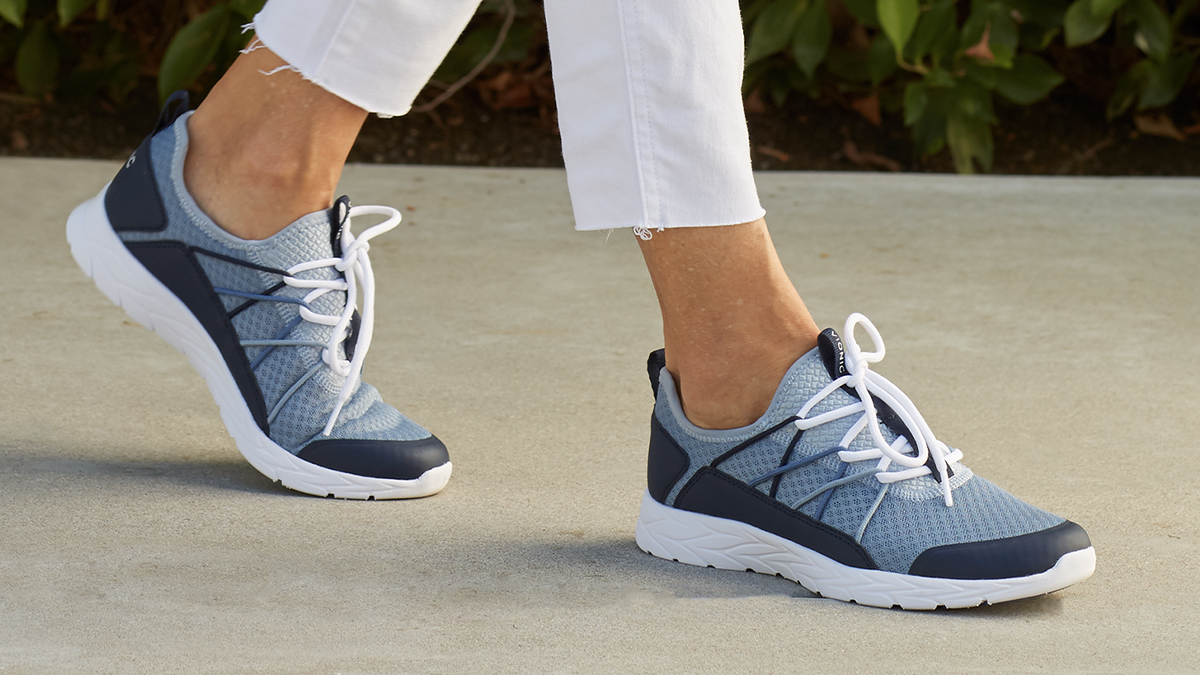
Beyond pure biomechanics, the modern tennis shoe has won the culture war. Once confined to Wimbledon whites, today’s designs are fashion staples. This aesthetic versatility is a significant, often overlooked, advantage. You can wear a sleek pair of Adidas Stan Smiths, classic Nike Court Visions, or sophisticated New Balance 996s from a morning walk directly to a casual office, a lunch meeting, or weekend errands without looking like you’re dressed for a workout. This seamless transition is powered by a design legacy rooted in heritage and streetwear. As fashion historian and author of Sneakers, Rodrigo Corral, has noted, the clean lines and leather accents of classic tennis silhouettes gave them a inherent formality that running shoes, with their technical mesh and flashy colors, often lacked. Choosing a tennis shoes for walking means investing in a tool that performs its primary function superbly while integrating effortlessly into your daily wardrobe, eliminating the need for multiple shoe changes and offering true all-day utility.
Professional Insight: What Podiatrists and Fitters Say
The professional community offers compelling endorsements. While always recommending individual assessment, many podiatrists acknowledge the benefits of tennis shoes for certain walkers. Dr. Jacqueline Sutera, a New York-based podiatrist and spokesperson for the American Podiatric Medical Association, has been quoted in health magazines noting that shoes with a firm heel counter, good arch support, and a slightly flared outsole for stability—all hallmarks of a court shoe—can be excellent for individuals with mild overpronation or those seeking more support than a neutral running shoe provides. Furthermore, experienced shoe fitters in specialty stores often observe that customers who complain of foot fatigue in standard walking shoes frequently find relief in the structured embrace of a tennis model. This isn’t a universal prescription, but it highlights that the category deserves serious consideration. The key is to prioritize models designed for “all-court” or “hard-court” play, as they typically offer the most balanced blend of features suitable for pavement, rather than specialized clay or grass court shoes which have extreme traction patterns.

Maximizing Value: Smart Shopping in a Saturated Market
Armed with this knowledge, how do you procure the perfect pair without overspending? The secret lies in strategic shopping. First, consider previous-season models. Tennis shoe technology, while advanced, does not undergo the same yearly revolutionary changes as running shoes. Last year’s top-tier model often retains 95% of the performance at 60-70% of the original price. Major online retailers and brand outlet stores are treasure troves for these discounts. Second, focus on fit above all. A properly fitted tennis shoes for walking should feel snug but not tight in the heel and midfoot, with a thumbnail’s width of space in the toe box. Remember to try on shoes with the socks you intend to wear while walking. Third, leverage sales cycles. End-of-season clearances (post-Wimbledon in summer, post-US Open in fall) are prime times for discounts. Subscribing to newsletters from brands like Nike, Adidas, ASICS, and New Balance, or retailers like Tennis Warehouse, can alert you to flash sales. Investing in a quality pair on discount is not just economical; it’s an investment in daily comfort and preventative foot health, potentially saving on costly orthotics or medical interventions down the line.
The journey for all-day walking comfort doesn’t end at the specialty running store; it often finds its perfect answer in the tennis aisle. The structural integrity, intelligent cushioning, and versatile design of modern tennis shoes solve the pedestrian’s dilemma with elegant efficiency. By choosing a pair built for the rigors of the court, you are equipping your feet with a tool honed for stability, durability, and support, transforming your daily steps from a mundane necessity into a genuinely comfortable experience. The evidence, from biomechanical principles to professional endorsements and cultural trends, points convincingly toward this hybrid category. So, step beyond conventional categories and let the engineered comfort of a great tennis shoe redefine your walk.