

How to Style Them for Effortless Edge
Forget the notion that animal prints are a fleeting trend or a costume piece reserved for the daring few. In the lexicon of modern style, they have evolved into a foundational element, a language of confidence and individuality. The true mastery lies not in merely wearing them, but in wielding them with a nonchalant precision that feels innate, not forced. This is the essence of effortless edge: a look that is intentionally curated yet appears spontaneously cool, complex in its composition but simple in its impact. And there is perhaps no single item that encapsulates this dichotomy more perfectly than a pair of cheetah print heels. They are a statement, a question, and an answer all at once. This guide is not about rules; it’s about unlocking a mindset. It’s about understanding the visual grammar of wild prints so you can break the syntax with authority, blending professional knowledge with accessible style to make that coveted edge your own.
Deconstructing the Print: Beyond the “Wild” Cliché
To style with intelligence, we must first understand what we are working with. Cheetah and leopard prints, often used interchangeably in fashion parlance, have distinct biological origins. As noted by the Smithsonian’s National Zoo & Conservation Biology Institute, a cheetah’s coat is marked with solid, round or oval spots, while a leopard’s features rosettes—rose-like markings with a darker outline and lighter center. Fashion, however, has liberally borrowed from both, creating a hybrid “cheetah print” that typically signifies smaller, densely packed solid spots. Psychologically, the print carries immense baggage. Historically associated with royalty, power, and the exotic “other,” it was popularized in the West by mid-20th century screen sirens, transforming it into a symbol of untamed sexuality and rebellious glamour. As fashion historian Dr. Valerie Steele has discussed in her work for The Museum at the Fashion Institute of Technology, animal prints allow the wearer to tap into a primal, powerful archetype. This isn’t about looking like the animal; it’s about channeling its perceived attributes: stealth, agility, confidence, and a fierce independence. When you strap on a pair of cheetah print heels, you are not just putting on shoes; you are adopting a persona. The key to modern styling is to temper that potent symbolism with contemporary context, moving it from costume to cornerstone.
The Foundation: Neutral Territory as Your Canvas
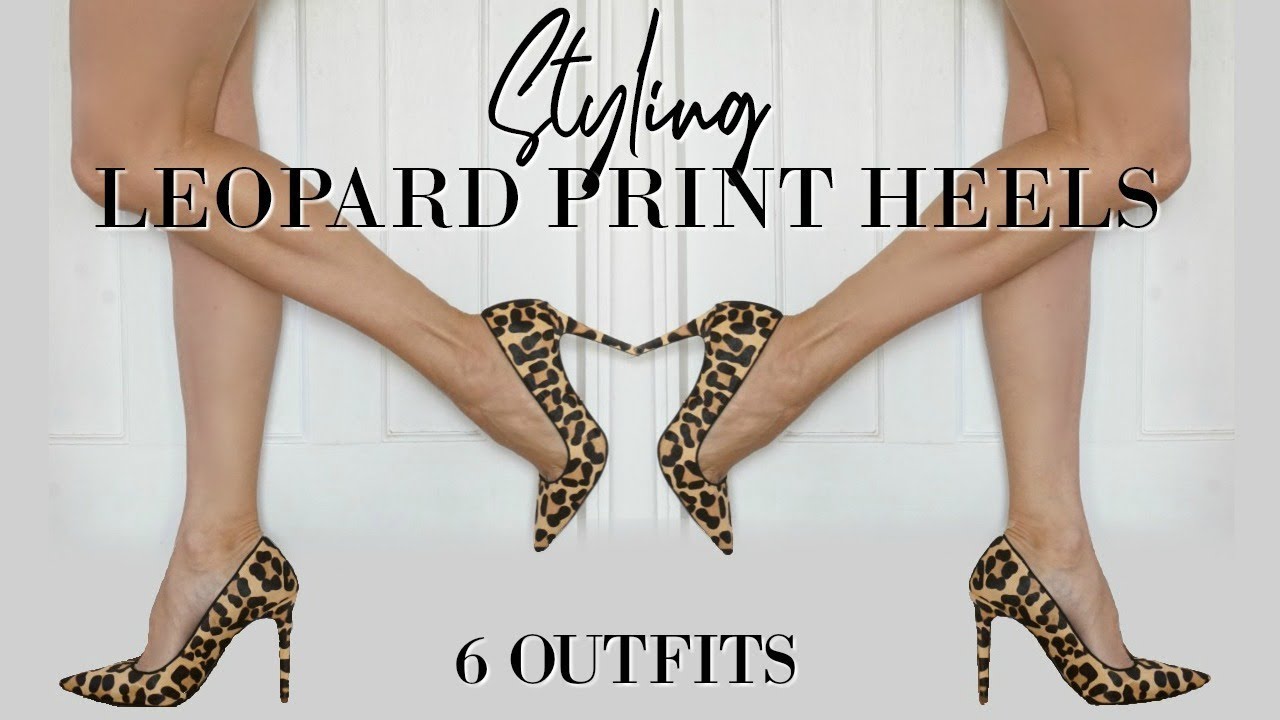
The most direct path to effortless integration is through a palette of sophisticated neutrals. This approach allows the print to be the unequivocal focal point while grounding the entire look in modernity. Imagine a tailored, single-breasted blazer in charcoal grey, a simple ivory silk shell, and straight-leg black trousers. The ensemble reads as polished, professional, and powerfully minimal. Then, introduce the cheetah print heels. The transformation is immediate. The neutrality of the outfit doesn’t compete; instead, it provides a serene backdrop that makes the print pop with intention, not noise. This method aligns with the minimalist-maximalist balance championed by designers like Phoebe Philo during her tenure at Céline, where a single, potent accessory could define a collection’s quiet power. The science here is one of visual weight and focal points. According to principles of visual perception studied in institutions like the Rhode Island School of Design, the eye needs a place to rest. A head-to-toe print offers no respite, creating cognitive overload. A neutral base with a strategic print accent creates a clear hierarchy, guiding the viewer’s eye and creating a more harmonious and sophisticated visual experience. This is your first and most reliable tool: let the shoes be the exclamation point in a declarative sentence of understated clothing.
The Counterpoint: Clashing with Confidence
For those who find their edge in the friction between elements, intentional clashing is a high-reward strategy. This is where your knowledge of color theory and texture becomes your greatest asset. The goal is not chaos, but controlled dissonance. Pair your cheetah print heels with another bold pattern or a vibrant, unexpected color. A classic houndstooth blazer, the geometric severity of its pattern, creates a thrilling tension against the organic, fluid spots of the cheetah. A midi skirt in a rich, electric blue or a fiery rust orange doesn’t match the print—it converses with it, pulling out the subtle undertones in the shoe’s coloration. This technique echoes the visionary styling of fashion icon Iris Apfel, who famously stated, “More is more and less is a bore.” The success of this clash hinges on scale and cohesion. Keep the silhouettes clean and structured; let the patterns and colors do the talking. Anchor the look with solid, unifying elements—a black leather bag, simple gold jewelry. This approach demonstrates a deep understanding of style as a language of personal expression, where the “rules” are vocabulary to be rearranged, proving that edge often lives at the intersection of bold choices.
Texture as the Unifying Narrative
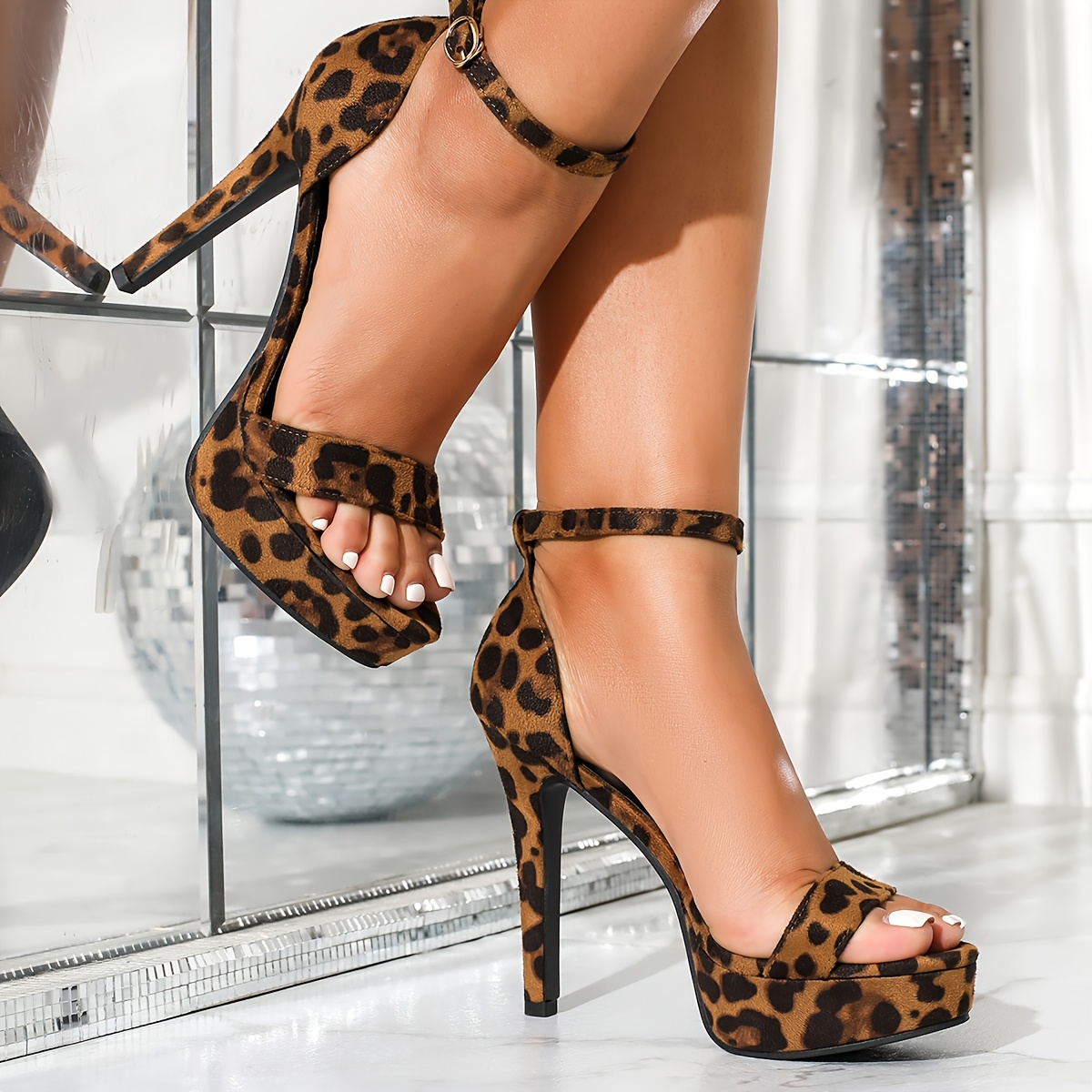
While color and pattern are the loudest speakers, texture is the whisper that ties a narrative together. This is the secret layer that transforms an outfit from “styled” to “lived-in.” The inherent texture of the print—often recreated in sleek calf hair, embossed leather, or suede—demands a tactile response from the rest of your wardrobe. Pair those sleek, spotted heels with the rugged, nubby feel of a raw denim jacket. Contrast them against the fluid drape of a viscose slip dress or the crisp, cool touch of a cotton poplin shirt. This multi-sensory approach adds depth and complexity. It’s a principle seen in interior design, championed by authorities like Architectural Digest, where a room’s character is built through a layering of materials: wood, metal, wool, linen. Apply this to your person. The juxtaposition of a soft, feminine silk blouse against the predatory suggestion of the print creates an intriguing duality. It softens the edge without dulling it, making the look feel considered and authentically personal. You are not just wearing items; you are curating sensations.
The Denim Dialogue: Casualizing the Fierce
Perhaps the ultimate test of a piece’s versatility is its relationship with denim. Denim, in its essence, is democratic, casual, and inherently cool. When you introduce a pair of cheetah print heels to a denim base, you perform a sartorial alchemy that turns everyday into exceptional. This is where effortless edge is most visibly achieved. The formula is deceptively simple: your best-fitting pair of blue jeans—whether skinny, straight, or wide-leg—a plain white tee or a simple black turtleneck, and then, the heels. Instantly, the casual Friday staple is elevated to a look that can command a dinner reservation or a gallery opening. This styling hack is a favorite of off-duty models and celebrities, frequently captured by street-style photographers. It works because it balances high and low, fierce and familiar. The denim grounds the print, making it approachable, while the heels lift the denim, making it chic. It’s a reciprocal relationship that exemplifies modern dressing: nothing is too precious, and everything has the potential for grandeur. It proves that edge isn’t about what you wear, but how you frame it.

Investment vs. Access: Building Your Arsenal Wisely
Building a wardrobe with edge should not necessitate financial recklessness. The current market beautifully accommodates both the investor and the experimenter. For a timeless piece that will endure trends and wear, consider investing in a well-crafted pair from a contemporary or luxury brand known for quality materials and construction. The return on investment is measured in years of service and unparalleled comfort. Conversely, the rise of direct-to-consumer brands and high-street fashion has made the trend incredibly accessible. You can find compelling, stylish options at a fraction of the cost, allowing you to test the waters or indulge in multiple styles—a slingback, a pump, an ankle boot—without commitment. This democratization of style is a powerful tool. It means the effortless edge is not a gated community. By mixing investment basics with trend-driven accessories, you create a wardrobe that is both economically smart and stylistically expansive. The goal is to own your style, not be owned by the price tag.
The Final Touch: Attitude as the Ultimate Accessory
All the technical knowledge, the color theory, the texture play, culminates in one intangible element: attitude. A pair of cheetah print heels is a confident choice, and they demand to be met with the corresponding posture. This isn’t about arrogance; it’s about the quiet assurance that comes from knowing your choices are intentional. Walk with purpose. Own the click of the heel on the pavement. Let the shoes be an extension of your demeanor, not a costume you’re trying on. As the legendary Diana Vreeland once mused, “The eye has to travel.” Let your confidence be the journey the eye takes after it appreciates the shoes. This final piece of the puzzle is what separates a fashionable outfit from a powerful personal statement. When you feel that alignment—where your external expression matches your internal conviction—that is the pinnacle of effortless edge. It’s silent, it’s potent, and it’s unmistakably yours.
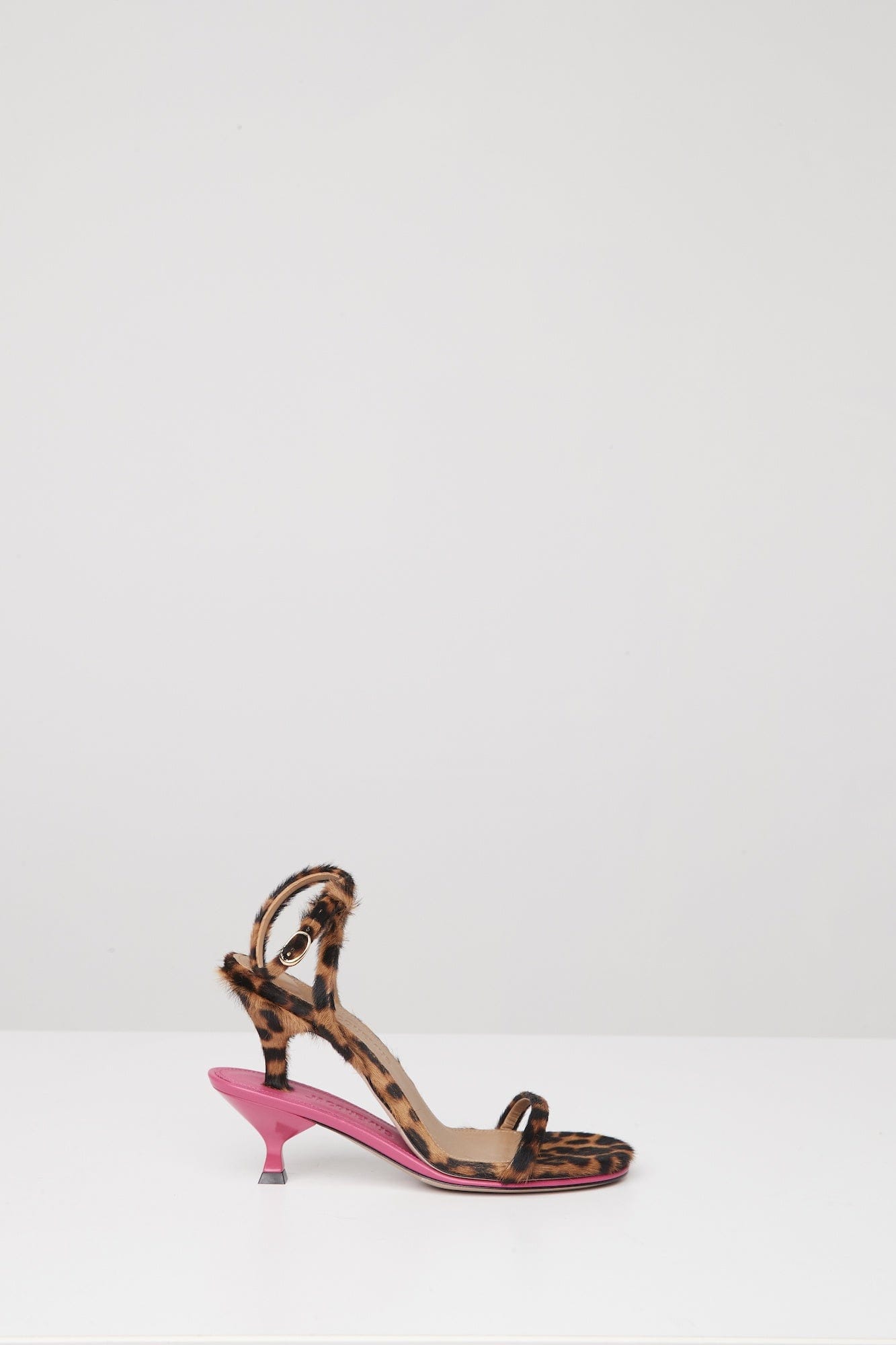
The journey to mastering the cheetah print heels is a microcosm of developing a personal style philosophy. It begins with understanding the history and weight of your tools, moves through the practical application of contrast and harmony, and is ultimately sealed by the invisible yet essential ingredient of self-possession. This is not about following a trend to its expiration date. It is about selecting a powerful motif from fashion’s enduring lexicon and learning to write your own story with it. The edge is there, not in the garment, but in the space between the wearer and the worn. It’s in the deliberate pairing, the thoughtful clash, the casual elevation, and the stride that carries it all forward. When you achieve that synthesis, the edge isn’t something you put on; it’s something you embody, effortlessly and unequivocally.
