

Effortless Style for Every Season
True style isn’t about a frantic chase for the next trend; it’s a quiet confidence, a curated ease that moves seamlessly from the crisp mornings of spring to the cozy evenings of winter. It’s the art of looking polished without appearing to have tried too hard, of feeling comfortable while expressing your personality. This philosophy hinges on understanding a few foundational principles—color theory, fabric science, and silhouette harmony—and then applying them with a touch of personal flair. The goal is to build a wardrobe that works for you, not one you work for, bringing both professional knowledge of what truly suits you and the practical benefit of a more focused, cost-effective approach to fashion.
The Foundation: Color and Fabric Across the Climate Spectrum
Navigating the year with elegance begins with a scientific approach to your palette and materials. The concept of seasonal color analysis, popularized in the 1980s but with roots in artistic theory, suggests that individuals have inherent color characteristics that align with seasons. As noted by color consultant Carole Jackson in her seminal book “Color Me Beautiful,” wearing hues that complement one’s natural skin tone, eye color, and hair color creates a harmonious and effortless look. This isn’t mere opinion; it’s based on the principles of contrast and undertone. For instance, someone with a “Summer” palette might find that soft blues and lavender-blushes look innate, while a “Winter” individual shines in stark black, white, and jewel tones. By identifying your season, you eliminate the guesswork and the costly mistakes of colors that wash you out. Similarly, fabric knowledge is non-negotiable. Natural fibers like merino wool and high-grade cotton are not just luxuries; they are temperature regulators. Merino wool, due to the structure of its fibers, provides insulation even when wet, making it ideal for damp spring or fall days. Linen, derived from the flax plant, has high moisture-wicking properties and a loose weave, promoting airflow perfect for summer. Investing in these materials means your comfort is built-in, regardless of the mercury’s reading.
The Power of a Signature Element: More Than an Accessory
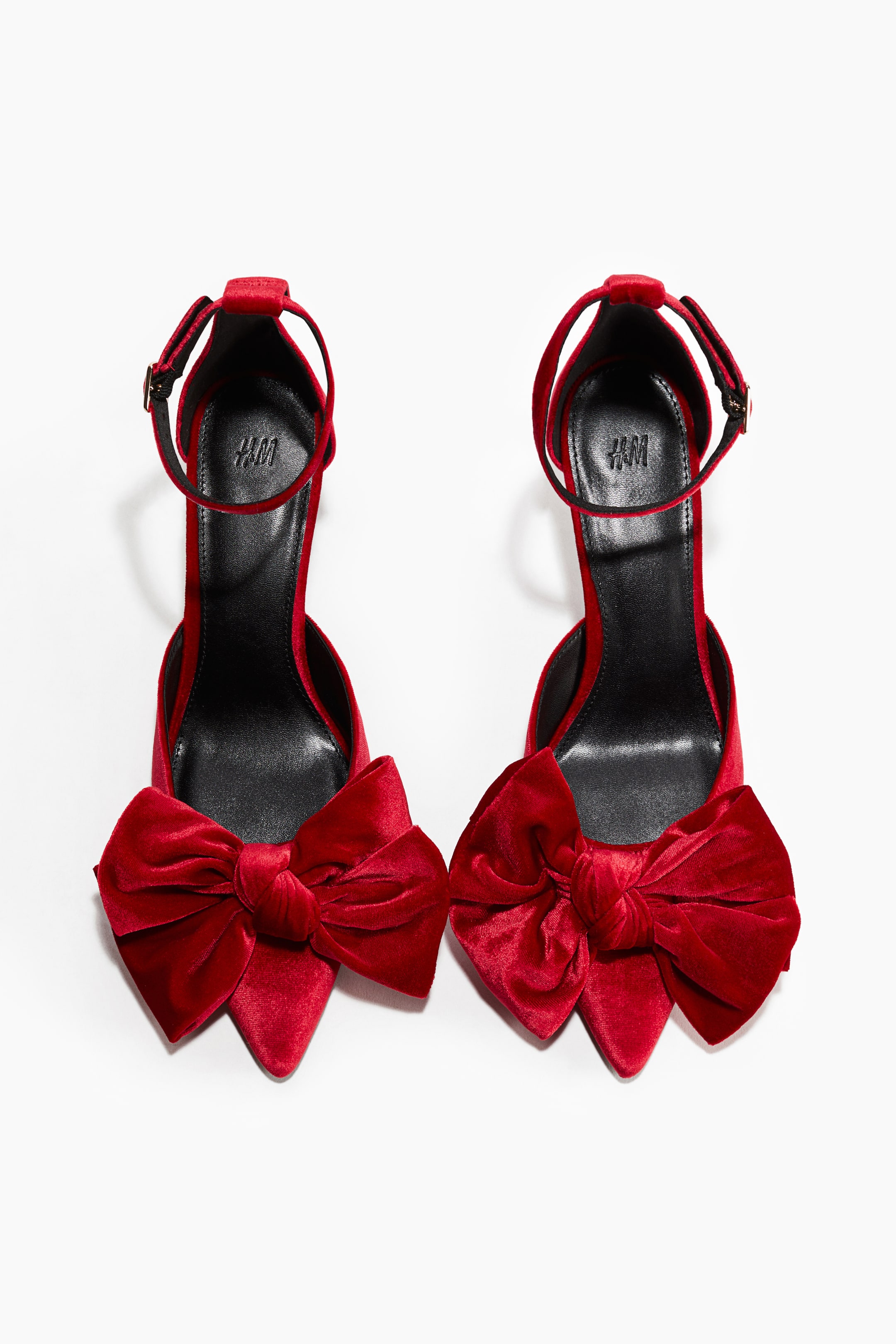
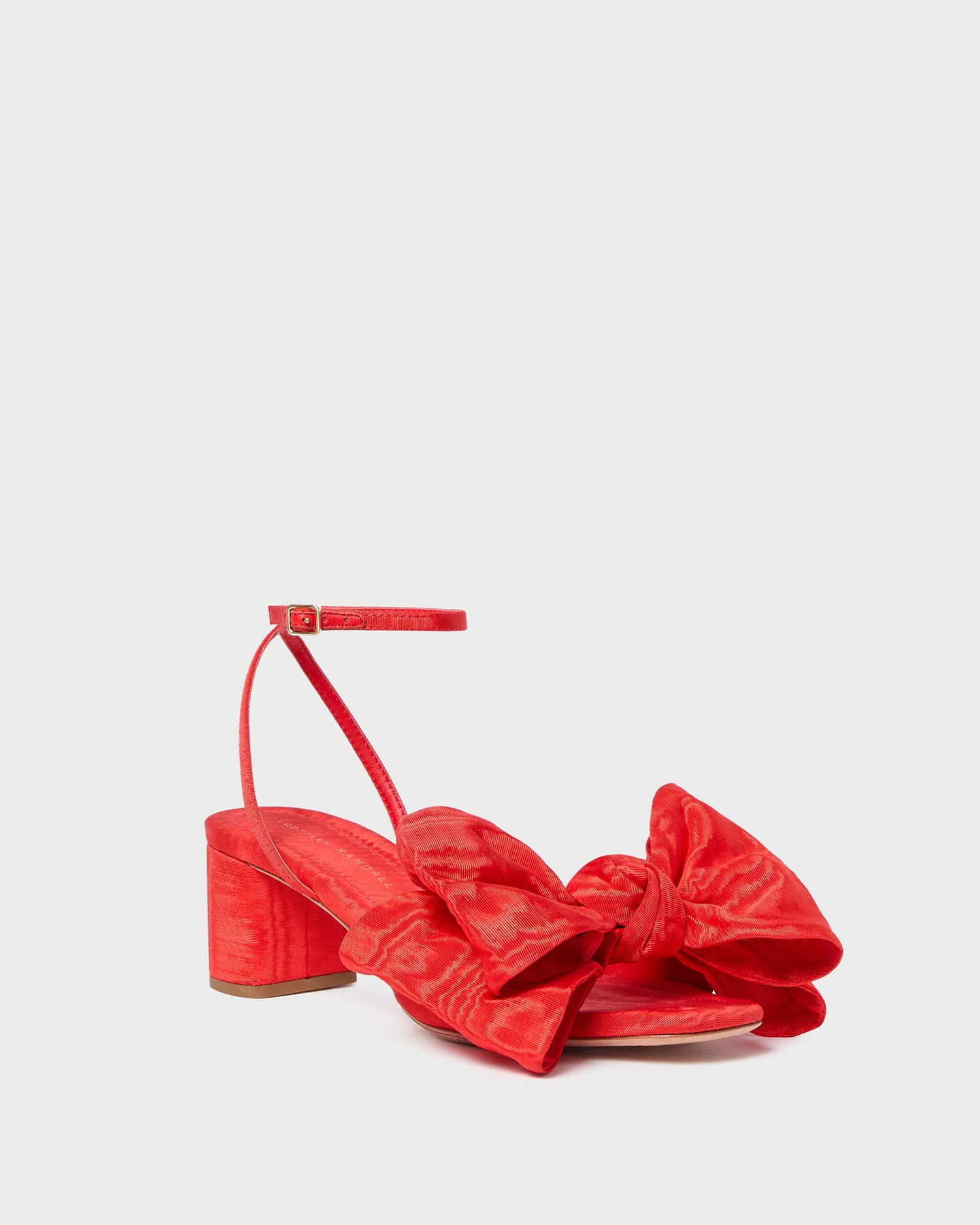
Effortless style often coalesces around a recognizable, repeatable element that feels uniquely yours. This could be a piece of jewelry, a preferred silhouette, or a distinctive type of footwear. It becomes your sartorial shorthand. Consider the psychological impact: a consistent signature item reduces decision fatigue, a concept validated by figures like former President Barack Obama and the late Steve Jobs, who famously limited their daily wardrobe choices to conserve mental energy for more critical decisions. This principle translates beautifully to personal style. For many, that signature could be the enduring charm of a pair of bow red heels. Why this specific item? The bow adds a touch of classic femininity and whimsy, a nod to details celebrated in films like “Funny Face” where Audrey Hepburn epitomized chic simplicity. The red hue is not just a color; in color psychology, as referenced in numerous design and marketing texts, red communicates confidence, energy, and passion. A heel elevates posture and silhouette, imparting a sense of authority and polish. Together, they form a powerful trifecta. A pair of bow red heels can anchor a simple jeans-and-tee ensemble for a weekend brunch, complete a crisp white pantsuit for a pivotal meeting, or add a daring focal point to a little black dress for an evening event. They are a versatile exclamation point. The repeated presence of such an item, like your trusted bow red heels, across seasons and occasions, builds a coherent personal brand. It tells a story without a word being spoken.
Strategic Layering: The Architectural Approach to Dressing
Mastering the transitional periods between seasons is where effortless style is truly tested and proven. The solution lies in strategic layering—a methodical approach akin to architectural design, where each layer serves a functional and aesthetic purpose. The base layer is for comfort and moisture management (think silk or fine cotton camisoles). The mid-layer provides insulation and texture (a lightweight cashmere sweater, a tailored blazer). The outer layer defends against the elements (a trench coat, a wool wrap). This system allows for micro-adjustments throughout the day as temperatures fluctuate. The intellectual foundation for this comes from both practical outdoor apparel design and high fashion. Diana Vreeland, the legendary editor of Vogue, once opined, “The eye has to travel.” Layering creates visual interest and depth, allowing the eye to move across textures and colors. A silk scarf peeking from a blazer, a cuff of a striped shirt revealed under a sweater sleeve—these are the details that convey thoughtfulness. This approach is inherently economical. Instead of owning separate, heavy winter wardrobes and light summer ones, you own interoperable pieces. A summer dress doesn’t retire in fall; it’s worn over a turtleneck and under a shearling jacket. This maximizes the cost-per-wear of every item in your closet, delivering significant value and aligning with a more sustainable, less wasteful consumption model.
From Day to Night: The Pivot of a Single Piece
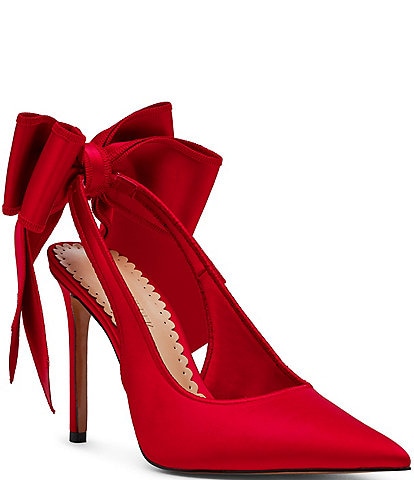
The hallmark of a versatile wardrobe is its ability to adapt to the day’s evolving demands without a complete costume change. This pivot often hinges on swapping or adding just one or two key pieces. The narrative of transformation through detail is a staple in literature and film. In F. Scott Fitzgerald’s “The Great Gatsby,” a change of attire signifies a shift in character and circumstance. We can apply this narrative efficiency to our daily lives. Consider your daytime uniform: tailored trousers, a fine-gauge knit, and loafers. This speaks of competence and comfort. For an evening engagement, substituting the loafers for a pair of striking bow red heels instantly recalibrates the outfit from professional to poised for social engagement. The bow red heels act as a catalyst, transforming the foundational pieces. Similarly, swapping a structured tote for a sleek clutch, or adding statement earrings, performs the same function. This strategy is not just about aesthetics; it’s a practical time- and resource-saver. It acknowledges the reality of modern life, where one may move directly from the office to a dinner. By planning your wardrobe around these transformative anchors—like your go-to pair of bow red heels—you ensure you are always appropriately dressed for the next scene, effortlessly.
Curation Over Consumption: The Mindful Wardrobe
The final, and perhaps most crucial, pillar of effortless style is a shift in mindset from constant consumption to intentional curation. This philosophy is supported by viewpoints from sustainable fashion advocates like Livia Firth, as well as the minimalist principles explored by Marie Kondo, which emphasize surrounding oneself only with items that “spark joy.” A curated wardrobe is a edited collection where every piece earns its place through versatility, quality, and alignment with your personal aesthetic. It means conducting honest audits of what you own, understanding the gaps, and making strategic acquisitions rather than impulsive purchases. The benefit is twofold. First, it brings profound clarity and simplicity to your daily routine. Getting dressed becomes a joy, not a chore. Second, it is financially savvy. By focusing on quality over quantity, you invest in pieces that last longer, look better, and ultimately cost less per wear. You wait for sales, you seek out timeless designs, and you prioritize craftsmanship. This is where true discounted value is found—not in the cheap, fast-fashion item you’ll wear twice, but in the beautifully made blazer or the perfect pair of bow red heels purchased intelligently that you’ll reach for for years. Your wardrobe becomes a testament to your discernment.
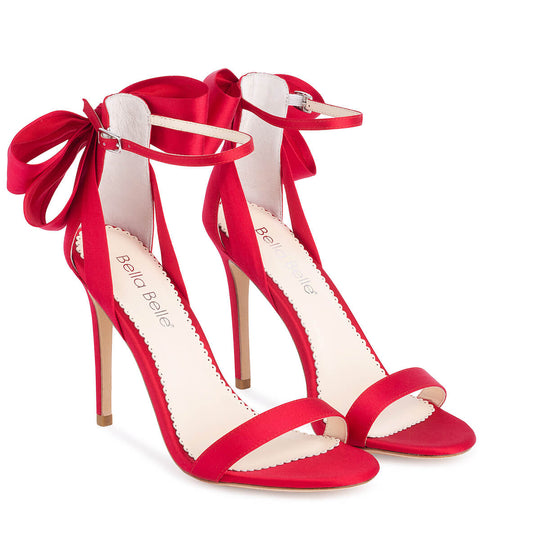
Effortless style, therefore, is a symphony composed of knowledge, strategy, and personal signature. It’s understanding the science of what works for your body and climate, mastering the technical art of layering, and harnessing the transformative power of a defining detail—be it a color, a cut, or a cherished pair of bow red heels. It is a practice that rewards you daily with confidence, simplifies your choices, and respects your resources. When you dress with this intentional ease, you are not dressed for a season; you are dressed for your life.
