Your Ultimate Guide to Comfort and Style for Every Outfit
Fashion and function are not mutually exclusive. The true art of dressing lies in harmonizing aesthetic appeal with uncompromising physical comfort, creating a personal style that feels as good as it looks. This guide moves beyond fleeting trends to explore the foundational principles of building a wardrobe where every piece, from head to toe, serves your well-being and your expression. We will dissect the science of comfort, the psychology of style, and the practical tools needed to achieve both, ensuring you step out each day with confidence rooted in genuine ease.
The Foundation: Where Biomechanics Meets Design
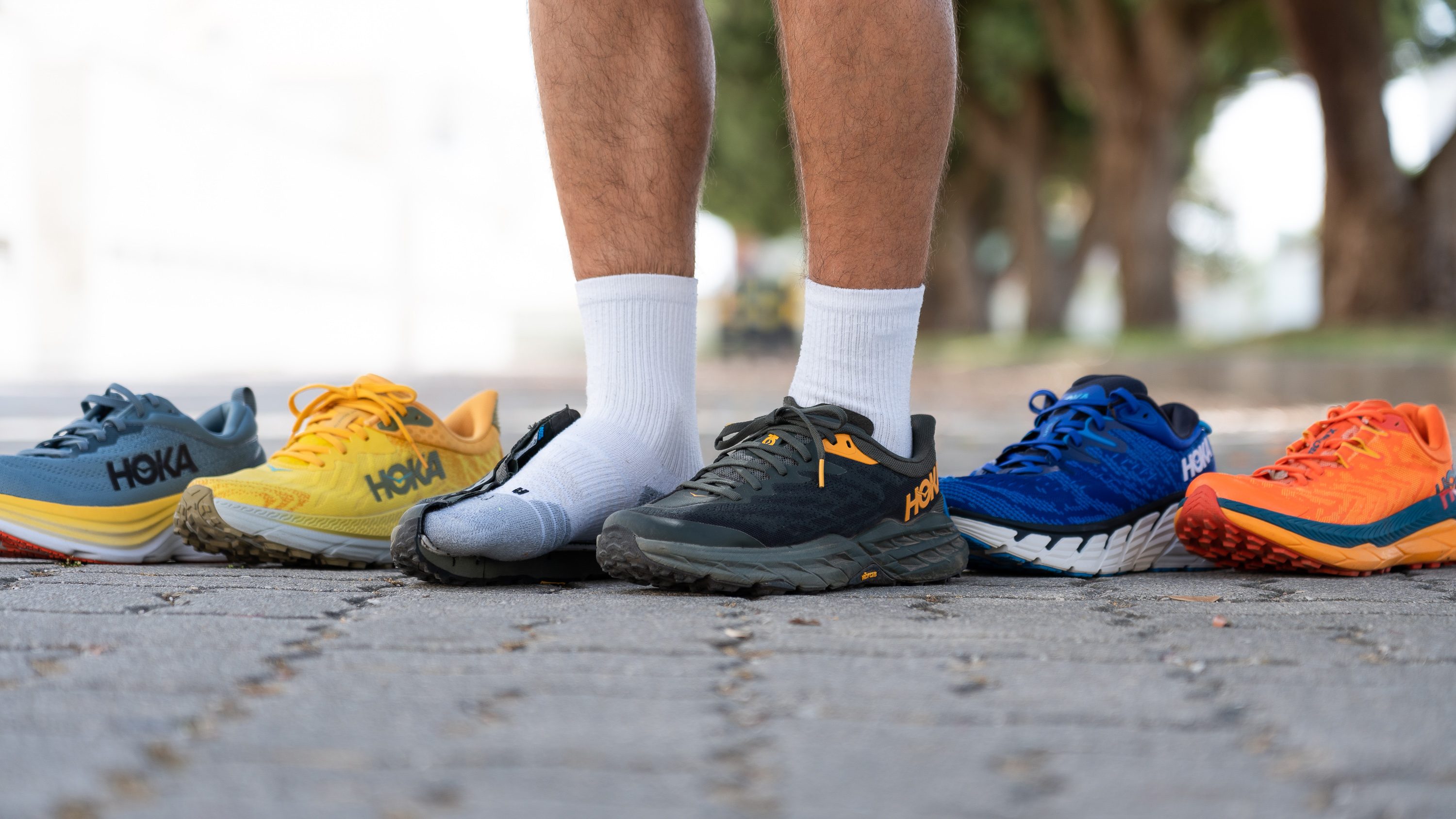
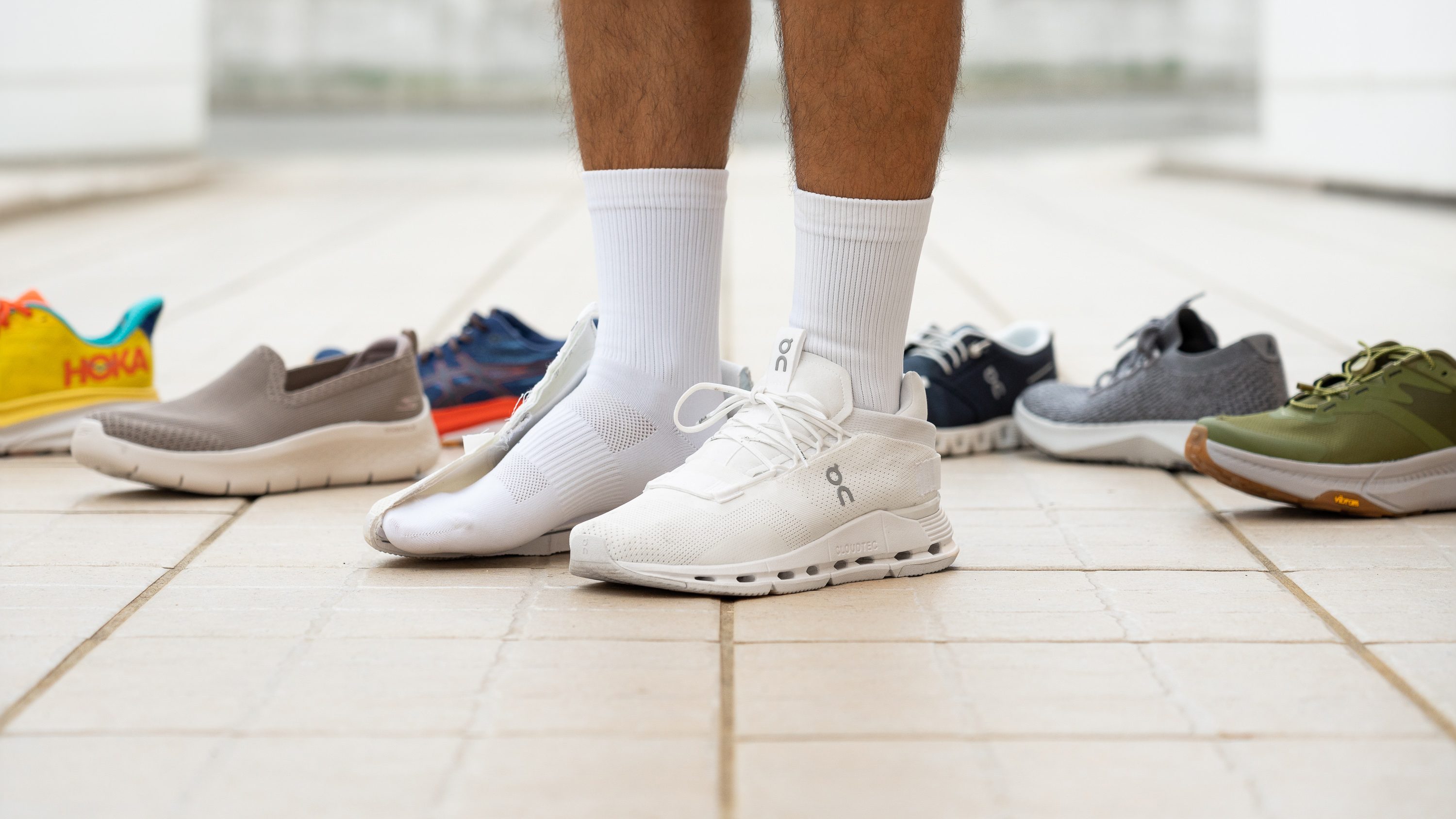
The journey to sartorial bliss begins at the ground level—literally. Your feet are the base of your physical structure, and their treatment dictates your posture, gait, and overall physical comfort throughout the day. A poorly chosen shoe can cause a cascade of discomfort, from localized pain to backaches and fatigue. This is where the humble yet critical walking shoe transcends its category. It is not merely an item for athletic pursuit; it is a piece of biomechanical engineering that, when chosen correctly, becomes the invisible bedrock of any successful outfit. The American Podiatric Medical Association emphasizes that proper footwear is essential for foot health and overall musculoskeletal alignment. Consider the walking shoe as the foundation of a building: if it’s unstable or ill-fitting, nothing built upon it can truly stand secure. The right pair provides cushioning to absorb impact, arch support to maintain the foot’s natural structure, and a flexible yet stable sole to facilitate the natural rolling motion of your step. When your foundation is solid, you carry yourself differently—your stride is more assured, your posture improves, and the comfort you feel radiates outward as a component of your style.
Decoding Comfort: Materials, Fit, and Ergonomics
Comfort is a sensory experience governed by objective factors. It begins with materials. Natural fibers like cotton, linen, wool, and high-tech synthetics designed for moisture-wicking and breathability play a crucial role in thermoregulation and skin feel. The concept of “hand feel”—the tactile quality of a fabric—is a recognized metric in textile science. A shirt that feels abrasive or a pair of pants that are stiff will distract from your experience, no matter how stylish they appear. Fit is the next pillar. Garments that are either constricting or excessively baggy create friction, restrict movement, and alter your natural silhouette in unflattering ways. Ergonomics, the study of people’s efficiency in their working environment, applies directly to clothing. A well-designed jacket allows for a full range of arm motion; trousers with a gusseted crotch facilitate ease of movement. As renowned designer Coco Chanel once advised, “Fashion is architecture: it is a matter of proportions.” True style emerges from clothing that is proportioned correctly for your body, creating a harmonious visual line that originates from a place of physical liberty. This principle is why the tailored stretch blazer or the jeans with a percentage of elastane have become wardrobe staples—they marry form with freedom.
The Style Equation: Cohesion, Color, and Personal Narrative
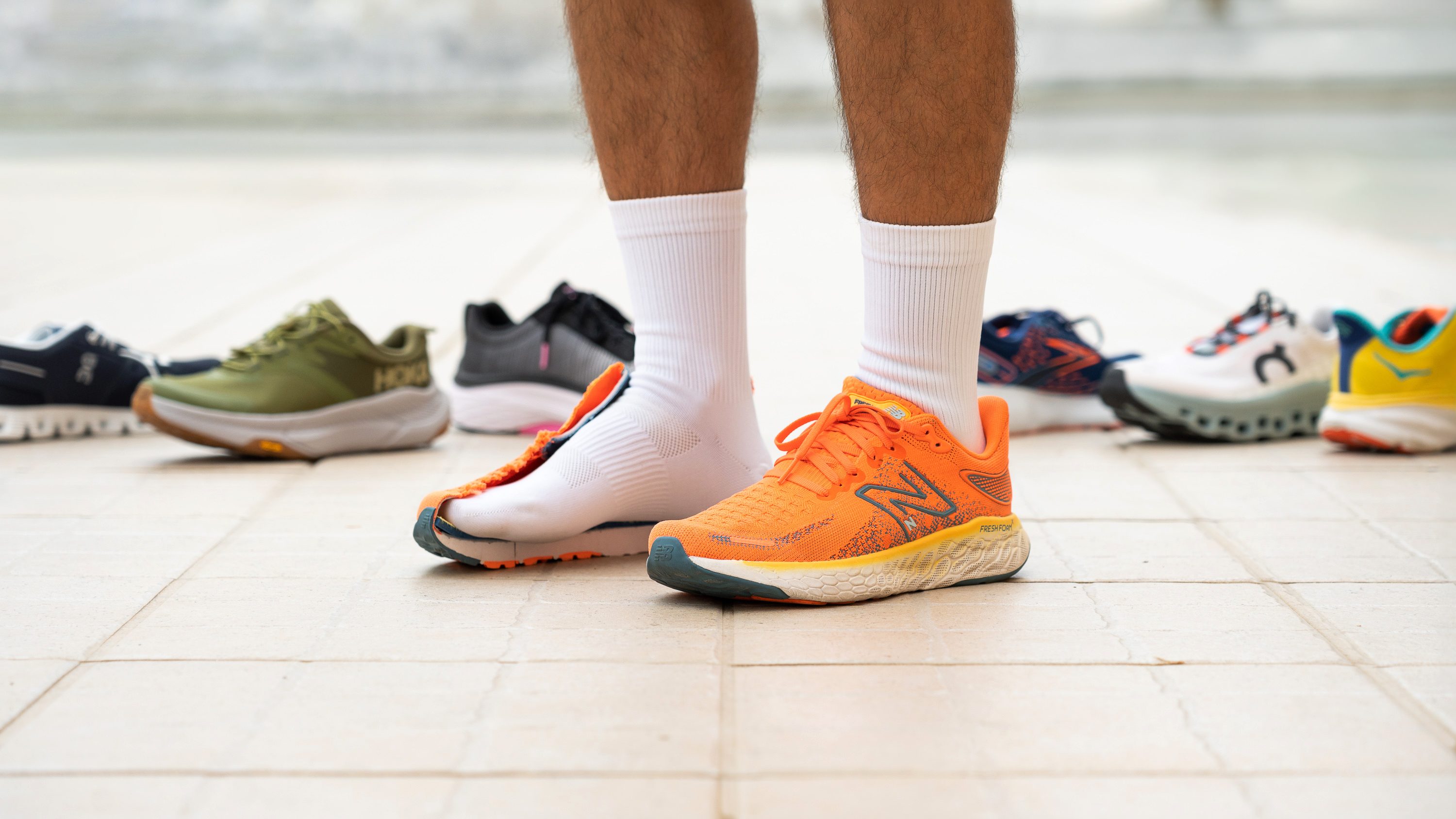
Style is the intentional curation of pieces to communicate a part of your identity. It is personal narrative made visible. While comfort addresses the internal experience, style manages the external perception. The key is cohesion. An outfit tells a clearer, more confident story when its elements—color, texture, silhouette, and formality—are in dialogue with each other. Color theory, a body of practical guidance to color mixing and visual effects, is a powerful tool here. Understanding basic principles, such as complementary or analogous color schemes, can transform random pieces into a cohesive look. However, style is not about rigid rules; it’s about informed choices. It might be the pop of a brightly colored sneaker with a monochrome suit, a nod to the “sprezzatura” of Italian fashion—studied carelessness. Your style should incorporate pieces that hold meaning for you, whether it’s a vintage watch, a handcrafted bag, or that perfectly broken-in leather jacket. As author and stylist Hillary Kerr posits, style is about self-expression. The goal is to build a wardrobe where each item, from a statement coat to the most reliable walking shoe, feels authentically “you,” allowing you to navigate different settings—be it the office, a casual outing, or a special event—with inherent confidence.
The Hybrid Revolution: Blurring the Lines with Purpose
The most significant shift in modern fashion is the erosion of traditional boundaries. The rise of “athleisure” and hybrid footwear is not merely a trend but a response to a growing demand for versatility and all-day comfort. This revolution acknowledges that our lives are multifaceted, and our clothing should adapt accordingly. A walking shoe is no longer confined to the gym track; engineered with sophisticated aesthetics, it can be seamlessly paired with chinos and a blazer for a smart-casual look that doesn’t sacrifice foot health. Brands are investing heavily in technology that makes this possible. For instance, Adidas’ Boost foam or Nike’s React technology, originally developed for runners, now provide exceptional cushioning in lifestyle models. This fusion is celebrated in popular culture; characters in films and TV shows are often depicted in outfits that blend performance and casual wear, reflecting a contemporary reality. The hybrid approach empowers you to maintain a consistent style thread throughout your day without needing to compromise on comfort during a commute, a long day of meetings, or an evening stroll. It’s about intelligent design that performs double duty.
Investment Pieces vs. Strategic Savings: A Smart Shopper’s Calculus
Building a versatile, comfortable wardrobe is an exercise in strategic allocation. The “cost per wear” model is a more useful metric than the price tag alone. An investment piece—a supremely comfortable and classically styled pair of leather boots, a well-cut wool coat, or a high-quality walking shoe from a reputable brand known for durability—may have a higher initial cost but delivers value over years of frequent use. These items often feature superior materials and construction, directly contributing to their comfort and longevity. Conversely, fast-fashion outlets can be excellent sources for trendy, seasonal items where comfort is still paramount but longevity is less critical. The savvy shopper knows where to splurge and where to save. Look for discounts on previous seasons’ colors of high-quality core items, or subscribe to newsletters from your favorite brands for exclusive sale alerts. Remember, professional knowledge here is key: understanding the hallmarks of good construction (e.g., reinforced stitching, full-grain leather, durable soles) allows you to identify quality even at a discounted price, ensuring your savings don’t come at the cost of comfort or style integrity.
The Final Layer: Confidence as the Ultimate Accessory
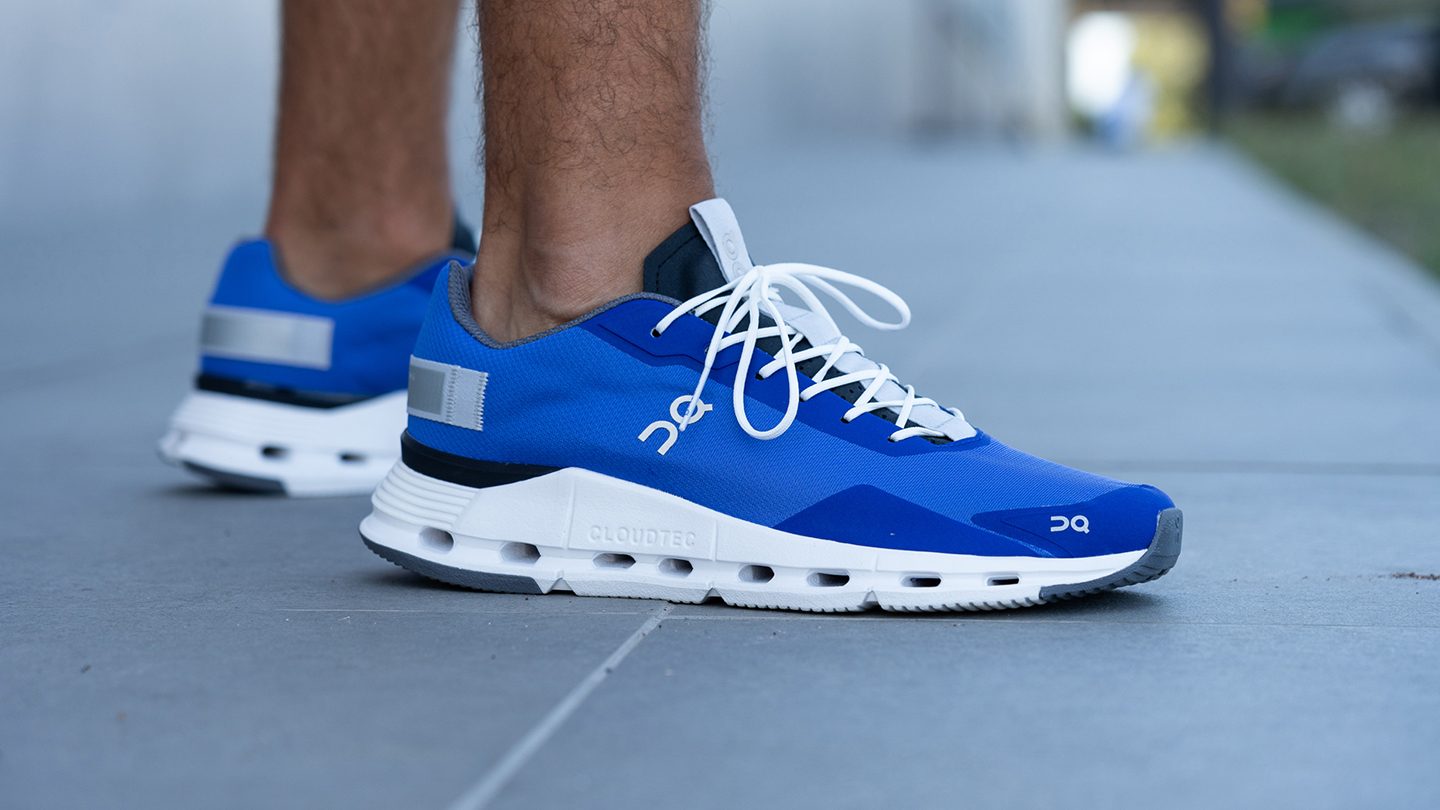
Ultimately, the most powerful element you wear is your own confidence. It is the intangible quality that animates your clothing and completes any outfit. This confidence is born from the knowledge that you are physically at ease and authentically represented by what you have chosen to wear. When you are not distracted by pinching shoes or a restrictive waistband, your energy is free to focus outward—on your work, your conversations, your enjoyment of the moment. The right walking shoe that supports you through a busy day, the soft fabric of a sweater that feels like a hug, the perfect fit of a pair of jeans—these are not minor details. They are the building blocks of self-assurance. As fashion icon Iris Apfel, known for her bold and joyful style, once said: “I think you have to be interested in life and interested in what you put on your back. If you’re not interested, you’re a bore.” This interest, this engagement with how you present yourself to the world from a place of comfort and authenticity, is the final, non-negotiable layer. It tells the world you respect yourself enough to care for your body and express your spirit, creating a style that is uniquely and powerfully yours.