

The Walking Shoe: Your Ultimate Guide to Comfort and Style for Every Outfit
Forget the notion that practicality and fashion exist in separate realms. The modern pursuit is for harmony—where what supports our bodies also expresses our identity. At the heart of this convergence lies a singular, often underestimated hero: the walking shoe. This is not merely about footwear designed for ambulation; it is about a foundational piece of technology and style that can anchor your entire wardrobe, from a crisp business-casual ensemble to weekend athleisure. The right pair transcends function to become a statement of intentional living, blending biomechanical science with sartorial intelligence. Let’s dismantle the old compromises and explore how the perfect walking shoe can be the cornerstone of a comfortable, confident, and stylish life.
The Anatomy of Comfort: Deconstructing the Modern Walking Shoe
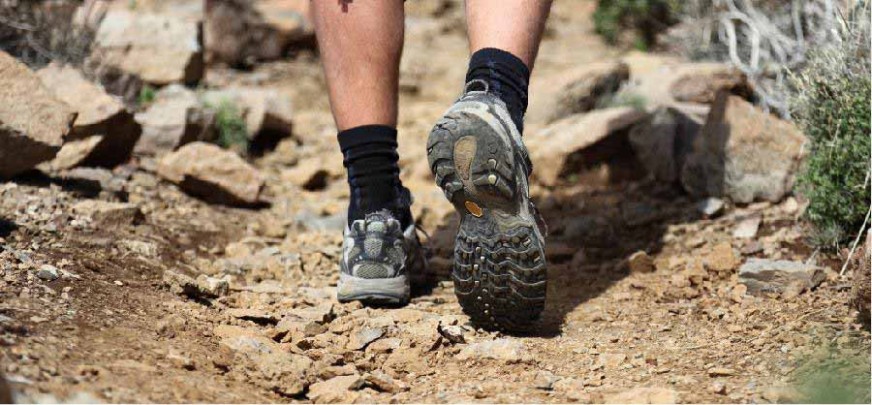
To appreciate the walking shoe is to understand it as a marvel of ergonomic engineering. Its comfort is not accidental but the result of specific, scientifically-informed design elements working in concert. The midsole, often crafted from advanced materials like ethylene-vinyl acetate (EVA) or polyurethane, is the primary shock absorber. According to biomechanics literature from institutions like the University of Calgary’s Human Performance Laboratory, effective cushioning mitigates the ground reaction forces that travel up the skeletal system with each step, reducing long-term stress on joints. The heel counter—the firm cup at the back—provides essential stability, controlling excessive rearfoot motion, a common contributor to ailments like plantar fasciitis. Then there’s the toe box. A study cited in the Journal of Foot and Ankle Research emphasizes the importance of adequate width and depth to allow for natural toe splay upon foot strike, preventing issues like bunions and neuromas. The insole or sockliner adds another layer of contouring and moisture-wicking, while the outsole’s tread pattern, inspired by tire technology, offers grip to prevent slips. This intricate symphony of components is what separates a true walking shoe from casual sneakers or running shoes, which are optimized for different gait cycles and impact profiles.
Style Synergy: Pairing Your Walking Shoes Beyond the Gym
The historic barrier between athletic shoes and fashion has irrevocably collapsed. We are in an era defined by “hybrid dressing,” a trend validated by fashion authorities from Vogue to street style blogs. The key to mastering this look is intentionality. A minimalist white leather walking shoe, for instance, echoes the clean lines of a Common Projects sneaker and can be paired effortlessly with tailored trousers and a relaxed blazer, creating a look that is both sharp and supremely comfortable. For a more urban, tech-inspired aesthetic, a monochromatic black pair with sleek contours complements slim-fit jeans and a technical fabric jacket. The principle here is one of tonal harmony and silhouette consideration. As fashion influencer and author Tan France often notes, the cohesion of an outfit lies in balancing proportions and color stories. A chunky-soled, cushioned walking shoe (often called a “dad shoe”) makes a deliberate style statement; balance its volume with more streamlined pieces on top. The goal is not to hide your shoes but to integrate them as a purposeful component of your overall aesthetic. This approach democratizes style, proving that you do not need to sacrifice well-being for appearance. The versatile walking shoe becomes the reliable constant, adaptable to myriad style narratives.
The Investment in Longevity: When Science Says It’s Time for a New Pair
Even the most expertly engineered shoe has a finite lifespan, and wearing it beyond its functional prime is a false economy that can cost you in health. The cushioning materials compress, the support structures break down, and the wear patterns alter your gait. But how do you know? The common advice of “every 300-500 miles” is a good start, but it’s impersonal. More objective signs come from the shoe itself and your body. Place your shoes on a flat surface and look at them from behind. If the heel counter is visibly tilted inward or outward, stability is compromised. Examine the outsole tread; bald spots, especially on the heel or ball of the foot, indicate it’s time. Most tellingly, listen to your body. The onset of new, unexplained aches in your knees, hips, or lower back—or a resurgence of old injuries—can often be traced to depleted footwear. Dr. Jordan Metzl, a renowned sports medicine physician, states in his book The Exercise Cure: “Your shoes are the most important piece of exercise equipment you own. When they lose their spring, you lose your protection.” Replacing your walking shoes proactively is not an expense; it is a direct investment in your continued mobility and pain-free activity.
:max_bytes(150000):strip_icc()/when-should-i-replace-my-walking-shoes-3436325-0801-7a1840d83573471092e0380f9e230ecc.jpg)
Navigating the Market: A Curated Look at Leading Technologies
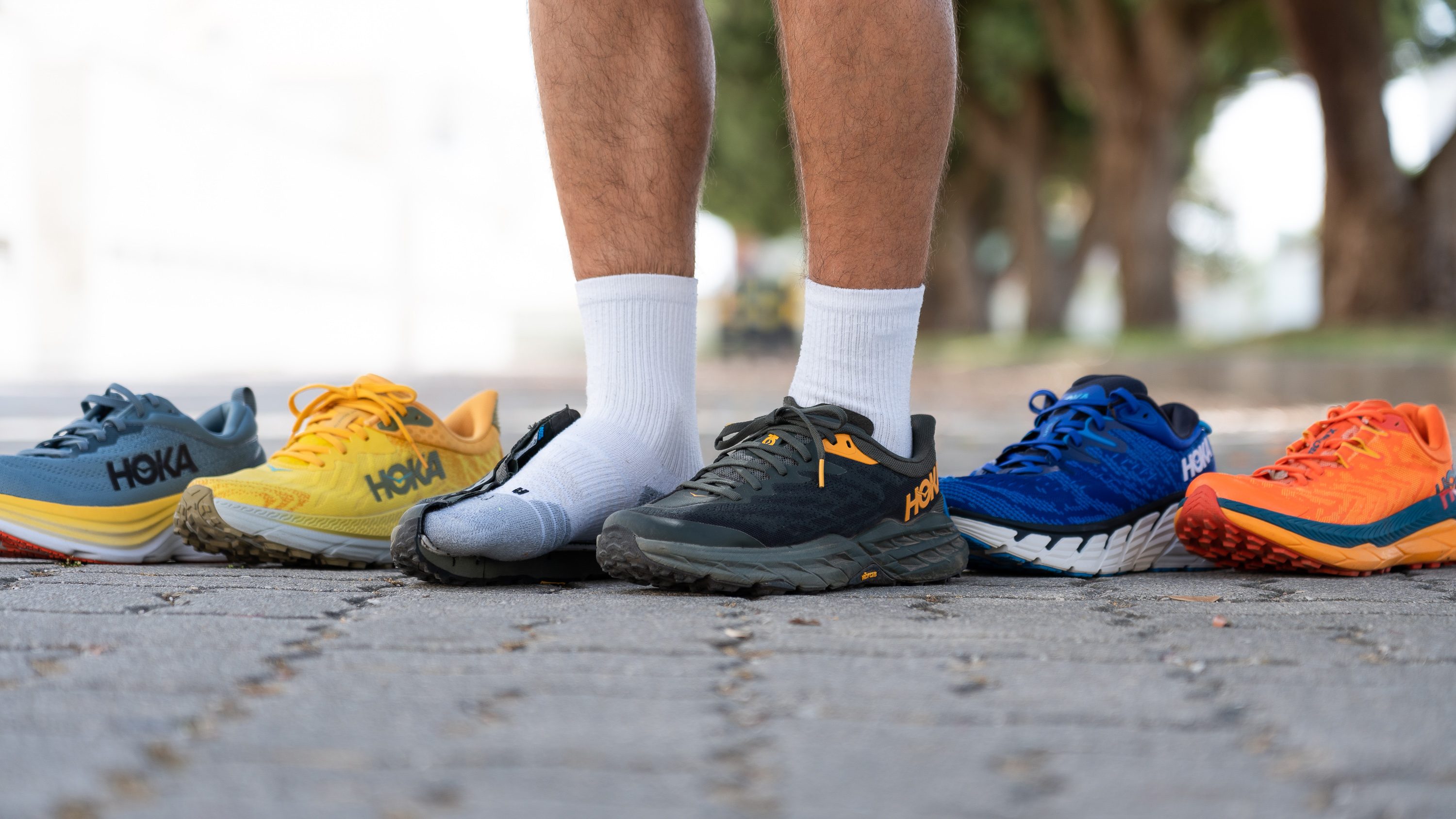
The marketplace for walking shoes is vast, but several brands have distinguished themselves through proprietary technologies that cater to specific needs. Hoka One One, for example, is celebrated for its maximalist cushioning. Their meta-rocker geometry, as explained in product literature, is designed to create a smooth heel-to-toe transition, reducing strain on the Achilles and calf—a boon for long-distance walkers or those with joint sensitivity. On another front, brands like Brooks integrate holistic support systems like GuideRails, which, instead of just supporting the arch, focus on keeping the knee in its natural alignment path. For those seeking sustainable options, Allbirds uses materials like merino wool and sugarcane-based EVA, merging eco-consciousness with comfort. The choice ultimately hinges on your individual biomechanics, foot shape (are you flat-footed, have a high arch?), and primary use case. Consulting with a specialist at a running store for a gait analysis can provide invaluable data, transforming your purchase from a guess into a science-backed decision for your ideal walking shoe.
Your Actionable Guide: Blending Knowledge with Opportunity
Armed with this understanding of anatomy, style, longevity, and technology, you are now equipped to make an enlightened choice. Begin by assessing your current most-worn pair against the longevity checkpoints. Next, define your primary need: is it cloud-like cushioning for city pavement, stability for trail paths, or a sleek profile for wardrobe integration? Use this to narrow your brand and model research. Remember, the best shoe is the one that fits your unique foot perfectly in the store—never buy with the expectation of a “break-in period.” Now, let’s talk value. Premium walking shoes from brands like Hoka, Brooks, or New Balance typically retail between $120 and $160. However, strategic shopping can yield significant savings. Look for previous model-year colors, which often see discounts of 20-30% as new lines launch. Major holiday sales events and newsletters from specialty retailers are goldmines for promotions. For instance, last season’s excellent Brooks Ghost or Hoka Clifton, still packed with the core technology, can frequently be found for under $100. This approach allows you to access top-tier biomechanical engineering and durable construction without straining your budget, making the investment in your health and style both wise and accessible.
The journey through the world of walking shoes reveals a clear truth: this is where well-being and personal expression find common ground. By choosing a shoe built on scientific principles, you actively safeguard your physical health for the miles ahead. By styling it with intention, you communicate a modern, pragmatic elegance. The ultimate walking shoe is more than an accessory; it is a tool for living fully, comfortably, and stylishly in every step you take. Let your next pair be the one that doesn’t force you to choose between how you feel and how you look, but beautifully delivers both.
