

The Walking Shoe: Your Ultimate Guide to Comfort and Style
Forget the notion that comfort and style are mutually exclusive. The modern walking shoe has evolved into a sophisticated piece of footwear technology, designed to carry you through city streets, park trails, and daily errands without sacrificing an ounce of aesthetic appeal. This isn’t about bulky, purely functional sneakers relegated to the back of the closet. Today’s best options are a fusion of biomechanical engineering and contemporary design, offering a foundation for both physical well-being and personal expression. Whether you’re a dedicated urban explorer, a fitness walker clocking daily steps, or someone who simply spends hours on their feet, the right pair is an investment in your daily life. This guide delves into the science, the style, and the substance behind finding your perfect match.
The Foundation: Understanding Foot Biomechanics and Shoe Construction
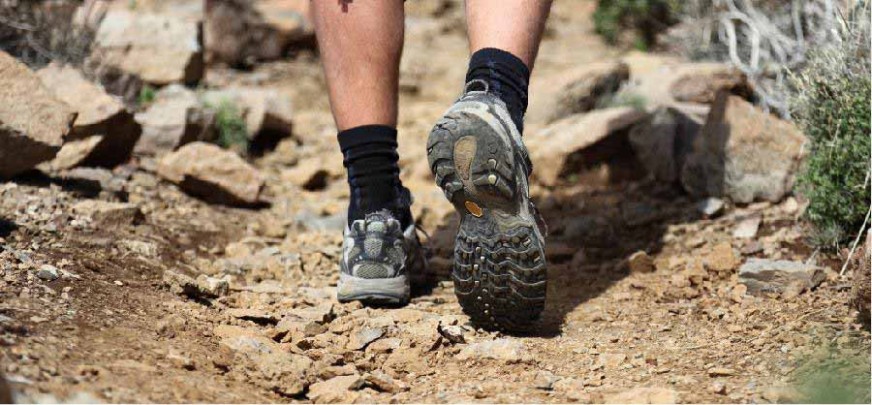
To appreciate the engineering marvel of a good walking shoe, one must first understand the basic mechanics of walking, or gait cycle. As explained in biomechanics literature from institutions like Stanford University’s Human Performance Lab, the gait cycle involves two main phases: stance and swing. During the stance phase—when your foot is in contact with the ground—it undergoes pronation (a natural inward roll to absorb shock) and supination (the outward roll to propel you forward). A quality walking shoe is designed to support this natural motion, not hinder it. The key components that make this possible are the midsole, the outsole, and the upper. The midsole, often made from advanced materials like EVA (ethylene-vinyl acetate) foam, polyurethane, or proprietary compounds like Brooks’ DNA LOFT or ASICS’ GEL, is the heart of cushioning. Its job is to attenuate the ground reaction forces, which can be 1.5 to 3 times your body weight with each step. The outsole provides traction and durability, with flex grooves that allow the shoe to bend naturally at the metatarsophalangeal (MTP) joints—the ball of your foot. The upper, constructed from engineered meshes, leather, or synthetic materials, offers breathability and a secure, non-constrictive fit. Ignoring these elements in favor of looks alone is a common pitfall; a poorly constructed shoe can lead to a cascade of issues, from plantar fasciitis and shin splints to knee and lower back pain, as noted by the American Podiatric Medical Association.
Debunking Myths: Arch Support, Cushioning, and “Barefoot” Styles
A significant point of contention in footwear discourse revolves around the type and amount of support needed. The “one-size-fits-all” approach to arch support is a myth. Podiatrists often categorize feet as having neutral arches, high arches (pes cavus), or low arches (flat feet, or pes planus). A person with high, rigid arches typically needs a shoe with ample cushioning to compensate for reduced natural shock absorption, while someone with flat, overpronating feet may benefit from a shoe with structured support or motion control features to guide the foot. However, the rise of minimalist or “barefoot” shoes, popularized by books like Christopher McDougall’s Born to Run, presents a counter-narrative. Proponents argue that overly supportive shoes weaken the foot’s intrinsic muscles. The scientific consensus, as seen in reviews from the British Journal of Sports Medicine, suggests a nuanced view: while minimalist shoes can strengthen foot musculature over time, a sudden transition can cause injury. For the average walker, a walking shoe with moderate, responsive cushioning and a heel-to-toe drop (the height difference between heel and forefoot) of 6-10mm often provides the ideal balance of protection and natural movement. The key is gradual adaptation and listening to your body’s feedback.
The Style Equation: When Performance Meets Aesthetics
Gone are the days when technical footwear was an eyesore. The last decade has witnessed a seismic shift, with high-fashion designers collaborating with sportswear giants and heritage athletic brands reinventing their classic silhouettes. The chunky “dad shoe” trend, exemplified by models like the Balenciaga Triple S or the New Balance 990 series, openly celebrated the aesthetic of performance gear. This cultural shift legitimized the look of advanced sneakers in everyday settings. Today, you can find a walking shoe with a sleek, low-profile design that wouldn’t look out of place with chinos or a casual dress, yet houses a full-length carbon rubber outsole and a proprietary cushioning system. Brands like Allbirds, with their focus on sustainable materials and minimalist design, and Cole Haan, blending dress shoe stylings with Grand.ØS performance technology, are prime examples. The choice between a monochromatic knit upper and a classic leather paneled design is no longer just about style; it’s about the performance characteristics of those materials—breathability, flexibility, and water resistance—paired with the visual statement you wish to make.

Material Innovation: From Recycled Plastics to Temperature Regulation
The pursuit of the perfect walking shoe has driven remarkable material science innovations. The upper is no longer just leather or simple nylon. Engineered mesh, often with targeted zones of density, provides strategic breathability and support. Many brands now incorporate recycled materials; Adidas, for instance, has committed to using only recycled polyester by 2024, a move reflected in shoes like the Ultraboost series made with Parley Ocean Plastic. Beyond sustainability, temperature regulation is a frontier. Phase-change materials (PCMs), which absorb, store, and release heat, are being integrated into linings to maintain a comfortable microclimate. Moisture-wicking treatments and antimicrobial coatings, often using silver ion technology, address odor and hygiene—a critical factor for all-day wear. As noted by material scientists in publications like Textile Research Journal, these advancements transform the shoe from a passive cover into an active, responsive environment for the foot, enhancing comfort over prolonged periods and diverse conditions.
Selecting Your Partner: A Practical Framework for Decision-Making
With countless options, selecting the right shoe can feel overwhelming. A systematic approach cuts through the noise. First, identify your primary use-case: is it for dedicated fitness walking on paved surfaces, all-day wear on hard retail floors, or mixed-terrain urban adventures? This determines priorities—cushioning versus stability, weight versus durability. Second, know your foot. The “wet test” (stepping on a paper bag with a wet foot to see your arch imprint) is a simple start, but a professional gait analysis at a specialty running store provides invaluable data. Third, fit is paramount. Your feet swell throughout the day, so shop in the afternoon or evening. There should be a thumb’s width (about 1.3 cm) of space between your longest toe and the end of the shoe. The width should be snug but not tight, with no pinching or slippage at the heel. Remember, shoe sizes are just a number; fit trumps vanity. As celebrity trainer and YouTube personality Harley Pasternak often states in his footwear reviews:
“The most expensive, high-tech shoe in the world is worthless if it doesn’t fit your unique foot. It’s not a luxury, it’s a necessity to get professionally fitted. Your shoes are the interface between you and the ground; that interface needs to be perfect.”
Finally, don’t be swayed by trends alone. A shoe that’s perfect for someone else’s foot and lifestyle may be entirely wrong for you.
Investment and Value: Navigating Price and Longevity
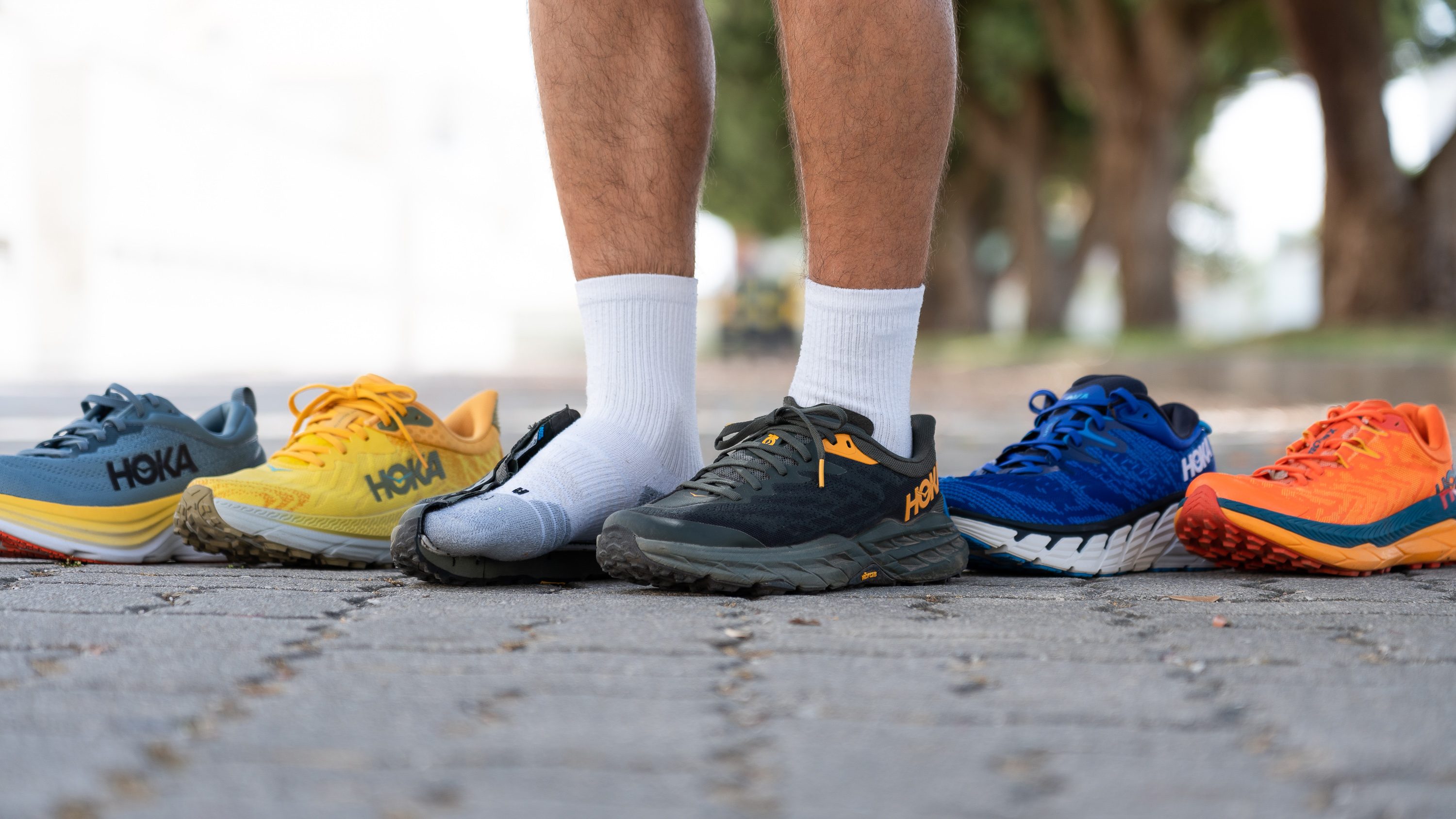
A common question is how much to spend on a quality walking shoe. Prices can range from under $50 to over $200. While cost doesn’t always correlate perfectly with quality, there is a general relationship between price points and the technology, materials, and construction quality. Budget shoes often use simpler, heavier foam compounds and less durable outsoles. Mid-range shoes ($80-$140) typically feature the brand’s core proprietary cushioning systems, better breathable uppers, and more thoughtful design. Premium shoes push the boundaries with the lightest, most responsive foams (like PEBAX-based compounds), advanced stability systems, and premium material finishes. The true value, however, is measured in cost per mile. A $150 shoe that remains comfortable and supportive for 500 miles costs $0.30 per mile. A $60 shoe that breaks down or causes discomfort after 150 miles costs $0.40 per mile and may incur hidden costs in the form of discomfort or injury. Look for signs of wear: when the outsole tread is significantly worn smooth or the midsole foam no longer springs back (a phenomenon called “foam compression”), it’s time for a replacement, typically every 300-500 miles. Investing in two pairs to rotate can extend the life of both by allowing the foam to fully decompress between wears.
Stepping Forward: Integrating Your Choice into Daily Life
The final step is integration. Your new walking shoes should feel like an extension of your body, not a piece of equipment. Break them in gradually over a few short walks before embarking on a full-day adventure. Pair them with appropriate socks—technical, moisture-wicking socks, not cotton, which retains sweat and can lead to blisters. Consider your insoles; while many stock insoles are excellent, those with specific orthotic needs may benefit from custom or over-the-counter supportive inserts. Ultimately, the right shoe empowers movement. It removes the barrier of discomfort, encouraging you to walk that extra block, explore a new neighborhood, or simply stand with less fatigue. In a world where sedentary lifestyles are a major health concern, as highlighted by the World Health Organization, a comfortable, supportive, and stylish shoe is more than an accessory; it’s a tool for proactive well-being. It’s the silent partner that supports every journey, from the mundane commute to the spontaneous weekend exploration, proving that the best shoe is the one you forget you’re wearing, because it simply works in harmony with you.
