

The Walking Shoe: Your Secret to Effortless Style and All-Day Comfort
Imagine a single pair of shoes that carries you from a bustling morning commute through a day of errands and into a casual evening out, all while your feet feel as fresh as when you started. This isn’t a fantasy of comfort over style, or style over practicality. It is the tangible reality offered by the modern walking shoe. For too long, we’ve accepted a false dichotomy: that shoes which look good must feel bad, and shoes that feel good must look bland. Today, that compromise is obsolete. The right walking shoe is a masterful fusion of biomechanical engineering and contemporary design, becoming the unsung hero of a dynamic lifestyle. It is the foundational piece that supports not just your arches, but your entire day’s potential, proving that true style is inherently linked to unabated comfort.
The Anatomy of All-Day Comfort: More Than Just a Soft Sole
To understand the revolution of the modern walking shoe, we must dissect its core. Comfort is not a monolithic concept; it is a symphony of scientific features working in concert. At the heart lies midsole cushioning, typically crafted from advanced materials like EVA (ethylene-vinyl acetate) foam or proprietary compounds such as Adidas’s Boost or Nike’s React. According to research from the Spaulding National Running Center, affiliated with Harvard Medical School, proper cushioning does more than soften impact; it reduces the peak loading forces on joints, potentially decreasing the risk of stress-related injuries over time. This cushioning must be paired with strategic arch support. The American Podiatric Medical Association emphasizes that support tailored to your foot type—be it neutral, low-arched (overpronator), or high-arched (supinator)—maintains proper alignment from the foot upward through the ankle, knee, and hip. A third, often overlooked component is the heel counter. This is the firm cup that cradles the back of your heel. A study published in the Journal of Foot and Ankle Research noted that a robust heel counter significantly improves rearfoot stability, preventing excessive side-to-side motion that can lead to blisters and instability. Finally, the flexibility of the forefoot is crucial. The shoe must bend easily at the ball of the foot, mirroring the natural toe-off phase of your gait cycle. When these elements—cushioning, support, stability, and flexibility—are precisely calibrated, the shoe ceases to be a passive covering and becomes an active partner in movement. This engineering transforms the simple act of walking from a potential source of fatigue into a sustained, pleasurable activity.
From Gym Floors to City Streets: The Evolution of Aesthetic
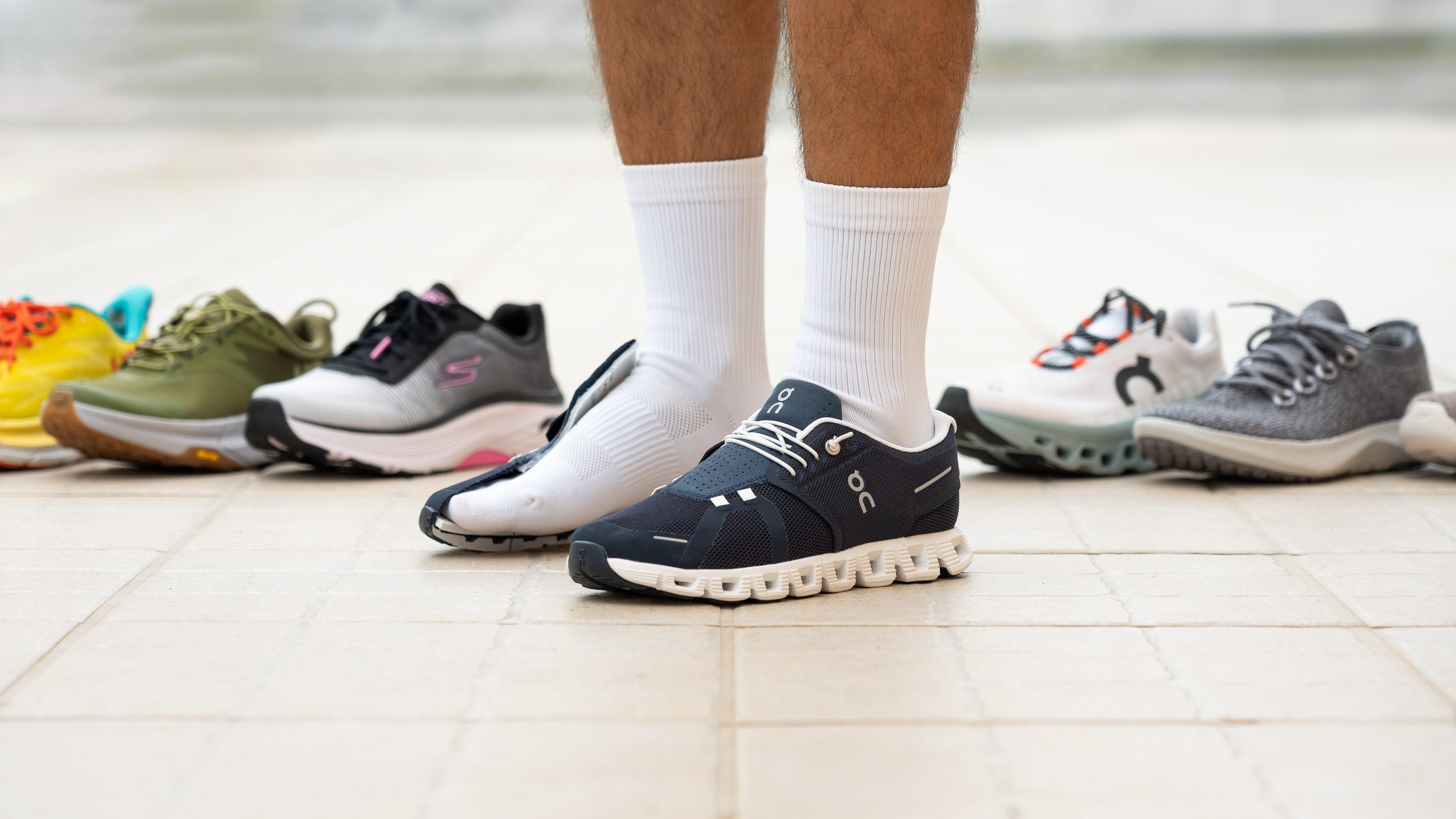
The historical perception of comfortable shoes was often linked to purely functional, sometimes clunky, designs. The turning point can be traced to a cultural shift where wellness and style began to intersect. Influential figures in fashion and entertainment started championing “health-conscious” style. As celebrity stylist and fashion commentator Tan France has noted on various platforms, “The most compelling modern style is one that doesn’t scream ‘I tried too hard.’ It’s about intelligent pieces that work for your life.” This philosophy paved the way for athletic and leisurewear to enter the mainstream fashion lexicon. Footwear brands responded not by merely adding color to old models, but by reimagining silhouettes. Designers began collaborating with biomechanists, resulting in shoes where the technical components are integrated into the visual flow. The bulky stabilizing posts of old are now sleek, molded guides. Vibrant, breathable mesh uppers replace heavy leather. The chunky sole, once purely functional, has been embraced as a bold fashion statement—the “dad shoe” trend is a direct homage to this aesthetic. This evolution means the contemporary walking shoe can feature a sophisticated monochrome palette suitable for smart-casual settings or bold, expressive colors that make an outfit pop. The barrier has been dismantled; the proof is on the feet of style icons navigating fashion weeks not in punishing dress shoes, but in premium, designed-forward sneakers and walking shoes that offer uncompromised support.
The Investment Perspective: Cost-Per-Wear Versus Initial Price
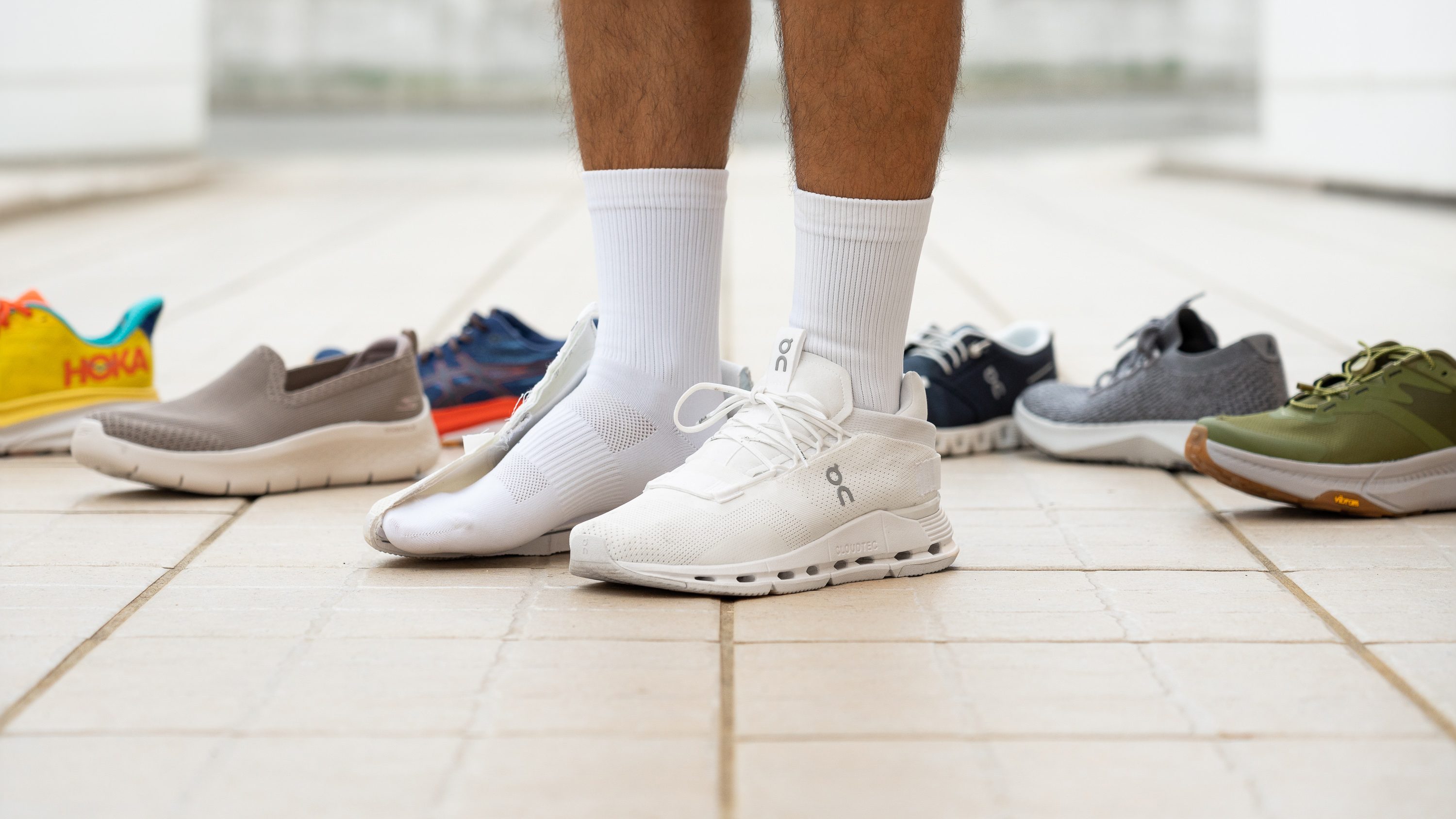
A common hesitation lies in the perceived cost of a high-quality walking shoe. This is where a shift in perspective is vital: from viewing it as a mere purchase to understanding it as an investment in your well-being and daily efficiency. The concept of cost-per-wear, a staple principle in sustainable and intelligent fashion, is perfectly applicable here. A $150 pair of shoes worn 300 days a year for two years before replacement has a cost-per-wear of just 25 cents. Compare this to a $60 pair that causes discomfort, is worn only occasionally, and breaks down after six months. The cheaper option often proves more expensive in the long run and costly in terms of physical well-being. Furthermore, the investment transcends dollars. Consider the hidden costs of discomfort: decreased productivity due to distraction, the potential for foot, knee, or back pain leading to medical expenses, and the limitation on spontaneous activity. As noted by financial wellness expert Paco de Leon in her book Finance for the People, “The best investments are often those that save your future self time, energy, and pain.” A superior walking shoe does exactly that. It is a tool that preserves your body’s capital. Brands frequently offer direct-to-consumer models that provide premium technology at a more accessible price point, and seasonal sales present opportune moments to make this strategic investment. The goal is not mere consumption, but the acquisition of a foundational tool that pays dividends in comfort and capability every single day.
Listening to the Experts: Voices from Science and Style
To solidify the argument for the modern walking shoe as a non-negotiable staple, we can turn to a confluence of authoritative voices. The scientific community offers clear, evidence-based mandates. Dr. James Ioli, Chief of Podiatric Surgery at Brigham and Women’s Hospital, states plainly:
“For the average person walking several thousand steps a day, wearing shoes with inadequate support is akin to driving a car with misaligned wheels. You might get where you’re going, but you’re causing undue wear and tear on the entire system.”
This mechanical analogy powerfully frames the body-as-system. On the style front, the endorsement is equally strong. Fashion influencer and author of The Curated Closet, Anuschka Rees, advocates for a “keystone piece” philosophy. She writes, “Identify the items you wear in 80% of your life scenarios and invest in the best possible version of those.” For an active, urban lifestyle, the walking shoe frequently tops that list. Even in popular culture, the shift is evident. Films like The Intern portray Robert De Niro’s character navigating a modern Brooklyn workplace in crisp, comfortable sneakers, symbolizing a blend of traditional professionalism with contemporary pragmatism. These perspectives, from the laboratory to the street style blog, converge on the same truth: intelligent footwear is a cornerstone of both health and personal expression. The right pair empowers you to engage with your world on your terms, without reservation.
Your Personal Gait: The Final Fitting Puzzle Piece
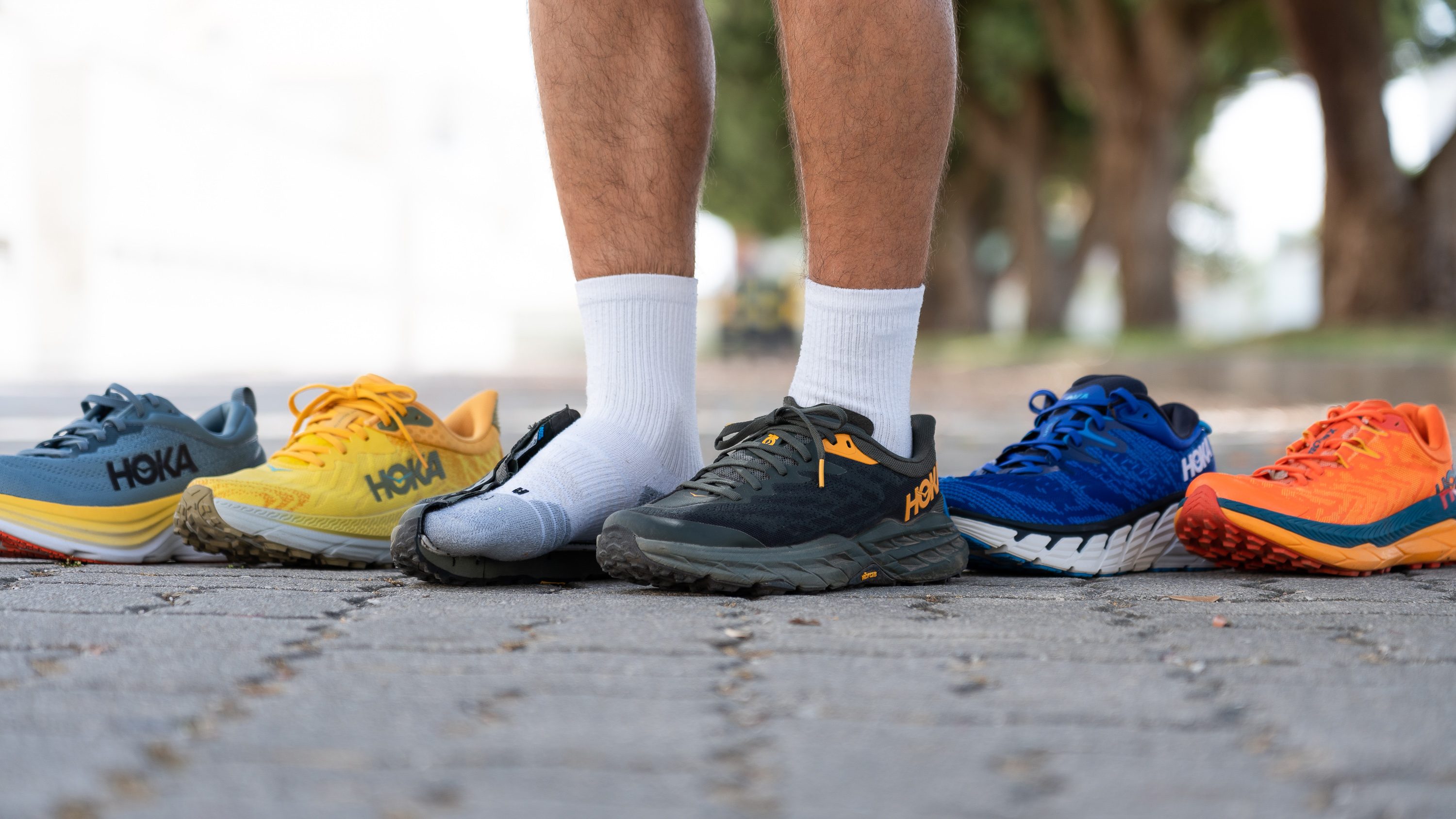
With all this knowledge about technology and style, the most critical step remains deeply personal: understanding your own gait and foot morphology. The “best” walking shoe in the world is only the best for you if it matches your unique biomechanics. This process begins with a simple wet foot test (stepping onto a paper bag with a wet foot to see your arch imprint) to broadly categorize your arch type. However, for a truly precise fit, visiting a specialty running or walking store for a gait analysis is invaluable. Many use pressure plates or slow-motion video to observe how your foot strikes the ground and rolls through the step. Do you overpronate (foot rolls inward excessively), supinate (foot rolls outward), or have a neutral gait? This analysis isn’t about pathologizing normal movement; it’s about matching your pattern with a shoe designed to complement it. A stability or motion-control shoe with medial (inner-side) support can guide an overpronating foot, while a neutral-cushioned shoe with high flexibility suits a neutral or supinating gait. Ignoring this step is like buying a prescription lens without knowing your eyesight. The perfect walking shoe feels intuitively “right” from the first step—there’s no “break-in” period of suffering. It should feel secure at the heel, roomy enough at the toes to wiggle freely, and offer a sense of balanced, springy support through the entire sole. When you find this match, the shoe disappears from your consciousness, allowing you to focus wholly on the experiences of your day, not on your feet.
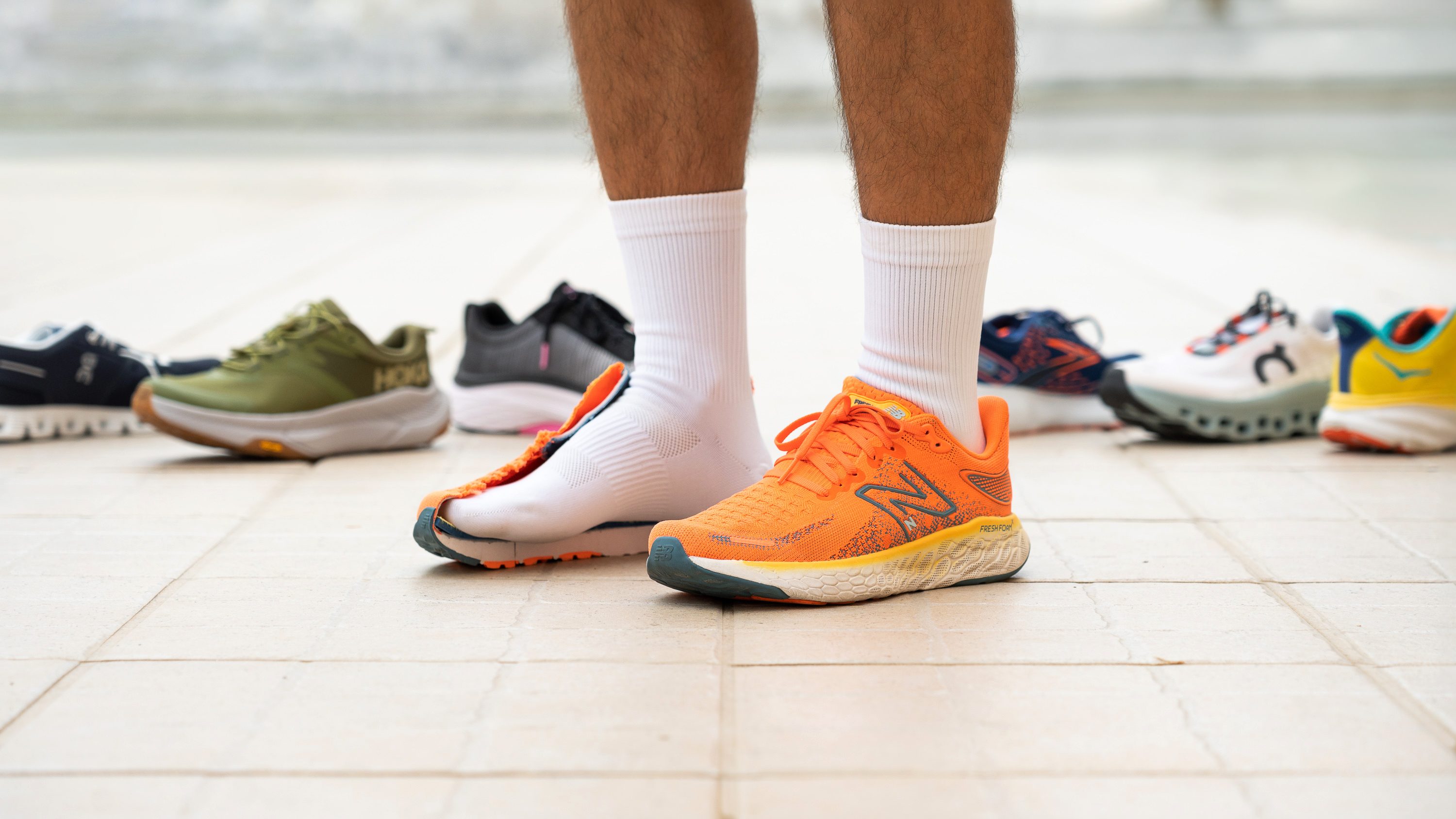
The pursuit of a shoe that seamlessly blends enduring comfort with authentic style is no longer a compromise-laden quest. It is a readily achievable standard. The modern walking shoe stands as a testament to human-centered design, where rigorous science meets expressive form. It is an active choice to reject the outdated notion that we must suffer for fashion or sacrifice aesthetics for well-being. By understanding the technology, appreciating the evolved design, viewing it as a long-term investment, heeding expert guidance, and honoring the uniqueness of your own stride, you unlock a secret weapon for daily life. This shoe is more than footwear; it is the reliable foundation upon which confident, comfortable, and stylish days are built, step after effortless step.
