

The Walking Shoe: Your Secret to Effortless Style and All-Day Comfort
In the rhythm of modern life, where every step counts, the choice of footwear transcends mere utility. It becomes a declaration of how we navigate our world—a balance between aesthetic expression and physiological necessity. The unassuming walking shoe stands at this crossroads, not as a compromise, but as a sophisticated solution. This is not about athletic performance or high-fashion theatrics; it is about the profound impact of a perfectly engineered foundation for daily motion. The right pair is the silent partner in your day, enabling miles of comfortable exploration and projecting an understated, confident style that speaks volumes without saying a word. It is the secret weapon for those who understand that true elegance is never at the expense of comfort.
The Anatomy of All-Day Comfort: Beyond Soft Soles
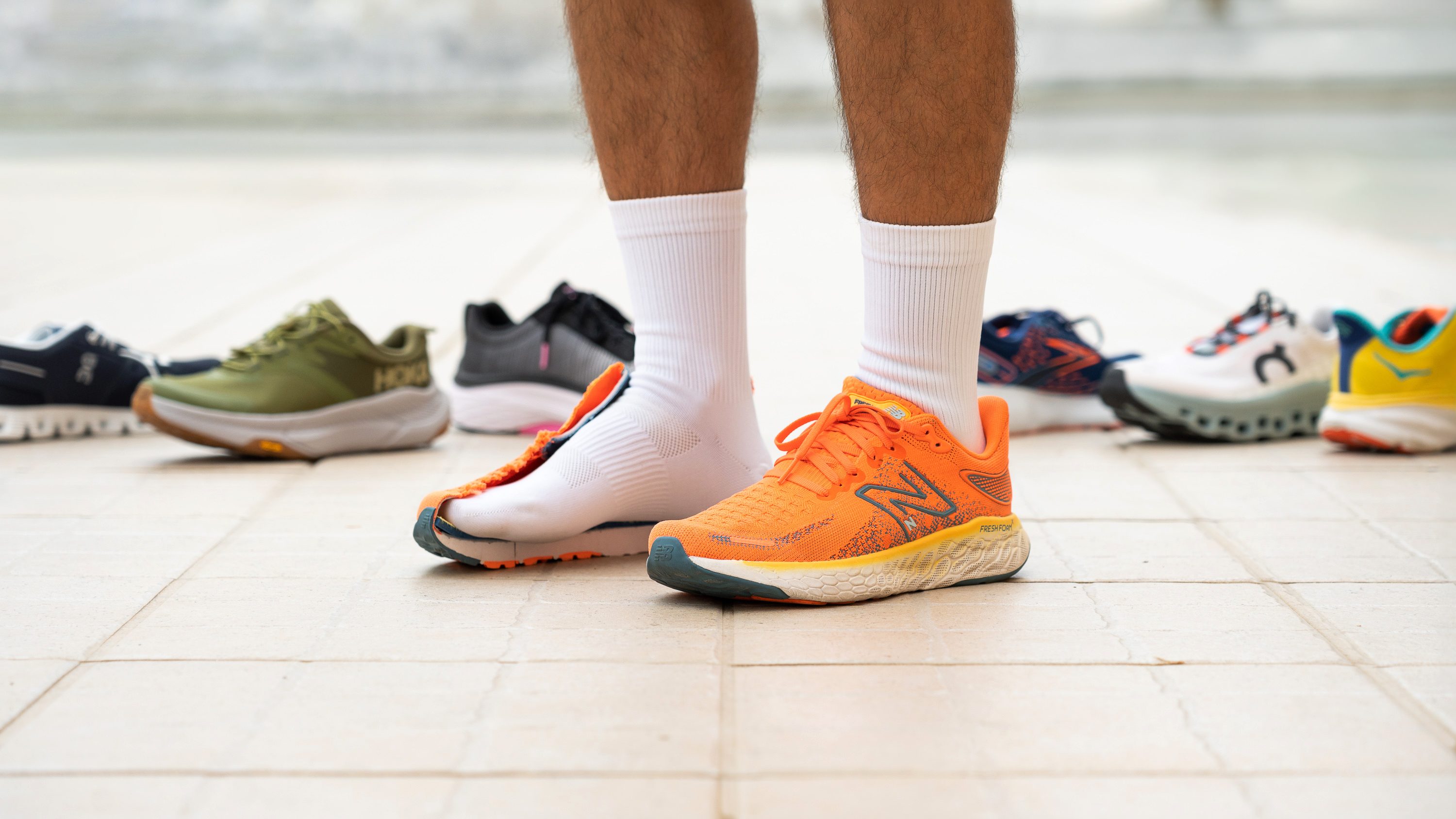
Comfort in a walking shoe is a complex symphony of biomechanics, not just a plush feeling underfoot. Scientifically, it begins with understanding the gait cycle—the series of movements from heel strike to toe-off. A shoe designed for walking must facilitate this natural roll. Key components include a heel counter for rearfoot stability, a midsole with appropriate cushioning and resilience, and a flexible forefoot to allow the foot to bend naturally. As Dr. Casey Kerrigan, a former Harvard Medical School professor and founder of a biomechanics research company, has often emphasized in her work, “Shoes that restrict natural foot motion can lead to a host of problems, from joint pain to altered posture.” The goal is dynamic support: cushioning that absorbs impact without being mushy, and structure that guides without constricting. Materials like EVA foam, polyurethane, and newer proprietary compounds like Brooks’ DNA LOFT or Hoka’s Profly+ are engineered to provide this dual function. Furthermore, the concept of “foot swelling” is critical; a well-designed walking shoe accounts for the natural expansion of the foot throughout the day, often through strategic use of mesh uppers and adaptive lacing systems, ensuring the fit remains consistent and comfortable from morning to night.
Ergonomics and Your Physiology
Delving deeper, the ergonomic design of a walking shoe directly interfaces with your body’s physiology. Arch support is paramount. Whether you have high, neutral, or low arches (flat feet), the insole or midsole contour should match your foot’s topography to distribute pressure evenly. This prevents overpronation or supination—excessive inward or outward rolling of the foot—which can cascade into knee, hip, and even lower back pain. Resources like the American Podiatric Medical Association (APMA) often list shoes that have earned their Seal of Acceptance for promoting good foot health. The rocker sole, a feature pioneered by brands like Hoka and now adopted by many, is a brilliant example of applied ergonomics. It creates a smooth, rolling transition that reduces strain on the Achilles tendon and calf muscles, making each step more efficient. As noted in biomechanics literature from institutions like the University of Calgary’s Human Performance Lab, such designs can reduce the metabolic cost of walking, meaning your body expends less energy with each stride. This scientific approach transforms the shoe from a passive cover to an active participant in your movement, enhancing endurance and preventing fatigue.
The Aesthetics of Effortless Style: Where Form Meets Function
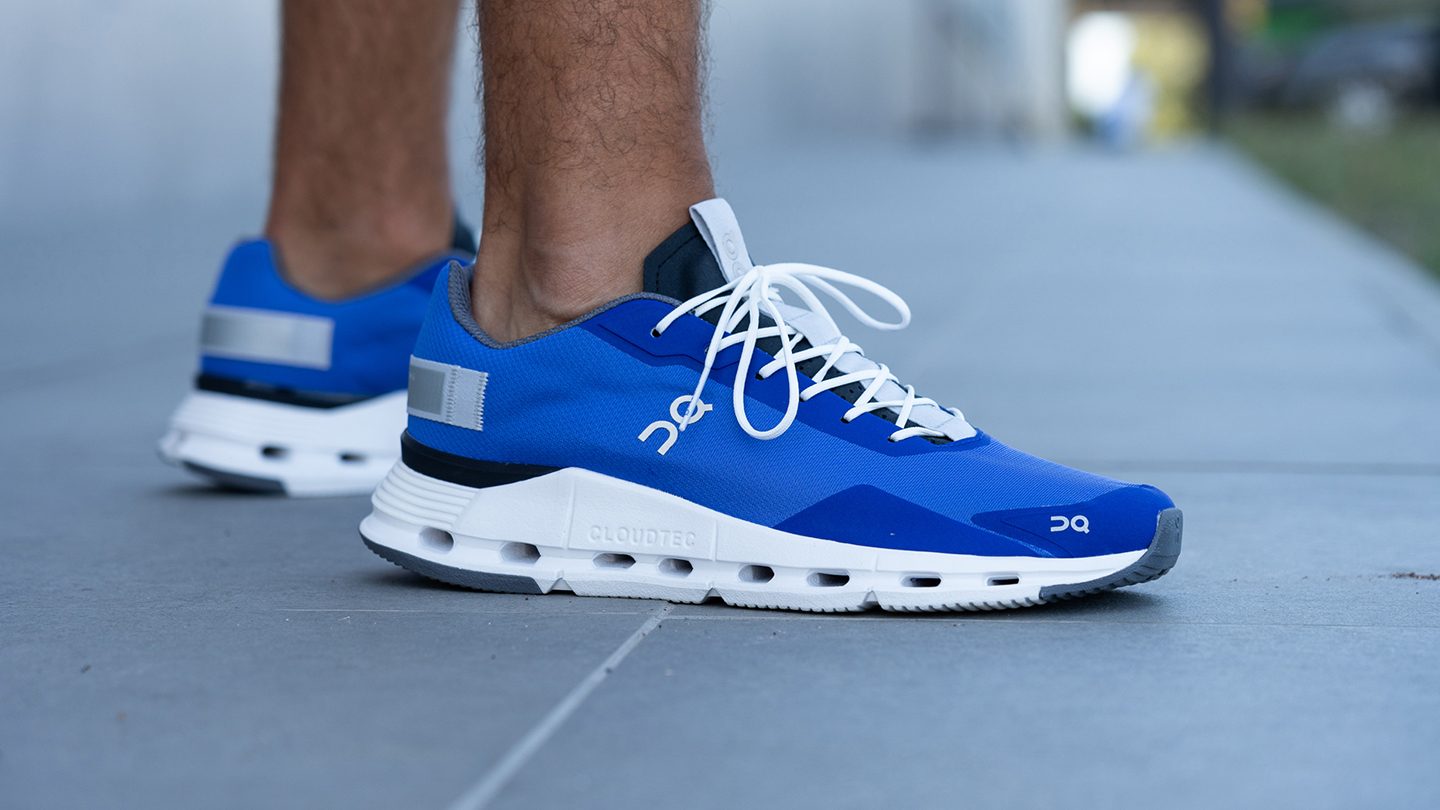
Style in the context of the modern walking shoe has undergone a radical evolution. Gone are the days when “comfort shoes” were clunky eyesores. Today, leading brands leverage advanced design principles and materials to create footwear that is as visually compelling as it is functional. The aesthetic leans towards minimalist silhouettes, clean lines, and a palette of versatile colors—think muted earth tones, sleek monochromes, and occasional strategic pops of color. This design philosophy echoes the “quiet luxury” trend, where quality and craftsmanship are expressed subtly rather than ostentatiously. A shoe like the Cole Haan GrandPro Tennis Sneaker or the Allbirds Tree Runner exemplifies this: they look appropriate with tailored trousers, jeans, or casual dresses, seamlessly bridging wardrobe categories. The style is “effortless” precisely because it doesn’t try too hard; it is intelligent design that respects the foot’s shape while complementing contemporary apparel. This versatility is its greatest stylistic asset, allowing one pair to serve multiple roles in a capsule wardrobe, from a day at the office to a weekend stroll through the city.
Cultural Shift and Iconic Endorsements
This fusion of comfort and style is not merely a market trend but a cultural shift, reflected in media and endorsed by influential figures. In film and literature, the archetype of the capable, mobile protagonist is often grounded in practical footwear. More directly, celebrities and style icons on platforms like Instagram and Twitter have normalized—and celebrated—the wearing of technical sneakers and walking shoes with non-athletic outfits. When a renowned figure like filmmaker and presenter Alice Levine discusses her love for supportive sneakers that can handle a full day of shooting, or when style blogs like “The Strategist” dedicate extensive guides to “the most comfortable walking shoes that don’t sacrifice looks,” it signals a mainstream reevaluation. As designer Telfar Clemens once articulated in an interview, “Real style is about reality. It’s about what you actually do in your clothes and shoes.” This sentiment underscores the move towards authenticity in fashion. The modern walking shoe embodies this perfectly: it is honest about its purpose (comfortable walking) and confident in its design, making it a genuinely stylish choice for the discerning individual.
The Investment in Longevity and Foot Health
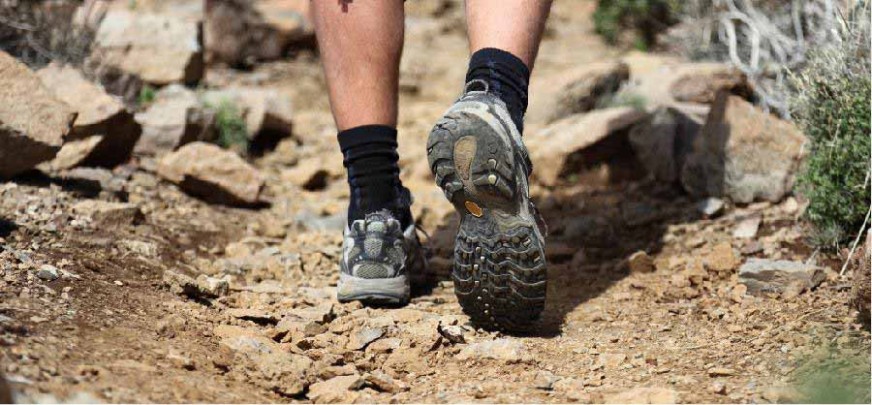
Purchasing a quality walking shoe is an investment in your long-term musculoskeletal health and financial practicality. A well-constructed shoe from reputable brands uses durable outsoles (like carbon rubber), resilient midsole foams that resist compaction, and high-quality upper materials that resist tearing. According to guidelines often cited by running and walking associations, including insights from sources like Verywell Fit, shoes should typically be replaced every 300-500 miles of walking. For the average person, this translates to roughly every 6-12 months. Wearing shoes beyond their functional lifespan is a false economy; the degraded support can lead to injuries that incur far greater costs, both personal and financial. Think of it as preventive maintenance for your body. The initial outlay for a pair engineered with these durable materials and technologies pays dividends in the form of injury prevention, consistent comfort, and a longer replacement cycle compared to cheaper, disposable alternatives. This is where professional knowledge translates directly to user value: understanding the signs of wear—like uneven tread, loss of cushioning, or visible creasing in the midsole—empowers you to make timely decisions for your well-being.
:max_bytes(150000):strip_icc()/when-should-i-replace-my-walking-shoes-3436325-0801-7a1840d83573471092e0380f9e230ecc.jpg)
Making the Informed Choice: A Guide to Your Perfect Pair
Selecting your ideal walking shoe is a personalized process. Begin with a frank assessment of your needs: your typical walking environment (pavement, trails, mixed surfaces), your foot type and gait (consider a professional gait analysis at a specialty store), and any specific orthopedic concerns. Try on shoes in the afternoon when your feet are naturally slightly swollen. Wear the socks you intend to walk in. There should be about a thumb’s width of space between your longest toe and the end of the shoe. The heel should be snug but not tight, and the widest part of your foot should align comfortably with the widest part of the shoe. Don’t be seduced by size alone; fit is paramount. Brands like New Balance, Brooks, and Asics offer extensive width sizing, which is a game-changer for many. Remember, the most expensive shoe is not necessarily the best—the best shoe is the one that fits your foot perfectly and suits your lifestyle. This informed approach, leveraging professional fitting advice, is the ultimate tool in finding your secret to effortless style and comfort.
Value Beyond the Price Tag: Smart Shopping
While investing in quality is crucial, savvy shopping can make premium walking shoes more accessible. Consider previous seasons’ colorways, which often see significant discounts while offering identical technology and construction. Sign up for newsletters from reputable retailers to get alerts on sales. Outlet stores for major brands can be treasure troves. Furthermore, some direct-to-consumer brands, like Allbirds or certain models from Adidas and Nike sold through their apps, offer competitive pricing by cutting out middlemen. The key is to know the model that fits you and then hunt for its availability at a better price. This strategy brings professional-grade footwear within reach, ensuring you don’t have to compromise on the engineering that makes a true walking shoe so revolutionary. It’s about applying knowledge to acquire the tool you need at the most advantageous point.
The journey through the world of walking shoes reveals a simple, powerful truth: what you put on your feet fundamentally shapes your experience of the world. It is the difference between ending the day with a weary sigh and finishing with energized readiness for what comes next. The perfect walking shoe is that rare find—a piece of wearable technology that honors the intricate design of the human body while aligning with a modern, aesthetic sensibility. It grants you the freedom to move through your day with unwavering comfort and quiet confidence. This isn’t just about footwear; it’s about reclaiming your stride and, in doing so, enhancing every step of your journey.
