

The Walking Shoe: Your Secret to Effortless Style and All-Day Comfort
Let’s be honest: for years, the term “walking shoe” conjured images of clunky, purely functional footwear relegated to long airport terminals or weekend errands. They were the antithesis of style, a necessary compromise for comfort. But that era is decisively over. The modern walking shoe represents a revolutionary fusion, a piece of engineering that doesn’t ask you to choose between looking polished and feeling invincible. It is the unsung hero of a streamlined wardrobe, the foundation upon which effortless style and relentless comfort are built. This isn’t about a fleeting trend; it’s about a fundamental shift in how we approach daily wear, rooted in biomechanics, material science, and intelligent design. The right pair doesn’t just carry you; it elevates you, transforming the mundane act of moving through your day into a seamless, confident experience.
The Anatomy of All-Day Comfort: More Than Just a Soft Sole
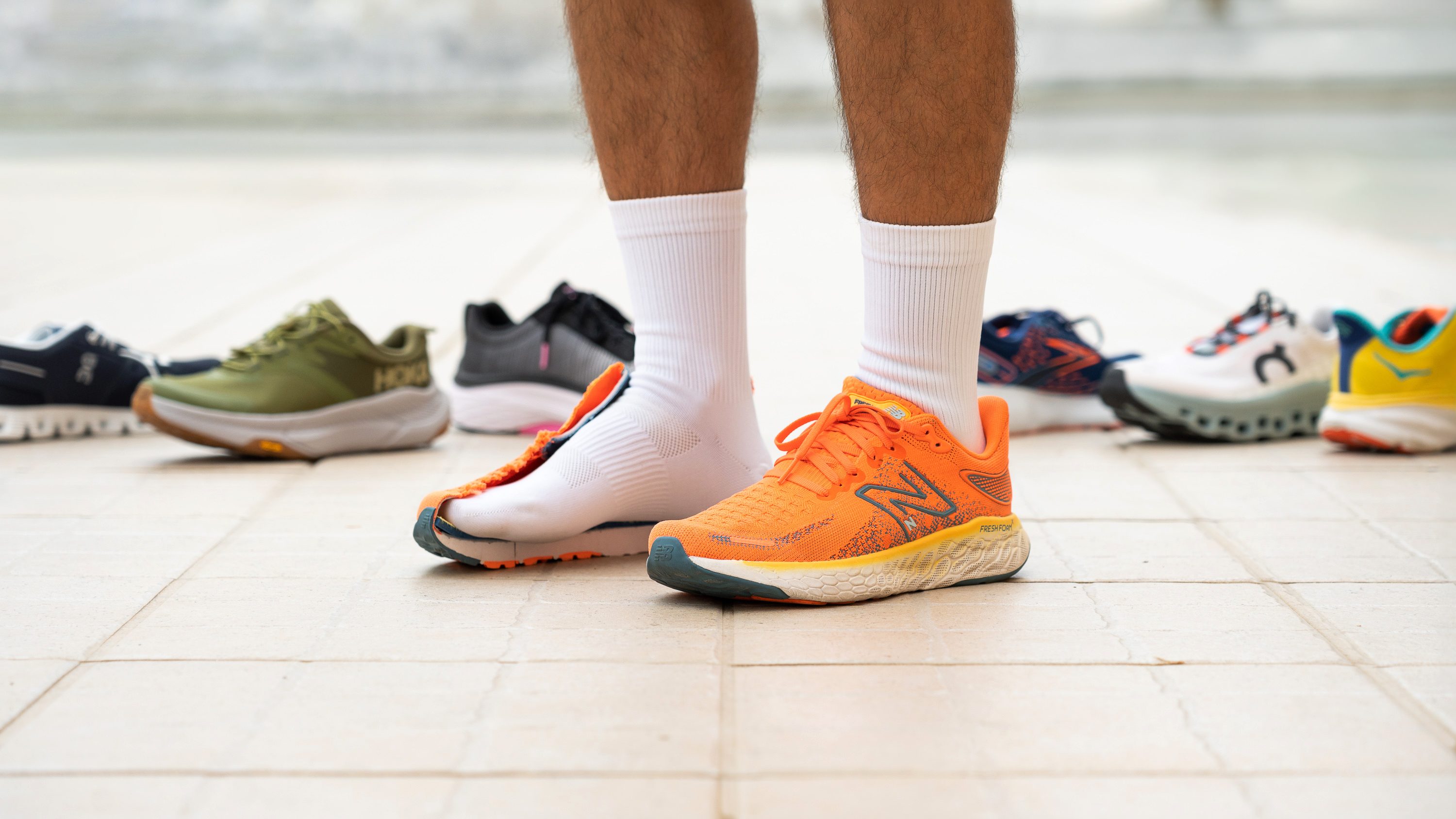
To understand the magic of a superior walking shoe, we must dissect its components scientifically. Comfort is not a monolithic concept but a symphony of interacting parts. First, consider the midsole, typically crafted from advanced materials like EVA (Ethylene-Vinyl Acetate) foam or proprietary compounds like Brooks’ DNA LOFT or ASICS’ GEL technology. These aren’t just cushions; they are energy-return systems. As Dr. Casey Kerrigan, a former Harvard Medical School professor and founder of a biomechanics research company, has often highlighted, the goal of footwear engineering is to work with the body’s natural gait, not against it. A quality midsole absorbs the shock of heel strike—which can be multiples of your body weight—and then returns a portion of that energy to propel you forward, reducing muscular fatigue. The arch support is equally critical. Contrary to popular belief, maximum support isn’t always best. As noted in resources from the American Podiatric Medical Association, support should align with your foot’s natural plantar fascia tension, preventing overpronation (excessive inward roll) or supination (outward roll) which can lead to a cascade of issues from plantar fasciitis to knee pain. The upper, often made from engineered mesh, provides a dynamic, breathable fit that accommodates the foot’s natural swelling throughout the day, a detail often overlooked in less thoughtfully designed shoes.
Style That Doesn’t Shout: The Philosophy of Quiet Luxury
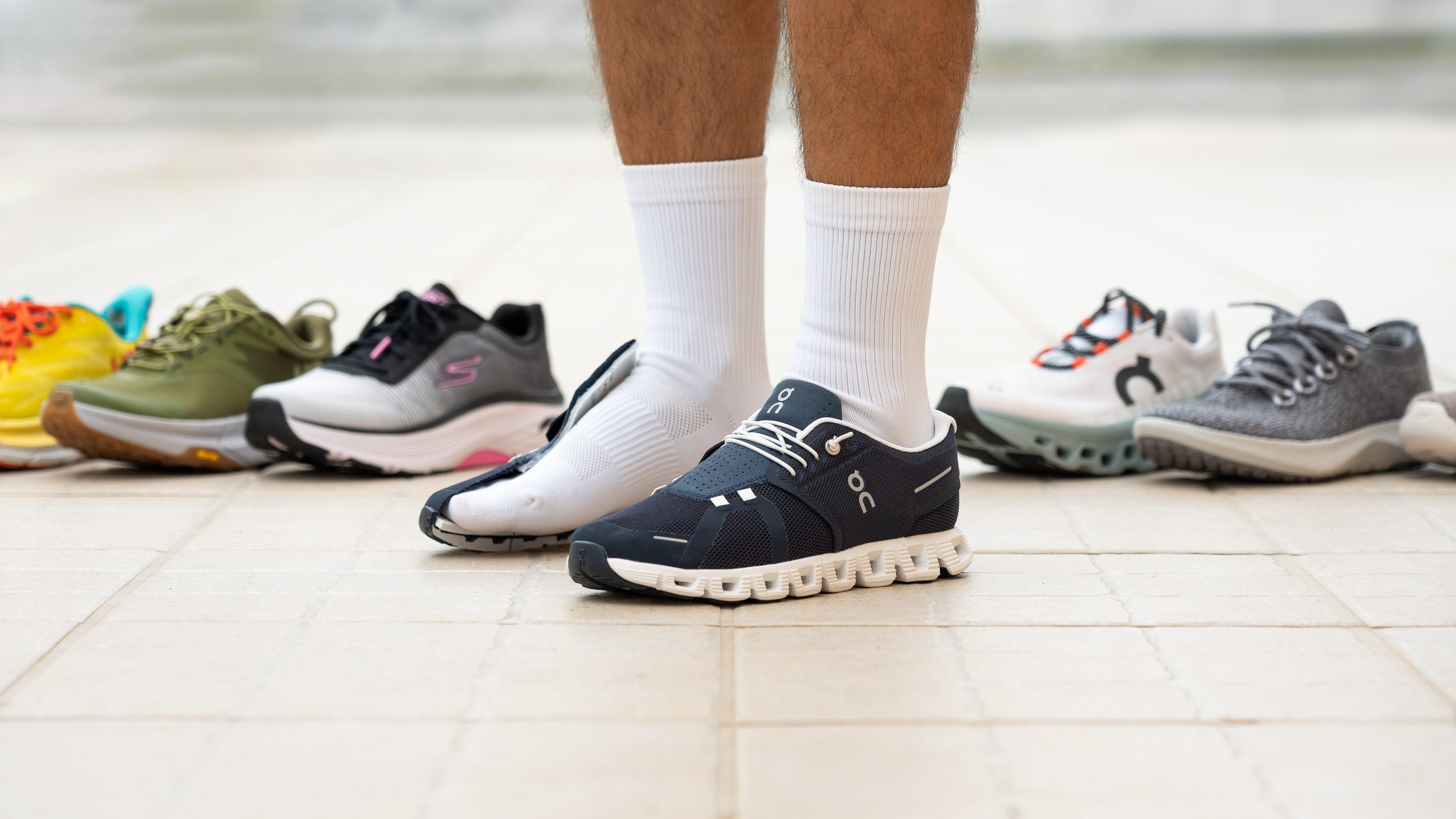
Here lies the second pillar of the modern walking shoe’s appeal: aesthetic intelligence. We’ve moved beyond the loud, technical look. Today’s leading designs embrace a philosophy akin to “quiet luxury” or “normcore” as defined by fashion sociologists—a focus on impeccable fit, premium materials, and minimalist silhouettes that signal sophistication through subtlety. Think of the sleek, monochromatic profiles from brands like Cole Haan or Johnston & Murphy, or the heritage-inspired designs from brands like Ecco. These shoes draw inspiration from classic sneakers, loafers, and even derbies, seamlessly integrating performance technology into forms that are at home in a business-casual office, a weekend brunch, or a gallery opening. This isn’t merely a fashion observation. As Tim Gunn, the iconic fashion consultant and author, has famously advocated, “Style is about self-expression and, above all, attitude.” A shoe that is both elegant and empowering allows your attitude to shine, unencumbered by discomfort. It provides a silent confidence, knowing your footwear is a capable partner, not a decorative liability. The color palette tends toward neutrals—blacks, greys, creams, and navy—ensuring maximum versatility. The style is in the details: the precision of the stitching, the quality of the suede or leather accents, the refined logo placement. It’s footwear that completes an outfit without competing with it.
The Biomechanical Argument: Your Body Will Thank You
Choosing a dedicated walking shoe over a fashion sneaker or flat is an act of long-term self-care. The human foot is a complex structure of 26 bones, 33 joints, and over 100 muscles, tendons, and ligaments. Demanding it to function for 8-10 hours on hard surfaces in unsupportive footwear is, biomechanically speaking, a recipe for distress. Consider the words of renowned sports medicine specialist Dr. Nicholas A. Campitelli: “Footwear is the interface between our body and the ground. The right shoe can help distribute force evenly, while the wrong one can create abnormal stress patterns.” A proper walking shoe is designed with a specific “rocking” or “roll” from heel to toe that facilitates the natural gait cycle. This reduces the braking force with each step, making movement more efficient. Furthermore, adequate toe box room prevents the digital compression that can lead to neuromas or bunions. The benefits are systemic. Improved alignment at the foot can alleviate strain on ankles, shins, knees, hips, and even the lower back. It’s a classic example of the kinetic chain in action, a concept well-documented in kinesiology literature from institutions like the University of California, Davis. Investing in a shoe designed for the specific mechanics of walking is an investment in your mobility and vitality.
Beyond the Hype: Identifying Your Perfect Pair
With countless options, selection can be daunting. The key is to move beyond marketing claims and focus on personal fit and intended use. First, analyze your gait. Many specialty running stores offer free gait analysis. Are you a neutral walker, or do you overpronate? This will guide you toward shoes with appropriate stability features. Second, prioritize fit in the afternoon or evening when feet are naturally slightly swollen. There should be a thumb’s width of space between your longest toe and the end of the shoe. The heel should be snug but not tight, with minimal slippage. Third, consider the “drop” or offset—the height difference between the heel and forefoot. A lower drop (0-6mm) can encourage a more natural foot strike but may require an adaptation period for some. A higher drop (8-12mm) is common in traditional walking shoes and may feel more familiar. Finally, weigh the importance of weight itself. A lightweight shoe, often utilizing meshes and advanced foams, reduces leg fatigue over extended periods, making a walking shoe like the ones highlighted in “best lightweight” guides a superb choice for all-day wear.
A Note on Value: Professional Knowledge Meets Accessible Price
There is a pervasive myth that exceptional comfort and style command an exorbitant price. This is a fallacy the informed consumer can easily bypass. The democratization of footwear technology means that the core engineering principles—quality cushioning, durable outsoles, breathable uppers—are available across a wide price spectrum. Brands like Skechers, with their extensive focus on walk technology, or New Balance, with their deep heritage in biomechanics, offer premium features at accessible price points, especially when leveraging seasonal sales or outlet collections. The “professional knowledge” here is knowing what to look for: a flexible yet supportive shank, a durable carbon rubber outsole in high-wear areas, and seamless interior linings to prevent blisters. With this knowledge, you can confidently navigate sales, where prices for top-tier models can often be found at a significant discount, sometimes 30-50% off the original retail. The true value isn’t in the price tag but in the cost-per-wear of a shoe that protects your body and complements your life, day after day.
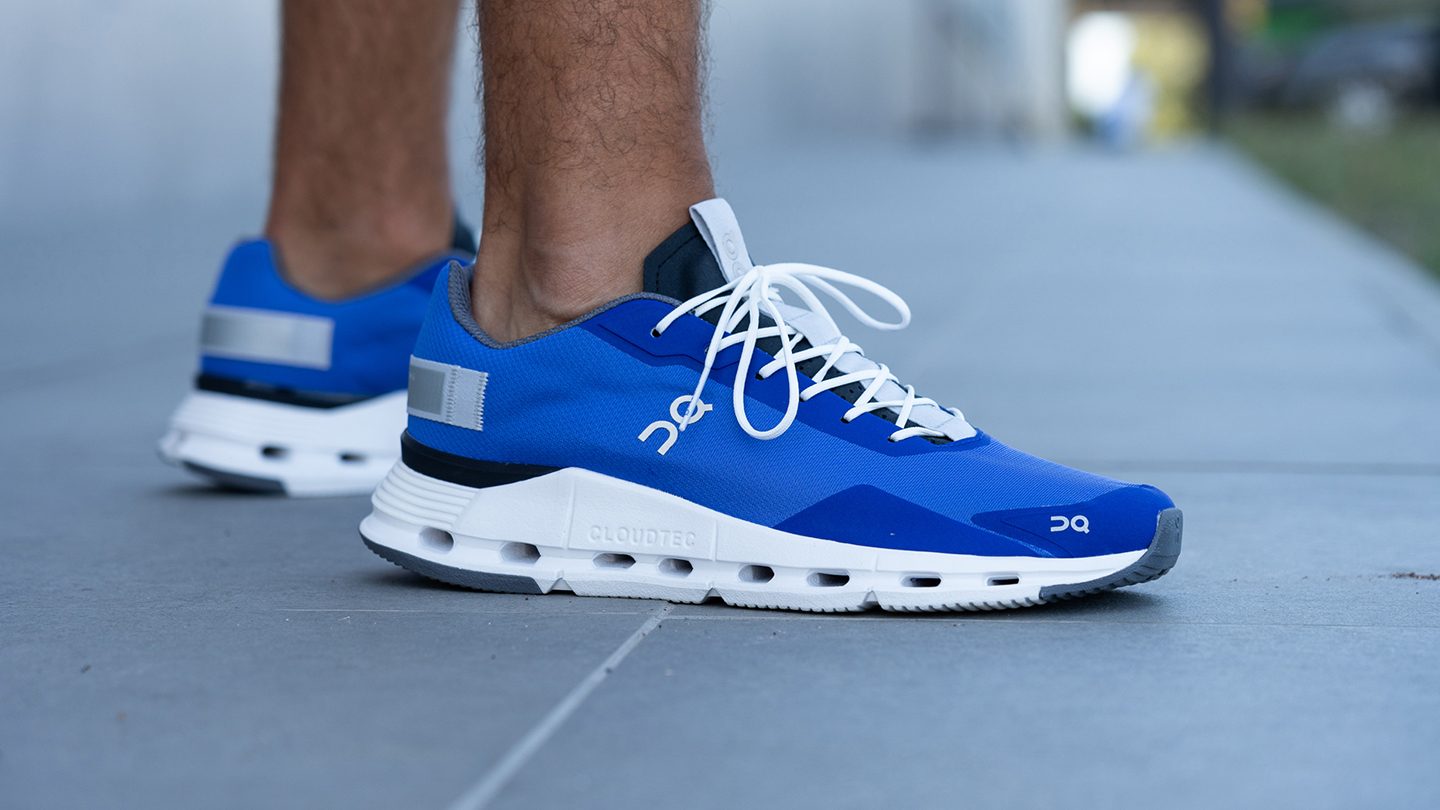
The journey toward effortless style and unwavering comfort begins from the ground up. The modern walking shoe is no longer a niche product but an essential tool for modern living. It embodies a holistic understanding of design, where scientific rigor meets aesthetic refinement. It is the quiet confidence in a busy street, the enduring support during a long day, the elegant solution to a practical need. By choosing a shoe that honors both the engineering of your body and the expression of your personal style, you aren’t just buying footwear—you’re investing in a foundation for a more comfortable, confident, and capable you. Let your next step be your most informed one.
