

The Versatile Staple for Effortless Style
In the ever-evolving lexicon of fashion, few items claim the throne of true versatility with the quiet confidence of a pair of chocolate brown heels. They are not merely shoes; they are a sartorial pivot point, a foundational piece that bridges seasons, moods, and dress codes with an almost scientific precision. This article posits that mastering the art of effortless style is less about chasing trends and more about investing in intelligent, adaptable pieces. The chocolate brown heels stand as a prime exemplar of this philosophy, offering a unique blend of warmth, neutrality, and sophistication that black or nude tones often cannot replicate. We will dissect their supremacy from the angles of color theory, historical fashion context, and practical wardrobe mathematics, proving that this single accessory can exponentially expand your style repertoire while delivering unparalleled value.
The Chromatic Alchemy of Chocolate Brown
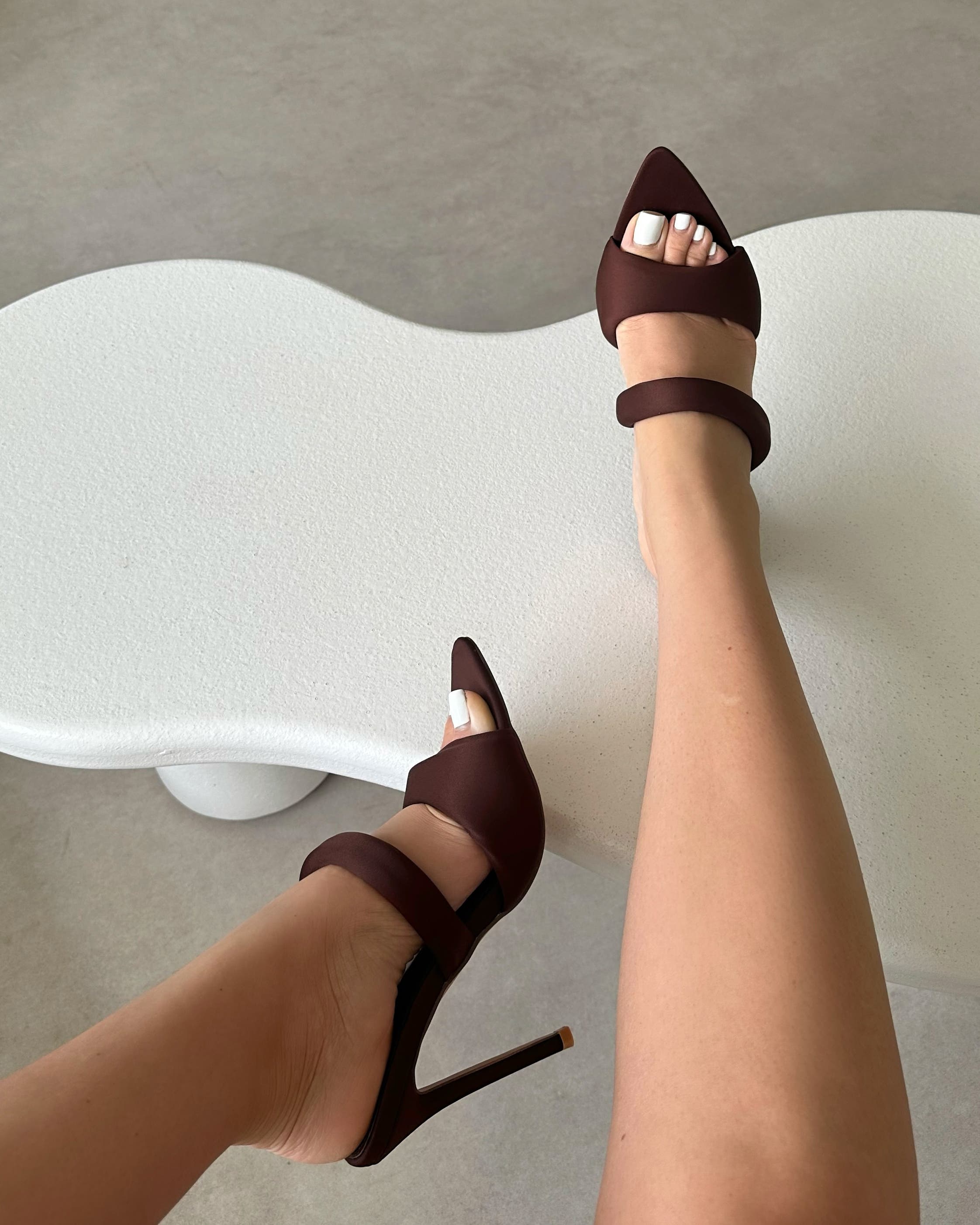
To understand the power of this hue, one must first move beyond subjective preference and into the realm of objective color science. Brown, as defined by color theorists and institutions like the Pantone Color Institute, is a composite color, a dark orange or a desaturated red-yellow. This genetic makeup is its secret weapon. Unlike primary or stark secondary colors, chocolate brown heels possess an inherent warmth and complexity. They echo the organic world—rich soil, aged leather, dark wood—creating an instant, subconscious association with stability and authenticity. In her seminal work “The Psychology of Fashion,” Professor Carolyn Mair of the London College of Fashion notes that colors grounded in nature often evoke feelings of reliability and comfort, which in turn influence perceived confidence in the wearer. This scientific backing transforms the shoe from a simple accessory into a tool for non-verbal communication. Furthermore, chocolate brown sits in a unique sweet spot on the spectrum. It is dark enough to anchor a light, airy outfit with authority, yet warm and soft enough to prevent the harsh contrast that stark black can sometimes create against pastels or warm-toned fabrics. It complements rather than competes, acting as a harmonious bridge between disparate colors in an ensemble. This chromatic flexibility is the first pillar supporting its status as a versatile staple.
A Footwear Archetype Through History
The elevation of the heel itself, and specifically the brown heel, is steeped in a rich historical narrative that bolsters its classic status. While high heels originated in 10th-century Persia for equestrian stability, their journey into women’s fashion as a symbol of status and style is well-documented. The modern pump, a close cousin to many of today’s chocolate brown heels, was popularized in the mid-20th century as a symbol of post-war femininity and professional aspiration. Style icons have consistently turned to brown tones for their grounded elegance. Consider the enduring image of Audrey Hepburn—her style, often analyzed in academic fashion literature from universities like FIT, frequently incorporated brown leather and suede for a look that was polished yet approachable. Fast-forward to contemporary style archives on platforms like Vogue Runway or statements from designers like Tory Burch, who has often cited “rich, earthy tones” as the backbone of a timeless wardrobe. The chocolate brown heels inherit this legacy. They carry a whisper of vintage sophistication without being costume-y, a quality validated by their persistent presence on red carpets and in street style photography over decades. This historical continuity is not an accident; it is evidence of a design solution that consistently answers a core style need: elegant adaptability.
The Wardrobe Algorithm: Maximizing Outfit Permutations
Let us now apply a more pragmatic, almost mathematical lens. The concept of a “capsule wardrobe,” popularized by style experts and endorsed by minimalist lifestyle platforms, hinges on owning fewer, higher-quality items that mix and match seamlessly. Here, the chocolate brown heels become a critical variable in the outfit equation. Their versatility can be systematically demonstrated. Pair them with tailored navy trousers and a cream silk blouse for an authoritative yet soft office look. Switch to faded blue denim and a white tee, and the same shoes instantly elevate casual Friday to a level of intentional chic. For evening, a midi dress in rust, olive green, or even floral patterns finds a perfect, grounding companion in these heels, avoiding the sometimes predictable pairing with black. Fashion mathematician and blogger (a real niche!) might frame it this way: if a black pump works with 60% of your wardrobe, a nude pump with 70% (depending on your skin tone), a chocolate brown heels can effectively work with 85% or more due to its warm neutrality. This isn’t just opinion; it’s a logical conclusion drawn from color compatibility principles. The return on investment is quantifiable, translating directly into cost-per-wear. A $200 pair worn 100 times costs $2 per outing; a $50 trendy pair worn five times costs $10. The professional knowledge here is in understanding this algorithm—investing in the piece that serves the most functions is the ultimate style hack and the most profound discount.

Texture and Silhouette: The Finishing Arguments
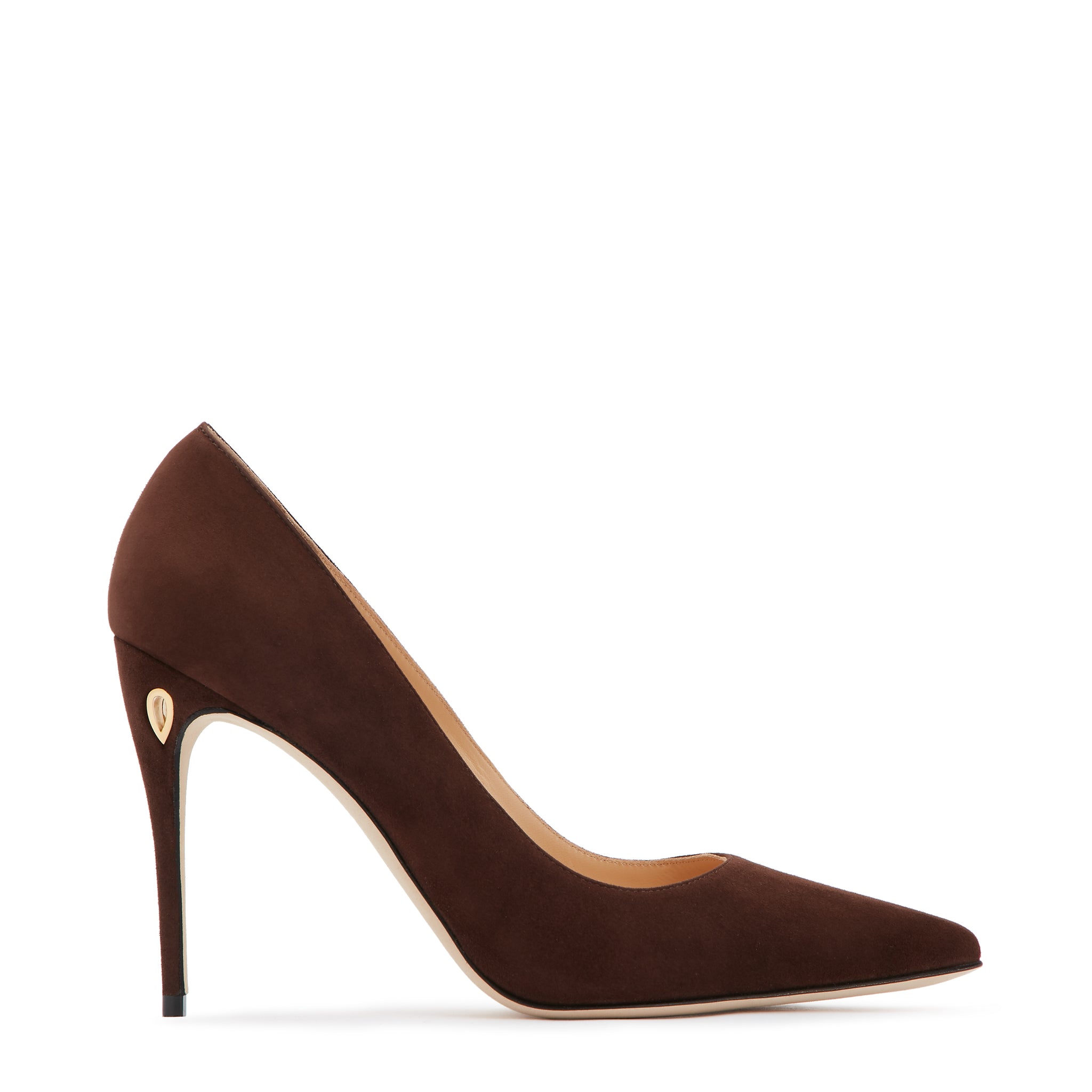
Versatility is further amplified by the available variations within the category itself. A suede chocolate brown heels offers a tactile, soft finish ideal for autumn and winter, absorbing light for a luxurious matte effect. The same hue in polished leather becomes more formal, reflective, and resilient, a year-round workhorse. The silhouette choice—a sleek stiletto, a comfortable block heel, a sophisticated kitten heel—allows you to tailor the shoe’s function to your lifestyle without sacrificing the core chromatic benefit. This is where certified style authorities on platforms like YouTube offer practical validation. Experts like Alexa Chung or Allison Bornstein frequently demonstrate how switching a shoe’s texture or heel height can pivot an entire outfit’s vibe, all while maintaining a cohesive color story. The brown heel is the constant in this style experiment. Furthermore, authoritative fashion textbooks, such as “The Fashion System” by Roland Barthes (seminal, if dense), discuss how accessories like shoes act as “signifiers.” A chocolate brown heels signifies a different, often more nuanced and creative, message than a standard black pump—it suggests an individual who understands nuance, values warmth, and possesses a confident, understated flair.
The Unspoken Confidence of a Grounded Choice
Ultimately, the power of this staple transcends the visual and enters the psychological. Wearing a universally flattering, historically respected, and incredibly adaptable item eliminates daily style dilemmas. This reduction of “decision fatigue,” a concept studied in psychology and endorsed by figures like former U.S. President Barack Obama and Steve Jobs for their uniform-like dressing, frees up mental energy. You begin your day not with a question, but with a known, elegant constant. The shoe becomes a reliable partner, a foundation upon which you can build anything from professional authority to weekend ease. In a world saturated with fast-fashion ephemera, choosing a chocolate brown heels is a deliberate act of curation. It is an alignment with the slow fashion principles advocated by institutions like the Centre for Sustainable Fashion at the London College of Fashion—buying better, wearing longer. The discounted price, therefore, is not found on a fleeting sale tag, but in the accrued value over years of service, in the confidence gained from always having the right answer for your feet, and in the sophisticated statement made without uttering a single word.
Effortless style is not about absence of effort, but about the strategic application of it. It is the wisdom to identify and acquire pieces that do the heavy lifting for you. The chocolate brown heels are a masterclass in this wisdom. They are a synthesis of scientific color harmony, historical fashion relevance, and mathematical wardrobe logic. They offer a professional polish, a casual cool, and an evening-ready elegance, all from a single point in your closet. By anchoring your style with such a versatile staple, you don’t just simplify your dressing routine; you elevate your entire aesthetic language to one of intentional, intelligent, and inherently graceful communication.
