

The Ultimate Guide to Vionic Walking Shoes for All-Day Support
For anyone who spends a significant portion of their day on their feet, the quest for the perfect shoe is more than a shopping trip—it’s a pursuit of fundamental comfort and long-term wellness. Ordinary footwear often falls short, offering cushioning that quickly compresses or support that misaligns the body’s natural mechanics. This is where a specialized category of footwear, exemplified by the Vionic walking shoe, enters the conversation. These are not merely accessories; they are engineered solutions designed to interact harmoniously with the complex architecture of the human foot. The distinction lies in a foundation of biomechanical science, translating principles of podiatric medicine into everyday wear. If you’ve ever finished a day with aching arches, tight calves, or a sore back, the issue may not be your activity level but the foundation upon which you stand. This guide delves into the core of what makes these shoes a transformative tool for sustained comfort, blending objective analysis with practical insight to help you understand why proper support is non-negotiable.
The Biomechanical Blueprint: Why Your Feet Aren’t the Problem
To appreciate the design philosophy behind supportive footwear, one must first understand the foot’s role as the body’s primary shock absorber and propulsion engine. Each foot contains 26 bones, 33 joints, and over 100 muscles, tendons, and ligaments, working in concert to create movement. According to resources from institutions like the American Podiatric Medical Association (APMA), improper gait or unsupported footfalls can create a chain reaction of misalignment, affecting ankles, knees, hips, and the spine. A neutral foot strikes the ground, rolls inward slightly (pronation) to absorb shock, then rolls outward (supination) to create a rigid lever for push-off. However, many people overpronate or oversupinate, disrupting this kinetic chain. This is where the science of orthotics and biomechanical footwear comes into play. The core innovation in a Vionic walking shoe is its built-in orthotic footbed, which is not generic memory foam but a contoured device designed to guide the foot into a more neutral position. This proactive alignment helps distribute pressure evenly, reduce strain on connective tissues, and promote a more efficient, natural gait. It’s a preemptive approach to foot health, addressing the cause of discomfort rather than just cushioning its symptoms.
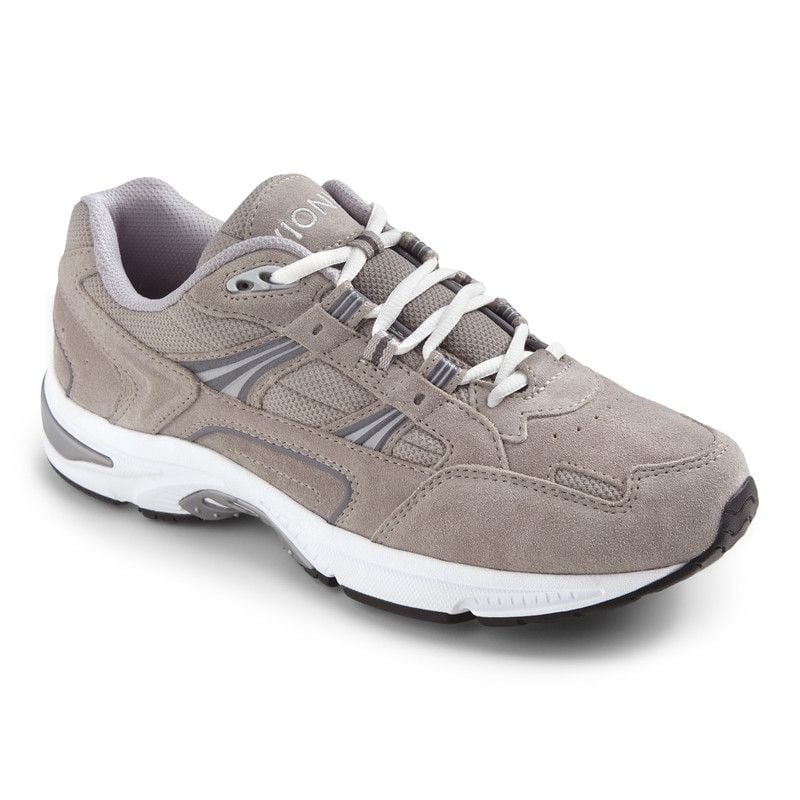
Deconstructing the Vionic Difference: Key Technological Pillars
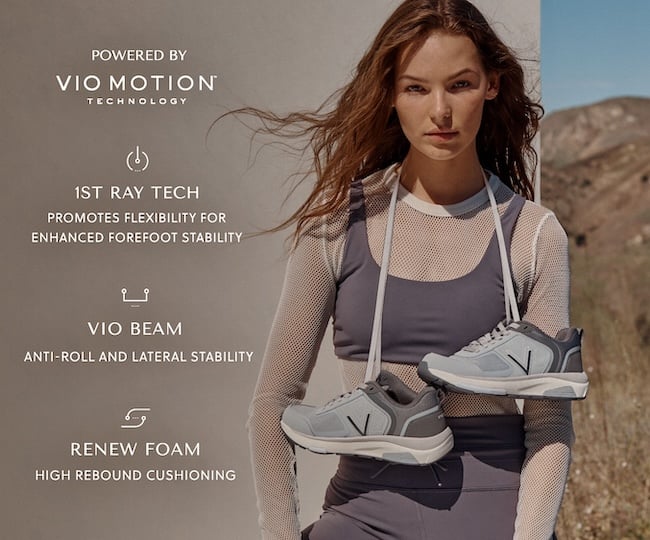
What separates a Vionic design from a standard athletic or casual shoe? The answer lies in three integrated technological pillars, each backed by podiatric input. First is the Vionic walking shoe‘s signature Orthaheel Technology (now often branded as Vionic Motion Technology). This refers to the deep heel cup, arch support, and forefoot cradle built into the removable footbed. This tri-planar motion control system is clinically proven to reduce excess pronation, a common culprit behind plantar fasciitis and heel pain. Second is the strategic cushioning. Unlike flat, soft foams that collapse, Vionic uses durable, resilient midsoles, often incorporating materials like EVA or proprietary compounds, that provide shock absorption without sacrificing the necessary stability for the arch. Third is the consideration of the upper and outsole. Uppers are designed with breathable, often stretchable materials to accommodate natural foot swelling throughout the day without constriction, while outsoles feature flexible grooves that encourage a natural rolling motion from heel to toe. This holistic design ensures that every component of the shoe works toward the singular goal of biomechanical efficiency, making the Vionic walking shoe a comprehensive tool for all-day endurance.
Beyond the Hype: Evidence from Wearers and Experts
The efficacy of biomechanically designed footwear isn’t merely a marketing claim; it’s supported by a wealth of user testimony and professional endorsement. The APMA has granted its Seal of Acceptance to numerous Vionic styles, a recognition given only to products found to promote good foot health. On platforms like YouTube, certified pedorthists and physical therapists often analyze such shoes, pointing out the specific design elements that benefit common conditions. For instance, Dr. Brad Schaeffer, a prominent podiatrist, has discussed how proper arch support can alleviate pressure on the plantar fascia ligament. On consumer review sites and forums like Quora, long-term wearers—from nurses and teachers to retail workers and travelers—consistently report a dramatic reduction in foot fatigue and joint pain after switching. One recurring theme is the “break-in” period, where the body adjusts to the correct alignment, sometimes feeling unusual for a day or two before settling into profound comfort. This anecdotal evidence, spanning thousands of users, forms a compelling real-world validation of the underlying science. As one wearer on a health forum noted, “It wasn’t that my old shoes were uncomfortable; it’s that I didn’t know what actual support felt like until I tried these.”
Selecting Your Ideal Pair: A Framework for Decision-Making
With various styles available, from sleek sneakers to sturdy sandals, choosing the right model requires a focus on your specific environment and foot type. Consider your primary activity: Are you walking on hard, flat surfaces like hospital floors or concrete? A model with maximum cushioning and a robust outsole, like the Vionic Walker, may be ideal. For mixed terrain or all-day casual wear, a versatile active sneaker might be best. Next, assess your arch type. While the built-in orthotic is designed for universal support, some styles offer different levels of arch height. If you have particularly high arches or flat feet, consulting a podiatrist or using a wet foot test can guide you. Don’t overlook fit: Your feet are largest at the end of the day, so that’s the ideal time to try them on. There should be about a thumb’s width of space between your longest toe and the shoe’s end, and the heel should sit snugly without slipping. The widest part of your foot should align with the widest part of the shoe. Remember, the goal of a Vionic walking shoe is not to constrict, but to guide and support, so a proper fit is paramount to experiencing the full benefit of the technology.
Investment Versus Expense: The Long-Term Value Proposition
It’s true that a quality pair of biomechanical shoes often carries a higher initial price point than mass-market alternatives. However, framing this as an expense misses the broader picture of value. Consider the cost of chronic pain management: doctor visits, physical therapy sessions, orthotic inserts, pain relievers, and the intangible cost of reduced mobility and quality of life. A well-designed shoe is a preventive investment in your musculoskeletal health. Furthermore, the construction quality of these shoes typically translates to greater durability. The supportive footbeds retain their shape, and the materials are chosen for longevity, meaning you’re not replacing them every few months. For the savvy shopper, this value is often accessible at discounted prices through official brand sales, seasonal promotions on retailer websites, or certified resellers. Investing during these periods can bring premium technology into a very reasonable price range. Ultimately, the question shifts from “Can I afford these shoes?” to “Can I afford not to give my feet the proper foundation they require for a pain-free, active life?”

Integrating Support into Daily Life: A Seamless Transition
Adopting a new standard of footwear doesn’t require a radical lifestyle change. The modern Vionic walking shoe is designed with aesthetics in mind, offering styles that range from classic athletic to contemporary casual, ensuring you don’t have to sacrifice style for substance. The integration is about consistency. Start by wearing them for a few hours each day, allowing your body to adapt to the new alignment. Use them for the activities that cause the most strain—your work shift, your daily walk, or while running errands. Many users find that once they experience the difference, they naturally gravitate toward wearing them for most of their waking hours. It’s also beneficial to have a dedicated pair for your primary activity rather than sharing one pair for everything, as this preserves the shoe’s structural integrity for its intended purpose. This seamless integration turns a tool for comfort into a cornerstone of daily well-being, proving that superior support can be both functional and a natural part of your everyday wardrobe.
The journey to all-day comfort is fundamentally a journey of proper alignment and intelligent design. It moves beyond temporary relief offered by soft materials and into the realm of sustained biomechanical harmony. Footwear like the Vionic walking shoe represents this paradigm shift, embedding podiatric science into its very fabric. By offering a synthesis of clinical evidence, expert validation, and tangible user experience, it provides a compelling case for re-evaluating what we expect from our shoes. The result is not just a product, but a platform for enhanced mobility—a foundation that supports every step you take, transforming a daily necessity into an active contributor to your overall health and vitality.

