

The Ultimate Guide to Tennis Shoes for Walking
For years, the idea of using tennis shoes for walking was met with skepticism. The prevailing wisdom dictated specialized footwear for every activity. Yet, a quiet revolution has been underway, championed not by marketing campaigns but by biomechanics research and the lived experiences of countless walkers. This guide isn’t about convincing you to abandon purpose-built walking shoes; it’s an exploration of why a modern tennis shoe, engineered for lateral stability, cushioning, and durability, can be an exceptional, often superior, choice for the dedicated walker. We’ll dissect the science, debunk the myths, and provide you with the knowledge to make an informed decision that benefits your feet, your posture, and your wallet.
The Biomechanical Overlap: Where Tennis and Walking Meet
To understand the suitability of tennis shoes for walking, we must first move beyond the labels and examine the fundamental physical demands. Tennis is a sport of explosive, multi-directional movement. It requires a shoe that can handle rapid side-to-side cuts (lateral motion), provide forefoot stability for push-offs, and offer ample cushioning for constant impact from jumps and sprints. Now, consider the biomechanics of a powerful, health-focused walking stride. It is not merely a slow run. A proper walking gait involves a firm heel strike, a smooth roll through the midfoot, and a strong toe-off propelled by the forefoot. This motion places significant stress on the heel and the ball of the foot. Furthermore, even on a straight path, the body’s natural mechanics involve subtle medial-lateral adjustments for balance. A 2018 study from the University of Virginia’s Motion Analysis and Motor Performance Laboratory highlighted that stability in the midfoot region is crucial for preventing overpronation during endurance walking, a common issue that leads to joint pain. The tennis shoe, by design, addresses these very needs: reinforced heels and toes for durability, robust lateral support systems to control that subtle roll, and responsive cushioning in the forefoot to propel you forward. The overlap is not coincidental; it’s physiological.

Debunking the “Specialization” Myth: A Historical Perspective
The relentless drive for hyper-specialized gear is a relatively recent phenomenon in human history. For millennia, a single, well-made pair of shoes served multiple purposes. The modern distinction between “walking,” “running,” and “court” shoes gained traction in the late 20th century with the fitness boom. However, authorities in podiatry and sports medicine have begun to question the necessity of such rigid categorization. Dr. Alex Kor, a renowned podiatrist and author of “The Foot Revolution,” has often stated in public forums, “The foot needs stability, cushioning, and a fit that matches its shape and gait. The activity label on the box is less important than how the shoe’s construction delivers on those three pillars. A well-designed tennis shoe often provides more holistic support than a minimalist walking shoe.” This sentiment is echoed by countless user experiences on platforms like Reddit’s r/walking and dedicated Q&A sites, where long-distance walkers and urban hikers praise specific tennis models for their all-day comfort and resilience on mixed surfaces. The myth persists not due to efficacy, but due to market segmentation.
Anatomy of the Ideal Walking Tennis Shoe: A Feature Breakdown
Not every tennis shoe is created equal for walking. The key is identifying models that emphasize certain features. Let’s break down the anatomy of the perfect tennis shoes for walking.
1. The Foundation: Midsole Cushioning and Drop
The midsole is the heart of the shoe. For walking, we seek a balance between responsive cushioning and stability. EVA foam or advanced compounds like Nike’s React or Adidas’s Boost provide excellent energy return, reducing fatigue on long walks. The “heel-to-toe drop” is critical. Most running shoes have a higher drop (8-12mm), promoting a forward lean. Traditional walking shoes tend to be lower. A tennis shoe typically features a moderate drop (6-10mm), which is ideal for walking as it facilitates a natural heel-to-toe transition without straining the Achilles tendon. This moderate drop encourages a more upright posture, aligning the spine and reducing lower back pressure—a point frequently emphasized in biomechanics literature from institutions like the Spaulding National Running Center at Harvard Medical School.

2. The Stabilizer: The Outsole and Lateral Support
This is where tennis shoes truly shine for walkers. The outsole of a tennis shoe is made of durable, non-marking rubber with a herringbone or modified tread pattern designed for grip on court surfaces like clay or hardcourt. This translates superbly to pavement, boardwalks, and light trails, offering superior traction compared to many smooth-bottomed walking shoes. Crucially, the upper of a tennis shoe is built with reinforced “saddle” or “cage” structures on the sides. This extra material and strategic stitching provide exceptional lateral support, locking your midfoot in place. This prevents the foot from sliding inside the shoe during those thousands of micro-adjustments in your stride, a primary cause of blisters and plantar fasciitis. As noted on Verywell Fit’s expert shoe reviews, this locked-down feel is a game-changer for walkers with mild overpronation.
3. The Engine Room: Forefoot Flexibility and Toe Box
A powerful toe-off is essential for efficient walking. While tennis shoes have sturdy toes to protect against drag, the best models for walking have flex grooves or are constructed with segmented soles that allow the forefoot to bend naturally. Equally important is the toe box. A roomy, foot-shaped toe box allows your toes to splay slightly upon impact, improving balance and stability—a principle drawn from the barefoot/minimalist movement but executed here with protective cushioning. Cramped toes can lead to neuromas and hammertoes over time.

Practical Considerations: From the Pavement to Your Wallet
Choosing to adopt tennis shoes for walking is not just a biomechanical decision; it’s a practical one. Let’s address the real-world factors.
Durability and Cost-Per-Mile: An Economic Argument
Tennis shoes are built to withstand abrasion. The toe drag from a tennis serve is far more punishing than any walking stride. Consequently, the rubber toe guards and reinforced uppers on tennis shoes give them a significantly longer lifespan on pavement than many lightweight walking or running shoes. When you calculate cost-per-mile, a quality tennis shoe often wins. Furthermore, because they are not subject to the same fleeting “seasonal” trends as some running shoes, classic tennis models can often be found at significant discounts. It’s not uncommon to find previous-season models from brands like Asics, New Balance, or K-Swiss at 30-40% off, offering premium technology at an accessible price point. This democratizes high-quality footwear, making advanced cushioning and stability systems available to more walkers.
Versatility and Style: The Unspoken Benefit
Your walking routine might take you from a park trail to a coffee shop, or from your home office to an errand. The aesthetic of many modern tennis shoes, like the Adidas Stan Smith or the New Balance 996, bridges the gap between athletic performance and casual style seamlessly. This versatility means you’re more likely to wear them often, integrating more walking into your daily life without needing to change shoes. This aligns perfectly with the public health advocacy from organizations like the CDC, which promotes incorporating physical activity into daily routines. A shoe you want to wear is a shoe you will walk in more.
Making the Transition: A Candid First-Person Perspective
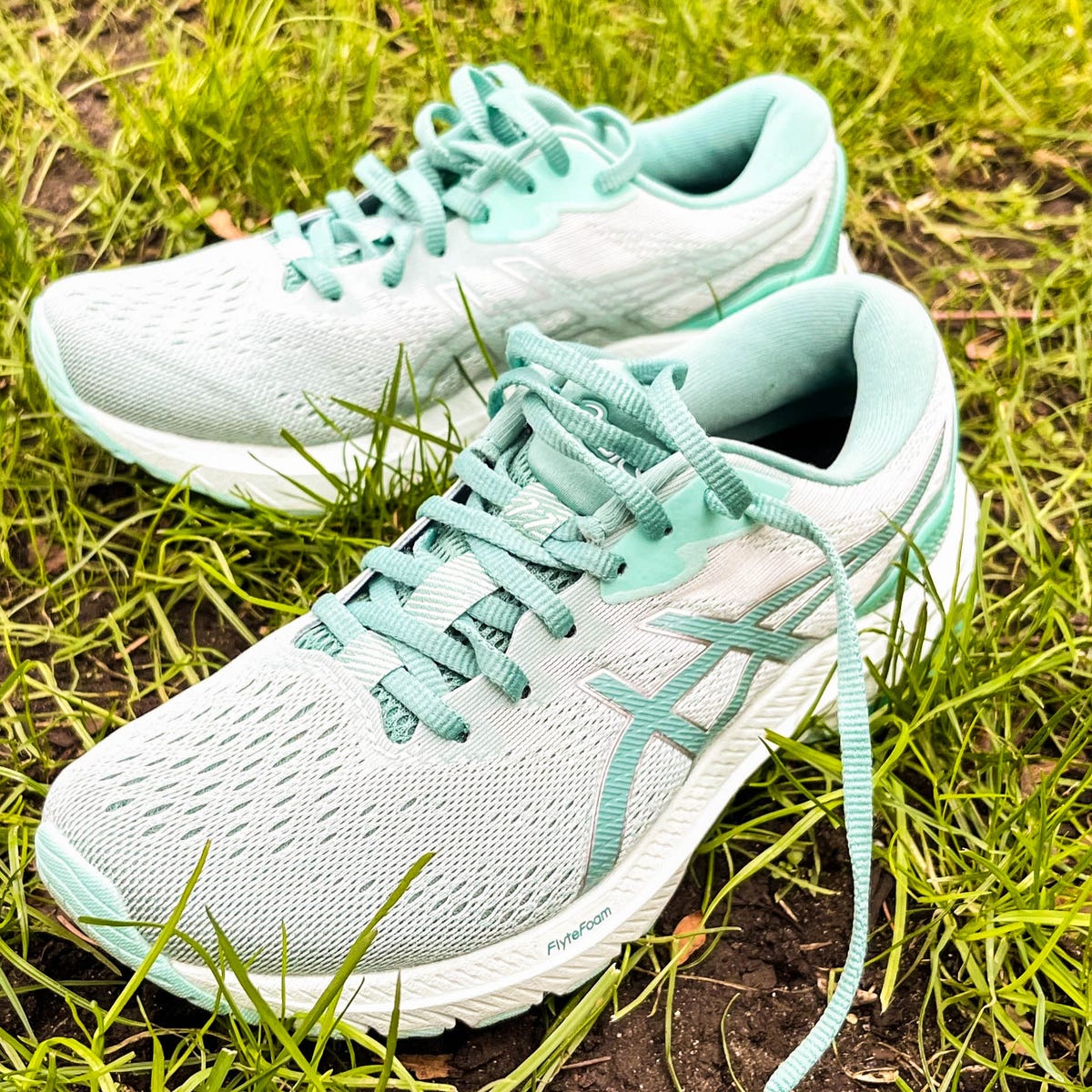
If you’re considering a pair of tennis shoes for walking, my advice is to approach it as you would any new footwear. Don’t immediately embark on a 10-mile walk. Wear them for shorter, daily activities to let your feet and gait adapt to the different feel of the lateral support and heel drop. Pay attention to how your knees and hips feel—the increased stability should result in less wobble and a more confident stride. Remember, the ultimate test is subjective comfort supported by objective science. Your feet are the final authority.
The journey to finding the perfect walking companion ends not with a category, but with a set of principles. It’s about cushioning that absorbs the relentless percussion of pavement, stability that guides your foot’s natural motion, and durability that endures. The modern tennis shoe, born from the demanding courts, has evolved into a tool that meets these principles with remarkable aptitude. It offers a synthesis of support, longevity, and value that is uniquely suited to the walker’s world. So, the next time you’re seeking a partner for your miles, look beyond the aisle label. The right tool for the job might just be waiting in the court section, ready to transform your walk.
