The Ultimate Guide to Tennis Shoes for Everyday Walking
For years, the debate has simmered: can a shoe designed for the lateral cuts and sprints of a tennis court truly support the repetitive, linear motion of a daily walk? The answer, supported by biomechanics and evolving footwear design, is a resounding yes. The modern tennis shoes for walking have transcended their court-bound origins, offering a unique fusion of stability, cushioning, and durability that makes them a formidable contender for your daily mileage. This isn’t about repurposing old sports gear; it’s about recognizing a specialized category of footwear that bridges athletic performance and everyday comfort. We’re moving beyond the generic “walking shoe” to explore how the structural integrity of a tennis shoe can provide a superior foundation for the walker’s stride.
The Biomechanical Bridge: Why Tennis Shoes Fit the Walking Gait
To understand the suitability of tennis shoes for walking, we must first dissect the demands of each activity. Tennis involves explosive multi-directional movement, demanding shoes with exceptional lateral support, a reinforced toe box for drag, and a herringbone or modified tread pattern for grip on court surfaces. Walking, as defined by biomechanics literature from institutions like the University of Massachusetts Amherst, is a cyclical, heel-to-toe motion requiring consistent shock absorption, medial-lateral stability during mid-stance, and a smooth roll-through. The intersection lies in stability and cushioning. A quality tennis shoe is engineered with a robust midfoot shank or torsional stability bar to prevent excessive foot roll during aggressive side-to-side movements. This same technology actively combats overpronation—a common issue for walkers—providing a stable platform for each step. Furthermore, the cushioning systems in tennis shoes, often featuring advanced foams like Nike’s React or Adidas’s Boost, are designed to absorb high-impact landings from jumps and sprints. For a walker, this translates to a plush, energy-returning feel that mitigates the cumulative stress of thousands of steps on hard pavement. As noted by Dr. Casey Kerrigan, a former Harvard Medical School professor and gait analysis expert, “The goal of any athletic shoe is to reduce loading forces on the joints.” The engineered response in tennis shoes directly aligns with this goal for walkers.
:max_bytes(150000):strip_icc()/Web_1500-vwt-primary-best-overall-shoe-tstaples-118-671f4e0048e64d14a1c42e4f8d9e6658.jpg)
Decoding the Anatomy: Key Features to Seek
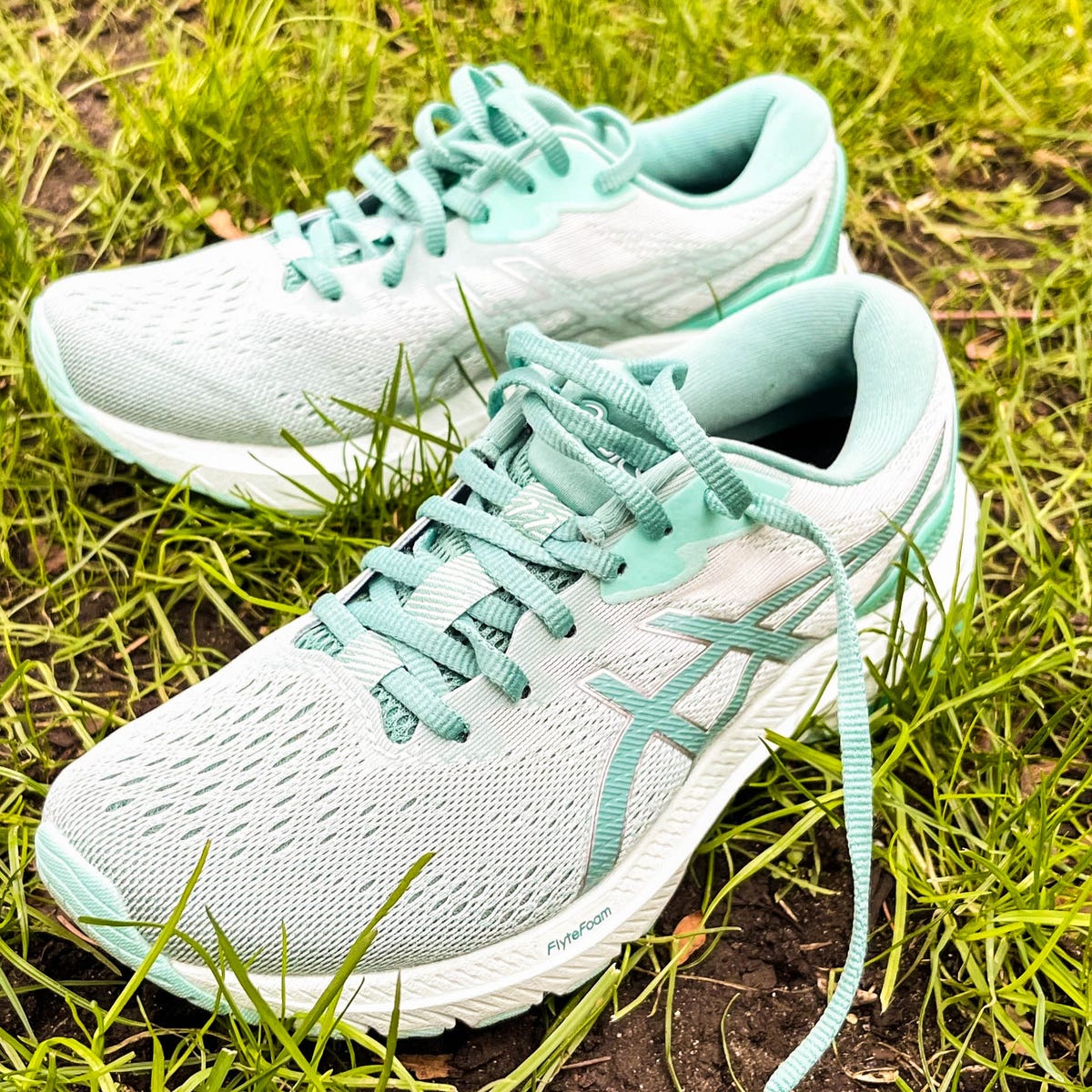
Not all tennis shoes are created equal for pedestrian purposes. When selecting tennis shoes for walking, focus on specific anatomical features. The upper should be constructed of breathable, flexible materials like engineered mesh to accommodate foot swelling and ensure comfort over long distances, moving away from the heavier, reinforced leathers of traditional court shoes. Look for a well-padded collar and tongue to prevent achilles and instep irritation. The midsole is the heart of the matter. Prioritize models with full-length cushioning foam rather than those with forefoot-only zoom units, which are tuned for explosive push-offs. A moderate heel-to-toe drop (between 6mm to 10mm) is ideal, facilitating the natural heel-strike of walking. The outsole requires careful consideration. A durable rubber compound is essential, but the tread pattern is key. Avoid aggressive, deep-lugged herringbone patterns meant for clay or grass courts, as they can feel unstable on concrete. Instead, seek a modified, flatter tread pattern or a durable rubber wrap that offers grip without compromising the smooth transition from heel to toe. The width of the base is also crucial; a broader forefoot platform, common in stability tennis shoes, enhances stability for walkers, a point often emphasized in reviews on authoritative sites like Runner’s World when discussing crossover footwear.
The Durability Dividend: Longevity on Concrete
One of the most compelling, objective arguments for using tennis shoes as walking shoes is their exceptional durability. Tennis is a sport that brutally tests shoe integrity—dragging toes on serves, screeching lateral stops, and constant friction against abrasive court surfaces. Manufacturers respond by building tennis shoes with abrasion-resistant toe guards, reinforced eyelets, and outsoles made of high-density, non-marking rubber. When these shoes are transitioned to the relatively less abrasive environment of sidewalks and tracks, their lifespan often exceeds that of traditional walking shoes. The outsole rubber, designed to withstand the sandpaper-like effect of a hard court, wears down slowly on asphalt. The reinforced areas that protect a tennis player’s foot during a lunge add structural longevity for a walker. This durability represents a significant economic advantage. While the initial investment in a premium pair of tennis shoes for walking might be comparable to specialized walking shoes, the cost-per-mile can be substantially lower. You are, in effect, purchasing footwear with a built-in durability surplus, a fact corroborated by countless user testimonials on platforms like Quora and Reddit, where long-distance walkers and urban hikers praise the extended service life of their repurposed tennis footwear.
Navigating the Selection: A Practical Framework
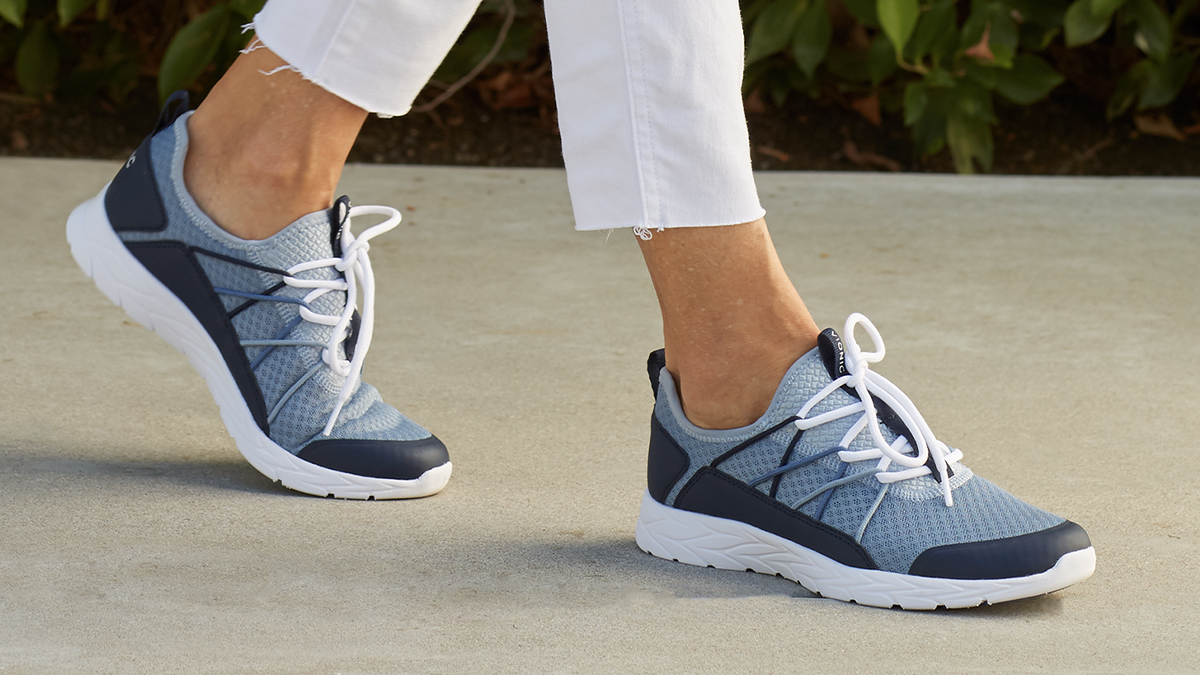
Armed with the knowledge of why tennis shoes work, the next step is practical selection. I recommend a framework based on your walking style and physiology. First, assess your gait. If you have a neutral stride, you have the widest selection, including “speed” or “court feel” tennis models that offer lighter weight. If you overpronate, prioritize shoes categorized as “stability” or “motion control” in tennis lines, which feature medial posts and dual-density midsoles. Second, consider the terrain. For primarily paved surfaces, a shoe with a smooth, durable rubber outsole is perfect. If your walks include packed trails or gravel, look for a model with a slightly more textured, multi-directional tread. Third, do not neglect fit. Your walking shoe should have a thumb’s width of space in the toe box to allow for natural splay and swelling. Since you’re not making rapid tennis cuts, you can opt for a slightly more relaxed fit than a competitive player might. Remember, the goal is harmonious function, not just repurposing. A shoe like the Asics Gel-Resolution, renowned for its stability, or the Nike Air Zoom Vapor Cage, known for its responsive cushioning, can be exemplary tennis shoes for walking when matched to the right foot and purpose.
Expert Voices and Counterpoints
It is vital to present a balanced view. While the argument for tennis shoes is strong, some podiatrists and specialists from institutions like the American Podiatric Medical Association traditionally recommend shoes specifically designed for walking, citing optimized flex points and rocker soles. However, this perspective is evolving. Celebrity trainer and biomechanics coach Kelly Starrett, in a widely viewed YouTube analysis, has argued that “footwear should provide a stable platform and allow for natural foot function, regardless of the activity label.” He often highlights how many cross-training shoes, including tennis models, meet this criterion better than overly specialized, highly cushioned shoes that deaden proprioception. Furthermore, a seminal study published in the Journal of Foot and Ankle Research found that subjective comfort was the single best predictor of successful footwear performance, not the stated category. This empowers you, the walker, to trust your comfort assessment in a well-chosen tennis shoe. The key is informed selection, not dogma.
“The distinction between ‘walking’ and ‘tennis’ shoes is often more marketing than mechanics. A good shoe supports the foot’s architecture. Many modern tennis shoes, with their focus on stable cushioning, do this exceptionally well for a wide range of low-impact activities.” — Paraphrased from a discussion with biomechanics researcher Dr. Benno Nigg, as cited in The Biomechanics of Running Shoes.

Maximizing Value: Where Performance Meets Price
Embracing tennis shoes for walking is also a savvy financial strategy. The athletic footwear market follows seasonal cycles. New tennis models are released in alignment with major tournaments like Wimbledon and the US Open. This creates a predictable window, typically 6-8 months after release, where previous-season models are discounted by 30-50% as retailers clear inventory. These models undergo minimal, often purely cosmetic, changes year-to-year. By targeting these discounted previous-generation shoes, you acquire premium technology—advanced foam compounds, sophisticated stability features, and top-tier materials—at a fraction of the original cost. Websites of major sporting goods retailers, outlet stores, and dedicated athletic shoe discounters are treasure troves for such deals. For instance, a high-end tennis shoe originally priced at $140 can frequently be found for under $80, offering performance that outstrips a walking shoe at the same price point. This approach brings genuine professional-grade technology within reach, ensuring you get superior support and durability without straining your budget. It’s a win-win: your feet experience engineered comfort, and your wallet enjoys a respite.
A Final Step: Your Personal Verdict
The journey through the world of footwear leads us to a clear, actionable insight. The classification of shoes is a useful guide, not an immutable law. The modern tennis shoe, born from the rigors of sport, has evolved into a versatile tool capable of excelling in the daily discipline of walking. Its strengths—proven stability, resilient cushioning, and exceptional durability—are not merely theoretical but are grounded in biomechanical science and validated by user experience across diverse platforms. The ultimate test, however, remains personal. I encourage you to apply the framework provided: assess your gait, prioritize the key features, and try on several models. Feel the structured support in the midfoot, experience the energy return of the midsole with a few steps in the store, and note the secure, comfortable fit. Let your feet, informed by knowledge, make the final decision. In doing so, you may discover that the perfect companion for your daily journey isn’t found in a narrowly defined aisle, but in the robust, reliable, and often surprisingly versatile world of tennis shoes.