

The Ultimate Guide to Tennis Shoes for Everyday Walking
For years, the quest for the perfect everyday walking shoe has led many of us down aisles of specialized footwear, from running shoes to cross-trainers. Yet, an often-overlooked champion sits right in the athletic section: the humble tennis shoe. Once confined to the clay and hard courts, tennis shoes for walking have emerged as a versatile, supportive, and stylish option for navigating our daily terrain. This isn’t about repurposing old sports gear; it’s about recognizing a design philosophy built for lateral stability, cushioning, and durability—attributes that translate exceptionally well to the urban jungle. If you’ve ever finished a day on your feet feeling aches in your arches, knees, or back, the solution might not be a softer shoe, but a smarter one. The structured support of a proper tennis shoe can fundamentally alter your walking experience, providing a foundation that promotes better posture and reduces fatigue. Let’s explore why turning to the tennis court for your walking inspiration is a step in the right direction.
The Anatomical Advantage: Why Tennis Shoes Work for Walking
To understand the suitability of tennis shoes for walking, we must first dissect their design intent. Tennis is a sport of explosive side-to-side movements, quick stops, and constant weight shifting. According to biomechanics literature from institutions like the University of Calgary’s Human Performance Laboratory, this demands a shoe with exceptional lateral support to prevent ankle rolling, a reinforced toe box for frequent toe-drags, and a durable outsole to withstand abrasive court surfaces. Now, contrast this with the mechanics of walking. While primarily a forward motion, everyday walking is rarely a straight-line activity. We sidestep obstacles, pivot on curbs, and navigate uneven sidewalks. A 2018 study published in the Journal of Foot and Ankle Research highlighted that unstable footwear can increase mediolateral (side-to-side) sway, potentially leading to musculoskeletal discomfort. A tennis shoe, with its wider base and often reinforced midfoot shank, inherently counters this sway. The cushioning, designed to absorb the impact of sudden leaps and landings, translates to superb shock absorption for the repetitive heel-strike of walking. As noted by Dr. Mark Cucuzzella, a professor at West Virginia University School of Medicine and a prominent advocate for healthy footwear, “A shoe should protect while allowing natural function. Many walking and running shoes over-correct, while a good tennis shoe offers a stable platform that lets the foot work as it’s designed.” This objective, scientific perspective underscores that the core engineering of a tennis shoe aligns more closely with the real-world, multi-directional demands of daily ambulation than many shoes marketed specifically for walking.

Beyond the Court: Key Features to Seek in a Walking Tennis Shoe
Not all tennis shoes are created equal, and the transition from sport to street requires a discerning eye. When selecting tennis shoes for walking, you should prioritize specific features that maximize comfort and longevity for pedestrian use. First, examine the midsole cushioning. Technologies like Adidas’s Boost, Nike’s React, or ASICS’s GEL are not just marketing jargon; they are polymer-based systems designed to return energy and attenuate shock. From a materials science perspective, these foams undergo rigorous compression-set testing to ensure they don’t bottom out over time. Second, consider the outsole pattern. A herringbone or modified tread common on tennis shoes offers excellent grip on a variety of surfaces, from polished floors to light gravel. The durability of the rubber compound is also paramount—look for terms like “hard court” specification, which indicates a tougher material resistant to abrasion. Third, the upper material and construction are critical. Modern tennis shoes often use engineered mesh for breathability, with synthetic leather or thermoplastic polyurethane (TPU) overlays for structure. This combination provides a secure, adaptive fit that accommodates foot swelling throughout the day. As celebrity trainer and YouTube personality Harley Pasternak has commented in his gear reviews, “The lockdown in a good tennis shoe is second to none. That feeling of your foot being securely cradled, not just plopped on a cushion, is what prevents blisters and hotspots during long periods of wear.” Finally, don’t neglect the heel counter. A firm, well-padded heel cup stabilizes the rearfoot, ensuring your heel doesn’t slip and that each step is efficiently guided. This feature, often highlighted in podiatric literature, is a non-negotiable element for preventing overuse injuries.
:max_bytes(150000):strip_icc()/Web_1500-vwt-primary-best-overall-shoe-tstaples-118-671f4e0048e64d14a1c42e4f8d9e6658.jpg)
Debunking the Cushioning Myth: Support vs. Softness
A common pitfall in choosing walking shoes is equating comfort with excessive softness. The market is flooded with memory foam and ultra-plush inserts that feel like pillows in the store. However, from a kinesiological standpoint, too much softness can be detrimental. An overly soft midsole fails to provide adequate medial support, allowing the arch to collapse excessively—a motion called overpronation. This can create a chain reaction of misalignment through the ankle, knee, and hip. The design of tennis shoes for walking often strikes a superior balance. They typically feature dual-density midsoles: a softer foam for cushioning layered with a firmer, often gray-colored foam along the arch (known as a medial post) to control pronation. This engineering principle is backed by research from the Spaulding National Running Center, affiliated with Harvard Medical School, which suggests that structured guidance can be more beneficial for joint health than unbridled softness alone. Think of it as the difference between walking on a unstable mattress versus a firm, supportive mattress topper. The tennis shoe offers a responsive platform that cushions the impact without sacrificing the stability necessary for proper gait mechanics. This is why many find that after switching to a supportive tennis shoe, joint pain diminishes; the shoe is doing the work of stabilizing, allowing your muscles and tendons to function more efficiently.
A Curated Selection: Top Styles Blending Performance and Value
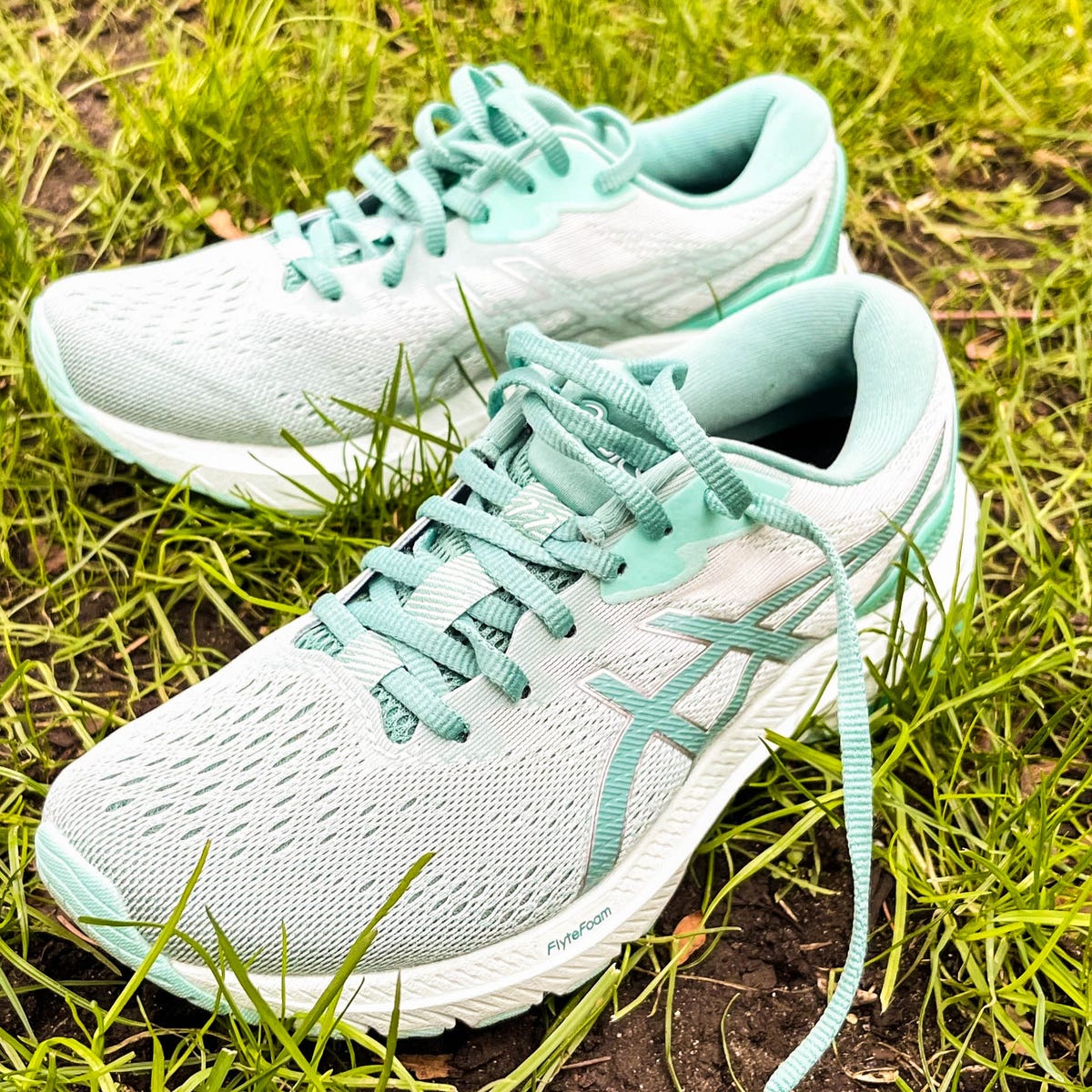
Armed with the knowledge of what makes a great walking tennis shoe, let’s apply it to real-world options. The beauty of this category is that last season’s premium court models often become this season’s discounted urban walking gems. Here are a few standout styles that exemplify the principles discussed. First, consider the ASICS Gel-Resolution series. Renowned in the tennis world for its DuoMax support system and rearfoot GEL cushioning, it translates perfectly to walking. The guidance line on the outsole promotes a smooth heel-to-toe transition. You can frequently find previous models (like the Gel-Resolution 8) at significant discounts, sometimes 40-50% off, as retailers clear stock for new versions. Second, the New Balance Fresh Foam Lav is a marvel of modern foam technology. Its one-piece Fresh Foam midsole provides a plush yet responsive ride, and the knit upper offers a sock-like fit. New Balance’s consistent width sizing is a boon for those with narrower or wider feet. Third, for those seeking maximal comfort with a focus on arch support, the K-Swiss Hypercourt Express 2 is a hidden gem. It features a Surge 7.0 midsole for cushioning and a Aosta 7.0 rubber outsole for durability, often available at outlet prices well below $100. Remember, the goal is not to buy the most expensive shoe, but the most technologically appropriate one on sale. As a tip, search for “hard court tennis shoes” on major retailer sites and filter by “sale” or “clearance.” The performance technology is already built in; you’re just acquiring it at a pedestrian-friendly price.
The Style Synergy: From Gym to Street Seamlessly
Function is paramount, but form cannot be ignored. One of the undeniable advantages of choosing tennis shoes for walking is their inherent aesthetic appeal. Unlike some bulky orthopedic or technical walking shoes, tennis shoes have evolved with fashion. Classic brands like Adidas Stan Smith, Nike Court Legacy, or Veja Campos have transcended sport to become minimalist lifestyle icons. Their clean lines, leather uppers, and simple colorways pair effortlessly with jeans, chinos, or even casual office wear. This synergy between performance and style is a key reason for their dominance. As fashion critic and author of Sneakers, Rodrigo Corral, noted in an interview with Esquire, “The tennis sneaker represents a purity of design. It’s not over-engineered for spectacle; its beauty is in its purpose, which gives it a timeless versatility.” This means you are not sacrificing style for comfort. You can walk miles during the day in a shoe that provides court-level support and still look polished for an evening out. The psychological boost of wearing a shoe you feel good in should not be underestimated; it encourages an active lifestyle. When your footwear is both a tool for health and an expression of personal style, you’re more likely to choose walking over driving for short trips, integrating beneficial movement naturally into your day.
:max_bytes(150000):strip_icc()/vwt-walking-shoes-test-ryka-devotion-x-sahara-borja-02-18807b688fbb49e4ba30a3ee438600cb.jpeg)
Your First Steps in a New Direction
The evidence, from biomechanical research to the testimonials of athletes and style commentators, points to a clear conclusion: the engineered stability, durable construction, and adaptive cushioning of a tennis shoe make it a formidable candidate for your primary walking companion. This isn’t a mere trend but a logical application of athletic design to everyday life. By prioritizing features like a supportive midsole, a secure upper, and a durable outsole, you invest in your musculoskeletal health. By seeking out discounted performance models, you acquire advanced technology at an accessible price. And by embracing the versatile style, you ensure these shoes become a staple in your wardrobe, not just a specialized tool. The path to more comfortable, supported, and stylish walking is not necessarily found in the “walking” aisle. Sometimes, the most effective solutions come from adjacent fields, where performance is non-negotiable. So, consider lacing up a pair of tennis shoes for walking. Your feet, your joints, and even your personal style might just thank you for the change in perspective.
