

Styling Booties Heels for Effortless Fall Fashion
As the air turns crisp and leaves begin their fiery descent, our wardrobes instinctively shift towards layers, textures, and foundational pieces that offer both comfort and statement. In this seasonal transition, one footwear style emerges not merely as a trend but as a sartorial keystone: the booties heels. This article posits that the heeled ankle boot is the quintessential instrument for crafting an effortlessly sophisticated autumn look, merging utilitarian resilience with elevated design. It is the workhorse of fall fashion, capable of transforming the simplest outfit into a curated ensemble. We will dissect its versatility, ground our discussion in objective style principles, and provide actionable knowledge to integrate this powerhouse into your seasonal rotation.
The Architectural Foundation: Defining the Booties Heels
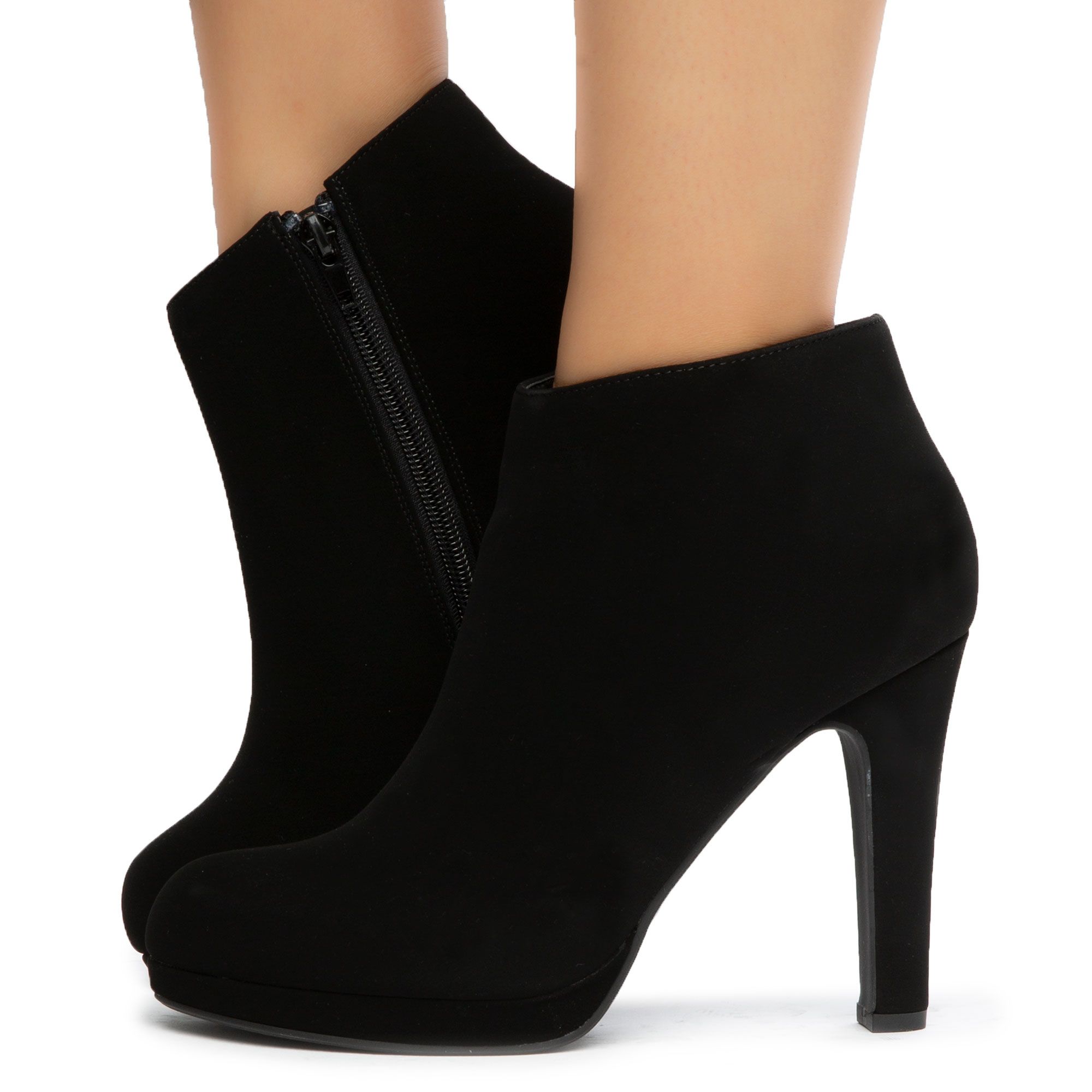
Before exploring its application, we must establish a clear, objective definition. The term booties heels—often used interchangeably with “ankle boots” or “heeled booties”—refers to a type of footwear that covers the foot and ankle, terminating at or just above the malleolus (the bony prominence on either side of the ankle), and is constructed with a raised heel. This definition, consistent across fashion lexicons from Vogue to Wikipedia, distinguishes it from taller boots (like knee-high or over-the-knee styles) and flat ankle boots. The heel height can vary dramatically, from a subtle block to a stiletto, but its presence is the critical differentiator that injects a posture of confidence and polish. The structural genius of the booties heels lies in this hybrid nature: it offers the contained, secure feel of a boot, often crafted from autumn-appropriate materials like suede, leather, or synthetic blends, paired with the leg-lengthening, formalizing effect of a heel. This combination is not a modern whim; it has historical precedent in both utilitarian riding boots and the elevated footwear of various cultures, now refined for contemporary urban life.

Material Science and Seasonal Synergy
Why does the booties heels feel so inherently autumnal? The answer is rooted in material science and environmental interaction. Fall introduces a spectrum of weather conditions—damp mornings, cool breezes, occasional showers. Materials commonly used in quality booties, such as full-grain leather or nubuck suede, possess inherent durability and, when properly treated, water-resistant properties. As noted by textile experts from institutions like the Fashion Institute of Technology, these natural fibers provide better breathability and adaptability to temperature changes compared to many summer fabrics. Furthermore, the psychological impact of “haptic perception”—how touch influences our perception—plays a role. The substantial feel of a leather booties heels underfoot, the tactile grain of the material, aligns with our desire for protection and substance as the season changes. This isn’t mere anecdote; it’s a design principle leveraged by iconic footwear brands from Stuart Weitzman to Sam Edelman, who consistently feature these materials in their fall collections. The bootie acts as a barrier between you and the elements, a small but significant piece of armor that allows you to engage with the romanticism of fall—crunchy leaves, pumpkin patches, evening bonfires—without sacrificing comfort or style.
The Transformative Power: Five Style Alchemies
The true magic of the heeled ankle boot is its chameleonic ability to redefine an outfit’s entire character. It is the ultimate style catalyst. Let’s explore five distinct, yet equally effortless, transformations you can achieve.
1. From Casual to Curated: Denim Reimagined
The partnership between booties heels and denim is a masterclass in casual elegance. Swap your sneakers or flats for a pair of sleek, black leather booties with a mid-height block heel when wearing your favorite skinny jeans or raw-hem mom jeans. The effect is immediate and profound. The heel introduces a vertical line, elongating the silhouette, while the bootie’s structure contrasts beautifully with denim’s relaxed heritage. This look echoes the “model-off-duty” aesthetic frequently captured by street style photographers during Fashion Weeks in New York and Paris. As fashion commentator and author Vanessa Friedman of The New York Times has often implied, it’s this deliberate pairing of the rugged with the refined that creates modern sophistication. The bootie doesn’t fight denim’s informality; it elevates it, proving that effortlessness is often about strategic contrast rather than matchy-matchy coordination.

2. The Feminine Edge: Dresses and Skirts
Contrary to outdated rules, booties heels are not the enemy of femininity; they are its modern accomplice. Pairing a heeled bootie with a flowing midi dress or a soft sweater skirt creates a dynamic tension that is deeply contemporary. The delicate or fluid nature of the skirt is grounded—literally and figuratively—by the substantial footwear. This juxtaposition is a recurring theme in the costume design of films like “The Intern” or “Something’s Gotta Give,” where characters like Jules Ostin (Anne Hathaway) and Erica Barry (Diane Keaton) project intelligent, approachable style that is both pretty and powerful. A suede bootie in a rich fall hue—oxblood, forest green, or taupe—adds a layer of seasonal color theory to the ensemble, pulling the earthy palette of autumn directly onto your feet. It’s a look that says you are connected to the season and in command of your style narrative.
3. Tailoring’s Perfect Partner: The Wide-Leg Proposition
The resurgence of wide-leg trousers and tailored suits presents a perfect canvas for the booties heels. The challenge with wide-leg silhouettes is maintaining proportion; a flat shoe can sometimes truncate the leg. Enter the heeled bootie. Tucking the hem of a wide-leg pant into or letting it fall just over the shaft of a slim-cut bootie creates a clean, uninterrupted line from hip to toe. This technique, championed by designers like Victoria Beckham and visible in the sharp tailoring of shows like “Suits,” leverages the bootie as a hidden foundation. It provides the necessary lift and structure without competing visually with the drama of the trouser. It’s a sophisticated, insider-style move that prioritizes silhouette over flash, perfectly aligning with fall’s more structured, layered approach to dressing.

4. Textural Dialogue: Knits and Leather
Fall fashion is a symphony of textures: chunky cable knits, soft merino wool, smooth leather, nubby tweed. The booties heels sits at the heart of this conversation. A pair in buttery soft leather or grainy suede actively engages with the textures of your clothing. Wearing a hefty fisherman knit sweater? The sleekness of a leather bootie provides balance. Opting for a sleek turtleneck and wool blazer? A suede bootie adds a touch of tactile softness. This principle of textural contrast is a cornerstone of interior design (think smooth marble against a shag rug) and is directly applicable to fashion, as often discussed by stylists on platforms like Who What Wear. It creates visual interest and depth, making an outfit feel considered and rich—key components of “effortless” style, which is almost always carefully constructed.
5. The Monochromatic Moment: Sleek Elongation
For the ultimate in streamlined, leg-lengthening elegance, adopt a monochromatic approach. Wearing black tights, a black skirt or dress, and black booties heels creates a single, unbroken column of color that visually stretches the silhouette. This is a well-documented optical illusion in visual arts and fashion styling. The heel, hidden within the continuous line, simply amplifies the effect. This look is perpetually chic, incredibly slimming, and remarkably easy to execute. It was a signature of style icons like Audrey Hepburn and remains a go-to for figures like Meghan Markle, who utilize its clean, powerful simplicity. It demonstrates that sometimes the most powerful statement is one of pure, unadulterated cohesion.
Investing in Your Foundation: A Note on Quality and Value
An effortless look is undermined by discomfort or poor construction. Therefore, viewing your booties heels as an investment is crucial. Key factors include a well-balanced heel for stability, a supportive insole, and quality materials that will mold to your foot and withstand the season. Brands like Cole Haan, known for their Grand.ØS technology, or Clarks, with their ortholite footbeds, embed podiatric science into their designs. While premium brands may command higher initial prices, their cost-per-wear over multiple autumns is often lower than that of a fast-fashion pair that disintegrates in one season. Furthermore, the end-of-summer sales and early fall promotions are ideal times to acquire luxury or premium brands at discounted prices. Retailers like Nordstrom, Zappos, and direct brand websites often offer significant markdowns on previous-season styles that are still perfectly relevant. This strategic acquisition is part of building a intelligent, lasting wardrobe.
The booties heels is more than a shoe; it is a strategic tool for personal expression during autumn. It bridges the gap between practicality and aspiration, between the need for warmth and the desire for elegance. By understanding its architectural definition, its material relevance, and its transformative stylistic capabilities, you equip yourself not just with a pair of boots, but with a foundational element for countless effortless outfits. Let this fall be defined by the confident click of a heel on a paved path, by the secure embrace of leather around your ankle, and by the silent knowledge that your style, anchored by this versatile piece, is both prepared for the weather and poised for anything else the day may bring.
