

Style and Comfort for Every Step
For too long, the world of footwear has presented a false dichotomy: you could either have shoes that look exceptional or shoes that feel exceptional. This compromise ends now. The modern pursuit of wellness and personal expression demands a fusion of both, a synergy where aesthetic appeal and biomechanical support are not mutually exclusive but intrinsically linked. This is not merely about footwear; it’s about redefining your foundation for daily life. The right pair of walking shoes becomes an indispensable tool for enhancing mobility, preventing injury, and expressing personal style, proving that every journey, from a city commute to a weekend trail, begins with a single, well-supported step.
The Foundation: Why Your Choice of Walking Shoe Matters More Than You Think
Consider the human foot: a complex structure of 26 bones, 33 joints, and over 100 muscles, tendons, and ligaments. It is a masterpiece of evolutionary engineering, designed for propulsion, balance, and shock absorption. Yet, we encase it in synthetic environments, asking it to perform on unyielding concrete for hours. The consequences of improper support are not merely sore feet; they cascade upwards. The American Podiatric Medical Association consistently highlights that foot dysfunction can lead to issues in the knees, hips, and lower back. A study from the University of Virginia’s Motion Analysis and Motor Performance Laboratory underscores that gait abnormalities, often exacerbated by poor footwear, are a primary contributor to joint degeneration over time. Therefore, selecting a walking shoe is not a casual fashion decision but a critical health investment. It is the interface between your body and the ground, mediating forces that would otherwise travel destructively through your skeletal system. When you choose a shoe with intention, you are not just buying an accessory; you are investing in the long-term integrity of your musculoskeletal health, ensuring that your body’s foundation remains solid and resilient.
Biomechanics and Cushioning: The Science of the Stride
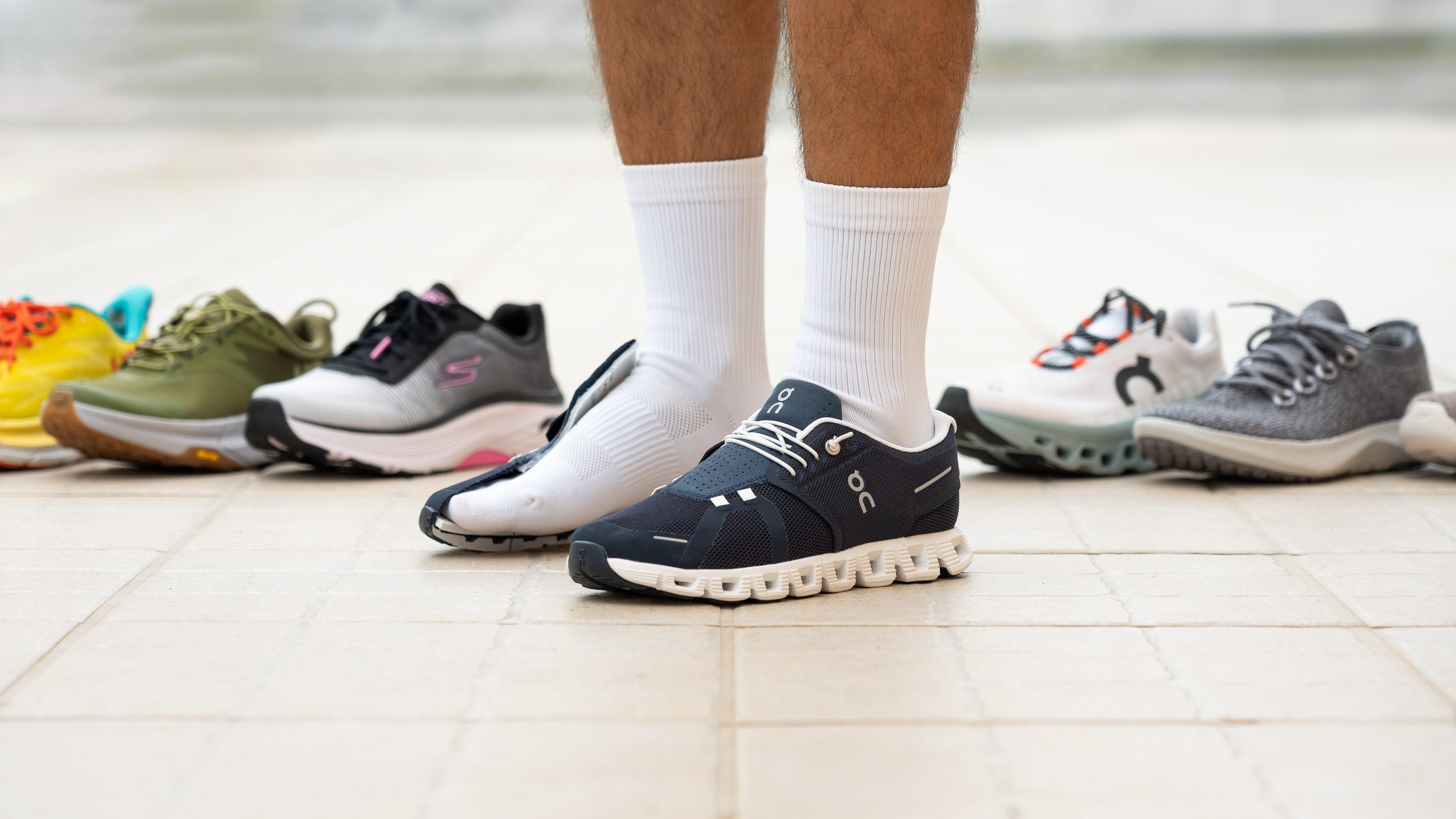
The term “cushioning” is often used loosely in marketing, but its scientific role is precise. In biomechanics, cushioning refers to a material’s ability to attenuate the ground reaction force—the impact shock that travels through your body with each step. During walking, this force can reach 1.2 to 1.5 times your body weight. A high-quality walking shoe employs advanced polymer foams, such as ethylene-vinyl acetate (EVA) or polyurethane (PU), or proprietary compounds like Brooks’ DNA LOFT or ASICS’ GEL, to absorb and dissipate this energy. As Dr. Casey Kerrigan, a former Harvard Medical School professor and founder of a biomechanics research company, stated in an interview with Runner’s World: “The goal of cushioning isn’t to make the shoe feel soft like a pillow, but to manage the rate of load on the body. It’s about controlling the deceleration of your foot.” This is a crucial distinction. Effective cushioning provides a stable platform that controls motion, not an unstable, overly soft sinkhole. The right midsole compound and geometry can reduce fatigue, delay the onset of muscle soreness, and protect joints from repetitive stress, making your daily 10,000 steps feel sustainable rather than punishing. It transforms walking from a mundane task into a pleasurable, sustainable activity.
Arch Support and Stability: Your Personal Blueprint
Just as fingerprints are unique, so is the architecture of your foot’s arch. The three primary classifications—neutral, low-arched (overpronator), and high-arched (supinator)—determine how your foot rolls inward (pronates) upon landing. This motion is natural and necessary for shock absorption, but excessive or insufficient pronation can lead to problems. A proper walking shoe is designed with this blueprint in mind. For the overpronator, stability shoes feature medial posts—firmer foam on the inner side of the midsole—to gently guide the foot and prevent excessive inward collapse. Brands like Saucony and New Balance have built their reputations on sophisticated stability technologies. For the neutral or high-arched foot, a neutral-cushioned shoe offers uniform support without corrective elements, allowing the foot’s natural motion while providing ample cushioning. Ignoring your arch type is akin to building a house on an unstable foundation; eventually, the structure will show signs of stress. Resources like the “Wet Test” (assessing your footprint on a wet paper bag) or a professional gait analysis at a specialty running store can provide invaluable insight into your specific needs, ensuring the shoe you select works in harmony with your body’s mechanics.
Form Meets Function: The Aesthetic Revolution in Performance Footwear
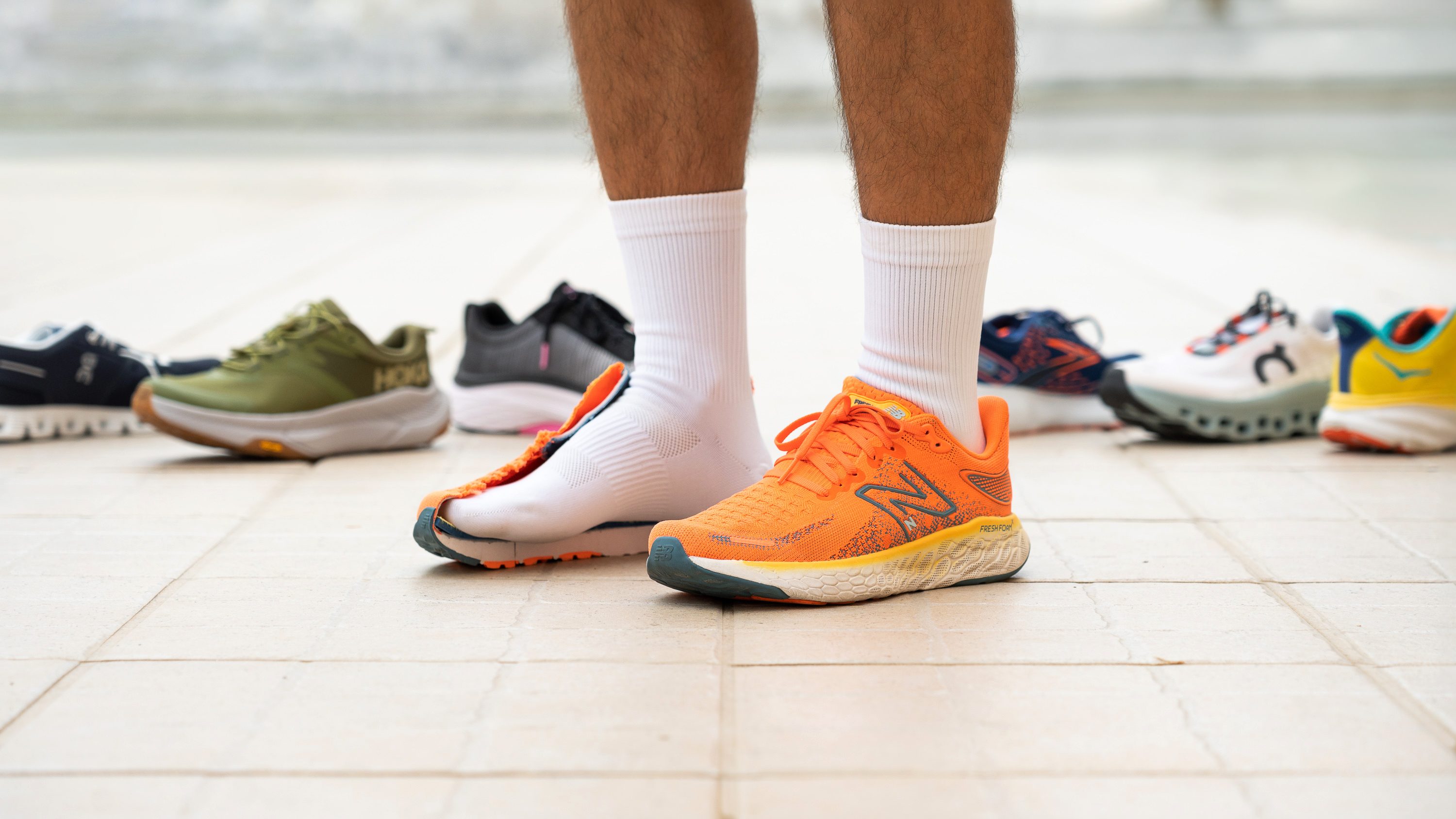
Gone are the days when technical shoes were clunky eyesores. The last decade has witnessed a seismic shift where performance brands collaborate with fashion designers, and heritage sneaker styles are re-engineered with modern comfort technologies. This fusion is driven by a cultural movement where health-consciousness and style are intertwined. You see it in the popularity of “athleisure,” a trend validated by the global market’s exponential growth. A shoe like the HOKA Clifton or the On Cloudswift is as likely to be spotted in a trendy café as on a walking path. This is powerful because it removes the barrier to use. When your walking shoe is visually appealing, you are more inclined to wear it throughout your day, seamlessly integrating more movement into your lifestyle. The aesthetic appeal thus serves a functional purpose: it encourages consistent wear, which leads to consistent activity. The design philosophy now prioritizes sleek silhouettes, versatile color palettes, and materials that look premium, all while housing cutting-edge comfort technology. This means you no longer need to pack an extra pair of shoes; one pair can carry you from a morning walk to a day of errands or even a casual workplace, all without compromising on support or style.
Material Innovation: Breathability, Durability, and Sustainability
The upper of a shoe is its interface with the world. Modern walking shoes utilize engineered meshes, knit fabrics, and recycled materials that offer targeted breathability, adaptive fit, and reduced environmental impact. A mesh with varying weave densities might provide stretch in the forefoot for splay and a locked-down feel in the midfoot. Brands like Allbirds popularized the use of natural merino wool and eucalyptus fiber for temperature regulation. Adidas, with its Parley for the Oceans line, turns ocean plastic into high-performance yarn. This material science is not just about ethics; it directly impacts comfort. A breathable upper prevents heat and moisture buildup, reducing the risk of blisters and fungal infections. Durable, yet flexible materials ensure the shoe conforms to your foot without breaking down prematurely. When you invest in a shoe from a company prioritizing such innovations, you’re getting a product designed for the long haul—both in terms of mileage and its footprint on the planet. This holistic approach to design signifies that true comfort extends beyond the individual to encompass environmental responsibility.
Making the Informed Choice: A Guide to Your Next Pair
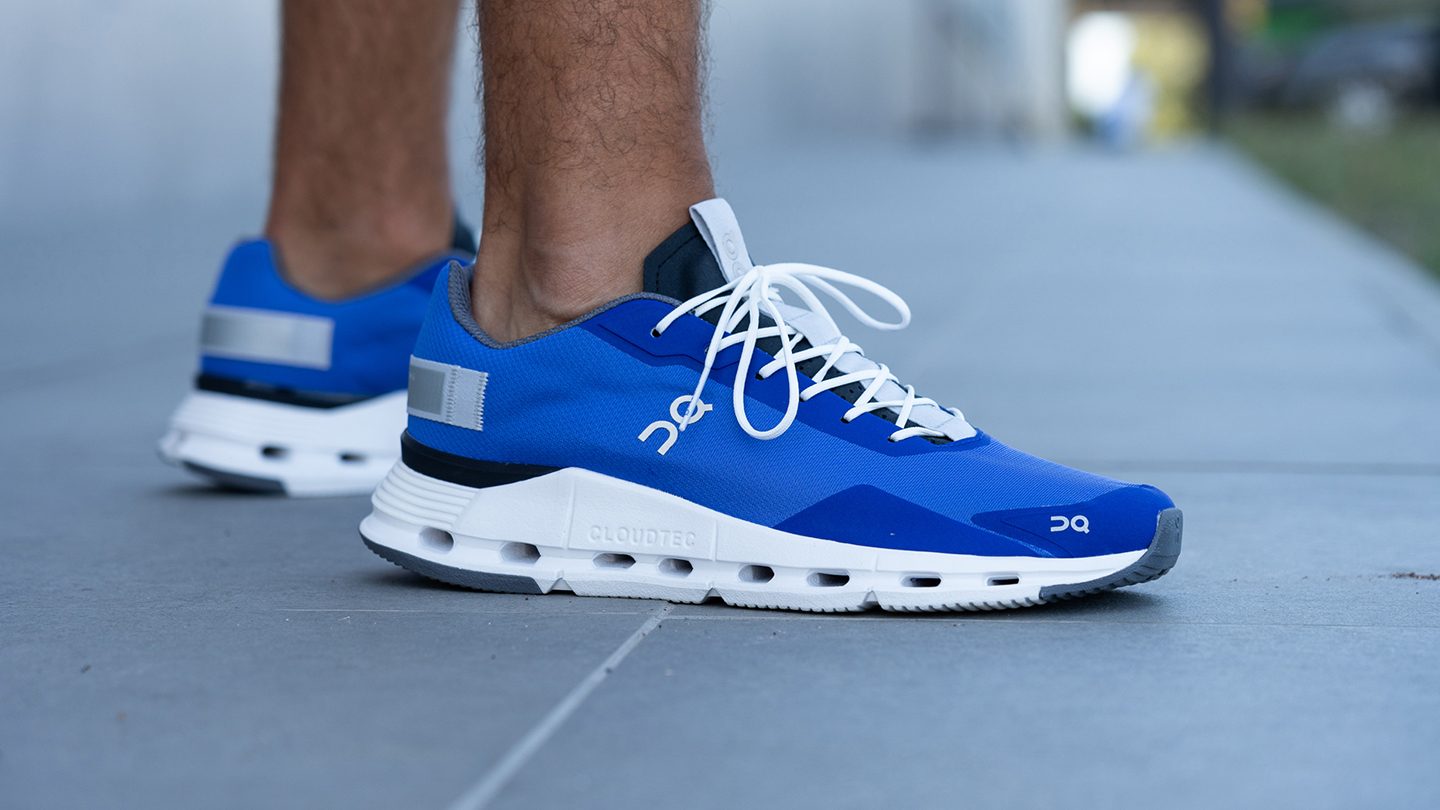
With countless options, selecting the ideal walking shoe can feel overwhelming. The key is to move beyond brand loyalty or flashy marketing and focus on objective criteria that match your personal needs. First, know your gait and arch type, as previously discussed. Second, consider the primary terrain. A shoe designed for paved roads will have a different outsole rubber compound and lug pattern than one meant for packed trails. Third, prioritize fit above all else. Your feet swell throughout the day, so shop in the afternoon. There should be a thumb’s width of space between your longest toe and the end of the shoe, and the heel should be snug without slipping. Finally, understand the shoe’s lifecycle. Most cushioning materials degrade after 300-500 miles of use, even if the outsole looks intact. Wearing shoes past their functional prime is a primary cause of overuse injuries.
Expert Voices and Where to Find Value
Navigating the technical specifications is easier with guidance from trusted sources. Podiatrists, physical therapists, and certified pedorthists offer medically grounded advice. For consumer perspectives, websites like RunRepeat provide deep-dive, lab-tested reviews that compare metrics like cushioning softness, energy return, and durability across brands. On platforms like YouTube, physical therapists like Bob & Brad or certified running shoe experts like Doctors of Running deliver detailed analyses. As for value, direct-to-consumer brands like APL or certain models from Skechers Performance often offer premium technologies at a more accessible price point by cutting out retail middlemen. Furthermore, last season’s colorways of top models from Brooks, ASICS, or New Balance frequently see significant discounts online, offering the same performance technology for a fraction of the original price. The goal is to marry professional knowledge with savvy shopping to achieve the best outcome for your feet and your budget.

Your Journey, Well-Shod
The path to a more active, comfortable, and stylish life is literally underfoot. By choosing a walking shoe that respects the science of your stride and reflects your personal aesthetic, you make a proactive decision for your well-being. This choice empowers you to move through your world with greater confidence, less fatigue, and a reduced risk of injury. It is an affirmation that you value the vehicle that carries you through life—your body. So, step forward with intention. Seek out the fusion of technology and design that speaks to you, and experience how the right foundation can transform not just your walk, but your outlook. Every destination becomes more attainable when every step is supported in style and comfort.
