

Step Into Comfort and Style with Vionic Walking Shoes
For years, the quest for the perfect walking shoe has felt like a compromise. We’ve been told to choose: either embrace the clinical, often unattractive, orthopedic look for the sake of foot health, or sacrifice support for a sleek, fashionable design that leaves our feet aching after a few city blocks. This false dichotomy has dictated our choices, often to the detriment of our long-term well-being. But what if the narrative changed? What if you could have a shoe that doesn’t just carry you from point A to point B, but actively supports your body’s biomechanics with every step, all while looking effortlessly stylish? This isn’t a hypothetical future; it’s the present reality crafted by innovative footwear science. The paradigm shift arrives with a specific category of footwear engineered to dissolve this very compromise. At the forefront of this movement is the vionic walking shoe, a product born from podiatric insight and designed for the rhythm of modern life. This article isn’t merely a review; it’s an exploration of how intelligent design can transform a daily necessity into a tool for enhanced living, proving that true comfort is the ultimate style statement.
The Foundation: Why Biomechanics Matter More Than You Think
To appreciate the innovation behind a specialized walking shoe, we must first understand the complex machinery they support: the human foot. With 26 bones, 33 joints, and over 100 muscles, tendons, and ligaments, the foot is a marvel of evolutionary engineering. According to biomechanics literature from institutions like the University of Calgary’s Human Performance Lab, the foot acts as both a mobile adapter (upon ground contact) and a rigid lever (for propulsion). When this intricate system is misaligned—a condition often stemming from overpronation (excessive inward roll) or supination (outward roll)—the effects cascade upward. The ankle, knees, hips, and even the lower back are forced to compensate, leading to a chain reaction of stress, fatigue, and pain. A standard flat-soled shoe does little to guide or correct this motion; it simply provides a barrier between the foot and the ground. This is where podiatrist-developed technology becomes non-negotiable. The core philosophy isn’t about adding cushioning alone—it’s about providing strategic support to restore natural alignment. As Dr. Andrew Shapiro, a spokesperson for the American Podiatric Medical Association, has noted, “Proper footwear is the cornerstone of preventive foot care. It’s about creating a stable environment that allows the foot to function as it was designed to.” This scientific understanding forms the very bedrock upon which the vionic walking shoe is built, moving beyond mere comfort to active biomechanical enhancement.
Deconstructing the Vionic Innovation: The Three-Point Support System
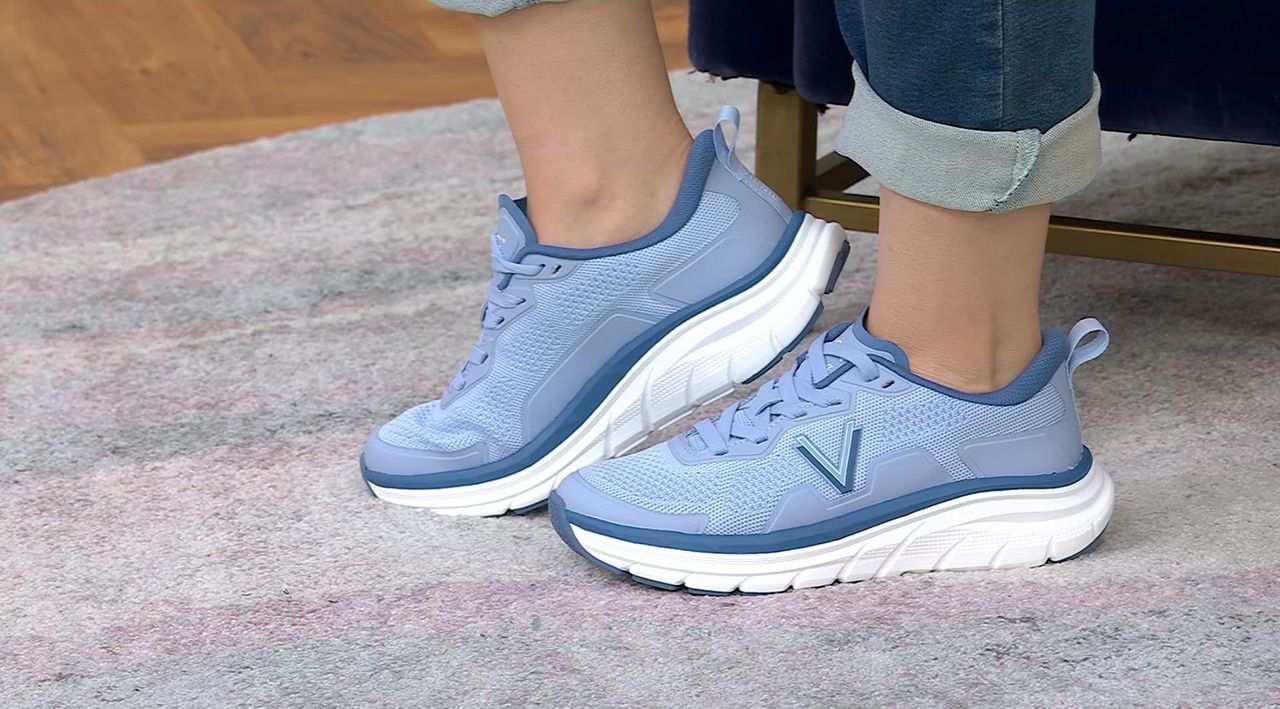
So, what sets a vionic walking shoe apart in a sea of athletic and casual footwear? The answer lies in its proprietary, podiatrist-designed orthotic insole, which features a patented Three-Zone Comfort system. This isn’t a generic foam insert; it’s a precision-engineered platform. First, the deep heel cup stabilizes the rearfoot, cradling the calcaneus (heel bone) to control excessive motion at the point of initial impact. Second, the arch support is not a one-size-fits-all bump but is strategically contoured to sustain the medial longitudinal arch—the primary shock-absorbing structure of the foot. This prevents the arch from collapsing, which is a primary driver of overpronation. Third, the forefoot zone provides a gentle metatarsal raise, alleviating pressure on the ball of the foot, a common site of pain (metatarsalgia) for walkers. This triadic approach works in concert. Think of it as the architectural blueprint for a stable gait. A study cited in the Journal of Foot and Ankle Research emphasizes that functional orthotics, like those embedded in Vionic shoes, can significantly reduce peak pressure in these critical zones, reducing muscle fatigue and improving propulsion efficiency. This technology isn’t hidden; it’s integrated seamlessly into styles ranging from athletic sneakers to casual loafers. When you slip on a vionic walking shoe, you’re not just putting on a shoe; you’re engaging a support system that actively participates in your stride, making each step a corrective and comfortable experience.
Style Uncompromised: From Clinic to Street
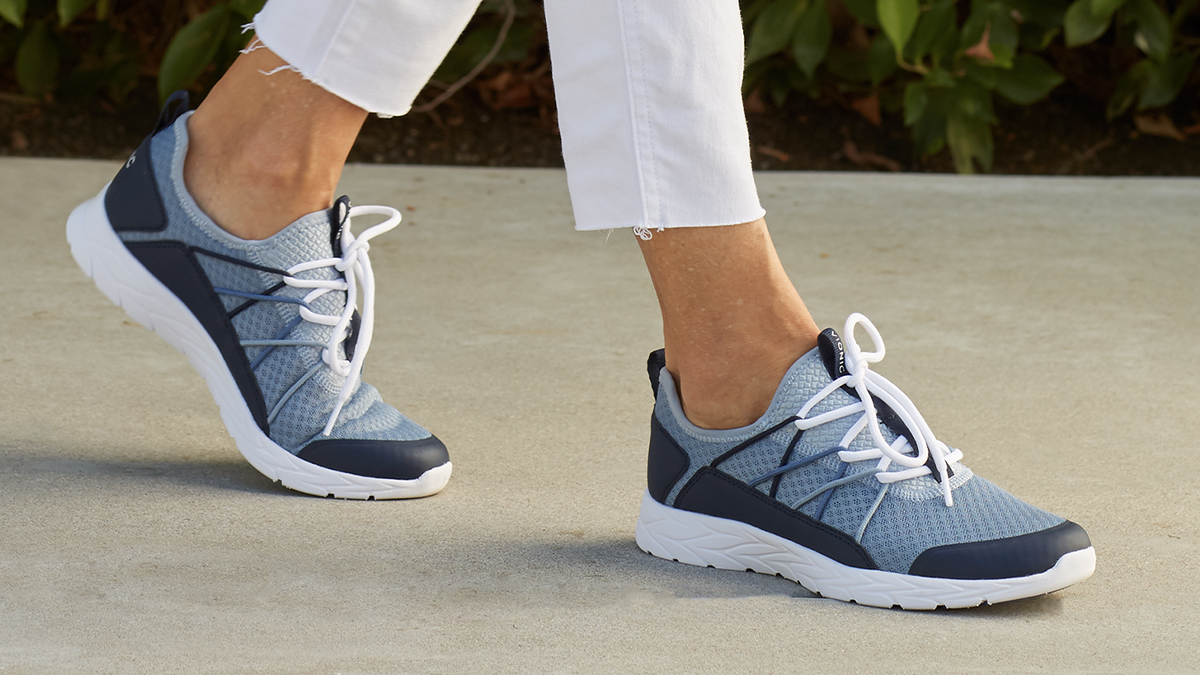
The historical stigma of “orthopedic shoes” being clunky and unfashionable is a relic of the past. Modern footwear design has undergone a renaissance, merging clinical necessity with contemporary aesthetics. Vionic, as a brand, has mastered this fusion. Their design teams work not in isolation from the biomechanics labs, but in tandem with them. The result is a portfolio where the sophisticated support system is the invisible hero, allowing the exterior design to shine. You’ll find sleek sneakers in minimalist color palettes, elegant sandals with tailored straps that offer midfoot security, and sophisticated boots that provide all-day stability without sacrificing a polished look. This design philosophy resonates with a public increasingly educated about wellness. As fashion influencer and wellness advocate Ella Catliff has remarked on her platform, “The greatest luxury now is feeling good. My Vionic sneakers are the secret behind my ability to navigate fashion week—they look sharp with tailored trousers, and my feet don’t scream at the end of the day.” This sentiment echoes across reviews on platforms like Quora and retail sites, where users consistently praise the ability of these shoes to blend into a versatile wardrobe. The message is clear: caring for your body is stylish. The vionic walking shoe embodies this principle, proving that you can invest in your physical health without divesting from your personal style. It’s a shoe that transitions from a morning walk, to a day at the office, to an evening outing without missing a beat—or causing one.
The Long-Term Investment: Beyond the First Step
Purchasing a quality pair of walking shoes is an investment in your future mobility. While the initial price point of a biomechanically engineered shoe may be higher than a mass-market alternative, the cost-per-wear and long-term health benefits tell a different story. Consider the alternative: persistent foot pain can lead to reduced activity, which is a risk factor for a host of other health issues. A well-supported foot promotes a more active, vibrant lifestyle. Furthermore, the construction quality of these shoes is designed for durability. The materials, from the premium leather uppers to the resilient rubber outsoles, are selected to withstand daily wear while maintaining their supportive structure. This durability is a form of sustainability—buying one pair that lasts and performs is preferable to cycling through multiple pairs of disposable footwear. Brands like Vionic often offer direct-to-consumer discounts and seasonal sales, bringing professional-grade podiatric technology to a wider audience at accessible price points. By choosing a shoe built on scientific principles, you are effectively outsourcing the complex job of biomechanical management to your footwear, freeing your mind and body to enjoy the journey, whether it’s a dedicated fitness walk or simply navigating the demands of a busy day. The return on this investment is measured not in dollars, but in pain-free steps, increased energy, and the profound comfort that comes from harmonious movement.

Your Journey Awaits: Making the Transition
If you’re ready to experience the difference, transitioning to biomechanical footwear like a vionic walking shoe should be a gradual process. Your feet and lower limbs may need time to adapt to the new, optimal alignment. Start by wearing them for a few hours each day, gradually increasing the duration as your body acclimates. Pay attention to how your legs feel at the end of the day—many users report a noticeable reduction in that heavy, achy feeling. Remember, the goal is not to create a dependency, but to provide the conditions for your body to function at its best. Explore the different styles available; perhaps a supportive sneaker for your active days and a chic loafer for your professional environment. The market now offers this technology in virtually every shoe category. Listen to the testimonials from long-term wearers, from nurses who spend 12-hour shifts on their feet to travelers who explore cobblestone cities, all crediting the supportive design for their endurance.

The pursuit of comfort and style is not a frivolous desire; it is a holistic approach to well-being in a world that demands constant motion. The innovation embodied in the modern biomechanical walking shoe represents a liberation from the old compromises. It demonstrates that the most functional tool can also be an object of beauty, and that caring for the foundation of your body—your feet—is the most intelligent style choice you can make. This is the new standard: footwear that doesn’t just cover your feet, but understands them, supports them, and celebrates your stride. The path forward is clear, stable, and remarkably stylish.
